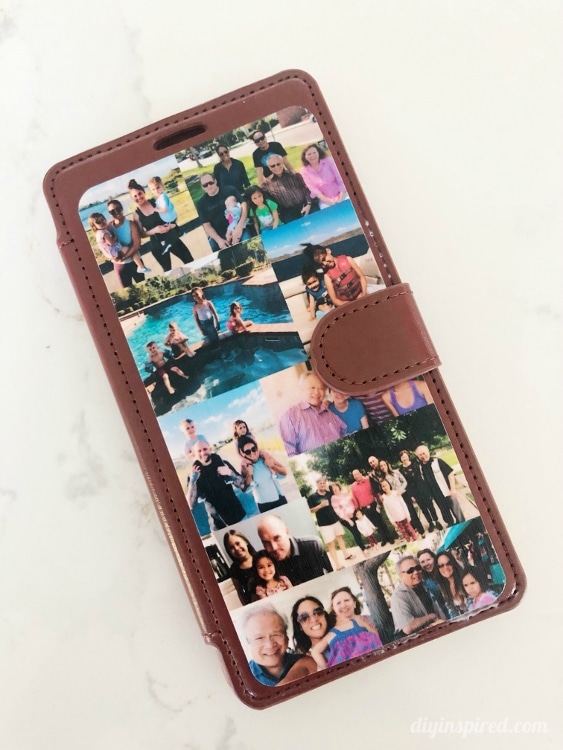

DIY Photo Phone Case: Personalize Your Tech, Protect Your Investment
Creating a DIY photo phone case offers a unique and cost-effective way to personalize your smartphone. Beyond mere aesthetics, a custom case can act as a protective shell, safeguarding your device from everyday bumps, scratches, and minor drops. This guide will explore various methods for crafting your own photo phone case, from simple sticker applications to more involved resin and decoupage techniques, ensuring your phone reflects your personality while remaining functionally sound. The process is accessible to most skill levels and requires readily available materials, making it an appealing project for anyone looking to add a personal touch to their essential tech.
Decoupage Photo Phone Case: A Classic and Versatile Method
The decoupage technique is a time-tested method for adorning various surfaces, and it translates beautifully to phone cases. This approach involves adhering paper cutouts, in this case, your chosen photographs, to a surface and sealing them with a protective layer of adhesive and sealant. For a DIY photo phone case, you’ll need a clear, hard plastic phone case as your base. This type of case provides a smooth, non-porous surface that allows the adhesive to grip effectively and prevents the paper from becoming overly saturated and tearing. The photographs you choose can range from personal snapshots of loved ones and pets to breathtaking landscapes, cherished memories, or even abstract art. High-quality prints on matte or satin photo paper generally yield the best results, as glossy prints can sometimes create unwanted glare once sealed.
To begin the decoupage process, carefully clean your clear phone case with a mild soap and water solution or rubbing alcohol to remove any fingerprints or oils. Ensure it is completely dry before proceeding. Next, select your photographs. You can print them to the exact size of your phone case, or you can opt for smaller, overlapping images to create a collage effect. If printing to size, consider printing slightly larger than the case and trimming the excess after application for a cleaner edge. Alternatively, you can trace the dimensions of your case onto the back of your printed photos and carefully cut them out using a craft knife or precision scissors. Some crafters prefer to tear the edges of their photos for a more organic, layered look.
Once your photos are cut, it’s time for the adhesive. Mod Podge is a popular and widely available choice for decoupage projects. Apply a thin, even layer of Mod Podge to the back of your photograph and then carefully position it onto the phone case. Gently smooth out any air bubbles or wrinkles by working from the center outwards with your fingers or a small bender tool. If you’re creating a collage, repeat this process for each photo, overlapping them as desired. Ensure that the edges of the photographs lie flat against the case to prevent lifting.
After all your photos are in place and the adhesive has dried for a short period (check the Mod Podge instructions, usually around 15-20 minutes), it’s time for the sealing layers. Apply several thin, even coats of Mod Podge over the entire surface of the case, ensuring that all the paper edges are well covered. Allow each coat to dry completely before applying the next. The number of coats needed will depend on the thickness of your paper and your desired level of durability. Generally, 2-4 coats are sufficient for good protection. For an extra glossy finish and enhanced durability, consider using a decoupage sealant specifically designed for outdoor use or a clear spray sealant. Always apply these sealants in a well-ventilated area. The final result is a durable, personalized phone case that showcases your favorite images.
Resin Photo Phone Case: For a Sleek, Glossy, and Durable Finish
The resin method offers a more professional-looking and exceptionally durable DIY photo phone case. This technique involves embedding your photos within a clear, self-leveling epoxy resin. Resin provides a hard, glossy, and water-resistant finish, effectively sealing and protecting your images. You will need a clear hard plastic phone case, your printed photos, and a two-part epoxy resin kit. It’s crucial to choose a resin specifically designed for crafting and that is UV-resistant to prevent yellowing over time.
Thoroughly clean your clear phone case. Ensure it is free of dust, fingerprints, and any residue. For the photos, consider printing them on photo paper that is compatible with resin. Some photo papers can bleed or become transparent when exposed to resin. It’s often recommended to seal your printed photos with a spray sealant (like Mod Podge spray sealant or a clear acrylic spray) before embedding them in resin. Allow the sealant to dry completely, usually for at least 24 hours. This step is vital to prevent any ink from leaching into the resin.
Prepare your workspace by covering it with a plastic drop cloth or old newspaper, as resin can be messy. Wear gloves and a respirator mask, as resin fumes can be harmful. Mix the two parts of the epoxy resin according to the manufacturer’s instructions. It’s crucial to measure accurately, as improper ratios can lead to the resin not curing properly, resulting in a sticky or cloudy finish. Mix thoroughly but avoid whipping in too much air, which can create bubbles.
Once mixed, allow the resin to sit for a few minutes to let some of the bubbles dissipate. Pour a thin, even layer of resin onto the back of the phone case, just enough to cover the surface. Use a craft stick or spreader to gently spread the resin to the edges, ensuring full coverage. If you are embedding individual photos, place them onto this initial resin layer while it’s still wet, pressing them down gently to adhere. You can arrange them in a collage or a single image. If you are using a single, larger image, ensure it is perfectly aligned.
After placing your photos, carefully pour another layer of resin over them, enough to fully encapsulate them. Use a heat gun or a long-necked lighter held at an angle to gently pass over the surface of the resin. This will help to pop any surface air bubbles. Be cautious not to overheat the resin or the phone case. Allow the resin to cure completely according to the manufacturer’s instructions, which can take 24-72 hours. Once cured, you will have a beautifully embedded photo phone case with a high-gloss finish. For a truly professional look, you can sand any minor imperfections with very fine-grit sandpaper and then apply a top coat of resin or a clear sealant.
Sticker-Based Photo Phone Case: Quick, Easy, and Reversible
For a rapid and reversible DIY photo phone case, the sticker method is an excellent choice. This approach requires minimal supplies and allows for easy updates or removal of your chosen photos. You’ll need a clear, hard plastic phone case, printed photographs, and a good quality sticker paper or a spray adhesive.
Begin by cleaning your clear phone case. Print your photographs onto sticker paper. You can purchase this at most office supply stores or online. Ensure you select a high-quality sticker paper that adheres well and is durable. You can print individual photos or create a collage design that fills the entire back of the case. Once printed, carefully cut out your stickers. You can use scissors or a craft knife for precise cutting.
If you’re not using sticker paper, you can print your photos on regular photo paper and then use a spray adhesive. Apply a thin, even coat of spray adhesive to the back of each photo, following the product’s instructions. Allow the adhesive to become tacky before carefully positioning the photo onto the phone case.
Peel the backing from your sticker photos and carefully apply them to the back of your clear phone case. Start from one edge and smooth out any air bubbles or wrinkles as you go. If you are creating a collage, overlap the stickers slightly to ensure no gaps. For a smoother, more durable finish, you can apply a clear sealant spray or a layer of Mod Podge over the top of the stickers once they are in place and have adhered firmly. This will protect the stickers from peeling and provide a more uniform surface. Allow any sealant or adhesive to dry completely. This method is fantastic for swapping out photos for different seasons, holidays, or just your mood.
Considerations for Longevity and Protection
Regardless of the DIY method chosen, several factors contribute to the longevity and protection of your photo phone case. Firstly, the quality of your printed photographs plays a significant role. Using high-resolution images printed on good quality photo paper will ensure vibrant colors and sharp details that stand the test of time. Avoid printing on standard printer paper, as it is too thin and prone to damage.
Secondly, the type of clear phone case you use is important. A sturdy, hard plastic case provides a better foundation for your DIY project than a flexible silicone case. Silicone can sometimes be difficult for adhesives to adhere to permanently, and the flexibility can lead to the paper or photos cracking over time. Look for cases made from polycarbonate or TPU, which offer durability and a smooth surface.
The sealing process is paramount for protection. Whether you use Mod Podge, resin, or a sealant spray, applying multiple thin coats is always better than one thick coat. This ensures complete coverage and builds up a protective barrier against moisture, scratches, and general wear and tear. For resin projects, investing in a UV-resistant resin is crucial, as prolonged exposure to sunlight can cause non-UV-resistant resins to yellow and degrade.
Finally, while a DIY photo phone case adds a personal touch and offers some protection, it’s important to manage expectations. These cases may not offer the same level of shock absorption as commercially produced rugged phone cases. For individuals who are prone to dropping their phones frequently or work in environments where their device is at high risk of damage, it might be advisable to use a DIY photo case as a decorative layer over a more robust protective case or to opt for a DIY method that involves embedding photos within a thicker resin layer. Always ensure that the DIY case does not interfere with the functionality of your phone, such as covering camera lenses, buttons, or charging ports.
Troubleshooting Common DIY Photo Case Issues
Even with careful planning, DIY projects can sometimes present challenges. Air bubbles are a common adversary in decoupage and resin projects. For decoupage, gently pushing them towards the edge of the case with a credit card or bender tool while the adhesive is still wet can often resolve the issue. If bubbles appear after drying, they are harder to remove, but some crafters have had success with carefully pricking them with a fine needle and then pressing down. In resin projects, a heat gun or a long-necked lighter is the go-to tool for popping surface bubbles. It’s also essential to mix resin slowly and thoroughly to minimize introducing air bubbles in the first place.
Wrinkles in decoupage can occur if the paper is too wet or not smoothed out properly during application. Working from the center outwards and applying firm, even pressure can help prevent them. If you notice a wrinkle after the adhesive has dried, it’s difficult to fix without potentially damaging the image. Careful cutting and application are key.
For resin projects, stickiness or a failure to cure is usually due to incorrect mixing ratios of the two-part resin or improper environmental conditions (temperature and humidity). Always follow the manufacturer’s instructions precisely. If the resin remains sticky, it might be salvageable by applying another thin layer of properly mixed resin over the top, but this can be hit-or-miss.
Color fading or bleeding can happen if the ink on your photos is not properly sealed or if the paper is incompatible with the adhesive or resin. Always test your print and sealant combination on a scrap piece of paper first. Using photo paper designed for inkjet or laser printers that is specifically compatible with sealants and resins is recommended.
Edge lifting, particularly in decoupage, can be prevented by ensuring that all photo edges are thoroughly coated with adhesive and sealant. Applying sealant right up to and slightly over the edges of the photos helps to lock them down. For resin, ensure that the resin is poured to the edges of the case to encapsulate the photos completely.
By understanding these common issues and their solutions, you can approach your DIY photo phone case project with confidence and achieve a beautiful, lasting result that truly represents your personal style. The satisfaction of creating a functional piece of art for your most used electronic device is a reward in itself.

