
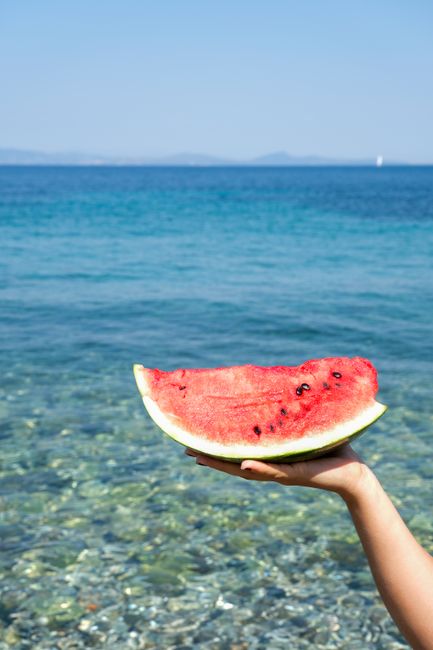
The Ultimate Guide to Refreshing Watermelon Jello with a Salty Twist: Flavor, Health, and Culinary Applications
The seemingly simple combination of watermelon jello and sea salt offers a surprisingly complex and delightful sensory experience. Far from being a mere novelty, this pairing leverages the inherent sweetness and hydrating properties of watermelon with the unique mineral profile and taste-enhancing capabilities of sea salt, all encapsulated in the jiggly, satisfying texture of jello. This article will delve deep into the science behind this intriguing flavor profile, explore its health benefits, and illuminate the myriad culinary applications that extend far beyond a simple dessert. We will dissect the components individually and then examine their synergistic interaction, providing readers with a comprehensive understanding of why this seemingly unusual combination works so exceptionally well.
Watermelon, the star of this concoction, is celebrated for its high water content, estimated to be around 92%, making it an exceptionally hydrating fruit. This water content is not just for hydration; it’s a crucial element in the creation of a light and refreshing jello. The natural sugars present in watermelon provide the foundational sweetness, eliminating or significantly reducing the need for added refined sugars, which is a major draw for health-conscious consumers. Beyond water and sugars, watermelon is a rich source of vitamins and minerals, most notably Vitamin C, a potent antioxidant crucial for immune function and skin health. It also contains lycopene, the carotenoid responsible for watermelon’s vibrant red hue, which is another powerful antioxidant linked to reduced risk of certain cancers and heart disease. Furthermore, watermelon provides potassium, important for blood pressure regulation, and citrulline, an amino acid that has been shown to improve athletic performance and cardiovascular health by promoting blood flow. When transformed into jello, these nutrients are largely preserved, offering a low-calorie, nutrient-dense treat. The process of making jello involves dissolving gelatin or agar-agar in liquid, and in this case, that liquid is watermelon juice, either freshly pressed or from a high-quality juice. The chilling process solidifies the liquid, creating the characteristic wobbly texture that is both visually appealing and texturally pleasing. The mild, inherently sweet flavor of watermelon jello serves as a perfect canvas for the introduction of a contrasting element.
Sea salt, often overlooked as merely a seasoning, plays a far more nuanced role when paired with sweet elements. Unlike table salt, which is typically refined and stripped of its natural minerals, sea salt, harvested from evaporated seawater, retains a diverse spectrum of trace minerals. These minerals, including magnesium, potassium, calcium, and iodine, contribute not only to a more complex flavor profile but also offer subtle health benefits. Magnesium, for instance, is essential for muscle and nerve function, energy production, and blood sugar control. Potassium aids in fluid balance and muscle contractions. The textural variations in sea salt, from fine grains to larger crystals, also contribute to the overall sensory experience, offering little pops of salinity that punctuate the sweetness. The primary function of sea salt in this context, however, is its ability to enhance and balance the sweetness of the watermelon jello. Salt, at a molecular level, interacts with our taste receptors in a way that amplifies sweet flavors, making them more vibrant and less cloying. This phenomenon is rooted in the way salt stimulates our umami receptors, which are also sensitive to sweetness, and how it reduces the perception of bitterness. By introducing a judicious amount of sea salt, the inherent sweetness of the watermelon jello is elevated, creating a more sophisticated and well-rounded flavor profile. The salt acts as a flavor enhancer, drawing out the natural fruity notes of the watermelon and preventing the jello from tasting one-dimensionally sweet.
The synergistic interaction between watermelon jello and sea salt is where the magic truly happens. This is a classic example of flavor layering, where contrasting tastes and textures create a more compelling and memorable experience. The cool, refreshing, and subtly sweet base of the watermelon jello provides a soothing foundation. The addition of sea salt introduces a sharp, savory counterpoint that cuts through the sweetness, preventing palate fatigue and adding an intriguing complexity. This interplay is akin to the popular combination of chocolate and sea salt, or salted caramel. The salt doesn’t just add a salty taste; it transforms the perception of the watermelon flavor, making it taste brighter, fruitier, and more nuanced. The texture of the jello, yielding and soft, is beautifully complemented by the occasional subtle crunch of a sea salt crystal, offering a delightful textural contrast. This complexity appeals to a broader range of palates, satisfying those who enjoy sweetness while also engaging those who appreciate savory elements. The hydration factor from the watermelon is further enhanced by the electrolytes present in sea salt, making this a truly revitalizing treat, especially in warmer climates or after physical activity. The mineral content of the sea salt, while present in small quantities, can also contribute to overall electrolyte balance, which is crucial for proper bodily functions.
The health benefits of this combination, when prepared with minimal or no added refined sugars, are significant. As previously mentioned, watermelon is a low-calorie, high-water, nutrient-dense fruit. By using fresh watermelon juice as the base for the jello, the consumer benefits from the vitamins, minerals, and antioxidants naturally present. The use of gelatin or agar-agar (a vegetarian and vegan alternative derived from seaweed) provides protein and can contribute to gut health. Gelatin contains amino acids like glycine and proline, which are important for connective tissue health, joint function, and skin elasticity. Agar-agar, being a type of fiber, can aid in digestion and promote satiety. The inclusion of sea salt, in moderate amounts, can help to replenish electrolytes lost through sweat, particularly important for athletes or individuals in hot environments. Furthermore, by enhancing the natural sweetness of the watermelon, sea salt reduces the reliance on added sugars, a major contributor to various health issues including obesity, type 2 diabetes, and cardiovascular disease. This makes watermelon jello with sea salt a healthier alternative to many commercially produced desserts and candies that are laden with refined sugars and artificial ingredients. The natural sugars in watermelon provide a quick energy boost, while the balanced sweetness with salt can help regulate blood sugar spikes compared to pure sugar consumption.
From a culinary perspective, watermelon jello with sea salt is remarkably versatile. It’s not just a standalone dessert. It can be a sophisticated component in a variety of dishes. For instance, it can be served as a refreshing palate cleanser between courses at a formal meal. Its delicate flavor and cooling properties make it ideal for this purpose. As a dessert, it can be elevated with garnishes like fresh mint leaves, a dollop of coconut cream, or even a scattering of toasted sesame seeds for an added nutty dimension. The visual appeal of the vibrant red jello, perhaps with a swirl of white coconut cream, is undeniable. Beyond desserts, consider its application in savory contexts. Small cubes of watermelon jello with sea salt can be incorporated into a deconstructed watermelon salad, adding a surprising burst of flavor and texture. Imagine a salad with grilled halloumi cheese, fresh arugula, and these little jewels of jello. They could also be used as a visually striking garnish for seafood dishes, particularly those with a hint of sweetness like seared scallops with a mango salsa. The salt in the jello would subtly complement the natural sweetness of the scallops. Another innovative use could be in cocktails. A small cube of watermelon jello with sea salt could be dropped into a prosecco or champagne cocktail, providing a delightful effervescent pop and a refreshing flavor infusion. The salt would also help to balance the sweetness of any accompanying liqueurs or syrups. For a truly avant-garde presentation, consider using the jello as a base for a savory panna cotta, incorporating herbs like basil or dill into the jello mixture and topping it with a prosciutto crisp. The possibilities are limited only by imagination.
The preparation of watermelon jello with sea salt is relatively straightforward, but attention to detail can elevate the final product. The quality of the watermelon is paramount. Opt for a ripe, sweet watermelon, ideally organic, to maximize natural flavor and nutrient content. For the jello base, fresh watermelon juice is preferable. This can be achieved by blending seedless watermelon chunks and straining the pulp through a fine-mesh sieve. If fresh juice is not available, a high-quality, 100% watermelon juice with no added sugars or artificial ingredients can be used. The choice of gelling agent is also important. Gelatin, derived from animal collagen, provides a classic jiggly texture. For a vegetarian or vegan option, agar-agar powder is an excellent substitute, though it typically requires a slightly different ratio and cooking method. The amount of sea salt is critical. It should be added judiciously, starting with a small pinch and tasting as you go. The goal is to enhance, not overpower, the watermelon flavor. Fine-grained sea salt will dissolve more readily, while larger crystals will provide a more pronounced textural contrast. The chilling time is also essential for achieving the correct consistency. Over-chilling can lead to a very firm, rubbery texture, while under-chilling will result in a liquid or semi-liquid state. Experimentation with ratios and chilling times will yield the perfect result for individual preference. When considering the salt, it’s important to note the specific type of sea salt. Maldon sea salt flakes, for example, offer a delicate crunch and a pure salty flavor, while fleur de sel provides a more nuanced mineral profile.
The growing interest in healthy eating and unique flavor combinations positions watermelon jello with sea salt as a product with significant market potential. Consumers are increasingly seeking out natural, minimally processed foods that offer both nutritional benefits and exciting taste experiences. This product aligns perfectly with these trends. Its inherent appeal as a refreshing, low-calorie dessert or snack is amplified by its novel flavor profile and perceived health benefits. From a commercial perspective, the ingredients are readily available and relatively inexpensive, making it a cost-effective product to produce. The visual appeal of the vibrant red jello also lends itself well to marketing and social media sharing. Furthermore, the versatility of the product opens up opportunities for various product lines, such as individual servings, larger family-sized portions, or even as an ingredient in other food products. For those looking to cater to specific dietary needs, the product is naturally gluten-free and can be made dairy-free by using coconut cream or other plant-based alternatives for garnishes. Its appeal spans across age groups, from children who will enjoy the fun texture to adults who will appreciate the sophisticated flavor balance and healthier profile. The trend towards "functional foods," which offer health benefits beyond basic nutrition, could also be explored with this product, perhaps by incorporating additional beneficial ingredients like chia seeds or probiotics.
In conclusion, watermelon jello with sea salt is a testament to the power of thoughtful flavor pairing and the inherent deliciousness of natural ingredients. It transcends the typical expectations of jello, offering a sophisticated, refreshing, and health-conscious treat. The interplay of sweet watermelon, mineral-rich sea salt, and the satisfying texture of jello creates a sensory symphony that is both invigorating and delightful. Its health benefits, stemming from the natural goodness of watermelon and the electrolyte-balancing properties of sea salt, make it a guilt-free indulgence. The culinary applications are vast, demonstrating its potential to be more than just a dessert. As consumers continue to seek out innovative, healthy, and delicious food options, watermelon jello with sea salt is poised to become a cherished staple, a simple yet profound culinary creation that proves that sometimes, the most extraordinary flavors are found in the most unexpected combinations. Its appeal lies in its simplicity, its healthfulness, and its ability to surprise and delight the palate, making it a truly memorable and satisfying treat for any occasion.

