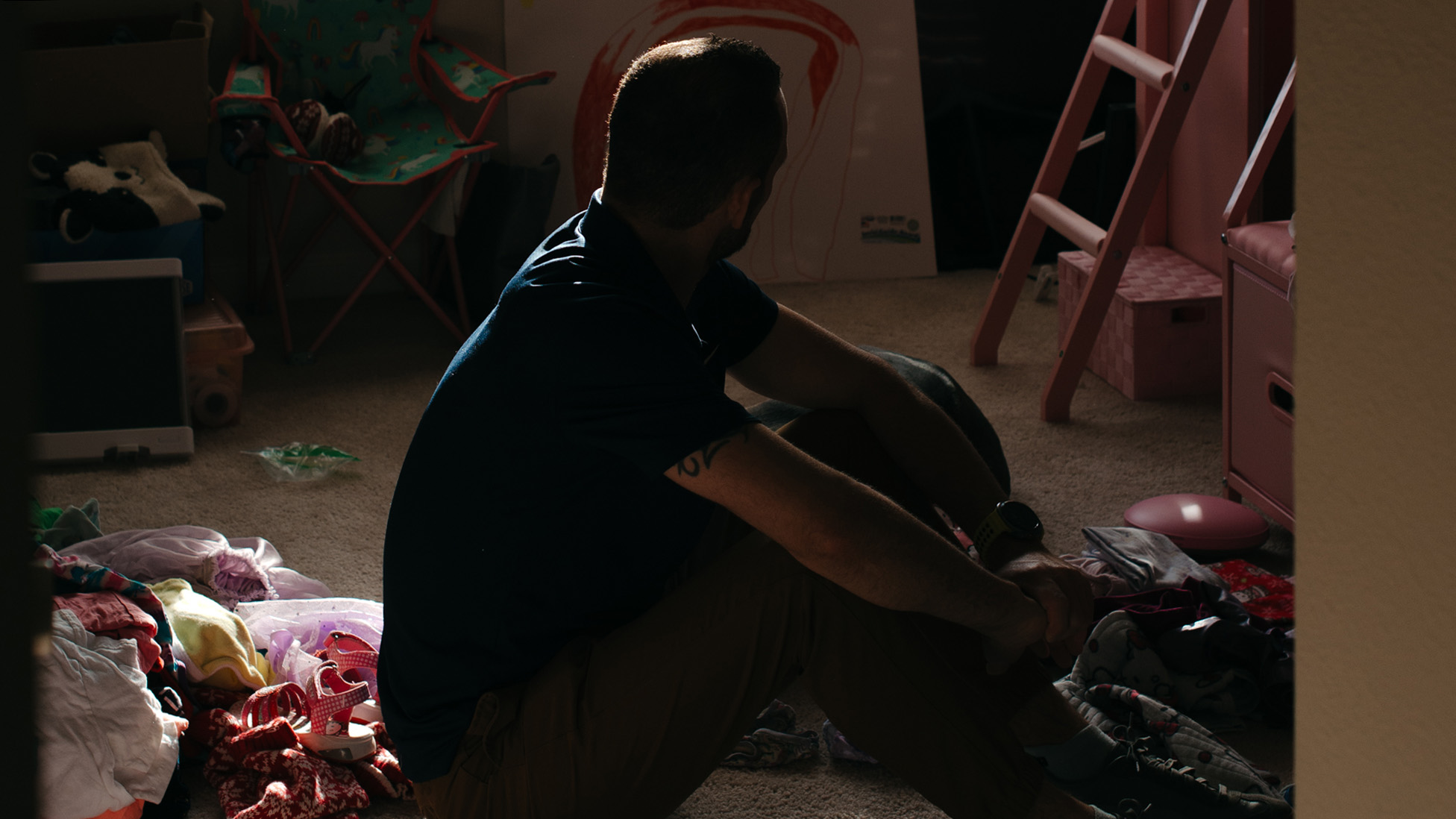
As Hurricane Helene tore through the rugged terrain of western North Carolina in September 2024, the immediate devastation was measured in fallen timber and rising rivers. For Devon, a 41-year-old Iraq War veteran living in Asheville, the catastrophe was not merely an environmental disaster but a profound psychological trigger. As the storm rattled his windows and snapped 20 pine trees on his property like matchsticks, the sounds of destruction transported him back to the Middle East. Inside his home, his wife and five-year-old daughter huddled in a closet, but Devon was mentally elsewhere, reliving the combat trauma he had spent nearly two decades trying to suppress.
Devon’s story is a harrowing microcosm of a burgeoning crisis in the Appalachian region: the intersection of climate change-driven disasters and the ongoing struggle against substance use disorder (SUD). For those in recovery, the stability of routine—meetings, therapy, and reliable access to medication—is the primary defense against relapse. When a hurricane or flood destroys the infrastructure supporting that routine, the results can be fatal.
The Landscape of Vulnerability in Appalachia
The Appalachian region, a 13-state expanse stretching from New York to Mississippi, has long been the epicenter of the American opioid crisis. While national trends have shown slight fluctuations in overdose rates, the mortality rate for people in their prime working years in Appalachian counties remains 52 percent higher than the national average. This disparity is driven by a complex tapestry of limited healthcare access, economic stagnation, and the physical demands of regional industries like mining and timber.
In Buncombe County, North Carolina, which includes Asheville, the overdose mortality rate stood at more than 36 per 100,000 residents as of 2022. For residents like Devon, who moved to the mountains from Florida in 2019 to escape a cycle of heroin and cocaine addiction, the region offered a robust recovery community. However, the arrival of Hurricane Helene exposed the fragility of the support systems that thousands rely on to stay alive.
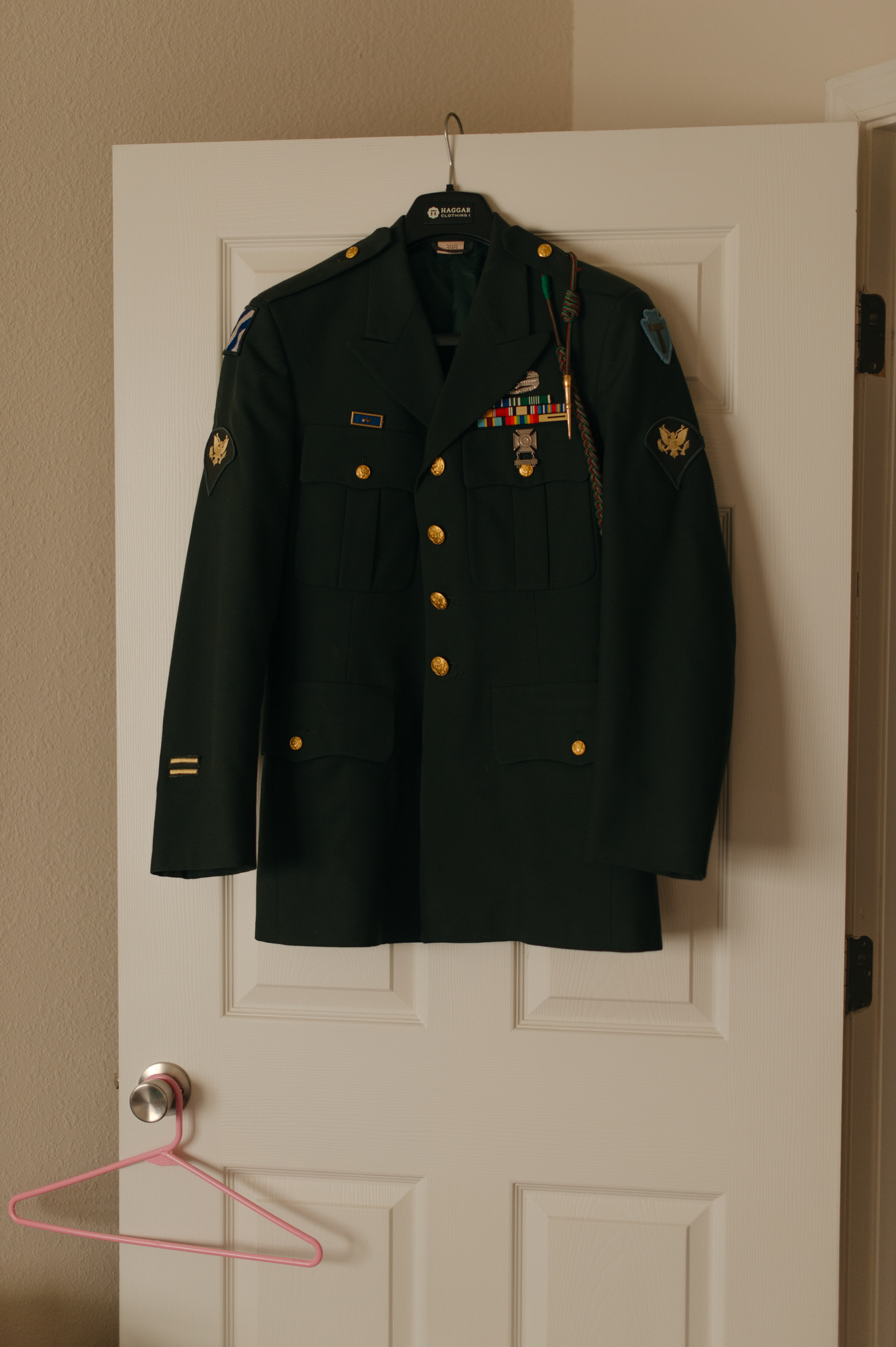
Devon had returned from Iraq in 2006 with post-traumatic stress disorder (PTSD) and a traumatic brain injury (TBI). His path to numbing the pain led from prescription pills to heroin. By the time he reached Asheville, he had survived multiple near-fatal overdoses. Through Narcotics Anonymous (NA) and the use of Suboxone—a medication-assisted treatment (MAT) that curbs cravings—he had built a stable life. But as the storm fractured the city’s physical landscape, it also splintered the "scaffolding" of his recovery.

The Mechanics of Relapse Following Natural Disasters
Sociologists and public health researchers have long noted a correlation between natural disasters and spikes in substance misuse. Kristina Brant, a sociologist at Penn State University, has documented that communities experiencing significant flooding often see an increase in overdose deaths that can persist for a decade. The trauma of loss, combined with the displacement of social networks, creates a vacuum that drugs often fill.
Data from Hurricane Katrina in 2005 revealed that annual hospitalizations for substance use disorders jumped by 30 percent in the years following the storm. This "invisible harm" is particularly acute in rural areas where "redundancies" do not exist. In a major city, if one clinic closes, another might be a bus ride away. In Appalachia, the next available provider might be two counties over, across roads that have been washed away or blocked by landslides.
"When you factor in a disaster like Helene where infrastructure is impacted, we are amplifying existing barriers a billion-fold," says Erin Major, a doctoral candidate at Boston University specializing in Appalachian health services. For many patients, the physical impossibility of reaching a pharmacy for a Suboxone refill or attending an NA meeting becomes the catalyst for a return to illicit drug use.
The Chronology of a Fraying Safety Net
The timeline of Devon’s experience illustrates the slow-motion collapse that follows the initial shock of a storm. In the immediate aftermath, a "honeymoon phase" often occurs—a period of intense social cohesion where neighbors help neighbors. Devon spent weeks clearing debris and delivering supplies to harder-hit areas, using his recovery principles of service to stay grounded.
However, as the months progressed, the adrenaline of survival was replaced by the crushing weight of financial and emotional loss. The Federal Emergency Management Agency (FEMA) provided a $750 emergency stipend, but Devon’s family had already spent $20,000 on immediate home repairs. Despite having insurance, the financial strain forced them to sell their home for $30,000 less than its value.
The compounding stress fractured Devon’s marriage. In North Carolina, divorce requires a one-year separation period, forcing Devon into a hotel room. Alone and spiritually adrift, his 12-step meetings had moved online—a format he found lacked the vital human connection of in-person "home groups." By the summer of 2025, the veteran who had fought through war and addiction found himself suicidal.
Systemic Failures and Incarceration
The crisis is further exacerbated by the intersection of disaster displacement and the legal system. Cordelia Stearns, Chief Medical Officer at High Country Community Health, notes that for many patients, the loss of housing is the first step toward incarceration. She cites the case of a patient who, after losing his home to Helene, lived in a shed and was eventually jailed for non-violent drug offenses after losing contact with his clinic.
"Access to medications like Suboxone or methadone often depends on the policies of individual jails," Stearns explains. When a disaster displaces an individual, they often lose the documentation or the communication channels required to prove they are in a supervised treatment program. This leads to a cycle of withdrawal, relapse, and criminalization that is difficult to break.
In Buncombe County, the Post-Overdose Response Team (PORT) attempted to bridge these gaps. Community health workers like Brandi Hayes navigated mud-caked streets to check on survivors. Hayes recalls a patient who had regained his driver’s license and stability before the storm, only to "fall off the map" after the trauma of Helene. "It’s very easy to backslide," Hayes says, noting that many patients simply disappear into the chaos of displacement.
Lessons from the 2022 Kentucky Floods
The patterns seen in North Carolina mirror those from the 2022 floods in eastern Kentucky. Jeremy Haney, a luthier in recovery, lost his home and his workplace when the Kentucky River overflowed. For Haney, the "recovery-to-work" program he was enrolled in saved his life. His employer found funding to pay the recovery cohort to perform disaster relief work, ensuring they didn’t miss a paycheck or lose their sense of purpose.
"I’ve put all this work into rebuilding my life, and now I’m going to have to start all over again," Haney recalled thinking. It took three years and a unique state-funded housing program for flood survivors for Haney to find permanent housing. His success was predicated on a support network that remained intact—a luxury many in western North Carolina currently lack.
Broader Implications and the Path Forward
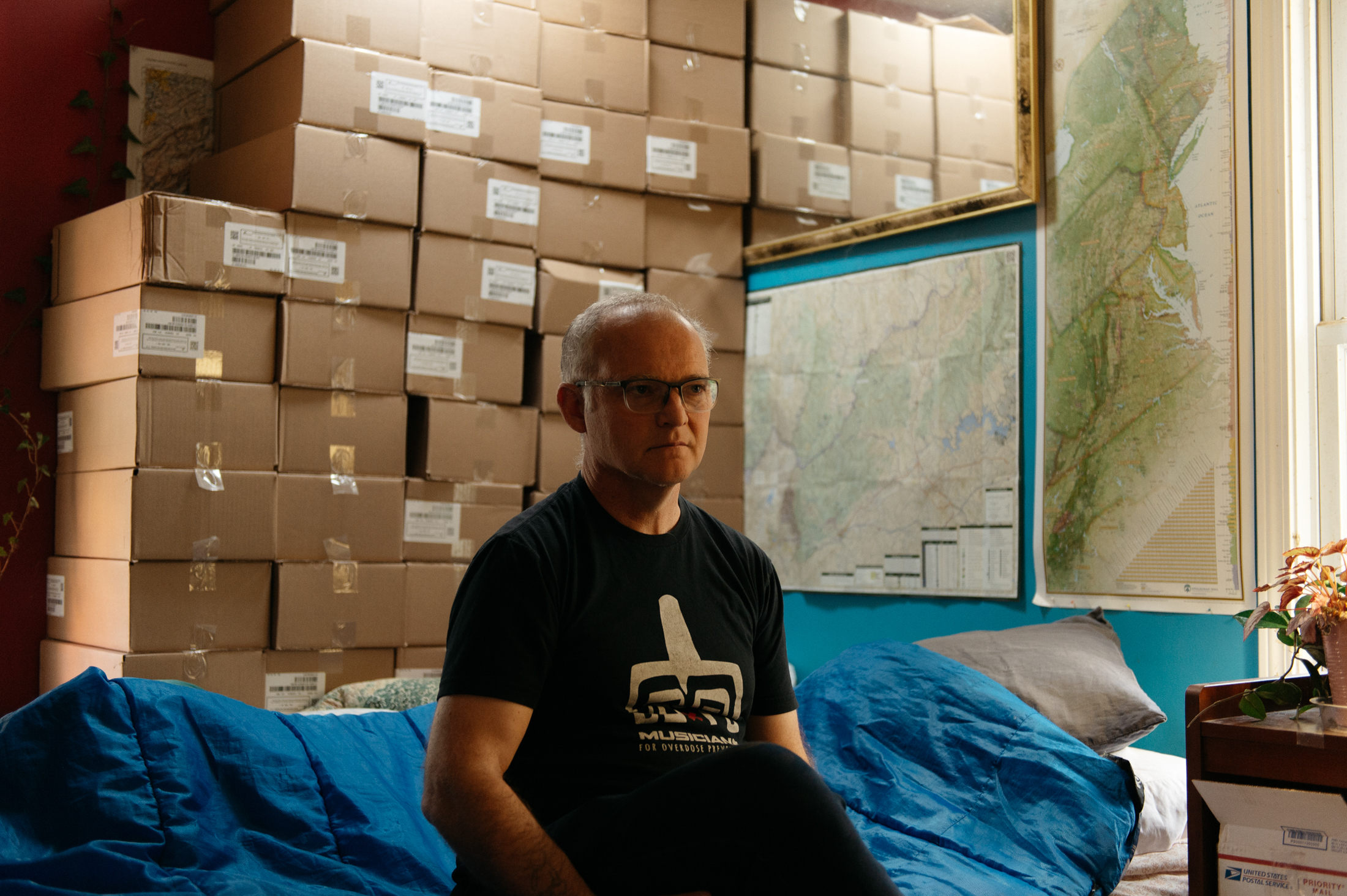
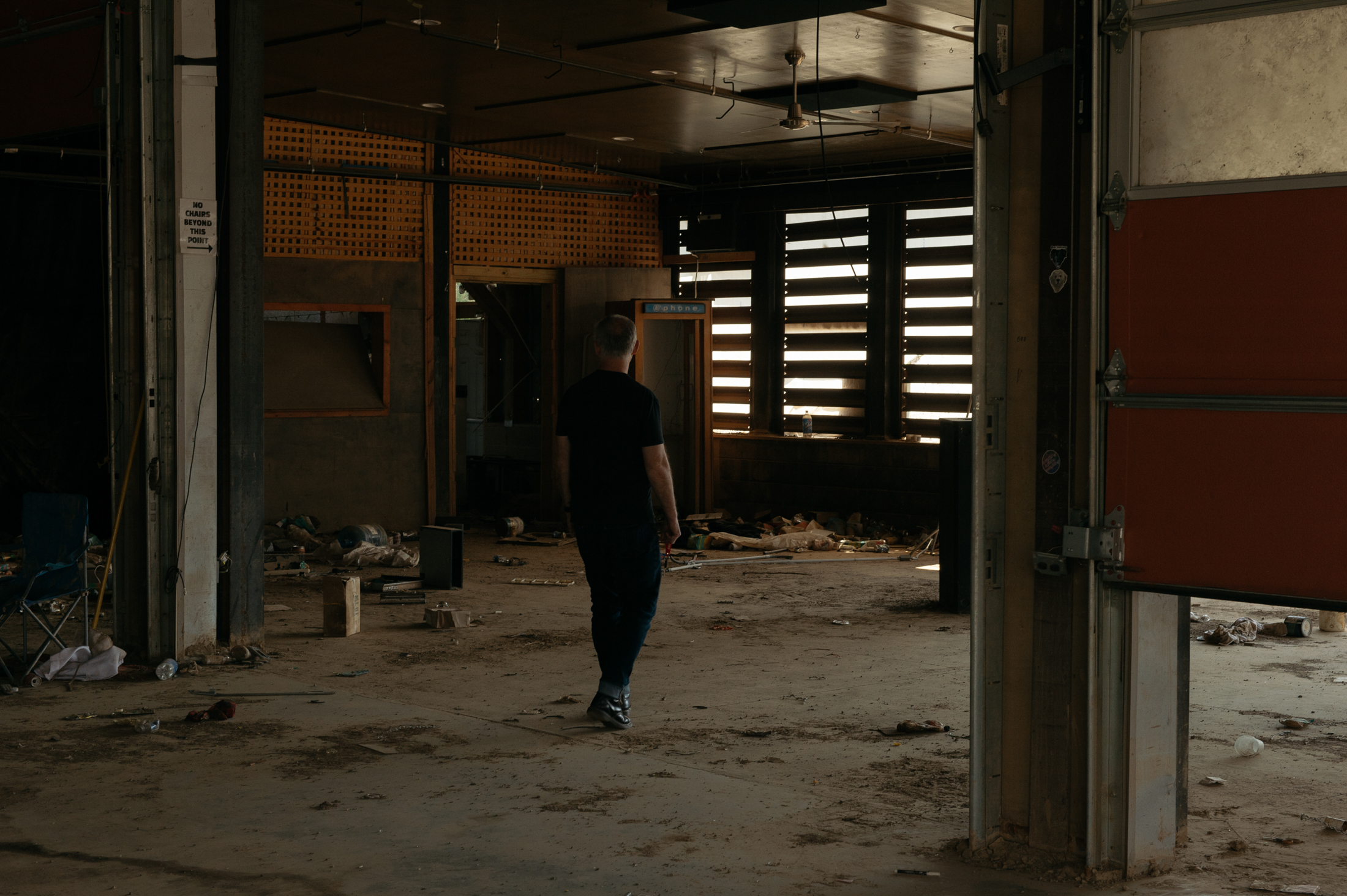
The long-term impact of Hurricane Helene on the Appalachian drug crisis is only beginning to be understood. Research indicates that hurricanes can cause excess mortality for as long as 15 years after the event. In Swannanoa, a working-class town outside Asheville, the closure of music venues and community centers has eliminated "third places" where residents once checked on one another. John Kennedy, a harm reduction advocate with Musicians for Overdose Prevention, notes that the loss of these congregation spots likely means more people are using drugs in isolation, significantly increasing the risk of fatal overdoses.
To mitigate these risks, public health experts advocate for several systemic changes:
- Low-Barrier Shelters: Ensuring that disaster shelters do not have abstinence requirements that turn away those actively using drugs.
- MOUD Continuity: Establishing emergency protocols that allow pharmacies to dispense medications for opioid use disorder (MOUD) even when electronic records are down.
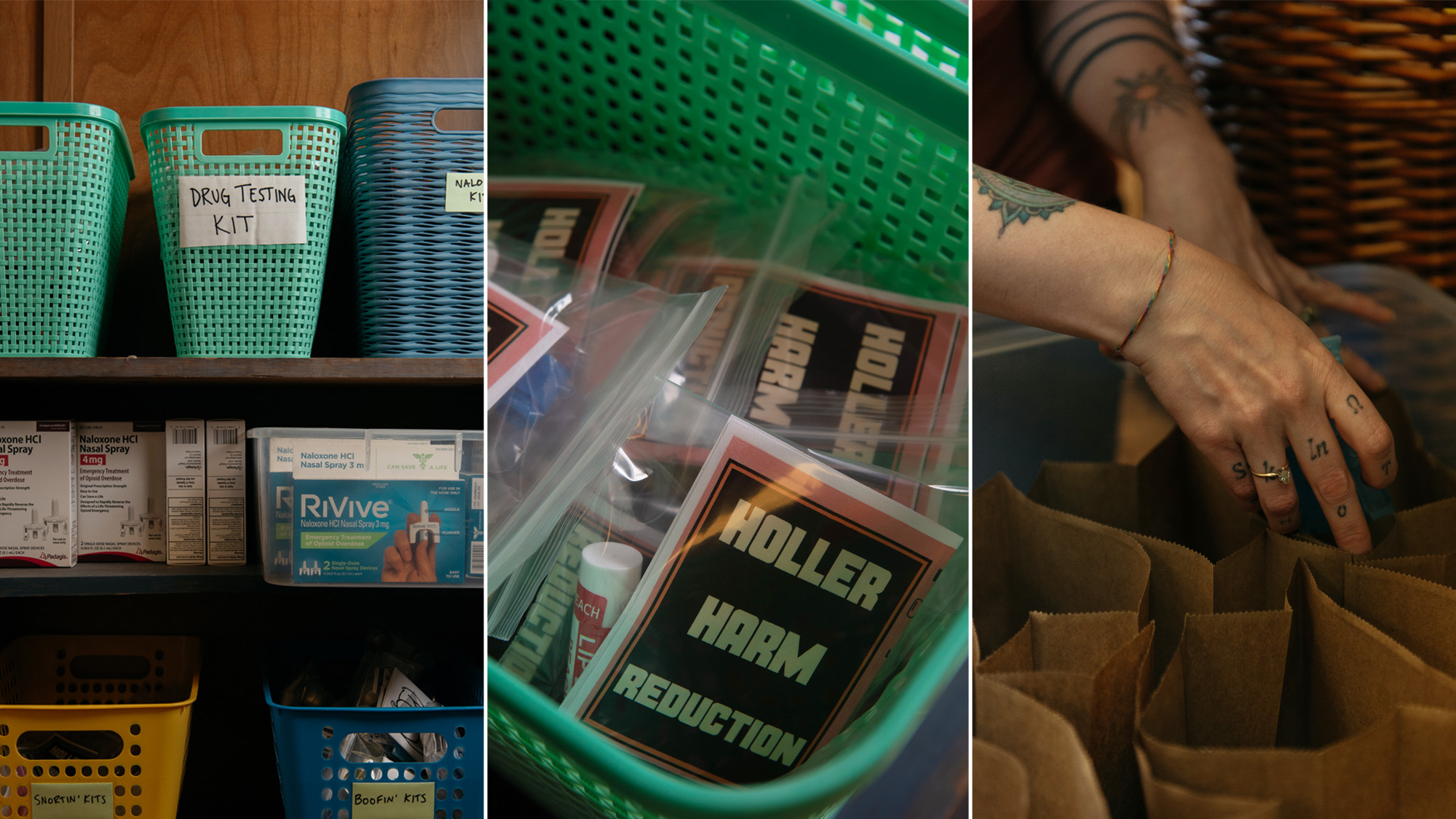
- Harm Reduction Integration: Training disaster volunteers in the administration of naloxone (Narcan) and the recognition of overdose symptoms.
For Devon, the path forward remains a day-by-day struggle. He has returned to individual therapy and leads weekly recovery meetings, finding purpose in his role as a father. While he has lost his home and his marriage, he has not lost his sobriety—a testament to the resilience of those in recovery, even when the world around them is quite literally washing away.
As climate change increases the frequency and severity of storms in inland Appalachia, the region’s ability to weave a more durable safety net will determine the fate of thousands. The story of Hurricane Helene is a reminder that in the wake of a disaster, the most critical infrastructure is often the human connection that keeps a person tethered to hope.