
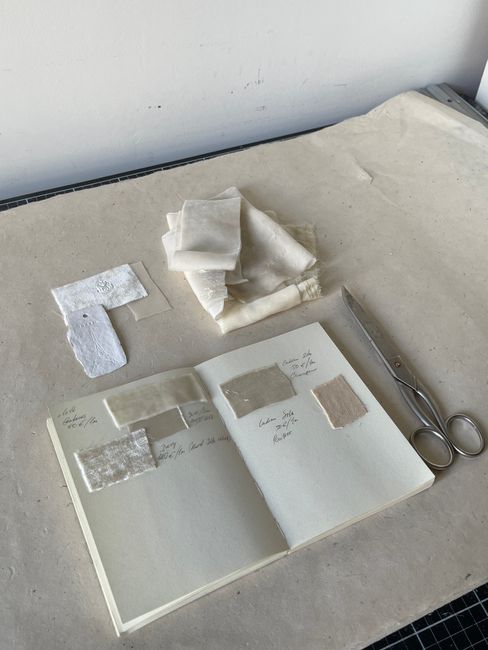
Crafting Your Custom Lace Patterned Notebook: A Step-by-Step Guide to Elegant DIY Journaling
Creating a lace patterned notebook offers a sophisticated and personalized way to journal, sketch, or take notes. This guide provides a comprehensive, SEO-friendly approach to making your own unique lace adorned journals. We will explore various techniques, material considerations, and design possibilities, ensuring you can achieve a professional-looking result even with limited crafting experience. The focus is on delivering clear, actionable instructions for readers searching for "DIY lace notebook," "how to make a patterned journal," "personalized notebook ideas," or "crafting with lace."
To begin, gather your essential materials. You will need a plain, unadorned notebook. Hardcover notebooks are generally more durable and provide a sturdier base for embellishments, but softcover options can also work with careful application. Consider the size and binding style that best suits your needs – a spiral-bound notebook offers lay-flat convenience, while a stitched or glued binding can present a more seamless cover. Next, select your lace. Lace comes in a vast array of materials, patterns, and colors. Cotton lace, often found in intricate floral or geometric designs, is a popular choice for its texture and vintage appeal. Synthetic laces can offer more durability and a wider range of colors and finishes, including metallic threads. You can source lace from fabric stores, craft suppliers, or even by repurposing vintage garments or doilies. For adhesive, a strong, flexible glue is crucial. Mod Podge, available in various finishes (matte, gloss, glitter), is an excellent all-purpose choice for adhering fabric and paper to surfaces. For a more robust hold, consider fabric glue or a strong craft adhesive, especially if you plan to handle the notebook frequently. Scissors are essential for cutting the lace to size. A craft knife and cutting mat can offer more precision for intricate lace patterns. An old credit card or a brayer is useful for smoothing out air bubbles and ensuring even adhesion. Finally, consider a sealant or topcoat to protect your finished design. Mod Podge in a matte or gloss finish serves this purpose well, adding durability and a cohesive look.
The foundation of your lace patterned notebook lies in preparing the notebook cover. For hardcover notebooks, a smooth, clean surface is paramount. If your notebook has a glossy finish, consider lightly sanding it with fine-grit sandpaper (around 220-grit) to create a slightly roughened texture for better glue adhesion. Wipe away any dust with a damp cloth and allow it to dry completely. If you are using a notebook with a printed or textured cover that you wish to conceal, you can opt to cover the entire notebook first with a plain paper or cardstock using Mod Podge. This creates a neutral canvas for your lace design. Measure the dimensions of your notebook cover, including the spine, and cut your chosen base material to fit. Apply a thin, even layer of Mod Podge to the notebook cover, working in sections. Carefully lay the paper or cardstock onto the glued surface, smoothing out any wrinkles or air bubbles with your credit card or brayer, working from the center outwards. Allow this base layer to dry completely before proceeding. This step is particularly important if you are using a very thin or translucent lace, as the underlying cover design might show through.
Now, let’s delve into applying the lace itself. This is where your creativity truly shines. You can choose to cover the entire notebook with lace, create a specific pattern or motif, or use lace as an accent. For full coverage, cut your lace into manageable sections that align with the notebook’s dimensions. Apply a liberal but even coat of Mod Podge to a section of the notebook cover. Carefully place the lace onto the glued area, gently pressing it down to ensure it adheres. Use your credit card or brayer to smooth out any wrinkles or air bubbles. Work in sections, overlapping the edges of the lace slightly to create a seamless appearance. Pay close attention to the edges and corners, ensuring they are well-adhered. If you encounter particularly delicate areas of lace, a fine-tipped brush can be helpful for applying glue precisely. For a more intricate design, such as a floral arrangement or a geometric pattern, cut individual pieces of lace and strategically place them onto the cover. You can layer different types of lace for added dimension and visual interest. Consider creating a border around the edge of the notebook cover with a delicate lace trim. Another popular technique involves using a single, larger piece of lace as a stencil. Apply Mod Podge to the notebook cover, then lay the lace down. Once the Mod Podge is dry, you can carefully peel away the lace, leaving a lace imprint on the cover. This method creates a subtle, ghosted lace effect.
When working with delicate lace, particularly very fine or intricate designs, a bit of extra care is needed. If the lace is prone to fraying, consider applying a small amount of clear nail polish or fabric stiffener to the edges before cutting. This will help to prevent unraveling. For lace with large open spaces, you might find it beneficial to apply a layer of Mod Podge to the back of the lace piece before placing it on the notebook. This reinforces the structure and makes it easier to handle. If you’re aiming for a specific color palette, you can also dye your lace before applying it. Natural fibers like cotton and linen dye beautifully. Use fabric dyes according to the package instructions, and ensure the lace is completely dry before proceeding with application. Alternatively, you can paint over the lace once it’s adhered to the notebook. This can be done with acrylic paints, either covering the lace entirely for a uniform color or dry-brushing to highlight its texture.
Once your lace is firmly adhered and any additional embellishments are in place, it’s time for sealing and finishing. This step is crucial for protecting your work and giving your notebook a professional sheen. Apply one or more thin, even coats of Mod Podge over the entire lace-covered surface. Again, use your credit card or brayer to ensure an even application and to smooth out any potential brush strokes or air bubbles. Allow each coat to dry completely before applying the next. The number of coats will depend on the desired level of protection and finish. For a matte finish, a few coats of Mod Podge Matte should suffice. For a glossy, protected look, opt for Mod Podge Gloss. You can even mix and match finishes for a unique effect, for example, a matte base with gloss highlights on the lace. Once the final coat of Mod Podge has dried thoroughly, your lace patterned notebook is complete and ready for use.
Beyond the basic application, consider enhancing your lace patterned notebook with additional decorative elements. Ribbons are a natural complement to lace. You can glue a ribbon around the spine of the notebook or create a ribbon closure that wraps around the cover. Charms, beads, or small pendants can be attached to the ribbons or directly to the cover using strong craft glue for an extra touch of personalization. For a more vintage feel, consider incorporating old stamps, ephemera, or even snippets of old letters onto the cover, either before or after applying the lace. These can be adhered with Mod Podge and then sealed over. If you want to create a cohesive look, you can extend the lace pattern to the inside covers of the notebook. Simply cut and adhere lace to the inside of the front and back covers before attaching them to the notebook’s binding. Another creative option is to use lace as a stencil for paint. Apply Mod Podge to the notebook cover, lay the lace down, and once the Mod Podge is dry, carefully peel away the lace, leaving a subtle lace imprint. You can then paint over this imprint to create a striking visual effect.
For those who prefer a more subtle lace integration, consider using lace as a subtle texture within a painted or decoupaged design. For instance, you could paint the notebook cover in a solid color, let it dry, then apply a layer of Mod Podge and strategically place small pieces of lace before applying a final sealant. This creates a textured overlay without overwhelming the primary design. Alternatively, you could use lace as a border or accent around a central image or photograph. The versatility of lace in crafting allows for endless creative possibilities. Experiment with different types of lace, such as embroidered lace, guipure lace, or even crocheted lace doilies, to achieve unique textures and aesthetics. Each type of lace will interact with the adhesive and sealant differently, so be prepared to adjust your technique accordingly. For instance, heavier, stiffer lace might require a stronger adhesive, while very delicate, fine lace might benefit from a lighter touch and a more flexible glue.
Cleaning and maintaining your lace patterned notebook is straightforward. Avoid exposing it to excessive moisture or direct sunlight, which can cause the adhesive and lace to degrade over time. If the cover becomes dusty, gently wipe it with a dry, soft cloth. For minor smudges, a slightly damp cloth can be used, but be sure to dry the area immediately. The Mod Podge sealant provides a good level of protection, but it’s always best to handle your handcrafted items with care to ensure their longevity. When storing your notebook, avoid placing heavy objects on top of it, as this could crush the lace or damage the cover. Proper care will ensure your beautifully crafted lace patterned notebook remains a cherished item for years to come, a testament to your creativity and attention to detail. The search terms "DIY notebook cover," "journal decorating ideas," "lace crafts," and "personalized gifts" will likely lead individuals to this comprehensive guide, highlighting the accessible and rewarding nature of this craft.

