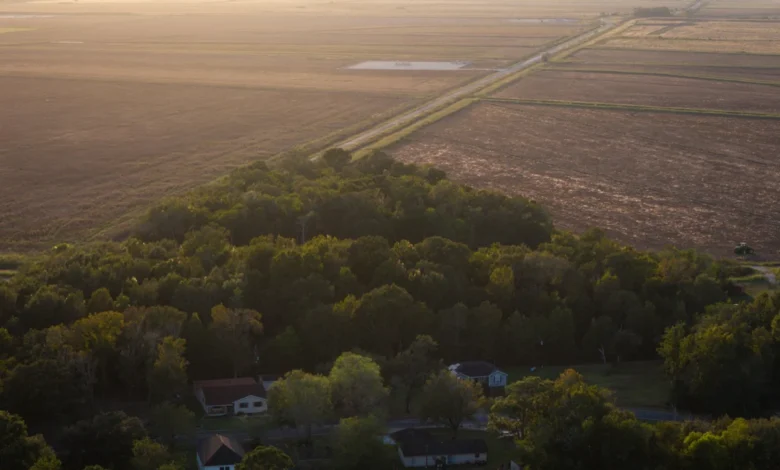
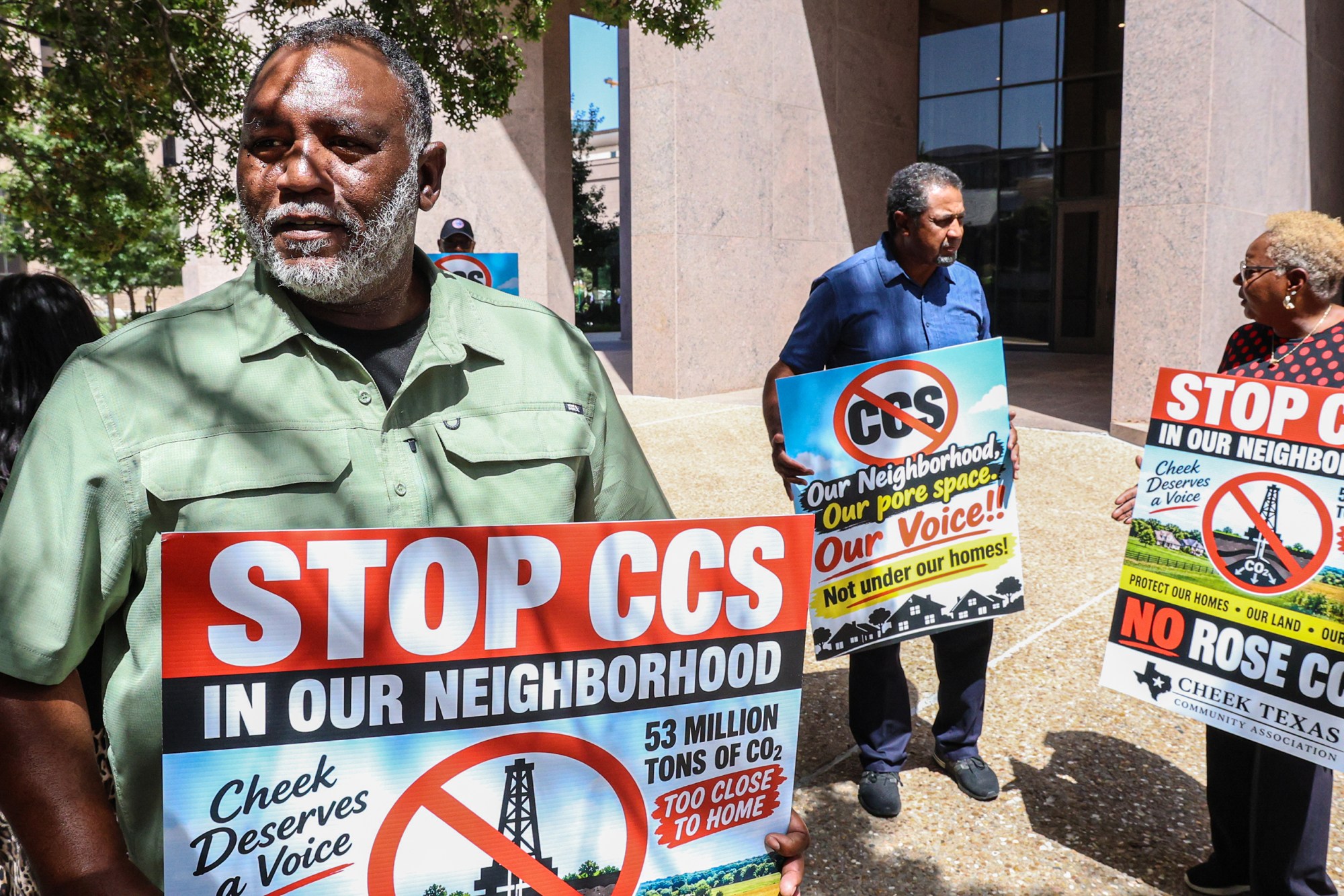
On a quiet, rural stretch of land outside Beaumont, Texas, a high-stakes industrial experiment is unfolding that could redefine the state’s energy future while simultaneously triggering a fierce battle over environmental justice. Exxon Mobil is currently preparing to initiate the first commercial-scale carbon capture and storage (CCS) project in Texas to be permitted under newly acquired state authority, aiming to inject millions of tons of carbon dioxide deep underground to keep the greenhouse gas from entering the atmosphere. While state officials and industry leaders herald the project as a critical milestone in the transition toward a lower-carbon economy, residents of the predominantly Black, working-class community of Cheek are pushing back, arguing that they are being forced to serve as involuntary test subjects for a technology they fear is untested and potentially hazardous to their groundwater and public safety.
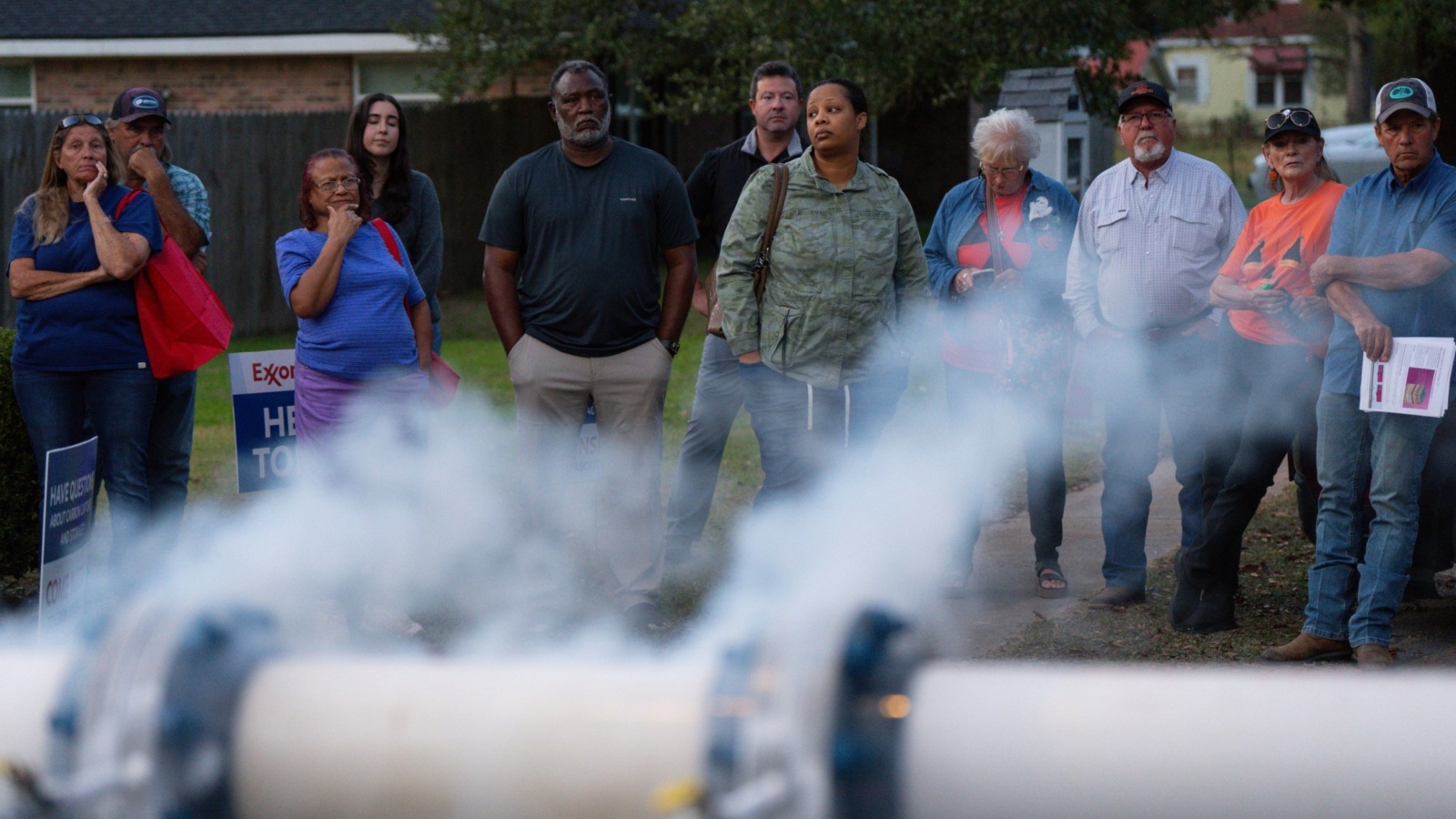
The project, which has been granted a permit by the Texas Railroad Commission (RRC), represents the culmination of a long-term strategic push by the Texas oil and gas industry to establish the state as a global hub for carbon management. CCS technology, which captures emissions at their source and pumps them into deep geologic formations, is viewed by many industry analysts and state lawmakers as an essential component of an "all-of-the-above" energy strategy. However, the controversy surrounding the "Rose" project in Jefferson County—and a second, similar project named "Sunflower" nearby—highlights the widening gap between corporate climate goals and the localized concerns of the communities where this infrastructure is physically located.
A Chronology of Regulatory Shift and Community Dissent
The path to this moment began more than a decade ago, rooted in a legislative push to modernize Texas energy regulations. In 2009, the Texas Legislature passed Senate Bill 1387, which authorized the Railroad Commission to design a regulatory framework for carbon storage wells that would satisfy federal oversight requirements. For years, the RRC—the state’s primary regulator for the oil and gas industry—worked to secure "primacy" from the Environmental Protection Agency (EPA). This authority, finally granted in late 2025, allows the state to bypass federal review and issue permits for Class VI injection wells, which are specifically designed for long-term carbon sequestration.
The timeline of the current conflict accelerated rapidly throughout 2025 and 2026:
- February 2025: The RRC intensifies its push for federal permitting authority, citing the need to speed up the approval process for a growing backlog of CCS applications.
- July 2025: During an EPA virtual hearing, the Texas Oil and Gas Association testifies that carbon capture is vital for the state’s economic future. Simultaneously, the Cheek Texas Community Association, represented by Earthjustice, begins formally challenging the proposed Exxon Mobil permit.
- March 2026: A state administrative hearing is held to adjudicate the community’s concerns, with opponents arguing that the monitoring area for the wells is insufficient and the safety protocols are inadequate.
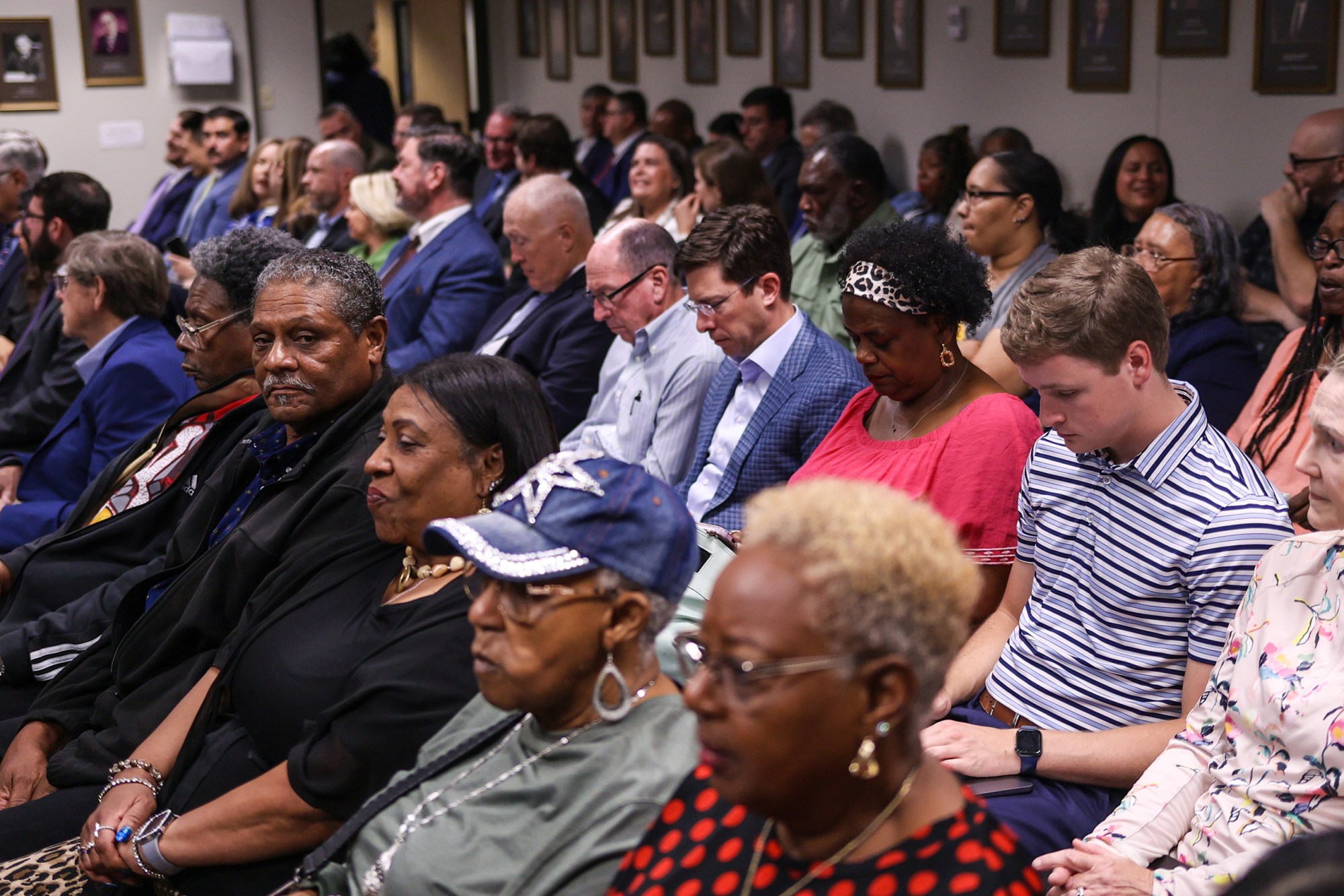
- September 2026: The Railroad Commission officially approves the Exxon Mobil permit, despite vocal protests from residents who traveled to Austin to testify.
- October 2026: Public hearings begin for the "Sunflower" project near Nome, as the industry moves forward with its expansion plans.
The Technical and Safety Debate
The core of the dispute lies in the physical nature of carbon dioxide storage. Exxon Mobil intends to compress the gas into a supercritical, "almost liquid" state and force it thousands of feet beneath the surface into permeable rock layers, where it is expected to dissolve into saline aquifers or remain trapped in porous rock. While supporters cite studies from institutions like Texas A&M, which suggest a "low probability of occurrence" for leaks, opponents point to significant historical failures in other states.
In 2020, a carbon dioxide pipeline rupture in Satartia, Mississippi, caused by a landslide, resulted in a localized vapor cloud that sickened dozens of residents and required mass hospitalizations. A federal investigation by the Pipeline and Hazardous Materials Safety Administration (PHMSA) concluded that emergency responders were entirely unprepared for the event, as they had not been briefed on the specific risks associated with high-pressure CO2 releases. In Illinois, another facility faced scrutiny after monitoring wells detected that carbon was migrating into "unauthorized zones" underground—a reality that, according to local reports, was only communicated to the public long after the fact.
These incidents have fueled a deep-seated distrust in Cheek. Douglas Cormier, president of the Cheek Texas Community Association, has expressed disbelief that such a project would be placed in such close proximity to homes, churches, and farmland. Residents are particularly concerned about the potential for groundwater acidification, which, according to research from the Lawrence Berkeley National Laboratory, could leach metals and chemicals from the rock into local drinking water—a form of contamination that could be permanent and costly to remediate.
Official Responses and the Corporate Stance
Exxon Mobil has consistently maintained that its projects are safe, pointing to rigorous monitoring, automated shut-off systems, and active engagement with emergency services. Senior Vice President Dominic Genetti has characterized the company’s approach as one of open communication and safety-first operations. Furthermore, the company has sponsored training programs through the Texas A&M Engineering Extension Service to prepare local first responders for potential incidents.
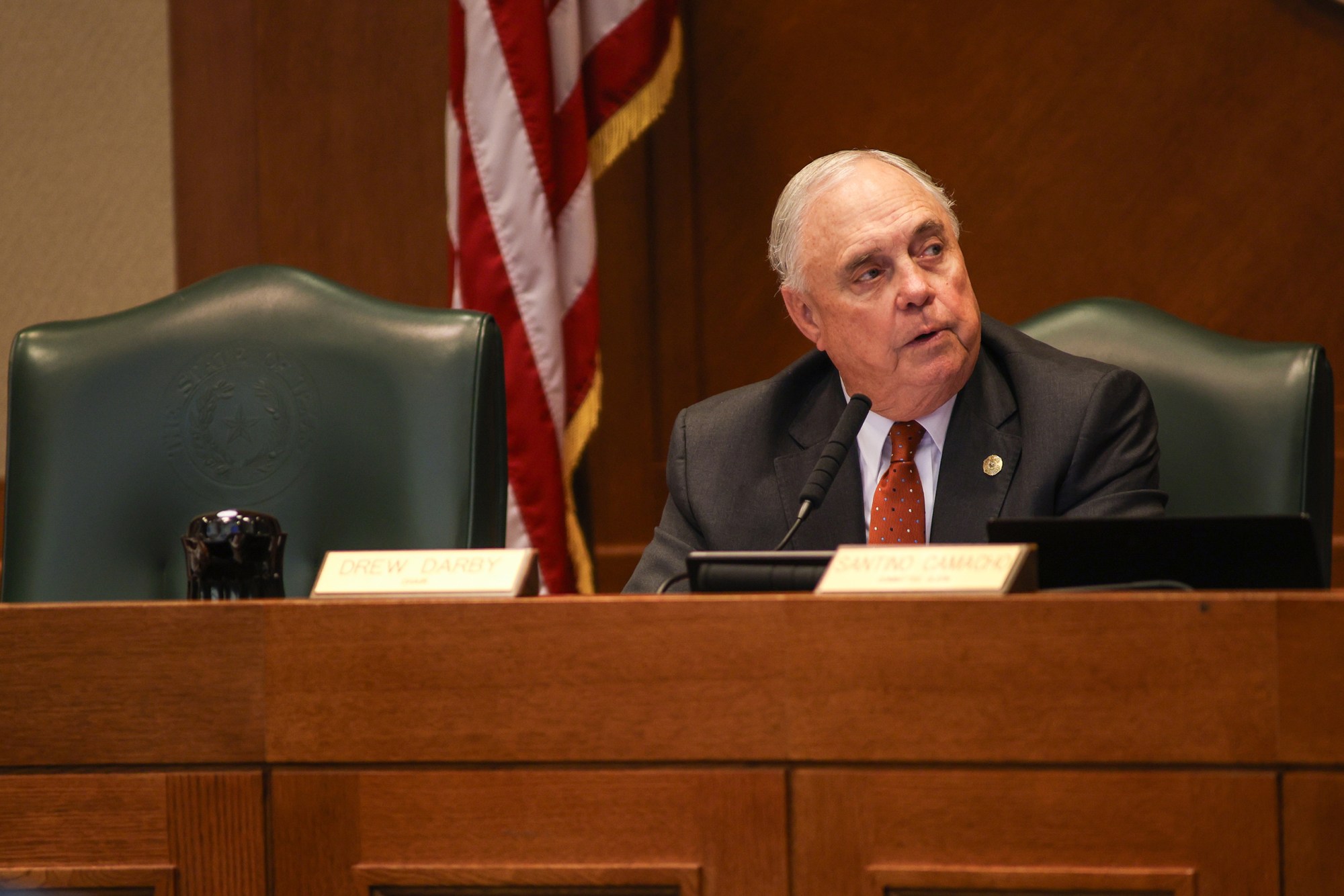
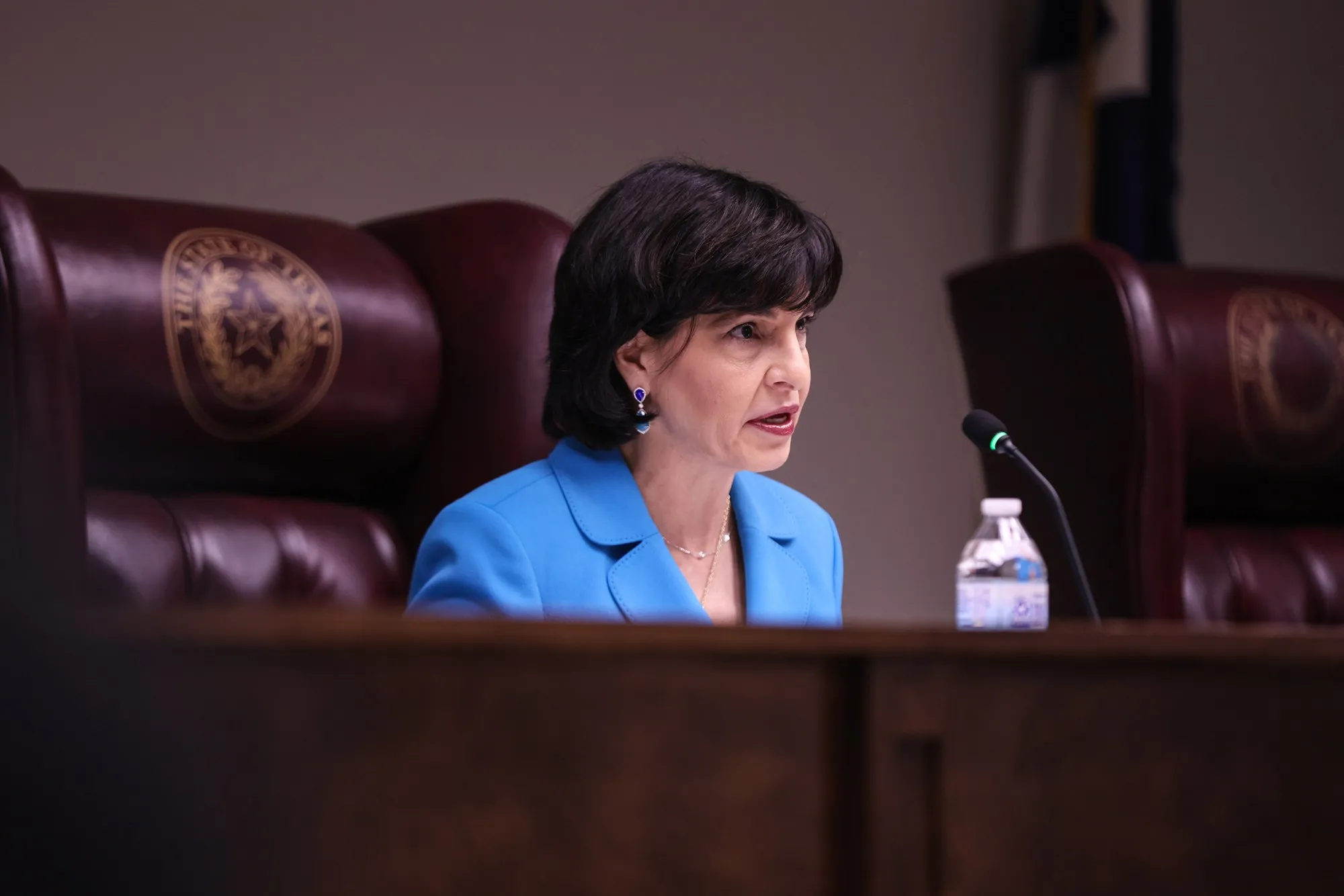
The Railroad Commission’s leadership, however, has faced its own internal divisions. While Chairwoman Christi Craddick has ultimately supported the permits, she publicly scolded Exxon Mobil during the September hearing for failing to adequately support the community after residents hired legal counsel. "Give them information," she told company representatives. "Be there for their safety. Give ’em a fire truck if that’s what they want."
Conversely, Commissioner Wayne Christian has emerged as an outspoken opponent of the current regulatory framework, though his opposition is rooted in a different ideological position; he has questioned the necessity of CCS based on his own rejection of mainstream climate science, arguing that CO2 is beneficial for plant life. Meanwhile, newly elected Commissioner Jon Rosenthal has signaled a different approach, expressing support for the state’s regulatory role but emphasizing the need for higher standards of public transparency and safety.
Implications of Environmental Justice
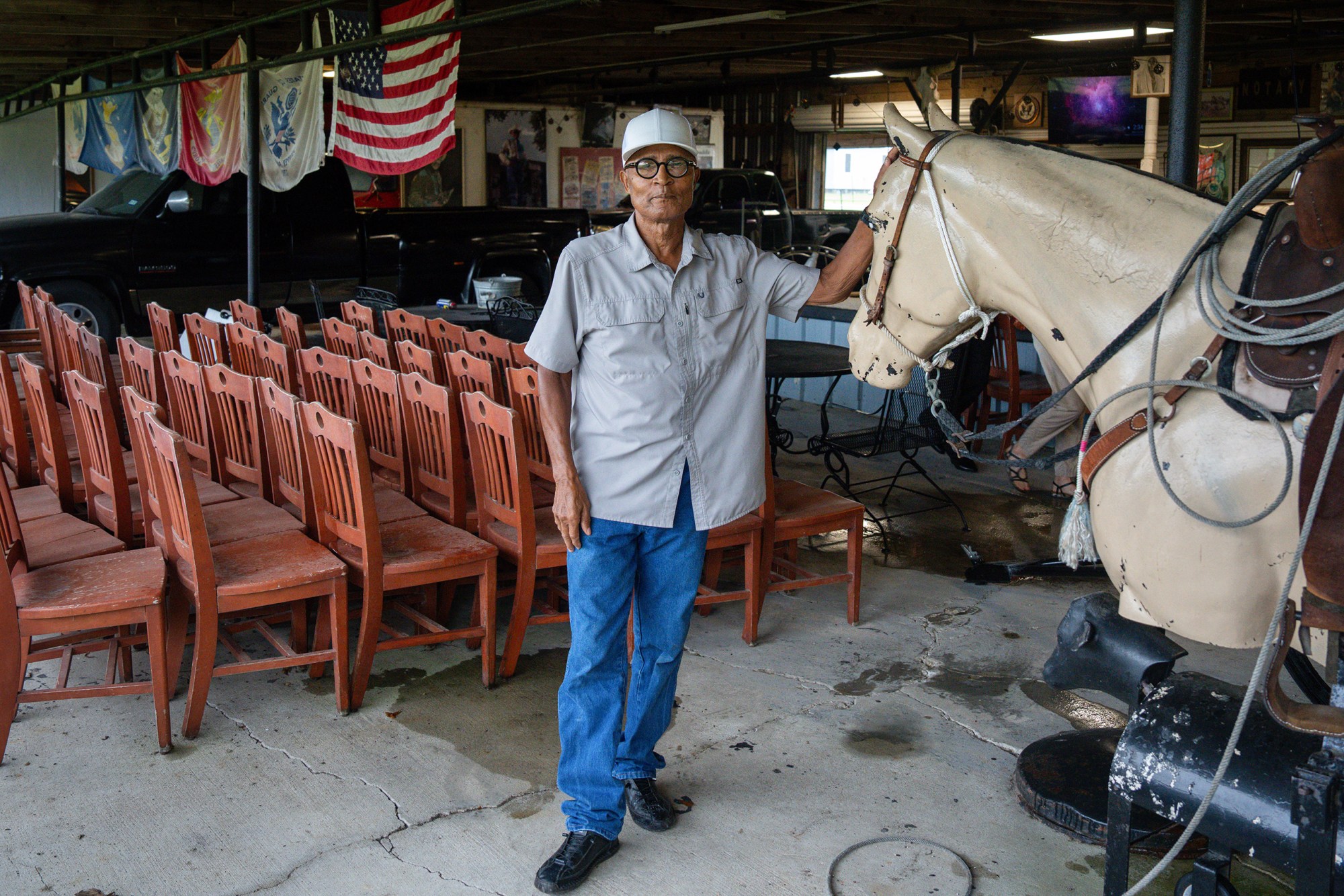
The conflict in Cheek is a textbook example of the environmental justice challenges inherent in the "Energy Transition." Research consistently shows that communities of color and lower-income areas are disproportionately impacted by industrial infrastructure. Residents like James Strambler, a 70-year-old former technician, believe that corporations often target these areas specifically because they anticipate less political or financial pushback.
"They found an area where they can do it and not expect a lot of resistance," Strambler noted. This perception is exacerbated by the fact that many residents, such as 81-year-old Preston Frank, view their land as a vital repository of family history and wealth. To them, the potential devaluation of their property and the introduction of unknown environmental risks represent an existential threat that is not mitigated by the promise of corporate jobs or tax revenue.
Broader Economic and Scientific Context
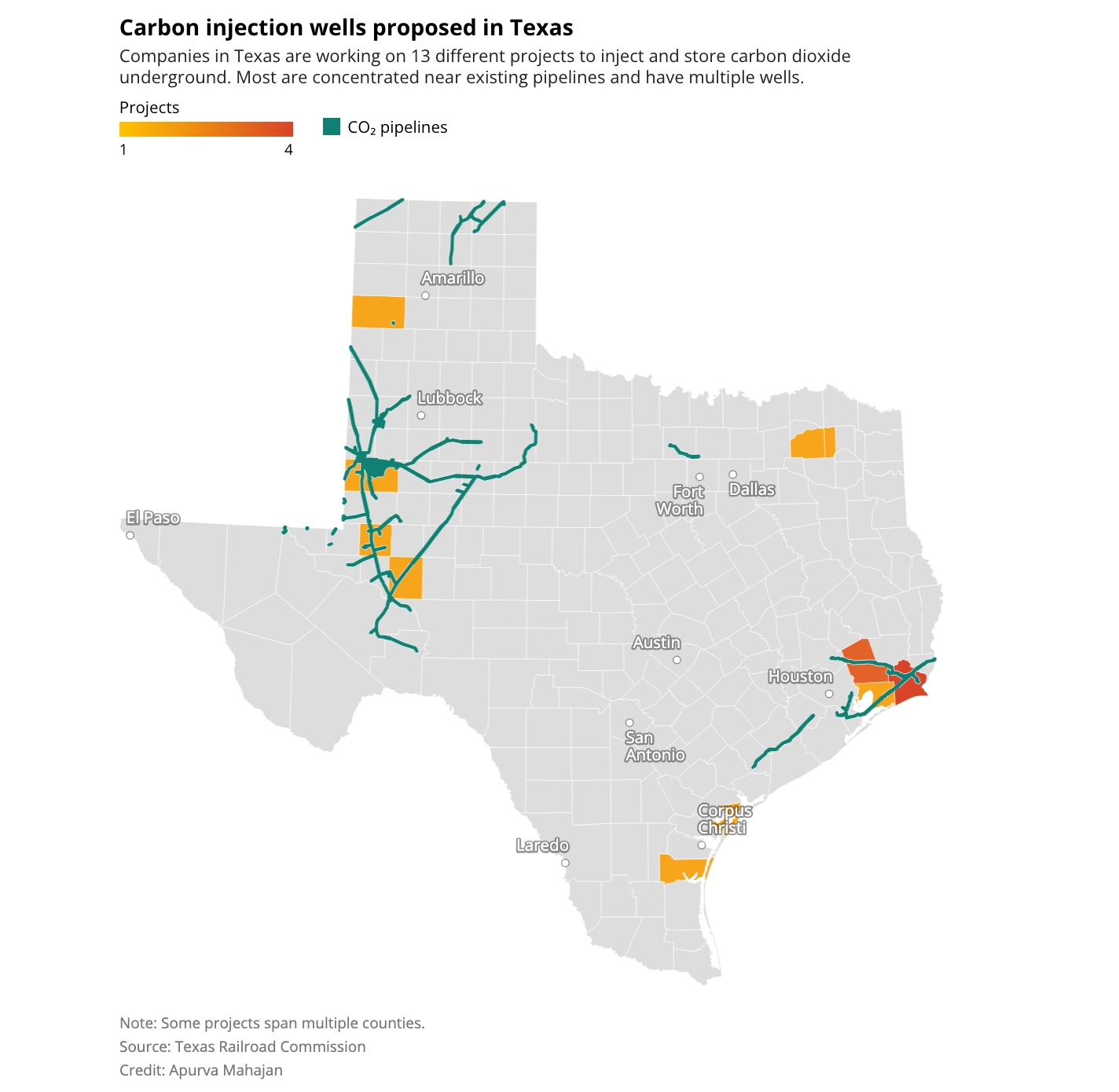
From a macro perspective, the Texas industry is betting billions that CCS will provide a pathway to remain profitable in a decarbonizing world. Exxon Mobil currently has seven major agreements to store greenhouse gases for other industrial partners, with a projected capacity equivalent to the annual emissions of 2 million cars. However, skeptics like Harvard University’s Naomi Oreskes and investigations by outlets such as ProPublica have argued that the focus on CCS is a "dangerous distraction." They suggest that the sheer scale of infrastructure required to achieve meaningful emissions reductions is infeasible and that the effort is largely a means for the industry to extend the lifespan of fossil fuel production rather than transitioning to truly renewable energy sources.
As the industry prepares to scale, the case of the Cheek project is being closely watched by other states. Louisiana, for example, has taken a more cautious route; Governor Jeff Landry recently paused the review of new applications to ensure that state regulations prioritize the safety of citizens and the environment over mere administrative efficiency. Meanwhile, North Dakota and Wyoming continue to operate their own permitted sites, though with fewer projects than those currently proposed in the Gulf Coast region.
Conclusion
The tension between the industrial necessity of carbon sequestration and the rights of rural communities remains unresolved. While corporate proponents argue that the technology is safe and vital for the nation’s energy leadership, the lived experience of the residents in Cheek suggests that the social license to operate for these companies is far from secure. Whether the Texas Railroad Commission can prove that its regulatory oversight is robust enough to protect citizens—or whether this project will become a cautionary tale for the industry—will likely be determined by the first few years of operations at the Rose project. As the state moves forward with the Sunflower project and others, the demand for transparency, accountability, and genuine community inclusion will only grow, setting the stage for a prolonged legal and political struggle that will define the future of industrial climate policy in Texas.