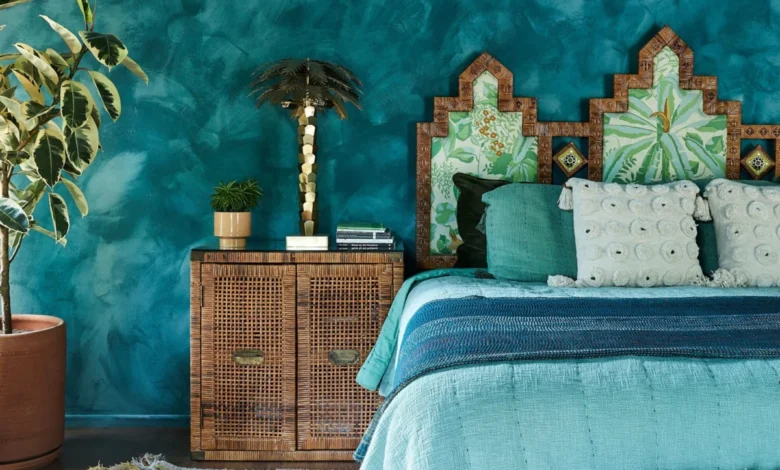
The global bedding industry has experienced a significant paradigm shift over the past decade as consumer demand pivots toward sustainable, high-performance textiles. While silk and high-thread-count Egyptian cotton have long held the title of luxury bedroom staples, bamboo-derived fabrics—specifically bamboo viscose, rayon, and lyocell—have emerged as a dominant force in the home goods market. This evolution is driven by a confluence of environmental consciousness, the need for advanced temperature regulation in sleep environments, and a desire for tactile luxury at a more accessible price point than traditional sericulture products.
The Rise of Sustainable Textiles
The transition toward bamboo textiles is rooted in the plant’s rapid growth cycle and low-impact cultivation requirements. Unlike cotton, which is notoriously water-intensive and often requires significant pesticide application, bamboo can reach maturity in as little as three to five years without the need for chemical intervention. From a manufacturing perspective, the processing of bamboo into fiber—often categorized as bamboo viscose or lyocell—results in a textile that possesses a natural, silk-like sheen and a fluid drape.
Market analysts note that the "Sleep Week" movement, an industry-wide initiative aimed at educating consumers on sleep hygiene and bedroom environment optimization, has been instrumental in bringing these materials to the forefront. As bedroom styling evolves to prioritize "sensory architecture"—where the feel of linens is as important as their visual aesthetic—bamboo has positioned itself as a multifunctional solution. It serves not only as a design element for minimalist or moody interiors but as a technical tool for mitigating thermal discomfort during sleep.
Technical Performance and Sleep Science
The primary appeal of bamboo bedding lies in its molecular structure. The fiber is inherently hydrophilic, meaning it possesses superior moisture-wicking properties compared to synthetic alternatives and even some natural fibers. By pulling moisture away from the skin and facilitating rapid evaporation, bamboo sheets assist in maintaining a consistent body temperature throughout the REM cycle.
For individuals suffering from night sweats or those living in fluctuating climates, this moisture management is critical. Furthermore, the hypoallergenic nature of bamboo is supported by its resistance to common allergens. The fibers are naturally smoother than cotton or linen, which reduces friction against the skin—a feature that dermatologists and sleep experts often cite as beneficial for those with sensitive skin conditions such as eczema or rosacea.
Comparative Market Analysis: Selecting the Optimal Set
Industry experts, including those from Architectural Digest’s editorial team, have conducted longitudinal testing on various bamboo sheet brands to determine performance across several key metrics: durability, color retention, tactile quality, and price-to-value ratio.
- Cozy Earth Bamboo Sheet Set: Often cited as the industry gold standard, this set is recognized for its longevity and consistent performance after multiple industrial laundry cycles. It represents the "premium" tier of the market, offering a high-density weave that resists pilling.
- Quince Bamboo Sheet Set: Representing the "luxury-for-less" segment, this brand has gained traction by utilizing direct-to-consumer models to lower costs. Its primary strength lies in its extensive color palette, which allows for precise interior design matching, particularly in earth-tone palettes.
- Luxome Luxury Sheet Set: Positioned as an elegant alternative, this brand focuses on the visual "sheen" of the fabric, mimicking the appearance of high-end silk. Its deep pocket designs accommodate the modern trend of oversized, high-profile mattresses and complex topper configurations.
- DOZ by Sijo: This brand captures the entry-level market, providing a functional, sustainable product that democratizes access to bamboo textiles. While the pocket depth is shallower, the material performance remains competitive with higher-priced alternatives.
- Cariloha Aloha Soft: Noted for its extreme lightweight profile, this option is specifically engineered for high-heat environments. It is frequently recommended for summer use due to its high breathability, though it requires careful handling due to the thinness of the fabric.
- Bearaby Second Skin: This set represents the cutting edge of textile innovation, incorporating "smart botanicals" such as peppermint and marine proteins into the weave. These additions are designed to provide an antimicrobial barrier, reducing bacterial growth by up to 99.9%.
The Economics of Bedding: A Cost-Benefit Assessment
The pricing of bamboo sheets generally spans a wide spectrum, from $50 to over $400 for a standard queen set. The disparity in pricing is typically attributed to the specific processing method used—lyocell, for example, is generally considered more eco-friendly and higher quality than standard viscose—and the complexity of the weave.
Sateen weaves offer a more luxurious, silky finish but may be more prone to snagging, while percale weaves offer a crisp, matte finish that is highly breathable but lacks the "buttery" feel of sateen. When investing in these products, experts suggest looking for certifications such as the Oeko-Tex Standard 100. This international certification ensures that the textiles have been tested for harmful substances, providing a necessary layer of consumer protection in an unregulated market of knock-offs.
Maintenance and Longevity Protocols
A common misconception regarding bamboo bedding is that it requires specialized, delicate care. In reality, most high-quality bamboo sets are machine-washable. However, to preserve the integrity of the fibers, manufacturers typically recommend:
- Cold water washing: Prevents the fibers from breaking down under heat.
- Low-heat tumble drying: High heat can degrade the viscose or lyocell structure, leading to increased shrinkage or loss of the characteristic sheen.
- Avoiding harsh chemicals: Traditional bleach or heavy-duty fabric softeners can coat the fibers and negate the moisture-wicking properties.
Broader Implications for the Textile Industry
The success of bamboo as a bedding material signals a broader trend toward "performance luxury." Consumers are no longer satisfied with aesthetic beauty alone; they demand functional attributes that contribute to personal health and sustainability. As the industry moves forward, it is likely that we will see increased innovation in fiber-blending—perhaps combining bamboo with other regenerative materials like hemp or Tencel—to further improve durability.
Furthermore, the rise of bamboo has forced traditional "heritage" brands to reconsider their manufacturing processes. With the entry of tech-forward companies like Bearaby, the standard for what constitutes a "high-quality" sheet has risen. We are entering an era where the bedroom is treated as a clinical space for rest, and textiles are viewed as the primary interface between the user and their environment.
Conclusion: The Future of Sleep
Bamboo sheets are no longer a niche, eco-friendly novelty; they have cemented themselves as a legitimate rival to silk and high-end cotton. By offering a superior combination of temperature regulation, hypoallergenic properties, and a soft, refined aesthetic, they cater to the modern consumer’s desire for a bedroom that is both a sanctuary of design and a hub of restorative technology. As supply chains stabilize and production techniques continue to refine, bamboo is poised to maintain its trajectory as the fastest-growing segment in the global home textile market. For the average consumer, the choice of bedding is increasingly becoming a choice between outdated tradition and the modern, high-performance future of sleep.