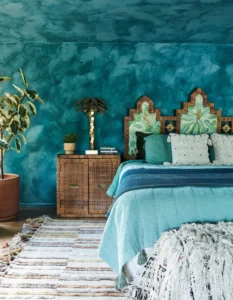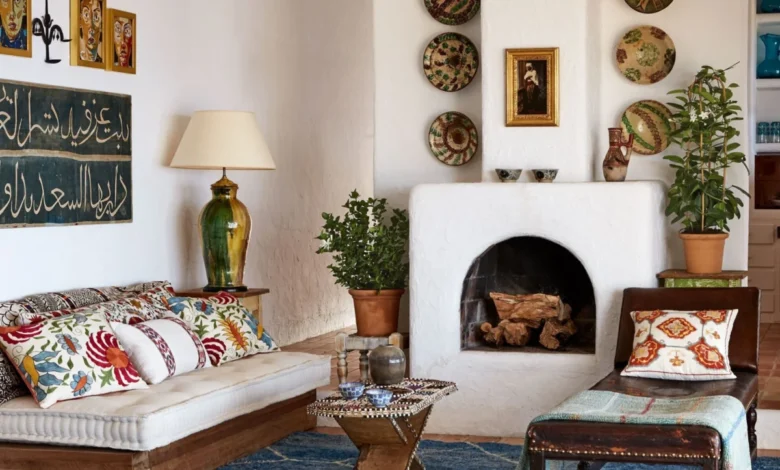
The Moroccan rug has transcended its origins as a utilitarian necessity to become one of the most sought-after elements in modern interior design. Originally hand-knotted by the semi-nomadic Amazigh tribes of the Atlas Mountains, these textiles were crafted primarily to provide insulation against the harsh, sub-zero temperatures of the region. Today, they represent a sophisticated intersection of ancient cultural heritage and contemporary aesthetic demand. From the minimalist lofts of Brooklyn to the opulent, floral-adorned Victorian estates of San Francisco, the Moroccan rug—characterized by its high-pile wool, intricate geometric motifs, and often vibrant, symbolic color palettes—has secured its place as a staple in global interior styling.

Historical Context and Cultural Significance
The history of the Moroccan rug is deeply intertwined with the Berber, or Amazigh, people. For centuries, these rugs were not merely floor coverings; they were functional works of art, often woven with symbols and patterns that told the stories of the weavers’ lives, family lineages, and the natural world surrounding the Atlas Mountains. The most iconic variety, the Beni Ourain rug, is traditionally recognized by its thick, undyed cream wool and dark brown or black geometric lines.
Another significant technique is the Boucherouite style, which emerged as a creative response to limited resources. Unlike the traditional sheep’s wool rugs, Boucherouite rugs are crafted from repurposed scraps of cotton, nylon, and wool fabrics. This ingenious recycling method resulted in vibrant, abstract, and highly textured pieces that now hold significant value in the vintage and design markets. The transition from remote mountain villages to international marketplaces began in earnest during the mid-20th century, as European modernists—including architects like Le Corbusier and Alvar Aalto—began incorporating these rugs into their projects, recognizing that the organic, asymmetrical patterns of Moroccan textiles provided a necessary counterbalance to the rigid lines of modernist architecture.

The Evolution of the Global Market
The rise of the digital age has fundamentally altered how consumers access these traditional textiles. In previous decades, acquiring an authentic Moroccan rug required direct travel to the bustling souks of Marrakech or a specialized dealer. Today, the direct-to-consumer (DTC) model has democratized access, allowing homeowners to source pieces directly from cooperatives or curated vintage collections via the internet.
Market data suggests that the demand for authentic, hand-woven textiles has grown steadily as consumers shift away from mass-produced, synthetic flooring options. According to recent retail trends, there has been a 15% year-over-year increase in interest for "artisanal" and "sustainable" home decor. This shift is driven by a desire for provenance and the unique, "imperfectly perfect" nature of hand-knotted goods. While the market is now flooded with machine-made imitations, the premium sector continues to favor rugs that utilize locally sourced wool and traditional hand-knotting techniques, which ensure durability and a distinct tactile quality that synthetic alternatives cannot replicate.

Curated Selections for the Modern Home
Navigating the current marketplace can be overwhelming due to the sheer volume of options. To assist in the selection process, we have identified several key pieces that represent the best of current design trends, categorized by their specific utility and aesthetic impact.
The Revival Lerela Rug: Ideal for Entryways
For those seeking a functional yet artistic piece for transitional spaces, the Revival Lerela rug offers a compelling solution. Its narrow, elongated profile is specifically designed to accommodate tight corridors or foyers. The rug features an oblong diamond motif, a nod to traditional geometric patterns, while incorporating subtle pink tassels that add a modern, playful touch. Because it is hand-knotted with wool sourced from the Atlas Mountains, it maintains the structural integrity and warmth expected of authentic Moroccan craftsmanship. Its smaller scale also makes it a versatile candidate for wall mounting, serving as a textural acoustic panel or a focal point in interior design.

The Beni Deco Gris Cendre: A Professional Office Upgrade
The home office has become a focal point of interior investment in the post-pandemic era. The Beni Deco Gris Cendre rug offers a sophisticated aesthetic that bridges the gap between professional, distraction-free design and personal expression. With its soft, muted grey palette and precise, oxblood-colored geometric accents, it provides a grounded foundation for a workspace. The use of natural wool provides superior sound absorption—a critical feature for home offices—and the subtle pattern prevents the space from feeling sterile or clinical.
Quince Saira: The Affordable Hand-Loomed Option
For consumers balancing aesthetic aspirations with budget constraints, the Quince Saira rug provides a high-quality alternative. While it is machine-finished in some aspects, the hand-loomed construction and use of hand-spun wool ensure a plush, authentic feel underfoot. Its geometric motifs remain true to Moroccan design principles, offering a lower-cost entry point into the style without sacrificing the essential "shag" texture that defines the look.

The Salam Hello Izra Alfalfa: A Maximalist Statement
The Salam Hello Izra Alfalfa rug serves as an example of the ongoing appreciation for color-drenching and maximalist interior styles. Produced by third-generation dyers, the rug features irregular, boxy patterns that create a highly tactile, visual experience. It is recommended for use in neutral spaces where the rug can act as the primary anchor, or in rooms with existing verdant, organic palettes to create an immersive, forest-like environment.
Ruggable Kairos: The Practical Choice for High-Traffic Zones
Innovations in textile technology have led to the creation of the Ruggable Kairos rug, which addresses the primary criticism of traditional high-pile rugs: maintenance. Designed with a grid-inspired border reminiscent of Mediterranean tiling, this rug is both water-resistant and machine-washable. It is an ideal selection for high-traffic areas, such as dining rooms or kitchens, where spills and heavy foot traffic are common. Its durability allows for the aesthetic appeal of Moroccan design without the high maintenance typically associated with wool carpets.

The Citizenry Nahla: The Minimalist Standard
Finally, for those pursuing a "wabi-sabi" aesthetic—the Japanese concept of finding beauty in imperfection—The Citizenry’s Nahla rug is a premier choice. This hand-knotted sheep’s wool rug focuses on organic shapes and a neutral cream palette. It is frequently utilized by interior designers aiming to create calm, monochromatic spaces that feel grounded and tactile. The rug’s production, which emphasizes fair-trade practices, adds a layer of ethical consideration to the purchase, which is becoming an increasingly important factor for modern consumers.
Broader Impact and Design Implications
The integration of Moroccan rugs into the modern home is more than a fleeting trend; it is a reflection of a broader design movement that prioritizes cultural storytelling and the "human hand" in domestic spaces. The implications of this are twofold. First, it has helped sustain the livelihoods of traditional weavers in the Atlas Mountains, providing an economic incentive to maintain ancient weaving techniques that might otherwise have been lost to industrialization. Second, it has fundamentally changed the standard for home comfort; as consumers become accustomed to the warmth and natural material properties of wool rugs, the demand for high-quality, sustainable flooring is likely to continue rising.

However, the industry faces challenges regarding the commodification of these designs. As "Moroccan-inspired" becomes a marketing buzzword for mass-market retailers, the distinction between authentic, hand-knotted pieces and mass-produced copies becomes increasingly blurred. Experts advise that for those seeking to invest in these pieces, looking for evidence of hand-knotting, checking the origin of the wool, and prioritizing transparent supply chains are essential steps to ensure that they are supporting the craft rather than simply purchasing a stylized imitation.
In conclusion, the Moroccan rug remains a versatile and powerful tool in the designer’s arsenal. Whether chosen for its historical significance, its structural utility, or its aesthetic warmth, the piece serves as a bridge between the ancient world and the modern interior. By carefully selecting rugs that honor the traditions of the Amazigh tribes while fitting the functional requirements of contemporary life, homeowners can create spaces that are not only beautiful but also deeply connected to a rich, global heritage.