
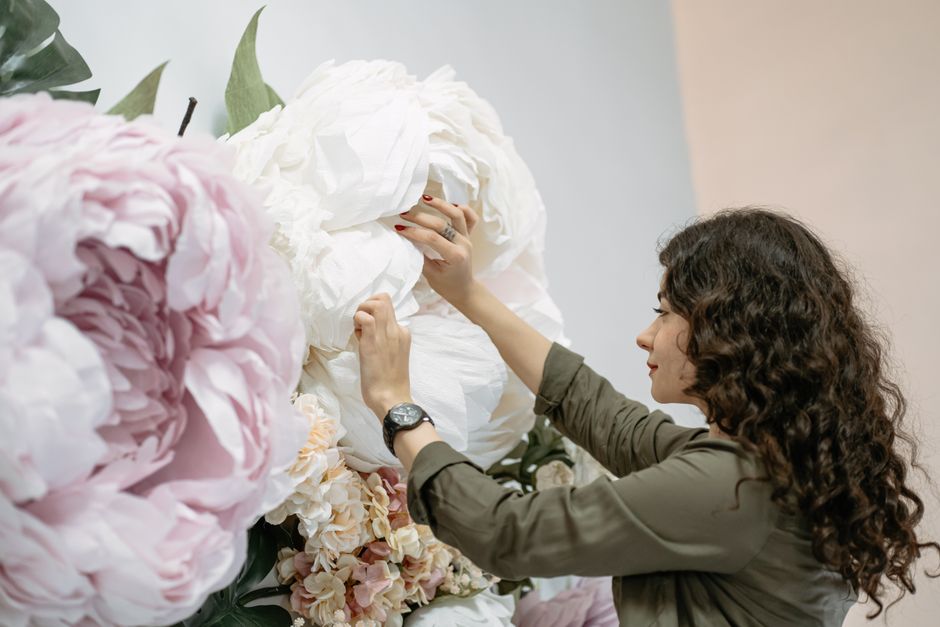
DIY Wedding Day Flower Wall: A Comprehensive Guide for Stunning Backdrops
Creating a breathtaking DIY wedding flower wall is an ambitious yet entirely achievable project that can transform your ceremony or reception space into a memorable floral spectacle. This guide will walk you through every essential step, from planning and material selection to assembly and installation, ensuring a stunning, budget-friendly backdrop that reflects your personal style. Forget expensive rental fees and embrace the satisfaction of crafting a truly unique element for your special day. We’ll cover everything from choosing the right framework and flowers to essential tools and troubleshooting common issues.
I. Planning Your DIY Flower Wall: Vision and Logistics
Before you even touch a single petal, meticulous planning is paramount. This foundational stage will dictate the aesthetic, scale, and feasibility of your project.
- Define Your Vision: What is the overall style and theme of your wedding? Is it bohemian, modern, classic, rustic, or something entirely unique? Your flower wall should complement and enhance this. Consider the color palette you’re working with. Do you want a monochromatic look, a vibrant explosion of color, or a delicate blend of pastels?
- Determine Size and Placement: Where will your flower wall be located? This will influence its dimensions. Common placements include behind the sweetheart table, as a ceremony backdrop, or as a photo booth backdrop. Measure the designated space accurately to determine the ideal height and width. Factor in accessibility for guests and photographers.
- Budget Allocation: Flower walls can be costly, even DIY. Establish a realistic budget early on. This will help you make informed decisions about flower types, quantity, and the chosen construction method. Research the average cost of wholesale flowers and construction materials in your area.
- Timeline Management: A DIY flower wall requires significant time. Begin planning at least 3-6 months in advance. This allows ample time for sourcing materials, practicing techniques, and assembling the wall without undue stress. Consider breaking down the assembly into manageable stages over several weeks.
- Team Assembly: Enlist the help of trusted friends or family members. Delegate tasks and schedule work sessions. Having a team will make the process more enjoyable and significantly speed up assembly. Assign roles based on individual strengths, such as someone good with detail work, another with structural assembly.
- Storage and Transportation: If you plan to assemble the wall prior to the wedding day, consider where it will be stored. It needs to be in a cool, dark place to preserve the flowers. Plan how you will transport the finished or semi-finished wall to the venue. Modular designs can be easier to manage.
II. Structural Foundations: Building Your Framework
The framework is the backbone of your flower wall, providing the necessary support for your floral arrangements. Several popular and effective options exist.
- Wooden Pallets: A popular and cost-effective choice, particularly for rustic or bohemian themes. Pallets can be used vertically or horizontally. They offer inherent structure and can be easily modified.
- Pros: Inexpensive, readily available, contributes to a rustic aesthetic.
- Cons: Can be heavy, requires sanding and possibly painting/staining for a cleaner look, may have gaps that need filling.
- Preparation: Source heat-treated (HT) pallets to avoid chemical treatments. Sand down any rough edges and splinters. Consider painting or staining them to match your wedding colors.
- PVC Pipe or Metal Frame: Offers a more modern and clean aesthetic. This allows for greater customization in terms of shape and size.
- Pros: Lightweight, durable, adaptable to various shapes and sizes, modern appearance.
- Cons: Requires more specialized tools for cutting and assembly, can be more expensive than pallets initially.
- Assembly: Use PVC connectors (elbows, tees) to create the desired shape. Metal frames can be welded or bolted together for sturdier construction. Measure and cut pieces precisely for a seamless fit.
- Foam Board or Cardboard Panels: Ideal for smaller, more temporary installations or as backing for a pre-fabricated floral panel.
- Pros: Lightweight, easy to cut and work with, inexpensive for smaller projects.
- Cons: Not very sturdy for large-scale walls, susceptible to moisture damage.
- Usage: Best used as a base onto which floral foam or fabric can be attached.
- Lattice Panels: A quick and simple option, especially for a more airy, natural look.
- Pros: Pre-made structure, easy to attach flowers to, lightweight.
- Cons: Less dense coverage, may require more flowers to achieve a full look, can be fragile.
- Attachment: Flowers can be woven through the lattice or attached with floral wire.
III. Floral Selection: Choosing Your Blooms for Maximum Impact
The heart of your flower wall lies in the blooms. Strategic selection ensures longevity, visual appeal, and cost-effectiveness.
- Flower Types: Consider a mix of focal flowers, filler flowers, and greenery.
- Focal Flowers: These are your statement pieces. Examples include roses, peonies, hydrangeas, dahlias, and lilies. Choose varieties that are readily available and hold up well out of water.
- Filler Flowers: These add volume and texture. Think baby’s breath, spray roses, statice, and astrantia.
- Greenery: Essential for creating a lush, natural look and filling gaps. Eucalyptus, fern, ruscus, and Italian pittosporum are excellent choices.
- Longevity and Durability: Select flowers that can withstand being out of water for an extended period. Hydrangeas, roses, and carnations are generally good choices. Avoid delicate blooms like poppies unless you plan to use them very close to the event and have a plan for hydration.
- Color Palette and Texture: Adhere to your wedding’s color scheme. Varying textures – smooth petals, delicate fronds, and robust leaves – will add visual interest and depth.
- Quantity Calculation: This is a crucial step to avoid over or under-purchasing.
- Calculate the Square Footage of Your Wall: Width x Height = Square Footage.
- Estimate Flowers Per Square Foot: This varies greatly depending on the density you desire and the size of your flowers. A good starting point is 5-10 stems (a mix of flowers and greenery) per square foot for a moderately full wall. For a very dense wall, you might need 15-20 stems per square foot.
- Factor in Flower Size: Larger blooms will cover more area than smaller ones.
- Divide Total Stems Needed by the Number of Stems in a Bunch: Most wholesale flowers are sold in bunches of 10 or 12.
- Add a 10-15% Buffer: This accounts for breakage, wilting, and unexpected needs.
- Wholesale Sourcing: For large quantities, purchasing flowers wholesale is significantly more cost-effective. Research local wholesale flower markets or online suppliers. Order well in advance.
- Timing of Purchase and Arrival: Aim for flowers to arrive 2-3 days before your wedding day. This gives them time to hydrate and open up properly.
IV. Floral Mechanics: Attaching Your Blooms to the Framework
This is where your artistic vision starts to take tangible form. The method of attachment will depend on your chosen framework.
- Floral Foam (Wet or Dry):
- Wet Floral Foam: Ideal for flowers that need hydration. It’s typically soaked in water and then attached to a waterproof backing on your frame.
- Dry Floral Foam: Suitable for non-living elements or flowers with a longer lifespan out of water.
- Attachment: Cut foam blocks to fit sections of your frame. Secure them with floral wire, zip ties, or heavy-duty adhesive. Ensure a secure fit to prevent movement.
- Floral Wire and Tape:
- Floral Wire: Comes in various gauges and is essential for attaching individual stems, securing foam blocks, and creating structures.
- Floral Tape: Stretches and adheres to itself, used for wrapping stems and creating bundles.
- Technique: Wrap stems securely with floral wire, then weave or attach them to your frame. For a denser look, group stems together with floral tape before attaching.
- Zip Ties: Excellent for securing floral foam blocks, greenery, or pre-made floral panels to rigid frames. They are strong and quick to use.
- Staples and Hot Glue Gun:
- Staples: Can be used to attach fabric backings or smaller floral elements to wooden frames.
- Hot Glue Gun: Best used sparingly for attaching dried elements or securing delicate pieces that won’t be directly exposed to moisture. Overuse can look unprofessional and damage delicate stems.
- Fabric Backing (Burlap, Muslin, Felt): A fabric backing can be stapled or adhered to your frame, providing a surface to attach floral foam or directly insert stems into. This is particularly useful for pallet or PVC frames.
V. Assembly and Decoration: Bringing Your Flower Wall to Life
This is the most hands-on and rewarding part of the process.
- Prepare Your Flowers: Once your flowers arrive, immediately trim the stems at an angle and place them in clean water with flower food. Allow them to hydrate for at least 4-6 hours, or overnight. Remove any leaves that will fall below the waterline in your arrangement.
- Start with Greenery: Begin by attaching your base layer of greenery. This will create a lush foundation and help determine the overall shape and density of your wall.
- Place Focal Flowers: Strategically position your larger, statement flowers. Distribute them evenly to create visual balance. Consider creating clusters or patterns.
- Fill in with Filler Flowers: Use smaller blooms to fill any gaps and add texture and volume.
- Add Depth and Dimension: Alternate between different flower types and greenery to create a natural, organic look. Don’t be afraid to let some stems cascade or protrude for a more dynamic effect.
- Consider Textural Variety: Mix smooth petals with ruffled blooms and different leaf shapes for a more visually interesting display.
- Work in Sections: If you have a large wall, break it down into manageable sections. This prevents overwhelming yourself and allows for focused attention.
- Step Back and Assess: Regularly step back from your work to assess the overall balance, color distribution, and density. Make adjustments as needed.
- Maintain Freshness: Throughout the assembly process, keep a spray bottle of water handy to mist your flowers periodically, especially if working in a warm environment.
VI. Installation and On-Site Touches: The Final Presentation
The successful installation of your flower wall at the venue is critical.
- Transportation: If assembled off-site, transport the wall with extreme care. Use a flatbed truck or van if possible. Secure it properly to prevent any shifting or damage. Consider transporting in modular sections if the wall is very large.
- On-Site Assembly: If the wall is too large to transport assembled, assemble it at the venue. Ensure you have ample time and a dedicated team for this.
- Secure Installation: The wall must be securely anchored to prevent it from falling. Depending on the venue and the weight of your wall, this might involve:
- Heavy-duty easels or stands: Ensure they are stable and suited for the wall’s dimensions.
- Zip ties or ropes: Secure to existing structures (if permitted by the venue).
- Professional rigging: For very large or heavy walls, consider professional installation.
- Last-Minute Touches: Once installed, you may need to make some final adjustments. Add a few fresh blooms, fill any gaps, or trim errant stems.
- Hydration Maintenance: Have a plan for keeping the flowers fresh throughout the event. This might involve discreetly misting them with water or having a florist on standby for touch-ups.
- Lighting: Consider how the lighting at the venue will affect your flower wall. Strategic lighting can enhance its beauty and create a dramatic effect.
VII. Troubleshooting Common DIY Flower Wall Challenges
Even with careful planning, challenges can arise. Here’s how to address them.
- Wilting Flowers: This is the most common issue.
- Prevention: Start with fresh, high-quality flowers. Hydrate them properly before assembly. Work in a cool environment.
- Solution: Mist wilting flowers with water. Replace severely wilted blooms. Consider floral preservatives.
- Gaps in Coverage:
- Prevention: Calculate your flower quantity accurately. Overestimate slightly.
- Solution: Fill gaps with extra greenery, filler flowers, or smaller blooms. You can also strategically place larger flowers to camouflage gaps.
- Structural Instability:
- Prevention: Use a sturdy framework and secure attachment methods. Test the stability before the event.
- Solution: Reinforce weak points with additional supports, zip ties, or screws. Ensure the base is stable.
- Uneven Color Distribution:
- Prevention: Plan your color placement carefully.
- Solution: Redistribute flowers to achieve a balanced look. Add more of a specific color in areas that need it.
- Pest Infestation (Rare but Possible):
- Prevention: Source flowers from reputable suppliers. Inspect flowers upon arrival.
- Solution: Carefully remove any infested flowers and discard them away from the wall.
VIII. SEO Considerations for Your DIY Wedding Flower Wall Content
To ensure your valuable DIY guide reaches a wider audience, incorporate these SEO best practices.
- Keyword Integration: Naturally weave relevant keywords throughout your content. Target terms like: "DIY wedding flower wall," "flower wall backdrop," "how to make a flower wall," "wedding flower ideas," "budget wedding flowers," "wedding ceremony backdrop," "photo booth backdrop," "wholesale wedding flowers," and specific flower names if applicable to your featured blooms.
- Compelling Title: Your title is the first impression. Ensure it’s descriptive and includes primary keywords (as you have here).
- Meta Description: Craft a concise and engaging meta description (around 150-160 characters) that summarizes your article and entices users to click. Include a strong call to action.
- Header Tags (H1, H2, H3): Use header tags to structure your content logically. Your title should be H1. Use H2 for main sections (e.g., "Planning Your DIY Flower Wall," "Structural Foundations") and H3 for sub-sections. This improves readability and helps search engines understand your content hierarchy.
- Image Optimization: Use high-quality images of your flower wall and the assembly process. Optimize them for web by compressing their file size and using descriptive alt text that includes relevant keywords.
- Internal and External Linking: Link to other relevant content on your website (if applicable) and to authoritative external sources (e.g., reputable flower wholesalers, DIY tutorial sites).
- User Engagement: Encourage comments and questions. A high level of user engagement can signal to search engines that your content is valuable and relevant.
- Mobile-Friendliness: Ensure your content is easily readable and navigable on mobile devices.
By following this comprehensive guide, you can confidently embark on the rewarding journey of creating a stunning DIY wedding flower wall that will be a cherished part of your special day and a memorable backdrop for countless photographs.

