
Nourishing Your Cycle: A Comprehensive Guide to Menstrual Nutrition
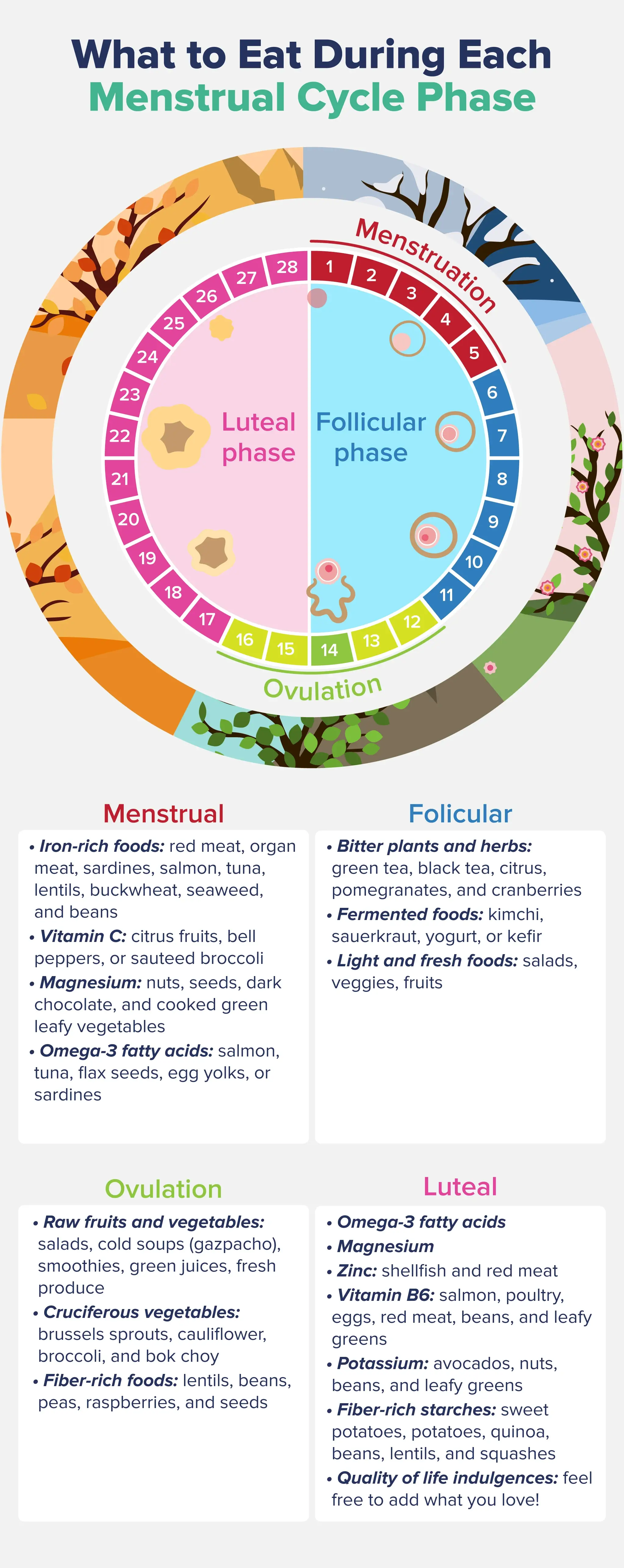
Understanding and optimizing nutrition throughout the menstrual cycle can significantly impact hormone balance, alleviate common symptoms like mood swings, fatigue, bloating, and pain, and promote overall well-being. The female reproductive system is intricately linked to nutrient availability and metabolism, and specific dietary adjustments during different phases can harness the body’s natural hormonal shifts for better health. This guide explores the nutritional needs and recommendations across the four phases of the menstrual cycle: menstruation, the follicular phase, ovulation, and the luteal phase.
Menstruation: Replenishing and Rebuilding
The menstrual phase, typically lasting 3-7 days, is characterized by the shedding of the uterine lining and blood loss. This phase necessitates a focus on replenishing lost nutrients, particularly iron, and supporting the body’s inflammatory response and energy levels.
Iron: The most critical nutrient during menstruation is iron. Blood loss leads to a depletion of iron stores, which can result in fatigue, weakness, and a weakened immune system. Heme iron, found in animal products like red meat, poultry, and fish, is more readily absorbed than non-heme iron from plant sources. To enhance non-heme iron absorption from plant-based foods like spinach, lentils, beans, and fortified cereals, it should be consumed with vitamin C-rich foods. Examples include citrus fruits, bell peppers, strawberries, and tomatoes. Conversely, avoid consuming iron-rich foods with calcium-rich foods (like dairy) or tannins (found in tea and coffee) as these can inhibit iron absorption. Regular consumption of iron-rich foods is essential to prevent iron deficiency anemia. Consider incorporating organ meats like liver, if palatable, for a highly bioavailable source of iron and other crucial micronutrients.
Magnesium: Magnesium plays a vital role in muscle relaxation, which can help alleviate menstrual cramps. It also contributes to energy production and mood regulation. Foods rich in magnesium include dark leafy greens (spinach, kale), nuts and seeds (pumpkin seeds, almonds, cashews), whole grains, dark chocolate, and avocados. Supplementation might be considered, especially if dietary intake is insufficient, but it’s always best to consult a healthcare professional.
Omega-3 Fatty Acids: These anti-inflammatory fats can help reduce inflammation and pain associated with menstruation. They are found in fatty fish like salmon, mackerel, and sardines, as well as plant-based sources like flaxseeds, chia seeds, and walnuts. Incorporating these foods regularly can contribute to a less painful and inflammatory period.
Zinc: Zinc is important for hormone regulation and immune function. It can also help reduce inflammation. Good sources of zinc include oysters, red meat, poultry, beans, nuts, and seeds.
Hydration: Adequate fluid intake is crucial during menstruation to prevent dehydration, which can exacerbate fatigue and headaches. Water is paramount, but herbal teas like ginger, peppermint, and chamomile can offer additional benefits. Ginger, in particular, has anti-inflammatory and analgesic properties that can help with cramps.
Follicular Phase: Building and Renewing
The follicular phase begins on the first day of menstruation and lasts until ovulation. During this phase, the body is preparing for ovulation by developing follicles in the ovaries. Estrogen levels gradually rise, supporting tissue repair and growth. The focus here is on providing the building blocks for healthy egg development and supporting rising hormone levels.
Protein: Adequate protein intake is essential for hormone production and repair of any tissues broken down during menstruation. Lean protein sources like chicken, fish, eggs, tofu, beans, and lentils should be prioritized. Protein helps stabilize blood sugar, which is important for energy levels and mood.
Complex Carbohydrates: These provide sustained energy for the body’s processes and support mood balance. Choose whole grains like quinoa, brown rice, oats, and whole wheat bread over refined carbohydrates. These also contribute to fiber intake, aiding digestion and satiety.
Antioxidants: As estrogen rises, it can increase oxidative stress. Antioxidant-rich foods help combat this. Berries (blueberries, raspberries, strawberries), colorful vegetables (bell peppers, carrots, sweet potatoes), and green tea are excellent sources. Vitamin E, found in nuts, seeds, and avocado, is particularly important for reproductive health.
Healthy Fats: Continue to include healthy fats from sources like avocados, nuts, seeds, and olive oil. These are crucial for hormone synthesis and absorption of fat-soluble vitamins.
Vitamin D: This vitamin plays a role in hormone regulation and immune function. While sunlight is a primary source, dietary sources include fatty fish, fortified dairy products, and eggs. Supplementation may be necessary, especially in regions with limited sun exposure.
Ovulation: Peak Reproductive Potential
Ovulation, typically occurring around day 14 of a 28-day cycle, is the release of a mature egg from the ovary. This phase is characterized by peak estrogen and luteinizing hormone (LH) levels. The body is in its most fertile period, and while specific dietary shifts are less pronounced than in other phases, supporting hormonal balance and providing optimal conditions for conception, if desired, are key.
Continue with Follicular Phase Recommendations: The principles of adequate protein, complex carbohydrates, healthy fats, and antioxidants remain crucial.
Luteal Phase: Preparation and Stabilization
The luteal phase begins after ovulation and lasts until the start of menstruation. During this phase, progesterone levels rise, preparing the uterus for a potential pregnancy. If pregnancy does not occur, both estrogen and progesterone levels drop, triggering menstruation. This phase can bring about premenstrual syndrome (PMS) symptoms like bloating, mood swings, food cravings, and fatigue. Nutritional strategies focus on managing these symptoms and supporting hormonal balance.
Magnesium: As mentioned during menstruation, magnesium is vital for muscle relaxation and can help alleviate PMS-related cramps and irritability. Increase intake through leafy greens, nuts, seeds, and dark chocolate.
Vitamin B6: This vitamin is crucial for neurotransmitter production, including serotonin, which can help improve mood and reduce PMS symptoms. Good sources include chicken, fish, bananas, potatoes, and spinach.
Calcium: Calcium may help reduce PMS symptoms like mood swings, bloating, and breast tenderness. Dairy products, leafy greens, fortified plant milks, and sardines are good sources.
Fiber: Increased fiber intake from fruits, vegetables, and whole grains can help manage bloating and promote digestive regularity, common concerns during the luteal phase.
Complex Carbohydrates: Continue to prioritize complex carbohydrates for stable energy and mood.
Limit Sodium: High sodium intake can exacerbate fluid retention and bloating. Reducing processed foods, salty snacks, and excessive table salt can help mitigate this.
Limit Sugar and Refined Carbohydrates: These can lead to blood sugar spikes and crashes, worsening mood swings and cravings. Opt for whole, unprocessed foods.
Hydration: Continue to prioritize water intake. Herbal teas like chamomile and peppermint can be soothing.
Probiotics: A healthy gut microbiome is increasingly linked to hormonal balance and mood. Incorporate probiotic-rich foods like yogurt, kefir, sauerkraut, and kimchi.
Individualized Nutritional Considerations:
While the phases of the menstrual cycle offer a framework for nutritional adjustments, individual responses vary greatly. Several factors can influence dietary needs:
- Hormonal Imbalances: Conditions like Polycystic Ovary Syndrome (PCOS), endometriosis, and perimenopause can significantly alter hormonal profiles and necessitate more targeted nutritional interventions. For example, individuals with PCOS may benefit from a lower glycemic index diet and emphasis on anti-inflammatory foods.
- Specific Symptoms: If experiencing particularly severe or persistent symptoms like migraines, heavy bleeding, or digestive issues, professional guidance from a registered dietitian or nutritionist specializing in women’s health is recommended. They can help tailor a plan that addresses these specific concerns.
- Dietary Preferences and Restrictions: Vegetarian, vegan, gluten-free, or other dietary lifestyles can be accommodated by focusing on nutrient-dense alternatives within each food group. For instance, iron-rich plant sources become paramount for vegans.
- Lifestyle Factors: Stress, sleep quality, and physical activity levels all interact with hormonal health and nutrient metabolism. A holistic approach that considers these factors alongside diet is most effective.
- Supplementation: While a whole-foods-based diet is ideal, supplementation can be a valuable tool to fill nutritional gaps or address specific deficiencies. Common supplements for menstrual health include iron, magnesium, vitamin D, B vitamins, and omega-3 fatty acids. However, it is crucial to consult with a healthcare provider before starting any new supplement regimen to ensure appropriate dosage and avoid potential interactions.
The Gut-Hormone Connection:
The gut microbiome plays a critical role in estrogen metabolism through a process called the "estrobolome." Certain gut bacteria can either activate or inactivate estrogen, influencing its levels in the body. A balanced gut microbiome, supported by a diet rich in fiber, fermented foods, and prebiotics, can promote healthy estrogen detoxification and hormonal balance. Conversely, an imbalanced gut can contribute to estrogen dominance or other hormonal dysregulation, potentially exacerbating menstrual cycle symptoms.
Stress Management and Nutrition:
Chronic stress can disrupt the hypothalamic-pituitary-adrenal (HPA) axis, which directly influences the reproductive hormones. Elevated cortisol levels can interfere with ovulation, create irregular cycles, and worsen PMS symptoms. Nutritional strategies that support stress resilience include:
- Magnesium-rich foods: As previously discussed, magnesium helps regulate the stress response.
- B vitamins: These are crucial for energy production and neurotransmitter synthesis, both of which are impacted by stress.
- Adaptogenic herbs: Certain herbs like ashwagandha and rhodiola, when used under professional guidance, may help the body adapt to stress.
- Avoiding stimulants: Limiting caffeine and alcohol can help reduce the burden on the nervous system.
- Mindful eating: Paying attention to hunger and fullness cues and enjoying meals without distraction can reduce stress around food.
Conclusion for Optimized Menstrual Nutrition:
Nourishing your menstrual cycle is an empowering and proactive approach to women’s health. By understanding the distinct physiological shifts and nutritional demands of each phase, women can make informed dietary choices that support hormonal balance, alleviate discomfort, and promote overall vitality. Prioritizing whole, unprocessed foods rich in essential vitamins, minerals, and healthy fats, while being mindful of individual needs and potential imbalances, forms the foundation of effective menstrual nutrition. Consistent application of these principles, alongside a holistic approach that considers stress management and lifestyle, can lead to a more comfortable, predictable, and healthy menstrual cycle. This integrated approach not only addresses immediate symptoms but also contributes to long-term reproductive well-being.

