
The Evolving Landscape of Film and Television: A Deep Dive into Genres, Technologies, and Audience Engagement
The film and television industries represent a vast and continuously transforming ecosystem of storytelling, artistic expression, and technological innovation. Beyond mere entertainment, these media platforms are powerful cultural forces, shaping societal perceptions, influencing trends, and offering unparalleled windows into diverse human experiences. Understanding the nuances of this domain requires an exploration of its historical evolution, the intricate tapestry of genres that define it, the disruptive technologies that propel its progress, and the ever-shifting dynamics of audience engagement.
Historically, cinema and television emerged as distinct yet increasingly intertwined mediums. Early film, born from the Lumière brothers’ public screenings and Edison’s kinetoscope, was a novelty, a silent marvel capturing fleeting moments. The advent of sound transformed it into a narrative art form, paving the way for the Golden Age of Hollywood, characterized by studio systems, star power, and the development of foundational genres like Westerns, musicals, and film noir. Television, a later arrival, initially served as a domestic extension of cinema, broadcasting live events and serialized dramas. Its rise in the mid-20th century democratized access to visual storytelling, creating new forms like the sitcom, the soap opera, and the news broadcast, fundamentally altering family life and public discourse. The late 20th and early 21st centuries have witnessed a blurring of these lines, with streaming services and advanced digital technologies fostering a symbiotic relationship, where content created for one platform frequently finds a home on the other, and the very definition of "television" has expanded to encompass a universe of on-demand viewing. This convergence has led to a democratization of production and distribution, allowing for a wider array of voices and stories to reach global audiences, albeit with significant challenges to traditional industry models and revenue streams. The sheer volume of content now available necessitates sophisticated algorithms and curated discovery mechanisms to guide viewers through this ever-expanding digital library, influencing what gets seen and what remains hidden in the digital ether.
The genre landscape of film and television is a dynamic and multifaceted entity, reflecting and responding to societal shifts, technological advancements, and evolving audience tastes. At its core, genre provides a framework, a set of conventions and expectations that both filmmakers and viewers understand. Action films, characterized by high-octane sequences, often explore themes of heroism, conflict, and redemption, with subgenres ranging from espionage thrillers to superhero epics. Science fiction delves into speculative futures, exploring humanity’s relationship with technology, the cosmos, and the unknown, often serving as a potent vehicle for social commentary, from dystopian warnings to utopian aspirations. Horror, with its primal appeal to fear and the uncanny, encompasses a broad spectrum, from supernatural hauntings and psychological dread to visceral gore and creature features, frequently tapping into societal anxieties. Comedy, a universal genre, aims to evoke laughter through various means, including satire, slapstick, romantic entanglement, and observational humor, offering catharsis and shared amusement. Drama, perhaps the most encompassing genre, focuses on character development, emotional depth, and the exploration of human relationships and societal issues, from intimate domestic tales to sprawling historical sagas. Documentaries, by contrast, aim to present factual accounts of real-world events, individuals, or issues, utilizing a range of techniques to inform, educate, and persuade, and are increasingly blurring the lines with narrative filmmaking in their pursuit of compelling storytelling. The rise of prestige television has elevated dramatic series to cinematic heights, allowing for complex character arcs, intricate plotlines, and thematic explorations that rival feature films in ambition and execution. Furthermore, the proliferation of streaming platforms has fostered niche genres and the cross-pollination of established ones, leading to hybrid forms like sci-fi horror, action-comedy, and historical dramas with speculative elements, catering to increasingly specialized audience segments and demonstrating a willingness to experiment with narrative structures and stylistic approaches.
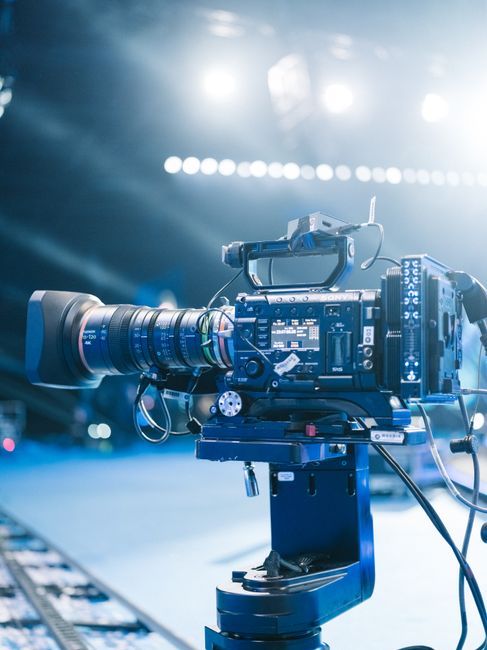
Technological advancements have been the relentless engine driving the evolution of film and television, fundamentally altering every stage of production, distribution, and consumption. Digital filmmaking has democratized access to high-quality production tools, allowing independent filmmakers to compete with established studios. High-definition and ultra-high-definition (4K, 8K) resolutions have elevated visual fidelity, while advancements in CGI and visual effects have enabled the creation of increasingly elaborate and believable fantastical worlds. The development of sophisticated editing software, motion capture technology, and virtual production techniques has opened up new avenues for creative expression and efficient workflow. In terms of distribution, the internet and streaming platforms have revolutionized how audiences access content. Over-the-top (OTT) services like Netflix, Amazon Prime Video, Disney+, and Hulu have disrupted traditional broadcast models, offering vast libraries of on-demand content, original programming, and personalized viewing experiences. This shift has also spurred innovation in content delivery, with adaptive bitrate streaming ensuring smooth playback across various internet speeds and devices. The rise of social media and online communities has further amplified the impact of technology, enabling direct audience interaction with creators, fostering fan cultures, and providing invaluable data for content creators and distributors. The integration of artificial intelligence (AI) is poised to have a profound impact, from script analysis and content generation to personalized recommendations and automated editing, promising to further streamline production and tailor content to individual preferences, though raising ethical considerations regarding authorship and creative control. Immersive technologies, such as virtual reality (VR) and augmented reality (AR), though still in their nascent stages for mainstream film and television, hold significant potential to redefine the viewing experience, offering viewers agency and a deeper sense of presence within narrative worlds, potentially leading to entirely new forms of interactive storytelling.
Audience engagement in film and television is a dynamic interplay between content creators, distribution platforms, and viewers themselves, increasingly shaped by technological affordances and evolving consumption habits. The traditional model of passive viewership has given way to a more active and participatory experience. Social media platforms have become vital hubs for discussion, critique, and fan community building, allowing audiences to express opinions, share theories, and influence the cultural conversation around films and television shows. The rise of "binge-watching" culture, enabled by streaming services, has altered viewing patterns, encouraging the consumption of entire seasons in a single sitting, fostering immediate immersion and intense engagement with serialized narratives. This phenomenon also presents challenges for traditional episodic promotion and water-cooler water cooler discussions, shifting the focus from weekly anticipation to immediate gratification. Data analytics play an increasingly crucial role in understanding audience behavior, with platforms collecting vast amounts of information on viewing habits, preferences, and demographic data to inform content creation and marketing strategies. Personalized recommendation algorithms are designed to curate content for individual viewers, aiming to maximize engagement and retention. However, this reliance on data also raises concerns about filter bubbles and the potential for algorithmic bias to limit exposure to diverse perspectives. The concept of "co-creation" is also emerging, where audiences have a greater influence on the direction of franchises and ongoing narratives through direct feedback, crowdfunding, and fan-generated content, blurring the lines between creator and consumer. Furthermore, the increasing accessibility of content across multiple devices—smartphones, tablets, smart TVs—allows for flexible and on-the-go viewing, integrating film and television into the fabric of daily life in unprecedented ways, demanding that content be digestible and engaging across a variety of contexts and attention spans. The interactive nature of some new media, like some video games and experimental VR narratives, further pushes the boundaries of passive consumption, inviting viewers to become active participants in shaping their own storytelling experience, demanding a reevaluation of what constitutes an "audience" and their role in the creative process.

