
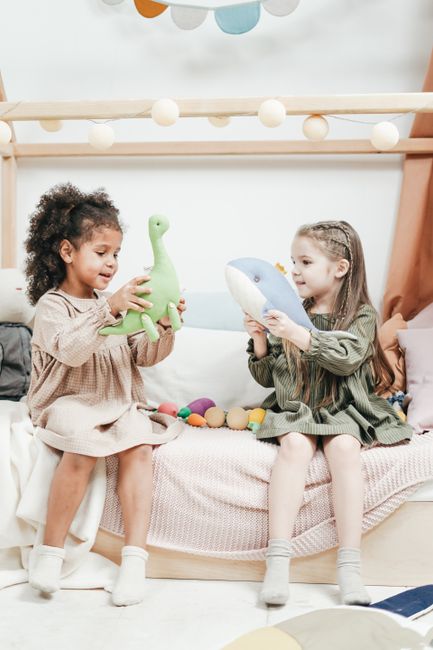
Sister Style: A Timeless Evolution in Fashion and Identity
The concept of "sister style" transcends mere sartorial imitation; it represents a dynamic and evolving tapestry woven from shared experiences, individual expression, and the profound bond between siblings. Historically, sibling wardrobes, particularly those of sisters, often mirrored societal expectations and available trends. In earlier eras, matching outfits were commonplace, particularly for younger girls, symbolizing family unity and social standing. This uniformity, while lacking in individualistic flair by modern standards, served a distinct purpose. It reflected a time when fashion was less about personal declaration and more about adhering to established norms. The prevalence of hand-me-downs also fostered a practical form of sister style, where garments were passed down, adapted, and reinterpreted, imbuing them with a unique history and personal connection. This was a style born of necessity and love, where a cherished dress or sweater could gain new life through a younger sister’s wear. As societies progressed and economic conditions improved, the emphasis began to shift. The post-war era saw a burgeoning of youth culture and a greater desire for self-expression. While matching outfits persisted, a subtle divergence began to appear, allowing for minor variations in color or embellishment, hinting at the individuality that would later become central to sister style. The rise of mass production and readily available fashion magazines also played a significant role. Sisters could now aspire to wear similar, but not identical, ensembles inspired by popular culture, from Hollywood stars to the latest teen idols. This period marked the nascent stages of sister style as a conscious choice, a way to bond through shared aesthetic aspirations while still maintaining a degree of personal preference. The 1960s and 70s, with their revolutions in fashion and social attitudes, saw sister style begin to fracture and diversify. The hippie movement, with its emphasis on individuality and bohemian aesthetics, encouraged sisters to forge their own paths, albeit often within a similar general style framework. One sister might embrace flowing maxi dresses and floral prints, while the other gravitated towards bell-bottom jeans and peasant blouses, yet the underlying spirit of free-spirited expression remained a common thread. This era was crucial in establishing the idea that sister style wasn’t about perfect replication but about shared influences and a complementary, rather than identical, approach to dressing. The 1980s, with its bold colors, exaggerated silhouettes, and a significant rise in the influence of music and pop culture, saw sister style become even more pronounced. Think of iconic duos like the Olsen twins, who, even from a young age, showcased distinct yet harmonized fashion sensibilities. One might embrace preppy chic, while the other leaned towards edgier, trend-driven looks. This period solidified the notion that sister style could be about celebrating differences within a shared understanding of fashion. The advent of the internet and social media has undeniably been the most transformative force in the evolution of sister style. Platforms like Instagram and TikTok have democratized fashion, allowing sisters to not only share their looks but also to curate their personal brands and influence each other and a wider audience. This has led to an explosion of diverse sister styles, from coordinated streetwear to matching athleisure sets, to meticulously planned themed outfits for special occasions. The internet has facilitated a global exchange of ideas, enabling sisters to draw inspiration from a vast array of trends and subcultures, further diversifying the definition of sister style.
The contemporary understanding of sister style is multifaceted and deeply personal. It’s no longer about simply wearing the same brand or silhouette; it’s about a shared aesthetic language that communicates connection, mutual respect, and individual personality. This evolution can be observed in several key areas. Firstly, Coordinated, Not Identical, Dressing is now the dominant paradigm. Instead of wearing the exact same dress, sisters might opt for complementary colors, similar silhouettes in different prints, or matching accessories. This approach allows for individual expression while still signifying a bond. For instance, one sister might wear a floral maxi dress while the other chooses a solid-colored midi dress in a coordinating hue. Alternatively, they might both sport the same style of sneakers but in different colorways. This subtle coordination communicates a shared understanding of style and a deliberate effort to harmonize their looks. This is about building a visual dialogue, where their outfits speak to each other, creating a cohesive yet distinct presence. Secondly, Thematic Dressing and Shared Interests have become a significant driver. Sister style often reflects shared hobbies, interests, or even fandoms. Whether it’s dressing up as characters from a favorite movie for a themed party, or adopting the aesthetic of a particular music genre or subculture, sisters can use their clothing to express their shared passions. This could manifest as matching band t-shirts, coordinating outfits for a cosplay event, or adopting the streetwear aesthetic of a shared favorite artist. This form of sister style is about more than just looking alike; it’s about celebrating shared identity and experiences through fashion. It’s a playful and engaging way to reinforce their connection. Thirdly, Leveraging Social Media for Inspiration and Curation has redefined how sister style is communicated and amplified. Platforms like Instagram, TikTok, and Pinterest serve as digital mood boards and showcases for sisterly fashion collaborations. Sisters can create joint accounts, share outfit inspiration, and even collaborate on fashion challenges. This digital visibility has not only allowed them to document their evolving styles but also to influence each other and a wider audience. The ease of sharing images and videos means that their fashion journeys are often public, inspiring others to explore their own sisterly style dynamics. The curated nature of these platforms means that sisters often meticulously plan their coordinated looks, showcasing a thoughtful approach to their shared fashion narrative. This can range from perfectly matched OOTD (Outfit Of The Day) posts to more elaborate, themed fashion spreads. This digital presence allows them to build a visual legacy of their style evolution over time. Fourthly, The Influence of Age and Life Stages necessitates a flexible and adaptable approach to sister style. As sisters grow, their individual tastes evolve, and their life stages differ. Sister style can shift from matching childhood outfits to complementary university looks, to distinct professional wardrobes that still retain a thread of shared aesthetic. This adaptability ensures that the concept of sister style remains relevant and meaningful throughout their lives. For example, during university, they might both embrace a more casual, comfortable aesthetic but with different interpretations. Later, as young professionals, their wardrobes might diverge significantly, but they might still find ways to subtly coordinate for family events or holidays, demonstrating that the bond transcends immediate fashion trends. This demonstrates the enduring power of their connection, finding ways to express it even as their individual lives and style preferences mature. Finally, Individuality within Unity: The Core of Modern Sister Style. The most enduring aspect of contemporary sister style is the balance it strikes between honoring the sisterly bond and celebrating individual identity. It’s a testament to the understanding that true connection doesn’t require replication but thrives on mutual appreciation and support for each other’s unique fashion journeys. It’s about creating a visual harmony that underscores their individual strengths and shared history. This is the essence of forever changing – a style that adapts, evolves, and remains deeply rooted in the unbreakable ties of sisterhood.
The SEO potential of the term "sister style" is considerable, driven by its inherent relatability and aspirational qualities. Individuals actively search for inspiration and ideas related to coordinating outfits with their siblings, particularly for special occasions like holidays, family gatherings, or even just for everyday fashion. This translates into a strong search volume for terms such as "sister outfits," "matching sibling clothes," "sister fashion inspiration," and "coordinated sibling style." The increasing popularity of visually driven platforms like Instagram and Pinterest further amplifies this search interest, as users seek out visual examples and practical tips for achieving this aesthetic. The evergreen nature of sibling relationships ensures that "sister style" remains a consistently relevant topic. Furthermore, the evolution of sister style, moving beyond mere imitation to embrace individuality and shared interests, broadens its appeal. This allows for the incorporation of long-tail keywords that address more specific niches, such as "bohemian sister style," "streetwear sister outfits," or "kid sister fashion ideas." By understanding the diverse ways in which sister style is interpreted and sought after, content creators and brands can effectively target their audience and establish authority in this dynamic fashion niche. The SEO strategy should therefore focus on creating rich, informative content that addresses the various facets of sister style, from practical tips for coordination to inspirational showcases of diverse sibling ensembles. High-quality imagery and video content will be crucial for engaging this visually oriented audience. Furthermore, building backlinks from fashion blogs, lifestyle websites, and parenting platforms will enhance domain authority and search engine rankings. Understanding the emotional drivers behind the search for "sister style" – the desire for connection, shared memories, and a visual representation of love – will inform more effective content creation and marketing efforts, ensuring that the topic resonates deeply with its target audience and continues to evolve as a meaningful fashion concept. The dynamic nature of fashion, coupled with the enduring strength of sibling bonds, guarantees that sister style will remain a fertile ground for exploration, inspiration, and continued search interest, making it an SEO-friendly topic with significant long-term potential.

