A new water tower in the small Panhandle town of Turkey costs $3 million—a staggering sum for a municipality with an annual operating budget of just $500,000. In Stamford, a museum requires $400,000 for critical upgrades, while in Medina County, local emergency services rely on community support to fund appreciation events. Across rural Texas, these once-unreachable price tags are increasingly being covered by an unexpected benefactor: the global data center industry.
A comprehensive analysis reveals that data center developers have funneled more than $343 million into Texas communities over the past year. These capital injections, ranging from infrastructure repair and school funding to emergency service subsidies, arrive at a time when many rural towns are facing a fiscal "perfect storm" caused by inflation, shrinking tax bases, and restrictive state-level legislative policies. While these companies often frame their contributions as good-faith corporate citizenship, the massive influx of capital is also serving as a strategic buffer against deep-seated public opposition to the industrialization of the rural landscape.
The scale of this investment is unprecedented. By reviewing municipal meeting agendas, corporate press releases, and internal government documents, it becomes clear that the $343 million figure is a conservative estimate; many private agreements remain shielded from public disclosure. This financial strategy is being deployed with surgical precision, targeting the specific pressure points that have historically fueled local resentment toward tech expansion.
A Chronology of Corporate Integration
The surge in data center development across Texas has been rapid, fueled by the state’s favorable regulatory environment and abundant energy resources. However, the footprint of these massive, windowless server farms is significant. As construction began to ramp up in 2025 and 2026, so too did the backlash.
In the wake of public outcry, companies like Google and Rowan Digital Infrastructure shifted their engagement models. The narrative arc of these investments often follows a predictable path:

- Initial Friction: A project is proposed, triggering community concerns regarding water usage, electricity grid stability, and noise.
- The "Crisis" Trigger: A local municipality faces a breakdown in essential services—such as the water tower failure in Turkey or drought-induced supply shortages in Childress.
- The White Knight Intervention: Data center firms offer immediate, large-scale financial solutions to these municipal crises, often stepping in where state or federal funding has failed to materialize.
- Long-Term Integration: Companies establish permanent community funds or infrastructure grants to ensure a continued presence and improved public image.
For example, when a devastating tornado struck Temple two years ago, the city was left with a $7.7 million recovery bill. Rowan Digital Infrastructure, currently developing a $4.2 billion campus in East Temple, stepped into the void. Their $38 million investment package includes $25 million for water infrastructure and a promised $3 million to help rebuild the historic Sammons Community Center. This gesture has earned the company significant goodwill from local leadership, even though the facilities are not yet operational.
The Fiscal Cliff and the Tax Break Paradox
The rise of the "data center donor" is inextricably linked to the fiscal instability of Texas’ rural counties. As the state legislature pushes for broader property tax cuts, many local governments find themselves with fewer resources to maintain aging infrastructure. This creates a reliance on private investment to bridge the gap.
However, this dynamic is complicated by the state’s tax treatment of the industry. A Texas Tribune analysis published earlier this year indicated that the state is prepared to forgo at least $3 billion in sales tax revenue over the next two years due to exemptions granted to data center developers. Critics argue that this creates a "pay-to-play" environment where the state forfeits billions in public revenue, only for individual towns to receive millions in private donations—a trade-off that rarely results in a net gain for the public interest.
Public Perception and the "Buying Consent" Debate
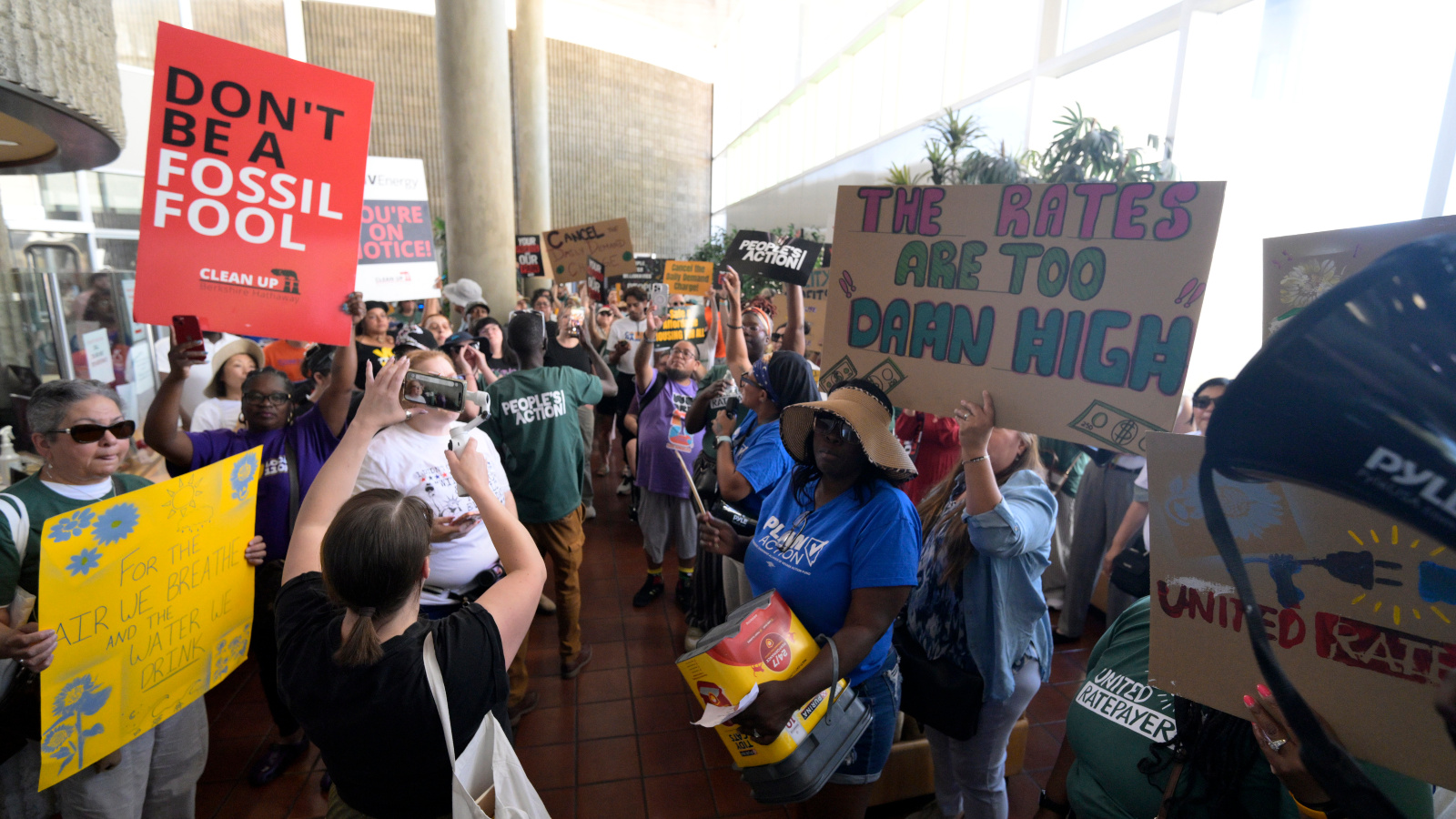
Despite the multi-million-dollar contributions, the industry continues to struggle with its image. An August 2026 poll conducted by The Texas Politics Project found that 57 percent of Texans oppose the construction of data centers in their immediate communities. The primary drivers of this sentiment are concerns over the "hidden costs" of tech growth: the strain on the electric grid, the depletion of local aquifers, and the potential for a "boom-and-bust" cycle similar to the historical experience of the oil and gas industry in West Texas.
Suzanne Bellsnyder, a publisher of two Panhandle newspapers, encapsulates the cautious optimism felt by many rural residents. "There is no question that these data centers are an opportunity for rural communities that are living in the margin," Bellsnyder says. "But I hope their intentions are good, and they’re not just trying to buy these communities off."
Bellsnyder’s concerns are rooted in local history. She points to the town of Spearman, which was built around the infrastructure of a single industry. When that industry eventually shuttered its operations, the town was left without a diversified economic plan. The fear is that if data centers eventually become obsolete or shift their operations elsewhere, the communities will be left with degraded infrastructure and a hollowed-out economy.

Official Responses and Corporate Strategy
The companies involved argue that their investments are not merely PR exercises but necessary components of being a "good neighbor." Nathaniel Brown, director of public relations for Rowan, emphasizes that the company’s integration strategy involves consistent, transparent communication. "This development doesn’t happen in a vacuum," Brown noted. "It needs to be able to fit into the community’s vision for their area."
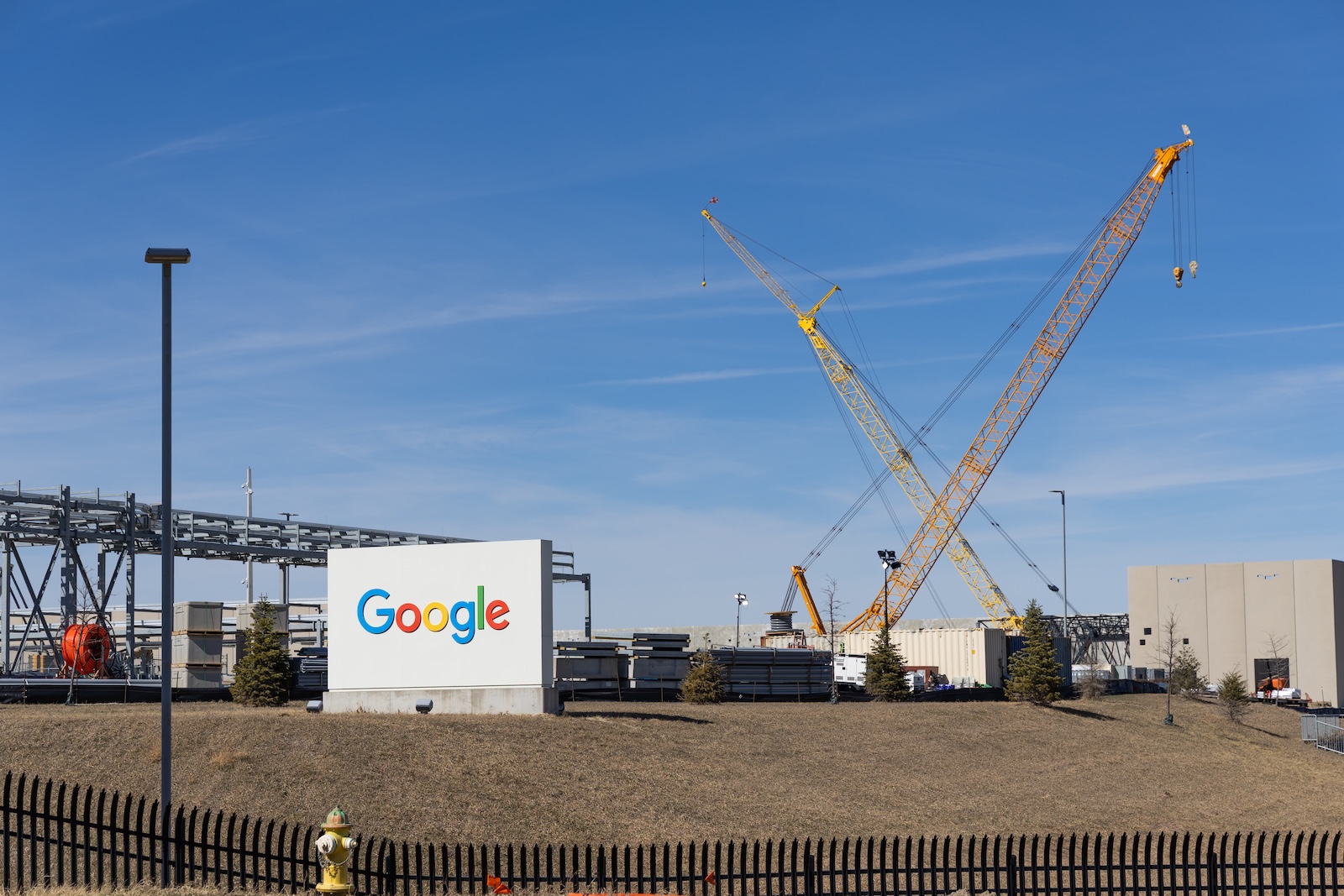
Google, which has been a major player in this space, has adopted a localized approach. Suzie Shin, manager of data center sustainability programs, describes the company’s $6 million pledge to towns near Abilene as an attempt to address the "watershed impact" of their operations. By funding water and wastewater modernization, the company aims to demonstrate that its presence benefits the local environment rather than detracting from it.
In Childress, David Shaw, COO of IREN, describes how his employees have gone beyond just funding, actively participating in the distribution of resources during recent water shortages. "We’ve been in Childress for around four years now, so it was important to us to establish that connection with the community," Shaw stated.
The Long-Term Implications for Rural Texas
The influx of capital into rural Texas is undeniably transformative, yet it carries profound structural implications. When a private corporation provides the water for a town, or the funds to renovate a community center, the traditional lines of civic accountability become blurred.
For city managers like Lynette Findley of Turkey, the reality is pragmatic: "Data centers get a ton of negative publicity, so I’m sure it is a little self-serving on their end. But to be honest, I don’t know what we would have done without their assistance."
This statement highlights the central tension of the current era: rural Texas is being forced to choose between the preservation of its traditional autonomy and the immediate necessity of basic infrastructure. As the legislature continues to limit the fiscal flexibility of municipalities, data centers are positioned to fill the void, effectively becoming the new, de facto landlords of rural development.
Whether this trend will lead to sustainable economic growth or create a new form of corporate dependency remains an open question. For now, the "white knight" of the data center industry continues to write checks, keeping the lights on and the water flowing in the most marginalized corners of the state. However, as the legislative session approaches and calls for further tax reform intensify, both local leaders and corporate developers will be forced to reconcile these short-term benefits with the long-term, systemic risks of tying a community’s future to the requirements of the global digital economy.