Dried Citrus Ornaments: A Sustainable and Aesthetic Holiday Craft
Dried citrus ornaments offer a natural, eco-friendly, and aesthetically pleasing alternative to traditional manufactured holiday decorations. Their vibrant colors, subtle scent, and customizable nature make them a highly sought-after DIY craft for individuals and families looking to add a unique touch to their festive decor. This article will delve into the comprehensive process of creating, preserving, and utilizing dried citrus ornaments, emphasizing their SEO relevance for crafting enthusiasts, eco-conscious consumers, and those seeking unique holiday embellishments. Understanding the keywords associated with this craft, such as "DIY citrus ornaments," "dehydrated fruit decorations," "natural holiday decor," "sustainable Christmas crafts," and "homemade ornaments," will be crucial for maximizing visibility and reach.
The process of creating dried citrus ornaments begins with the selection of suitable citrus fruits. Oranges are the most common choice due to their vibrant color and readily available nature, but lemons, limes, grapefruit, and even tangerines can be effectively used. The key is to select fruits that are firm, free of blemishes, and relatively uniform in size for even drying. The thickness of the slices directly impacts drying time and the final aesthetic. Slices that are too thin may burn or become brittle, while slices that are too thick may take excessively long to dry, leading to potential spoilage. A recommended thickness for most citrus slices intended for ornaments is approximately ¼ inch. Prior to slicing, it’s essential to thoroughly wash the fruits to remove any residual pesticides or dirt, ensuring a clean and safe final product. Using a sharp knife or a mandoline slicer guarantees clean, even cuts, which are vital for attractive presentation and efficient drying. A mandoline slicer, in particular, offers superior control over slice thickness, leading to a more consistent and professional-looking result. This precision is a key differentiator for crafters aiming for high-quality outcomes.
Once sliced, the citrus segments need to be prepared for dehydration. The most effective method for preserving the vibrant colors and aromatic oils of the fruit is low-temperature dehydration. This can be achieved through several methods. The most common and accessible is using a food dehydrator. Food dehydrators offer precise temperature control and consistent airflow, facilitating even drying and minimizing the risk of burning or spoilage. For optimal results, slices should be arranged in a single layer on the dehydrator trays, ensuring no overlapping, which can impede airflow and extend drying time. The recommended temperature for drying citrus is typically between 135°F and 140°F (57°C to 60°C). Drying times can vary significantly depending on the thickness of the slices, the humidity of the environment, and the specific dehydrator model, but generally range from 8 to 24 hours. Regular checking and flipping of the slices halfway through the drying process are essential to ensure uniform dehydration.
Alternatively, oven drying can be employed, though it requires more vigilance. Preheating the oven to its lowest setting, typically between 170°F and 200°F (77°C to 93°C), is the starting point. Place the citrus slices on a baking sheet lined with parchment paper, again ensuring they are in a single layer. Prop the oven door open slightly with a wooden spoon or oven mitt to allow moisture to escape. This method is more prone to uneven drying and potential burning if not monitored closely. Continuous rotation of the baking sheets and flipping of the slices are critical. Oven drying is often a faster process than using a food dehydrator, but it demands a higher level of attention to prevent the fruit from becoming charred. For those without specialized equipment, this method presents a viable, albeit more hands-on, solution.
Air drying is the most rudimentary method, relying on ambient air circulation and warmth. This is best suited for very dry climates. Arrange the slices on a wire rack in a well-ventilated area, away from direct sunlight which can cause discoloration. This method is the slowest and carries the highest risk of mold formation if humidity levels are not sufficiently low. While it requires no equipment, it is less reliable for producing consistently dried ornaments. The success of air drying hinges entirely on environmental conditions, making it a less predictable option for many crafters.
The "doneness" of the dried citrus slices is characterized by their flexibility and texture. Properly dried slices should be leathery and pliable, with no soft or moist spots. When bent, they should not crack or break. They will feel dry to the touch and will not stick together when handled. Over-dried slices will become brittle and prone to crumbling, which can detract from their aesthetic appeal and durability. Under-dried slices will remain susceptible to mold and spoilage, rendering them unsuitable for long-term decoration. A good indicator is to leave a few slices in the dehydrator or oven for an extra hour or two and observe the difference in texture. This iterative testing helps refine the drying process for future batches.
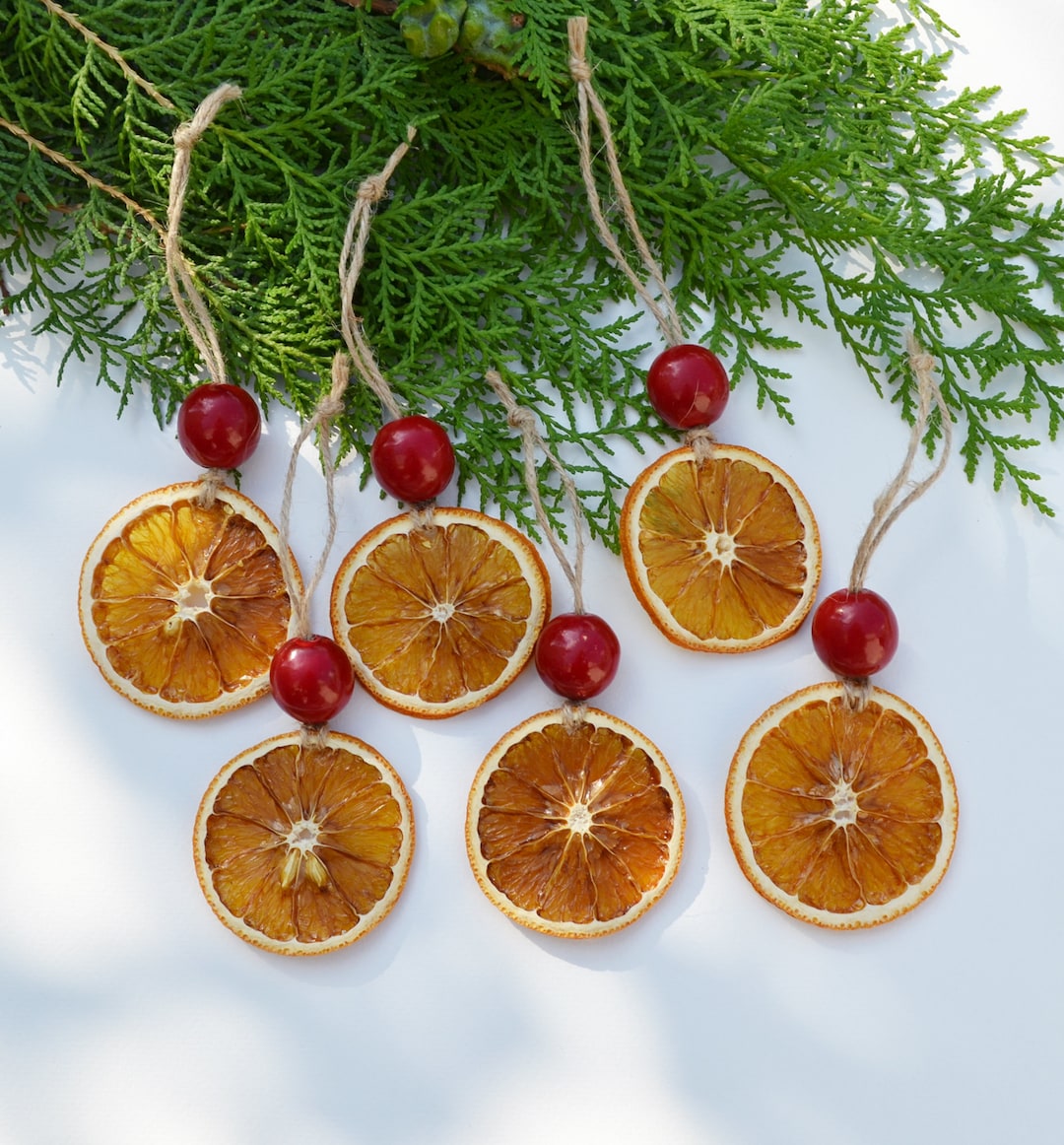
Once dehydrated, the citrus ornaments can be embellished and prepared for hanging. This is where creativity truly shines, and the opportunity for SEO optimization by incorporating terms like "decorated citrus slices," "customizable fruit ornaments," and "natural Christmas embellishments" becomes apparent. A small hole can be carefully pierced through the rind of each slice using a skewer, a small drill bit, or even a sturdy needle. This hole will serve as the attachment point for hanging. Using a hole punch can sometimes crush the delicate dried fruit, so caution is advised. Twine, raffia, or thin ribbon can then be threaded through the hole to create a loop for hanging. Natural fibers like jute or hemp twine enhance the organic feel of the ornaments.
To add further visual appeal and to seal the ornaments for longevity, a light coating of sealant can be applied. Mod Podge, a water-based glue and sealant, is a popular choice. It can be brushed on lightly to both sides of the dried citrus slices, providing a protective layer and a subtle sheen. For a more natural approach, a beeswax or clear acrylic sealant can also be used. Some crafters prefer to leave the slices unsealed, embracing their raw, natural beauty. Sealing, however, offers an added layer of protection against moisture and humidity, extending the lifespan of the ornaments, especially if they are to be stored and reused year after year. This aspect is crucial for those searching for "reusable natural ornaments" or "long-lasting fruit decorations."
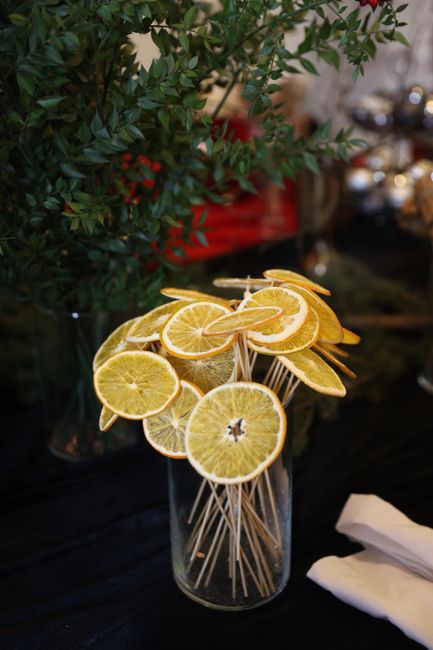
Beyond simple hanging, dried citrus slices can be incorporated into more elaborate decorative pieces. They can be glued onto wreaths made of evergreen branches or pinecones, adding pops of color and natural fragrance. Combining them with cinnamon sticks, star anise, or dried cranberries creates festive garlands and swags that are both visually appealing and aromatically delightful. These combinations are excellent for targeting keywords such as "natural wreath decorations," "DIY fruit garland," and "scented holiday decor." For a truly unique statement, dried citrus slices can be arranged and glued into intricate patterns on wooden boards or framed for wall art, offering a year-round appreciation of their natural beauty, appealing to searches for "natural home decor" or "botanical wall art."
The scent of dried citrus is another significant benefit, contributing to the overall holiday ambiance. As the ornaments dry, their natural oils are released, filling the air with a subtle, uplifting fragrance. This natural aromatherapy is a welcome alternative to synthetic air fresheners and is particularly appealing to individuals seeking "natural home scents" or "fragrant holiday decorations." To enhance the scent, a few drops of essential oils, such as cinnamon, clove, or orange, can be added to the sealant or directly to the dried slices before sealing. This allows for a personalized scent experience, aligning with searches for "custom scented ornaments."
The preservation of dried citrus ornaments is paramount for their longevity. They should be stored in a cool, dry place, away from direct sunlight and excessive humidity. Airtight containers are ideal for preventing moisture absorption. If stored properly, these ornaments can last for several years, making them a sustainable and cost-effective decoration choice, appealing to consumers searching for "eco-friendly holiday decorations" or "sustainable craft supplies." When retrieving them for display, a gentle dusting or a light wipe with a dry cloth can refresh their appearance. Any signs of mold or significant degradation indicate that it might be time to compost them and create a fresh batch.
The SEO value of "dried citrus ornaments" extends to their versatility as a craft. This DIY project appeals to a broad audience, from seasoned crafters to beginners, and families looking for engaging holiday activities. The inherent beauty and natural appeal of these ornaments resonate with the growing trend towards sustainable living and eco-conscious consumerism. As such, content focusing on "how to make dried orange slices for decor," "dehydrated lemon slice crafts," and "natural Christmas ornament ideas" will attract significant organic traffic. Furthermore, the visual nature of these ornaments makes them highly shareable on social media platforms, driving further interest and search queries related to "DIY holiday decor inspiration" and "aesthetic natural ornaments."
The economic aspect of dried citrus ornaments is also noteworthy. Compared to mass-produced plastic or glass ornaments, the cost of creating them from scratch is significantly lower, making them an accessible option for budget-conscious decorators. This economic advantage, coupled with their aesthetic and environmental benefits, solidifies their position as a popular holiday craft. The keywords "budget-friendly holiday decor" and "DIY natural ornaments" will attract individuals looking for cost-effective yet beautiful decorating solutions.
In conclusion, dried citrus ornaments represent a fusion of natural beauty, sustainability, and creative expression. Their creation involves a straightforward dehydration process, offering various methods to suit different needs and resources. Their application in holiday decor is extensive, ranging from simple hanging ornaments to elaborate garlands and wreaths. The natural fragrance and customizable nature further enhance their appeal. For individuals and businesses looking to capitalize on the popularity of eco-friendly and aesthetically pleasing holiday crafts, focusing on SEO strategies that incorporate keywords related to "dried citrus ornaments," "natural holiday decor," "sustainable crafts," and "DIY Christmas decorations" will be instrumental in reaching a wide and engaged audience. The enduring appeal of these vibrant, fragrant, and earth-friendly decorations ensures their continued prominence in the realm of holiday crafting.

