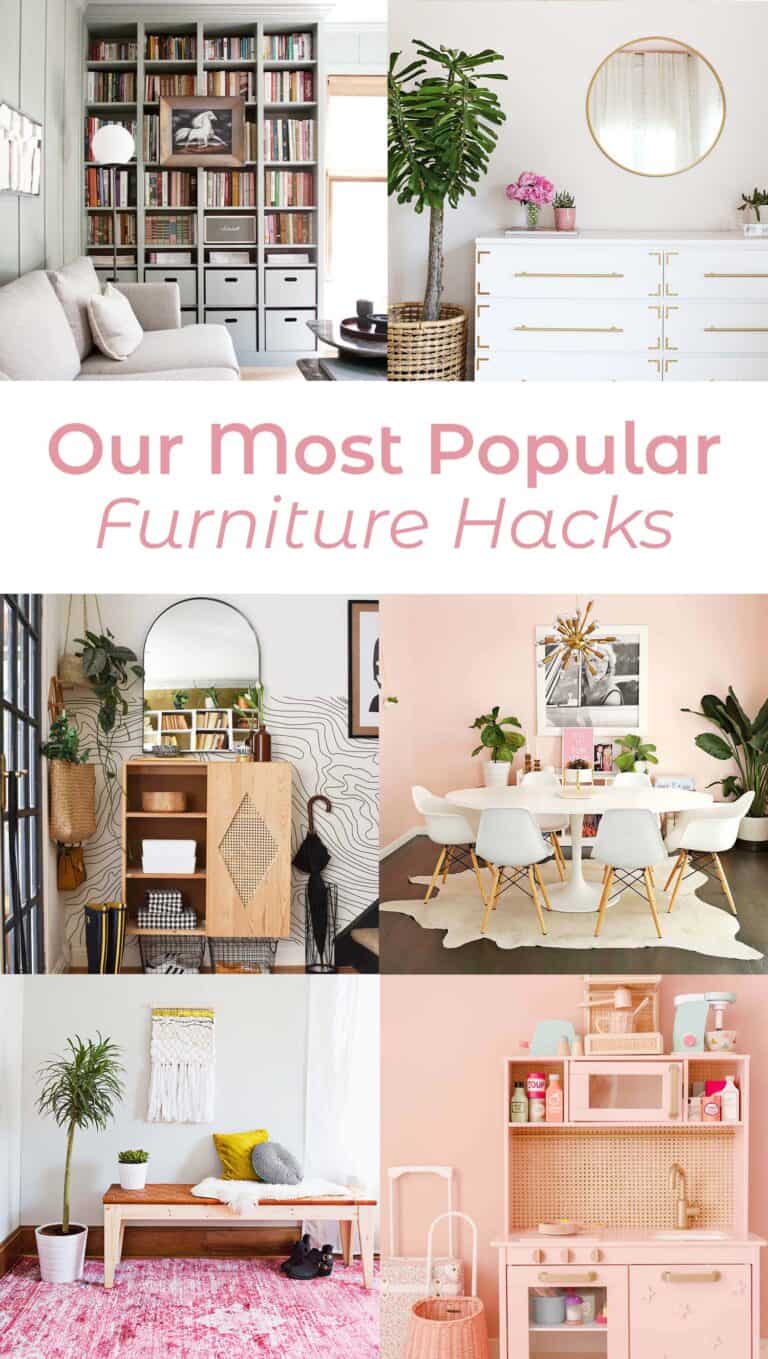
Unlock Your Space: Ingenious Furniture Hacks for a Smarter, Stylish Home
Transforming your living space doesn’t require a complete overhaul or a hefty budget. Furniture hacks, the art of repurposing, adapting, and creatively modifying existing or affordable pieces, offer a powerful and budget-friendly avenue to enhance both functionality and aesthetics. These clever solutions extend beyond mere DIY; they are about maximizing utility, injecting personality, and solving common household challenges with flair. From the smallest apartment dweller to the homeowner seeking to optimize their existing setup, furniture hacks provide a pathway to a more organized, stylish, and personalized environment. The core principle behind successful furniture hacking is observation: identifying underutilized potential in everyday items and seeing beyond their conventional use. This involves a willingness to experiment, a touch of ingenuity, and a keen eye for detail. By embracing this mindset, even the most basic furniture pieces can be elevated to serve new purposes, overcome spatial limitations, and reflect individual taste and needs. The following comprehensive exploration delves into a range of furniture hacks, categorized by room and function, offering actionable insights and inspiration for a smarter, more stylish home.
Living Room Transformations: Maximizing Style and Storage
The living room, often the heart of the home, demands both comfort and practicality. Furniture hacks can significantly elevate its functionality and visual appeal. One of the most impactful hacks involves the humble coffee table. Instead of a standard, static piece, consider a coffee table with integrated storage. Options abound: repurpose an old trunk by adding legs for a rustic, storage-rich center; invest in a lift-top coffee table that reveals hidden compartments for blankets, remotes, or gaming accessories; or even create your own by stacking vintage suitcases for a unique and easily adaptable surface. For smaller living rooms, ottomans become invaluable assets. Opt for storage ottomans that double as extra seating, footrests, and discreet repositories for magazines, throws, or children’s toys. Upholstering a plain cube ottoman in a bold fabric can instantly inject personality and act as a vibrant accent piece.
Sofa and seating solutions can also be dramatically improved. If you have a standard sofa without built-in storage, consider strategically placing slim, rolling storage carts or bookshelves alongside it. These can hold books, decor, or even act as impromptu side tables, keeping essential items within easy reach without encroaching on valuable floor space. For modular sofas, reconfiguring the sections can adapt to different needs, creating a chaise lounge for movie nights or separating into individual seats for entertaining. Furthermore, floating shelves above and around your sofa can dramatically increase display and storage options without occupying floor space. Think about displaying art, plants, books, or even small, decorative baskets for remote control organization.
Entertainment centers often become clutter magnets. Instead of a bulky, pre-fabricated unit, consider a modular approach. Combine affordable cube shelving units (like those from IKEA) with floating shelves and drawers or baskets to create a customized and adaptable entertainment hub. The open cubes can house media devices and decor, while the closed storage keeps wires and less aesthetically pleasing items hidden. Painting or wallpapering the back of the cube units can add a pop of color or texture, further personalizing the space. For a minimalist aesthetic, consider mounting your TV on the wall and utilizing sleek, wall-mounted media consoles with integrated cable management.
Kitchen and Dining Area Efficiency: Smart Storage and Multi-Functional Pieces
The kitchen and dining area are prime candidates for furniture hacks, where efficient storage and multi-functional pieces can make a significant difference. Cabinet and pantry organization is paramount. Utilize tension rods to create extra shelves within cabinets, doubling your storage capacity for plates, bowls, or even spices. Stackable shelves are another excellent investment for maximizing vertical space. For deep pantries, consider rolling shelves or pull-out drawers to ensure everything is easily accessible. Repurposing old drawers from discarded furniture can create custom, slide-out spice racks or organizers within existing cabinets.
Dining tables can be more than just a place to eat. Extendable dining tables are a classic solution for small spaces, allowing you to expand seating when needed. However, consider even more inventive approaches. A console table that folds out into a dining table can be a space-saving marvel. Alternatively, a well-placed large island with seating can serve as both a prep area and a casual dining spot, eliminating the need for a separate dining table in smaller homes. For those with limited space, wall-mounted fold-down tables are incredibly practical, disappearing when not in use.
Chairs can also be adapted. If you have mismatched dining chairs, painting them all in the same color or fabric can create a cohesive and stylish look. Upholstering dining chair seats with a durable, wipeable fabric is a practical hack for families. Consider adding seat cushions with integrated storage for a subtle boost in functionality.
Bedroom Retreats: Comfort, Storage, and Serenity
Bedrooms are sanctuaries, and furniture hacks can enhance both their comfort and their ability to declutter. The bed itself offers immense storage potential. Platform beds with integrated drawers are a popular choice, but you can also create similar storage by placing under-bed storage bins on casters beneath a standard bed frame. For a more DIY approach, consider building a storage headboard with shelves and compartments for books, lamps, and personal items. Another ingenious hack is to use crates or modular shelving units to create a custom bed frame with built-in nightstands and storage.
Wardrobe and closet organization is a constant challenge. Maximize vertical space with closet stacking systems and hanging shelves. Drawer dividers are essential for keeping smaller items like socks and underwear tidy. Consider adding a full-length mirror to the inside of your closet door to save wall space. For clothing storage, fabric garment bags are excellent for protecting seasonal items, and vacuum-sealed storage bags can dramatically reduce the volume of bulky bedding or winter clothes.
Nightstands don’t have to be standard. A small stool, a stack of vintage books, or a floating shelf can serve as a perfectly functional and stylish nightstand, especially in smaller bedrooms where floor space is at a premium. The key is to ensure it’s at a comfortable height for accessing essentials like a lamp, phone, and water.
Home Office and Workspace Optimization: Productivity and Professionalism
Creating an efficient and inspiring home office is crucial for productivity. Furniture hacks can transform even the most compact corner into a functional workspace. Desk space is often limited. Consider a wall-mounted fold-down desk, which can be discreetly tucked away when not in use. A shallow console table can also serve as a surprisingly effective desk, especially when paired with a wall-mounted shelf above for monitor and storage.
Storage solutions are paramount in a home office to combat clutter. Bookshelves are a classic, but consider modular shelving units that can be configured to fit your space and needs. Pegboards are a fantastic and often overlooked hack for wall-mounted storage. They can hold office supplies, tools, headphones, and even small plants, keeping everything visible and easily accessible. Drawer units that slide under a desk or can be stacked offer enclosed storage for sensitive documents or electronics.
Cable management is essential for a clean and professional look. Invest in cable clips, ties, and sleeves to wrangle unruly cords. Holes drilled into the back of desks or shelves can also be used to thread cables through, keeping them out of sight. A simple basket or box placed behind the desk can house power strips and excess cables, creating a much tidier appearance.
Bathroom and Entryway Efficiency: Maximizing Small Spaces
Even the smallest areas of your home can benefit from strategic furniture hacks. In the bathroom, storage is often at a premium. Over-the-toilet shelving units are a classic space-saver. Shower caddies can be surprisingly versatile, not just for toiletries but also for organizing cleaning supplies. Hanging organizers for cabinet doors can provide additional space for smaller items. Consider repurposing small crates or baskets to group toiletries, makeup, or cleaning products, keeping them tidy and accessible.
The entryway is the first impression of your home, and it’s often a bottleneck for clutter. A bench with integrated storage is ideal for storing shoes, bags, or umbrellas. If space is extremely limited, a wall-mounted coat rack with a small shelf above for keys and mail is a practical solution. Floating shelves can be used to display decorative items or hold small baskets for essentials. Consider repurposing an old dresser or cabinet for entryway storage, painting it in a welcoming color and adding hooks for coats.
DIY Furniture Hacks: Budget-Friendly Customization
For the truly hands-on individual, DIY furniture hacks offer unparalleled customization and cost savings. Painting is one of the simplest yet most effective hacks. A fresh coat of paint can transform a tired piece of furniture into a statement piece. Experiment with bold colors, matte finishes, or even metallic accents. Stencils can add intricate patterns and designs.
Contact paper or wallpaper can be used to line drawers, update tabletops, or even cover entire furniture pieces for a dramatic visual change. This is particularly effective for giving a new lease of life to older, dated furniture. Fabric upholstery is another versatile option. Recovering chairs, ottomans, or headboards with new fabric can completely alter the style and feel of a room.
Hardware updates are often overlooked but can have a significant impact. Swapping out basic knobs and pulls on dressers, cabinets, or drawers for more decorative or modern options can instantly elevate the look of your furniture.
Repurposing and Upcycling: Giving New Life to Old Items
The core of furniture hacking often lies in repurposing and upcycling. An old ladder can be transformed into a unique bookshelf or a decorative display for plants. Wooden crates can be stacked and bolted together to create modular shelving, bedside tables, or even a quirky coffee table. Pallets are a popular choice for DIY projects, from building rustic coffee tables and benches to creating vertical gardens.
Old doors can be given a new lease of life as headboards, tabletop surfaces, or even rustic wall decor. Suitcases, as mentioned earlier, can be stacked to form coffee tables or used for under-bed storage. Even seemingly mundane items like tin cans can be painted and used as desk organizers or small planters. The key to successful repurposing is to look at an item’s form and potential rather than its original function.
Safety and Practicality: Essential Considerations for Furniture Hacks
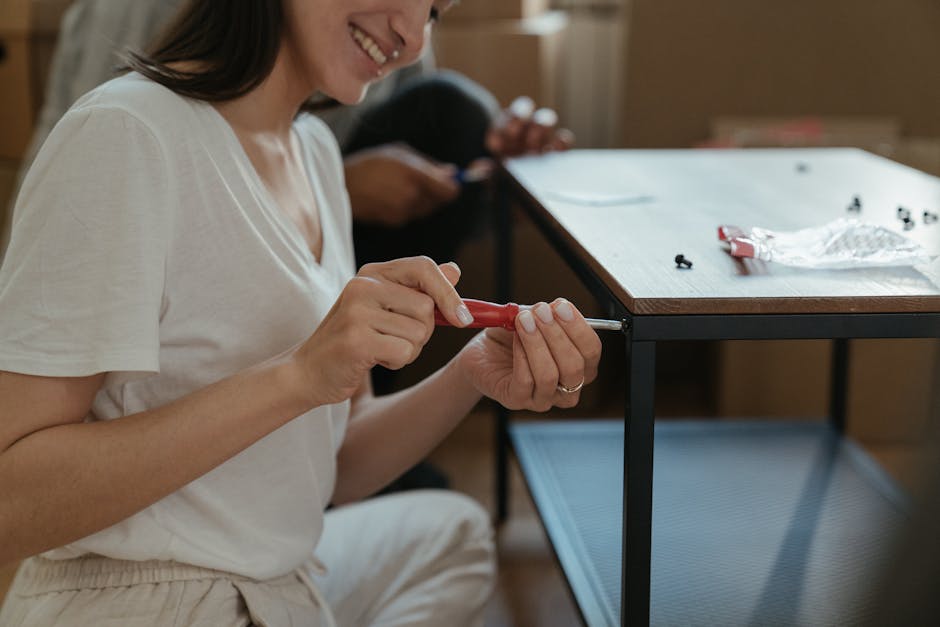
While creativity is key, safety and practicality must always be paramount when undertaking furniture hacks. Ensure all modifications are stable and secure, especially for pieces that will bear weight or be used by children. When stacking or building, use appropriate fasteners like screws, brackets, and wood glue.
For any modifications that involve drilling or cutting, wear appropriate safety gear, including eye protection and gloves. If you are unsure about a particular step or the structural integrity of a piece, consult with someone experienced in DIY or carpentry.
Consider the intended use of the furniture and choose materials accordingly. For example, in high-traffic areas or areas prone to spills, opt for durable and easy-to-clean finishes. When painting or using adhesives, ensure adequate ventilation to avoid inhaling fumes. Always follow product instructions for safety and optimal results.
By embracing the principles of observation, creativity, and practicality, furniture hacks offer an accessible and rewarding path to a more organized, stylish, and personalized home, proving that a little ingenuity can go a long way in transforming your living space.

