
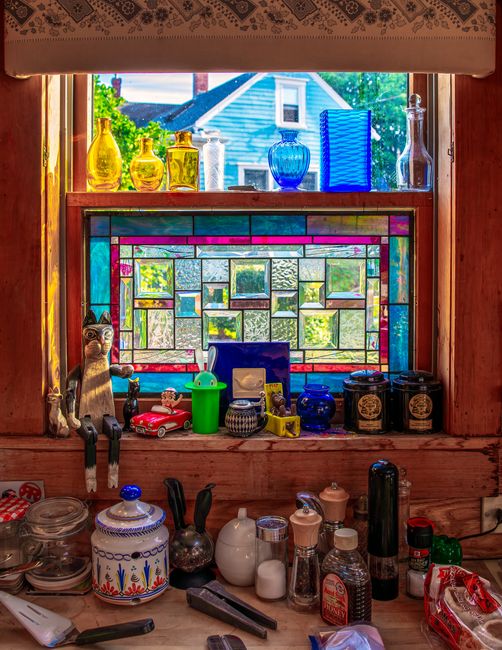
Stained Glass Tumbling Block Ornaments: A Comprehensive Guide to Crafting and Collecting
Stained glass tumbling block ornaments, a captivating fusion of geometric precision and vibrant color, offer a unique artistic challenge and a visually striking decorative element. These intricate creations, built from repeating diamond-shaped facets arranged in a tessellating pattern that mimics a three-dimensional cube in two dimensions, are highly sought after by collectors and crafters alike. Their creation requires a meticulous understanding of stained glass techniques, including precise cutting, soldering, and often, the use of lead came or copper foil. The tumbling block pattern itself, a classic optical illusion, lends itself beautifully to the inherent translucency and color saturation of stained glass, creating an enduring sense of depth and movement. This article delves deep into the world of stained glass tumbling block ornaments, exploring their historical context, the technical aspects of their creation, design considerations, popular applications, and the growing market for these artistic treasures.
The historical roots of the tumbling block motif are ancient, predating its widespread adoption in stained glass by centuries. This geometric pattern, also known as the Escher cube or the impossible cube, has appeared in various art forms and cultures, from M.C. Escher’s iconic lithographs to traditional quilt patterns and mosaic designs. Its appeal lies in its inherent paradox – a two-dimensional representation that suggests a three-dimensional, yet impossible, form. When translated into stained glass, this paradox is amplified by the interplay of light and color. The facets of the tumbling block pattern are typically arranged in a way that suggests three faces of a cube meeting at a vertex. In stained glass, this is achieved by carefully cutting and joining diamond or rectangular pieces of glass that, when viewed from a specific angle, create the illusion of depth. Early stained glass artists, drawn to geometric patterns for their structural integrity and visual appeal, would have readily embraced such a design, especially as techniques for cutting and assembling glass evolved. The Victorian era, with its penchant for intricate decorative arts and its renewed interest in medieval craftsmanship, likely saw a surge in the popularity of complex geometric stained glass designs, including the tumbling block. Today, stained glass tumbling block ornaments continue this rich tradition, offering a contemporary interpretation of an age-old visual puzzle.
Crafting stained glass tumbling block ornaments is a multi-step process demanding patience and precision. The foundational step is design. While the tumbling block pattern is fixed in its geometric arrangement, the choice of colors, glass types, and overall size offers immense creative freedom. A well-executed design will consider how light will pass through the different colors, creating subtle variations in hue and intensity. Color theory plays a crucial role; contrasting colors can enhance the perceived depth, while analogous colors can create a more harmonious and subtle effect. Once the design is finalized, the glass selection begins. A variety of stained glass types can be used, including cathedral glass (smooth, translucent), opalescent glass (opaque with milky swirls), and textured glass (offering unique light diffusion). The selection of glass will significantly impact the final appearance and the way light interacts with the ornament.
The next critical stage is glass cutting. Each facet of the tumbling block pattern must be cut with extreme accuracy. Using a glass cutter and a straight edge, precise diamond or rectangular shapes are scored and then broken. For tumbling block ornaments, the cuts are typically made at specific angles to create the illusion of depth. For example, in a common interpretation, three colors are used, representing the three visible faces of the cube. Each color will be cut into a series of alternating diamond shapes. The accuracy of these cuts is paramount; even minor discrepancies can disrupt the illusion and compromise the overall integrity of the ornament.
Following cutting, the edges of the glass pieces are smoothed using a grinder to remove sharp edges and ensure a clean surface for soldering or leading. The choice between the copper foil method and the lead came method is another significant decision. The copper foil method, often favored by beginners and for more intricate designs with smaller pieces, involves wrapping the edges of each glass piece in adhesive copper tape. The pieces are then arranged in their pattern and soldered together along the foil. This method allows for more flexibility in design and can create finer solder lines, enhancing the delicate appearance of the ornament.
The lead came method, a more traditional technique, uses U-shaped lead strips (came) that encase the edges of the glass pieces. The came holds the glass in place, and the joints are then soldered. This method creates a more robust ornament with a distinct, often darker, solder line that can provide a strong visual framework for the glass. For tumbling block ornaments, lead came can add to the structural integrity and provide a classic aesthetic. Regardless of the chosen method, careful adherence to the pattern is essential during assembly. Each piece must be positioned correctly to maintain the tumbling block illusion.
Soldering is a crucial and often challenging aspect of stained glass creation. Using a soldering iron and flux, solder is applied to the copper foil or lead came joints. The heat must be controlled to create a smooth, consistent bead of solder without overheating or damaging the glass. For tumbling block ornaments, the soldered joints form the lines that define the illusion. Clean, well-executed solder lines are vital for both structural soundness and aesthetic appeal. After soldering, the ornament is typically cleaned to remove flux residue and then polished to a shine. Many crafters also choose to apply a patina to the solder lines, which can alter their color, often turning them black or antique brass, further enhancing the visual contrast with the glass.
Design variations for stained glass tumbling block ornaments are virtually limitless. Beyond the choice of colors and glass types, artists can experiment with scale, creating small, delicate ornaments for Christmas trees or larger panels for windows or decorative hangings. The number of facets and the complexity of the repeating pattern can also be varied. Some designs might feature a simpler, more direct representation of the cube, while others might incorporate more intricate interlocking patterns or even abstract interpretations of the tumbling block principle. The addition of decorative solder work, such as beading or filigree, can further elevate the artistry of these ornaments. Moreover, incorporating different textures and finishes within the glass selection can create fascinating light effects. Frosted or iridescent glass can add another layer of visual interest, playing with the reflection and diffusion of light.
The applications for stained glass tumbling block ornaments are diverse. They are most commonly recognized as Christmas tree ornaments, where their geometric beauty and ability to catch and refract light make them a festive and elegant addition. Their three-dimensional illusion also lends itself to decorative hangings in windows, where they can create captivating light displays as the sun passes through them. They can also be incorporated into larger stained glass panels, acting as recurring motifs within a more complex design. Small, freestanding tumbling block ornaments can serve as desk accessories or paperweights, adding a touch of artistry to a workspace. The inherent durability of well-made stained glass allows for their use in various settings, from indoor décor to sheltered outdoor applications. Their unique visual appeal also makes them popular gifts, suitable for art lovers, puzzle enthusiasts, or anyone who appreciates handcrafted beauty.
The market for stained glass tumbling block ornaments is robust and growing, driven by both collectors seeking unique art pieces and individuals looking for distinctive decorative items. Independent artists and stained glass studios often sell these ornaments through online marketplaces, craft fairs, and their own websites. The price of a tumbling block ornament is influenced by several factors, including the complexity of the design, the quality and type of glass used, the skill of the artisan, and the size of the piece. Rare or vintage tumbling block ornaments can command significant prices among collectors. The resurgence of interest in handcrafted goods and artisanal products further fuels demand for these intricately made items. Collectors often seek out specific artists whose work they admire or look for particular color palettes or design variations. The inherent craftsmanship and the enduring appeal of the tumbling block pattern ensure their continued popularity in the decorative arts market.
When searching for stained glass tumbling block ornaments, keywords such as "geometric stained glass," "illusion stained glass," "3D stained glass ornament," "cubist stained glass," "impossible cube ornament," and "Victorian stained glass geometric" are highly effective for SEO. Including terms related to the crafting process, such as "copper foil stained glass," "lead came stained glass," and "handmade stained glass ornament," will also attract a discerning audience. Mentioning the decorative application, like "stained glass Christmas ornament," "window hanging stained glass," or "artisan stained glass decor," further refines search results.
In conclusion, stained glass tumbling block ornaments represent a compelling intersection of art, geometry, and craftsmanship. Their creation is a testament to the enduring appeal of optical illusions and the transformative power of light and color. From their historical antecedents to their contemporary applications, these ornaments continue to captivate and inspire. Whether as a cherished collectible, a festive adornment, or a personal artistic endeavor, the tumbling block pattern rendered in stained glass offers a timeless beauty that is both intellectually engaging and visually stunning, solidifying its place as a beloved form of decorative art.

