
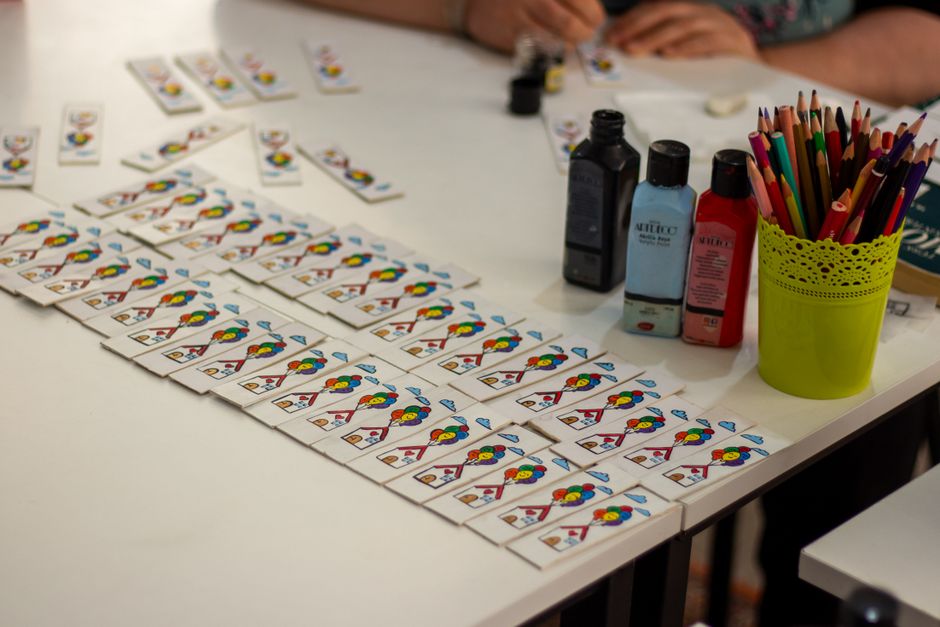
DIY Watercolor Luggage Tags: Personalize Your Travels with Unique, Handmade Embellishments
Creating personalized watercolor luggage tags offers a unique and artistic way to identify your belongings while adding a touch of individual flair to your travel gear. This comprehensive guide details the process, materials, and techniques required to craft beautiful, durable, and SEO-friendly watercolor luggage tags. The benefits extend beyond mere aesthetics; handmade tags are often more robust than mass-produced plastic versions and provide a distinctive identifier, making your luggage easier to spot on the carousel. Furthermore, the act of creation can be a relaxing and rewarding endeavor, turning a practical item into a personal statement. This project is also an excellent opportunity to upcycle materials and explore artistic expression, making it an eco-conscious and creative pursuit. The durability of well-made tags ensures they can withstand the rigors of travel, from checked baggage handling to being slung over the shoulder.
The foundation of your DIY watercolor luggage tags lies in selecting the appropriate materials. High-quality watercolor paper is paramount. Opt for cold-press watercolor paper, ideally 140 lb (300 gsm) or heavier. This weight provides sufficient stiffness to prevent warping when wet and offers a good texture for paint application. You can purchase this paper in sheets or pre-cut cardstock sizes. For a more substantial and professional finish, consider laminating your painted tags. Laminating pouches, a laminating machine (either heat or self-adhesive), and a hole punch are essential for this step. If you prefer a more rustic or eco-friendly approach, you can opt for thicker cardstock or even mount your painted watercolor onto a sturdy backing like chipboard or wood veneer, though this will alter the overall aesthetic and require different adhesive techniques.
When choosing your watercolors, you have several options. Pan watercolors, which are dry cakes of pigment, are convenient for travel and offer a wide range of vibrant colors. Tube watercolors provide a more concentrated pigment and are excellent for achieving richer hues and smooth washes. Both are perfectly suitable for this project. Complementing your paints are watercolor brushes. A few round brushes in varying sizes, such as a size 4, 8, and 12, will provide versatility for details and broader strokes. A flat brush can also be useful for laying down large washes of color. Don’t forget a palette for mixing your watercolors. A ceramic plate, a plastic palette, or even a disposable one will suffice. Water containers are also necessary; two are recommended: one for rinsing your brushes and one for clean water to mix with your paints.
Beyond the artistic supplies, you’ll need tools for assembly. A sturdy hole punch is essential for creating a loop for attaching the tag to your luggage. A ruler and a craft knife or scissors are needed for cutting your paper to size. For securing the tag, you’ll require a durable material for the loop. Twine, leather cord, or even sturdy ribbon are excellent choices. If you opt for lamination, a laminating machine and pouches are required. For attaching the painted watercolor to a backing, a strong adhesive like Mod Podge or a spray adhesive might be necessary. Consider the overall aesthetic you’re aiming for when selecting these finishing elements. A rustic twine will complement a more organic watercolor style, while a sleek leather cord might suit a more minimalist design.
Before you begin painting, it’s crucial to prepare your watercolor paper for the luggage tag dimensions. Standard luggage tag sizes can vary, but a common and practical dimension is around 3 inches by 5 inches. You can adjust these dimensions to suit your preference and the size of your luggage. Using a ruler and a pencil, lightly mark out your desired tag shapes on the watercolor paper. You can opt for simple rectangles, rounded corners for a softer look, or even more intricate shapes like circles or ovals. Precision at this stage will make the subsequent cutting and assembly much easier. If you plan to create multiple tags, it’s efficient to create a template to ensure consistency in size and shape.
The artistic process of creating your watercolor designs is where your personality truly shines. Begin by sketching a light design onto your watercolor paper if desired. This could be anything from abstract washes of color to simple botanical motifs, geometric patterns, or even your initials. For those new to watercolor, starting with simple techniques is recommended. Gradual washes are a fundamental technique, where you apply diluted paint to wet or dry paper to create smooth transitions of color. Layering is another key technique. Allow the first layer of paint to dry completely before applying subsequent layers. This builds depth and intensity in your colors. Wet-on-wet technique involves applying paint to wet paper, which allows the colors to bleed and blend softly, creating ethereal and organic effects.
Experiment with different color palettes to match your travel style or to create a cohesive look for all your luggage. Consider using complementary colors to create vibrant contrasts or analogous colors for harmonious blends. Don’t be afraid to experiment with color mixing on your palette. Understanding how colors interact will allow you to achieve a wider range of shades. For instance, mixing yellow and blue creates green, while red and yellow produce orange. Adding water to your paint will lighten the hue and create a softer effect. For more defined edges, use less water and more pigment. If you’re aiming for a distressed or vintage look, consider using salt while the paint is still wet. The salt will absorb some of the moisture and pigment, creating interesting crystalline textures as it dries.
Once your watercolor designs are complete and thoroughly dry, it’s time to prepare them for durability. If you’ve chosen to laminate your tags, carefully cut out your painted watercolor pieces, leaving a small border of about 1/8 inch around the painted area. Place each painted piece into a laminating pouch, ensuring it’s centered. Feed the pouch through your laminating machine according to the manufacturer’s instructions. The heat or adhesive will create a protective, waterproof seal around your artwork. Once cooled, trim the edges of the laminated pouch, again leaving a small border. This border is crucial to ensure the lamination is sealed and water cannot seep in.
If lamination isn’t your preferred method, you can mount your watercolor onto a sturdy backing. Cut your chosen backing material (chipboard, heavy cardstock, or wood veneer) to the same size as your watercolor painting. Apply a thin, even layer of strong adhesive, such as Mod Podge or a spray adhesive, to the backing material. Carefully place your watercolor painting onto the adhesive-coated backing, smoothing out any air bubbles. Allow the adhesive to dry completely according to the product’s instructions. Once dry, you can optionally seal the entire piece with a clear sealant like a spray varnish or another layer of Mod Podge for added protection.
The final step in creating your DIY watercolor luggage tags is attaching the loop and any additional embellishments. Using your hole punch, create a hole near the top of your tag, ensuring it’s positioned to accommodate your chosen loop material without compromising the design. Thread your twine, leather cord, or ribbon through the hole and tie a secure knot. For added security, you can use a knot like a fisherman’s knot or a double overhand knot. If you’re using a metal eyelet for an even more professional and durable finish, you’ll need an eyelet setter tool. Ensure the loop is long enough to comfortably attach to any suitcase handle or zipper pull.
Consider adding personalized details for enhanced functionality and aesthetic appeal. You can write your name and contact information on the back of the tag, either directly onto the watercolor paper before sealing or lamination, or on a separate piece of cardstock that you attach to the back. Waterproof pens are recommended for this purpose. For a more decorative touch, you can add small charms, beads, or even a tassel to your luggage tag loop. These can further enhance the uniqueness of your creation and make your luggage even more distinctive. Remember to consider the weight and bulk of any additions, as you don’t want them to snag or become a nuisance during travel.
For SEO optimization, integrating relevant keywords throughout the article is vital. Incorporate terms like "DIY luggage tags," "watercolor art," "handmade travel accessories," "personalized luggage tags," "crafting," "DIY travel," "unique gifts," "upcycling," "artistic luggage," and "customizable travel gear." Employing these keywords naturally within the text will improve search engine visibility for individuals actively seeking instructions and inspiration for creating their own unique luggage tags. The detailed instructions and material lists provided also contribute to the article’s helpfulness, which is a significant factor in SEO. Encouraging users to share their creations on social media with relevant hashtags can also amplify reach and engagement.
The durability of your handmade watercolor luggage tags is a key selling point and a factor in their practicality. By using high-quality watercolor paper, protective measures like lamination or sealant, and sturdy attachment materials, you can ensure your tags will withstand the rigors of travel. This longevity is a significant advantage over flimsy plastic tags. The unique artistic designs also make them less prone to being mistaken for someone else’s luggage, a common travel frustration. The ability to customize them with personal details further enhances their security and practicality.
The economic aspect of creating your own watercolor luggage tags should not be overlooked. While there is an initial investment in art supplies, the cost per tag is significantly lower than purchasing high-end designer luggage tags. This makes it an economical choice for frequent travelers or for creating multiple sets of tags for different trips or luggage pieces. Furthermore, it’s an excellent way to utilize existing art supplies you may already possess. The satisfaction of creating something beautiful and functional yourself adds an invaluable, non-monetary benefit.
The creative process can be adapted for various skill levels. Beginners can focus on simple color washes and basic shapes, while more experienced artists can experiment with advanced techniques like detailed botanical illustrations, intricate patterns, or even personalized portraits. The beauty of this DIY project lies in its scalability and adaptability. It’s a project that can grow with your artistic abilities and evolve with your travel needs. Consider creating themed tags for specific destinations or holidays. For example, beach-themed tags with blues and sandy tones for a tropical vacation, or festive designs for holiday travel.
In conclusion, creating your own watercolor luggage tags is an accessible, rewarding, and practical DIY project. It allows for immense personalization, artistic expression, and the creation of durable, functional travel accessories. By following these comprehensive instructions, selecting the right materials, and embracing your creativity, you can transform ordinary luggage into a stylish and easily identifiable statement piece for all your adventures. The combination of artistic appeal and practical utility makes this a highly desirable craft for any traveler. Remember to consistently use relevant keywords when discussing this project online to maximize its reach and appeal to a wider audience interested in personalized travel accessories and artistic endeavors. The SEO-friendly nature of this guide, combined with the inherent appeal of handmade items, ensures its value to both creators and search engines alike.

