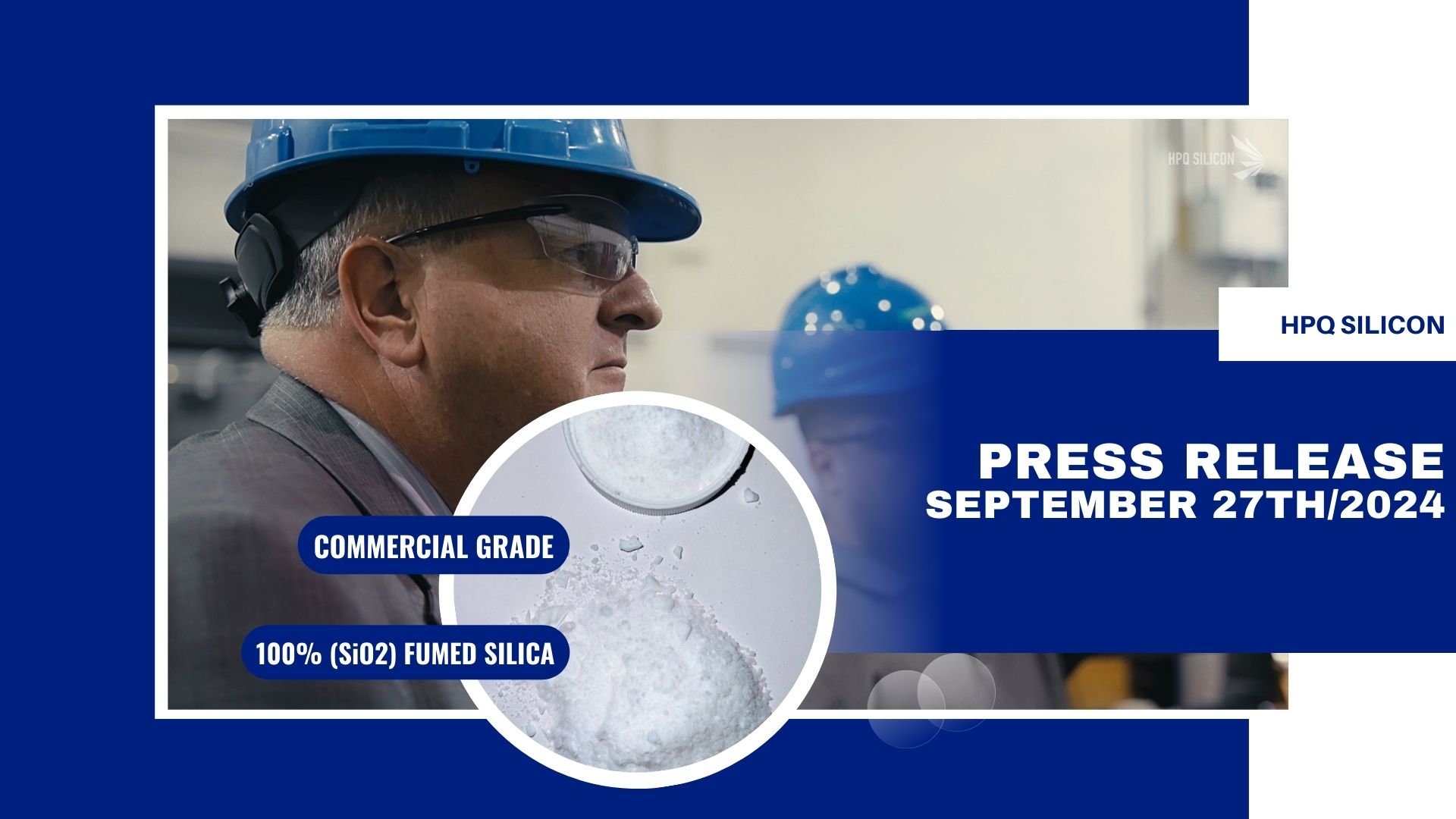

HPQ Silica: Fumed Silica Reactor Commissioning and Operational Excellence
The successful commissioning of a high-purity quartz (HPQ) silica fumed silica reactor represents a critical milestone in the manufacturing of advanced materials, underpinning a wide array of high-tech applications. Fumed silica, a synthetic amorphous silicon dioxide characterized by its extremely fine particle size, high surface area, and low bulk density, is produced through a flame hydrolysis process. This process involves the high-temperature reaction of silicon tetrachloride (SiCl₄) or other silicon-containing precursors with hydrogen and oxygen in a carefully controlled flame. The subsequent quenching, collection, and purification steps are paramount to achieving the desired purity and physical properties of the final HPQ fumed silica product. This article delves into the comprehensive commissioning process of an HPQ fumed silica reactor, outlining the critical stages, essential considerations for operational excellence, and the impact on product quality and market competitiveness.
The commissioning of an HPQ fumed silica reactor is a multi-phased endeavor, beginning with detailed engineering design and progressing through construction, pre-operational checks, functional testing, performance validation, and finally, continuous optimization. The engineering design phase is foundational, dictating the reactor geometry, material selection, burner configuration, gas flow dynamics, temperature profiles, cooling systems, and gas handling and scrubbing mechanisms. For HPQ fumed silica, material selection is particularly stringent. Reactor components must withstand extremely high temperatures (typically exceeding 1000°C), corrosive byproducts, and the abrasive nature of the silica particles. High-purity refractories, specialized alloys, and advanced ceramic materials are often employed. The burner design is critical for achieving uniform flame characteristics, ensuring homogeneous nucleation and growth of silica particles, and controlling particle size distribution and surface area. Sophisticated computational fluid dynamics (CFD) modeling is extensively used to optimize these parameters, predicting flame behavior, temperature gradients, and mass transfer within the reaction chamber.
Following the design phase, the construction and fabrication of the reactor and its ancillary systems commence. This includes the reactor vessel, feedstock delivery systems (for SiCl₄, hydrogen, oxygen, and potentially other dopants), combustion air supply, cooling jacket or heat exchanger, product collection systems (e.g., baghouses, cyclone separators), and crucially, the off-gas treatment and scrubbing system. The off-gas system is vital for environmental compliance, removing unreacted SiCl₄, HCl (a byproduct of the hydrolysis), and fine silica particulates before venting. Advanced scrubbing technologies, such as wet scrubbers using alkaline solutions or dry sorbent injection systems, are implemented to neutralize HCl and capture particulates. Rigorous quality control during fabrication, including weld integrity checks, dimensional accuracy, and material traceability, is essential to prevent premature failure and ensure operational safety.
The pre-operational testing phase is a meticulously planned sequence of checks and dry runs to verify the integrity and functionality of all reactor systems before introducing hazardous or high-temperature materials. This typically begins with hydrostatic or pneumatic testing of the reactor vessel and associated piping to confirm leak-tightness. Mechanical checks of all rotating equipment, such as pumps, blowers, and agitators (if applicable in downstream processing), are performed. Electrical system checks, including power distribution, control wiring, and instrumentation calibration, are paramount for accurate process monitoring and control. Safety systems, including emergency shutdown (ESD) mechanisms, interlocks, pressure relief valves, and gas leak detectors, are rigorously tested to ensure their reliable operation in critical situations. Functional checks of the feedstock delivery systems, verifying flow rates, pressure regulation, and shut-off capabilities, are conducted. The inerting and purging procedures of the reactor are tested to ensure the safe removal of oxygen prior to introducing flammable gases like hydrogen.
The next critical phase is functional testing, which involves introducing non-reactive or simulated feedstock materials and operating the reactor under controlled conditions. This might include purging with nitrogen and circulating inert gases to verify flow paths and pressure drops. If feasible, low-temperature inert gas combustion tests might be performed to assess burner ignition and flame stability without the high-temperature silica formation. The effectiveness of the cooling system is validated by circulating coolant and monitoring temperatures and flow rates. The product collection system’s efficiency is assessed by introducing a surrogate material or observing dust handling capabilities under simulated production conditions. Instrumentation and control loop tuning are performed during this phase to ensure accurate measurement of temperature, pressure, flow, and gas composition, and to achieve stable control of the process variables.
Performance validation is the most crucial stage of commissioning, where the reactor is operated with actual feedstock materials under intended process conditions to produce HPQ fumed silica. This begins with gradual ramp-up of feedstock flow rates and flame temperatures. The initial production runs are closely monitored to assess the reactor’s ability to achieve the target flame temperature, residence time, and mixing characteristics required for fumed silica synthesis. Key performance indicators (KPIs) are meticulously tracked:
- Particle Size Distribution (PSD): Measured by techniques like BET surface area analysis and transmission electron microscopy (TEM).
- Surface Area: Determined by the Brunauer-Emmett-Teller (BET) method, a critical parameter for fumed silica’s functionality.
- Purity: Assessed through inductively coupled plasma mass spectrometry (ICP-MS) or atomic absorption spectroscopy (AAS) for trace metal impurities. HPQ standards demand exceptionally low levels of contaminants.
- Bulk Density and Tapped Density: Important for handling, storage, and downstream processing.
- Hydrophilic/Hydrophobic Character: Influenced by surface chemistry and can be modified through post-treatment.
During performance validation, the impact of variations in feedstock composition, flow rates, oxygen-to-silicon ratios, and combustion parameters on the resulting fumed silica properties is systematically investigated. This data-driven approach allows for the fine-tuning of operating setpoints to optimize product quality and consistency. The off-gas treatment system’s performance is also critically evaluated during this phase, ensuring that emissions meet regulatory requirements and that HCl is effectively neutralized and captured. Efficiency of particulate capture in the product collection system is verified. Throughout this phase, comprehensive data logging and analysis are performed to build a robust understanding of the process envelope.
Transitioning from commissioning to continuous operation requires a robust operational excellence framework. This framework encompasses several key pillars:
-
Process Control and Automation: Advanced Distributed Control Systems (DCS) and Supervisory Control and Data Acquisition (SCADA) systems are essential for real-time monitoring, control, and optimization of reactor parameters. Implementing predictive control strategies and advanced process control (APC) algorithms can enhance stability, reduce variability, and improve energy efficiency. Automated shutdown sequences and alarms are critical for safety and preventing product loss.
-
Quality Assurance and Quality Control (QA/QC): A stringent QA/QC program is non-negotiable. This includes regular sampling and analysis of raw materials, in-process streams, and final HPQ fumed silica products. Establishing statistical process control (SPC) charts helps monitor trends, identify deviations early, and maintain consistent product quality. Calibration and maintenance of analytical instruments are crucial.
-
Maintenance and Reliability: A proactive maintenance strategy, including preventive and predictive maintenance programs, is vital for minimizing unplanned downtime and maximizing reactor availability. This involves regular inspections, lubrication, component replacement based on condition monitoring (e.g., vibration analysis, thermography), and meticulous record-keeping of all maintenance activities. Spare parts management is also critical to ensure rapid turnaround in case of equipment failure.
-
Safety Management: The operation of a fumed silica reactor involves high temperatures, flammable gases, and corrosive substances. A comprehensive safety management system, adhering to industry best practices and regulatory standards (e.g., OSHA, ATEX), is paramount. This includes rigorous hazard identification and risk assessment, development of standard operating procedures (SOPs), personnel training, emergency response planning, and regular safety audits. Process Hazard Analysis (PHA) techniques, such as HAZOP (Hazard and Operability Study), should be conducted and revisited throughout the operational life of the plant.
-
Environmental Management: Continuous monitoring and compliance with environmental regulations are essential. This involves diligent operation and maintenance of the off-gas scrubbing and particulate collection systems. Regular emissions testing and reporting are mandatory. Waste minimization and responsible disposal of byproducts are also key aspects of environmental stewardship.
-
Supply Chain and Raw Material Management: The quality of feedstock materials directly impacts the purity and properties of HPQ fumed silica. Establishing strong relationships with reliable suppliers of high-purity silicon tetrachloride and other reagents is crucial. Incoming raw material testing and quality verification are indispensable. Efficient inventory management of raw materials and finished goods ensures uninterrupted production and timely delivery to customers.
-
Continuous Improvement and Innovation: The fumed silica market is dynamic, with evolving customer demands for specialized grades with tailored properties. A culture of continuous improvement, driven by data analysis, feedback from customers, and research and development (R&D), is essential. This can involve exploring new reactor designs, optimizing combustion chemistry for novel particle morphologies, developing advanced post-treatment techniques (e.g., surface functionalization), and enhancing energy efficiency. Staying abreast of technological advancements in materials science and process engineering will drive competitive advantage.
The commissioning of an HPQ fumed silica reactor is not merely a technical undertaking but a strategic investment. The meticulous planning, rigorous execution, and unwavering commitment to operational excellence throughout the commissioning and subsequent operational phases are directly correlated with the ability to consistently produce high-purity fumed silica that meets the exacting demands of industries such as pharmaceuticals, electronics, coatings, adhesives, and composites. The success of this process ultimately underpins the manufacturer’s ability to capture market share, achieve profitability, and contribute to technological innovation. The precise control over particle size, surface area, and purity achieved through a well-commissioned and expertly operated reactor differentiates HPQ fumed silica from lower-grade alternatives, making it an indispensable component in advanced material formulations. The journey from a conceptual design to a fully operational, high-output facility is a testament to engineering prowess, stringent quality control, and a deep understanding of the complex science behind fumed silica synthesis.

