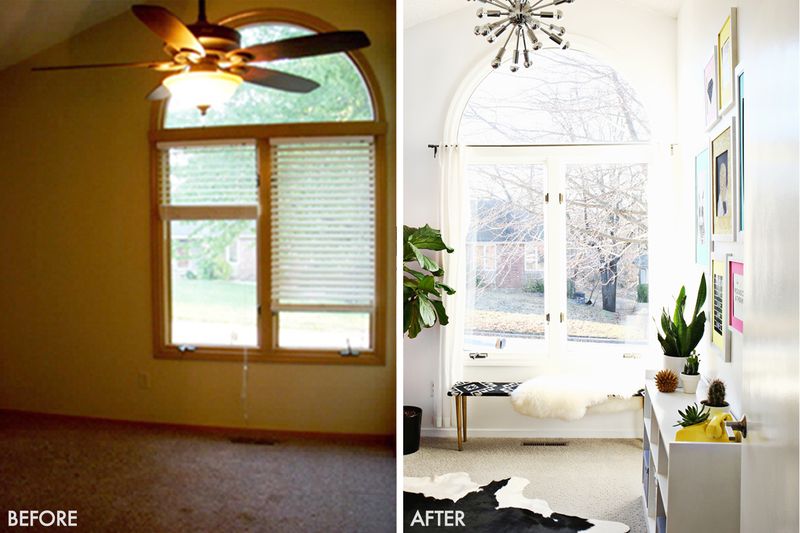
Laura’s Art Room Before and After: A Transformative Journey in Creative Space Design
The transformation of Laura’s art room from a cluttered, underutilized space into a highly functional and inspiring creative hub is a compelling case study in thoughtful design and intentional organization. This "before and after" narrative goes beyond mere aesthetics, highlighting how strategic adjustments can dramatically enhance productivity, reduce stress, and elevate the overall art-making experience. The initial state of Laura’s art room presented a common challenge: a space that, while intended for creativity, had become a repository for supplies, unfinished projects, and a general sense of disarray. This lack of organization not only hindered her ability to find materials but also stifled her creative flow, leading to frustration and a diminished desire to engage with her passion. The "before" picture depicted a room where art supplies were scattered, surfaces were covered with various mediums, and dedicated workspaces were either non-existent or compromised by the general clutter. Natural light, a crucial element for any artist, was likely diminished by the presence of obstructive furniture or an inefficient layout. This created a visually unappealing and functionally inefficient environment. The "after" showcases a meticulously planned and executed renovation, demonstrating the profound impact that dedicated art room design can have on an individual’s creative output and mental well-being. This article will delve into the specific strategies employed in Laura’s art room transformation, offering actionable insights and inspiration for anyone looking to optimize their own creative sanctuary.
The "Before" State: Identifying the Challenges in Laura’s Art Room
To understand the magnitude of the transformation in Laura’s art room, it’s essential to first meticulously detail its "before" state. This wasn’t just a matter of a few misplaced items; it was a systemic issue of spatial inefficiency and a lack of dedicated zones. The primary challenge was the overwhelming presence of an unorganized influx of art supplies. This included a chaotic assortment of paints in various mediums – acrylics, watercolors, oils – often squeezed into haphazard containers or left uncapped, leading to drying and waste. Brushes, ranging from fine detail to broad application, were likely jumbled together in cups, making it difficult to select the right tool for a specific task and potentially damaging bristles. Pencils, markers, charcoal sticks, and pastels were similarly dispersed, creating a visual cacophony and a constant scavenger hunt for desired colors or shades. Beyond the immediate art materials, the "before" scenario probably included stacks of paper, canvases leaning against walls, sketchbooks piled high, and various tools like palettes, palette knives, easels, and cutting mats contributing to the overall disarray.
Storage was a significant pain point. Instead of designated cabinets, drawers, or shelves, supplies were likely relegated to overcrowded bins, overflowing boxes, or simply placed on any available flat surface. This lack of a systematic storage solution meant that accessing frequently used items required navigating through a sea of less relevant materials, consuming valuable time and mental energy. Furthermore, the workspace itself was likely compromised. A primary work surface, perhaps a table or desk, was probably a battleground of drying paints, smudged paper, and tools, leaving little clear space for actual creation. This lack of dedicated, clean work areas meant that Laura might have been hesitant to start new projects, fearing the immediate mess and the effort required to clear a space. The room may have also suffered from poor lighting. While natural light is ideal, the "before" state might have had curtains drawn to protect materials from UV damage or simply because the natural light was insufficient due to the room’s orientation or obstructions. Artificial lighting, if present, might have been insufficient, overly harsh, or poorly positioned, casting shadows and making it difficult to accurately perceive colors. The overall ambiance of the room was likely one of stress and overwhelm, rather than inspiration and calm. The visual clutter translated directly into mental clutter, making it harder to focus, experiment, and truly immerse oneself in the artistic process. The room, in its "before" state, was a testament to the negative impact that disorganization can have on creativity.
The "After" State: Strategic Design and Organizational Solutions for Laura’s Art Room
The "after" state of Laura’s art room is a testament to the power of strategic design and meticulous organization, transforming a cluttered space into a highly functional and aesthetically pleasing creative sanctuary. The core of this transformation lies in the implementation of a systematic approach to storage, workspace allocation, and lighting optimization.
1. Intelligent Storage Solutions: A fundamental shift in the "after" state is the introduction of purpose-built storage solutions. Gone are the haphazard bins and overflowing boxes. Instead, Laura’s art room now features a combination of modular shelving units, deep drawers, and transparent containers. For paints, a dedicated paint rack or tiered shelving system keeps bottles upright and easily visible, categorized by medium or color. Acrylics might reside on one shelf, watercolors on another, with smaller tubes organized by hue. Brushes are now housed in purpose-made brush organizers, either upright in decorative jars or in flat trays that protect bristles. This prevents damage and ensures easy selection. Pencils, markers, and pastels are organized in divided drawers or specialized art supply cases, keeping them separated by type and color. Sketchbooks and pads are stored vertically on shelves or in filing cabinets, preventing dog-eared pages and allowing for quick retrieval. Larger items like canvases are either stored vertically in dedicated canvas racks or flat in large, shallow drawers. The key principle here is categorization and accessibility. Frequently used items are placed within easy reach, while less frequently used supplies are stored in a logical, albeit less immediately accessible, manner. Transparent containers play a crucial role, allowing Laura to see the contents at a glance without needing to open each one, saving time and reducing frustration.
2. Dedicated and Functional Workspaces: The "after" state prioritizes distinct and functional workspaces. A primary art table or drafting table is now the focal point, kept meticulously clear. This surface is dedicated solely to active creation, with only the immediate tools and materials required for the current project present. This "clean slate" approach encourages spontaneity and reduces the mental barrier to starting new work. Beside the main workspace, a separate area might be designated for specific tasks. For instance, a small cutting mat station with a ruler and craft knife, or a designated area for drying paintings, perhaps with a rack or a series of shelves. The inclusion of a comfortable chair that allows for proper posture during extended creative sessions is also a significant improvement. If Laura works with different mediums, separate small work areas might be established. For instance, a watercolor station that is easily cleaned and protected from dust, and a separate area for oil painting that might have better ventilation. The overall aim is to create distinct zones for different creative activities, minimizing cross-contamination of materials and reducing the feeling of being overwhelmed by a single, cluttered surface.
3. Enhanced Lighting and Ambiance: Lighting is a critical element in the "after" state, profoundly impacting the visual perception of colors and the overall mood of the room. Natural light, if available, is now maximized. This might involve the use of sheer curtains or blinds that allow light to filter in while offering UV protection. Any obstructions that previously blocked natural light have likely been removed or repositioned. Artificial lighting is now carefully integrated to supplement natural light and provide task-specific illumination. This could include overhead ambient lighting that provides a soft, even glow throughout the room, task lighting in the form of adjustable desk lamps or arm lights positioned directly over the work area to eliminate shadows, and perhaps accent lighting to highlight specific pieces of art or display shelves. The choice of bulb color temperature is also important, with artists often opting for bulbs that mimic natural daylight (around 5000-6500K) to ensure accurate color representation. The ambiance of the room has also been elevated. The clutter is gone, replaced by a sense of order and visual calm. Walls may have been repainted in a neutral or inspiring color. The presence of neatly organized art supplies, beautifully displayed finished works, and potentially plants or other decorative elements contribute to a more inviting and stimulating environment.
4. Efficient Flow and Accessibility: The layout of Laura’s art room in its "after" state has been re-evaluated to ensure an efficient flow of movement and accessibility to all areas. Frequently used items are strategically placed within arm’s reach of the primary workspace. Pathways are clear, allowing for easy navigation between storage areas, work surfaces, and any other functional zones. The "before" state likely had furniture arranged in a way that created bottlenecks or wasted space. The "after" arrangement prioritizes functionality and ergonomic considerations. The overall transformation of Laura’s art room is a powerful illustration of how thoughtful design and dedicated organization can not only improve the functionality of a space but also profoundly impact an artist’s well-being and creative output. The "before and after" narrative serves as a compelling argument for investing time and effort into optimizing one’s creative environment.
The Impact of Transformation: From Clutter to Creativity in Laura’s Art Room
The profound impact of the transformation in Laura’s art room extends far beyond the mere visual appeal of an organized space. The shift from its cluttered "before" state to its meticulously designed "after" state has directly influenced Laura’s artistic process, her productivity, and her overall mental well-being. In the "before" scenario, the constant visual noise and the physical struggle to locate materials created a pervasive sense of frustration. This friction in her workflow acted as a significant deterrent, often leading to procrastination or a general reluctance to embark on new creative endeavors. The mental energy that should have been dedicated to conceptualization and execution was instead consumed by the task of simply finding what she needed. This translated into wasted time, diminished creative momentum, and a feeling of being overwhelmed by her own passion.
The "after" state, characterized by intelligent storage, dedicated workspaces, and optimized lighting, has eradicated these obstacles. The ability to instantly locate any desired supply, from a specific shade of paint to a preferred brush, has dramatically streamlined her workflow. This efficiency translates directly into increased productivity. Projects that might have taken days to initiate due to the disorganization can now be started almost instantaneously. The clear, dedicated workspaces provide a mental cue that it is time to create, fostering a sense of focus and immersion. This reduction in friction allows Laura to enter a flow state more readily, where time seems to melt away, and her creativity can flourish unimpeded.
Beyond productivity, the transformation has had a significant positive impact on Laura’s mental well-being. The visual clutter of the "before" art room was a constant source of low-level stress. The "after" state, with its order and calm, has created a sanctuary. This organized environment fosters a sense of peace and control, allowing Laura to approach her art with a more relaxed and positive mindset. The reduction in frustration and overwhelm contributes to a greater sense of enjoyment in her creative pursuits. Furthermore, the improved lighting and the aesthetically pleasing arrangement of her workspace can be deeply inspiring. Seeing her art supplies neatly organized and her finished works proudly displayed can be a powerful motivator, reinforcing her identity as an artist and encouraging her to explore new techniques and ideas.
The transformation in Laura’s art room serves as a powerful testament to the symbiotic relationship between environment and creativity. It highlights that a well-designed and organized space is not a luxury but a necessity for artists seeking to unlock their full potential. The "before and after" narrative is a compelling argument for investing in thoughtful art room design, demonstrating that by addressing the physical and organizational challenges of a creative space, one can significantly enhance both the quantity and quality of their artistic output, while simultaneously cultivating a more fulfilling and less stressful creative journey. This transformation is a powerful reminder that the physical environment plays a crucial role in nurturing and facilitating the artistic spirit.
