Mastering Your Decor Plan: A Comprehensive Guide to Creation and Execution
A decor plan serves as the blueprint for transforming a house into a home, a functional space into an aesthetically pleasing environment. It’s a strategic document that consolidates all your design aspirations, functional needs, and budgetary constraints into a cohesive and actionable strategy. Without a well-defined decor plan, projects can quickly become chaotic, over budget, and ultimately, disappointing. This comprehensive guide will walk you through the essential steps of creating and executing a decor plan, ensuring your design vision comes to life efficiently and effectively.
Phase 1: Defining Your Vision and Objectives
The foundational step in creating a decor plan is to clearly define your vision and objectives. This involves a deep dive into your personal style, functional requirements, and the desired atmosphere for each space. Begin by identifying your overarching aesthetic. Are you drawn to modern minimalism, cozy bohemian, classic traditional, or perhaps a transitional blend? Research extensively, creating mood boards on platforms like Pinterest or by collecting magazine clippings. These visual aids will help you articulate your preferences and identify recurring themes, color palettes, and furniture styles. Consider the function of each room. A living room requires comfortable seating and good lighting for relaxation and entertainment, while a home office demands a productive and organized environment. Think about traffic flow, natural light sources, and how you intend to use each space. Furthermore, establish your non-negotiables. Are there specific pieces of furniture you must incorporate? Are there materials or colors you absolutely want to avoid? Documenting these upfront prevents costly changes later.
Phase 2: Budgeting and Prioritization
Once your vision is established, it’s crucial to translate it into a realistic budget. Break down your total budget into categories such as furniture, paint, lighting, flooring, window treatments, accessories, and labor costs (if applicable, for contractors, painters, electricians, etc.). Be thorough and research the approximate costs of items you envision. It’s advisable to add a contingency fund (typically 10-15%) to account for unforeseen expenses. Prioritization is key when budgeting. Identify which elements are most important to your overall vision and allocate funds accordingly. For instance, a statement sofa might be a higher priority than decorative cushions. Similarly, investing in quality flooring or a well-designed lighting scheme can have a significant impact on the longevity and feel of a space. Consider phased implementation if your budget is limited. You might decide to tackle larger furniture purchases first and gradually add accessories over time. This approach allows you to achieve a beautifully decorated space without overwhelming your finances.
Phase 3: Space Planning and Layout
Effective space planning is critical for both aesthetics and functionality. This stage involves determining the optimal arrangement of furniture and defining traffic flow within each room. Measure your space accurately, noting the placement of windows, doors, electrical outlets, and any architectural features. Utilize graph paper or digital tools like floor plan apps to create scaled layouts. Experiment with different furniture arrangements, considering how you will move through the room. Ensure there is ample space between furniture pieces for comfortable passage. For example, in a living room, ensure there’s enough space for conversation areas without feeling cramped. Consider the focal point of each room. This could be a fireplace, a large window with a view, or a piece of art. Arrange furniture to draw attention to this focal point. Pay attention to scale. Oversized furniture can overwhelm a small room, while too-small pieces can feel lost in a larger space. Always measure your furniture before purchasing to ensure it will fit your planned layout.
Phase 4: Color Palette and Material Selection
The selection of colors and materials profoundly impacts the mood and atmosphere of a space. Your mood boards and initial vision research will be invaluable here. Choose a cohesive color palette that flows throughout your home, or establish distinct palettes for individual rooms, ensuring they complement each other. Consider the psychological effects of colors: blues and greens can be calming, while reds and oranges can be energizing. Natural light also plays a significant role; lighter colors can make a room feel brighter and more spacious, while darker hues can create a sense of intimacy and warmth. When selecting materials, consider durability, maintenance, and aesthetic appeal. For flooring, options range from hardwood and tile to carpet and vinyl, each with its own pros and cons. For furniture upholstery, think about how the fabric will hold up to daily use and potential spills. Consider texture as well; mixing smooth, rough, shiny, and matte textures adds depth and visual interest. For example, combining a velvet sofa with a woven rug and a metallic accent lamp can create a richly layered look.
Phase 5: Furniture and Fixture Selection
This is where your vision begins to take tangible form. Based on your space plan, budget, and aesthetic preferences, select key furniture pieces and fixtures. Prioritize functional pieces that meet your needs for seating, storage, and surfaces. Consider the style and proportions of each item to ensure it aligns with your overall decor plan. When selecting seating, think about comfort, durability, and the number of people you typically host. For dining areas, choose a table and chairs that are appropriately sized for the space and your household. Lighting is another crucial element. A well-lit room is both functional and inviting. Incorporate a layered lighting scheme that includes ambient lighting (overhead fixtures), task lighting (for reading or working), and accent lighting (to highlight artwork or architectural features). Don’t forget hardware and fixtures like doorknobs, cabinet pulls, and faucets; these small details can significantly elevate the look of a space. Always check product dimensions and specifications to ensure they fit your intended placement and are compatible with your existing infrastructure.
Phase 6: Accessories and Finishing Touches
Accessories are the elements that inject personality and warmth into a decorated space. This stage involves selecting items like artwork, rugs, throw pillows, curtains, plants, and decorative objects. These elements allow you to express your individual style and tie together the various components of your decor plan. When choosing accessories, aim for a balance of form and function. A beautiful vase can hold flowers, and a well-placed rug can define a seating area and add warmth. Consider the scale and placement of accessories; avoid clutter by grouping items thoughtfully. Artwork can be a powerful statement; choose pieces that resonate with you and complement your color palette. Window treatments not only add privacy and light control but also contribute significantly to the overall aesthetic. Plants bring life and color into a space and can improve air quality. The goal is to create a curated look, not an overstuffed one. Each accessory should have a purpose, whether it’s decorative, functional, or both.
Phase 7: Execution and Implementation
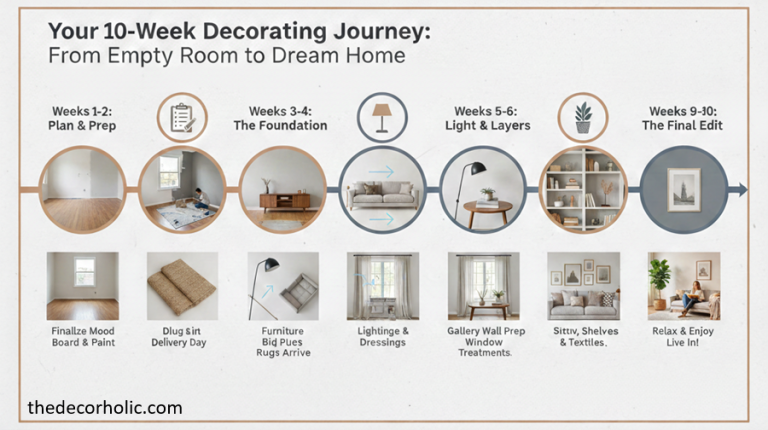
The execution phase is where your carefully crafted decor plan comes to life. This involves ordering furniture and materials, scheduling any necessary professional services, and undertaking the actual decorating work. Create a detailed timeline for this phase, breaking down tasks into manageable steps. This might include painting, flooring installation, furniture delivery, and hanging artwork. Communicate clearly with any contractors or service providers, providing them with your decor plan and expectations. Double-check all orders for accuracy and condition upon delivery. Be prepared for minor adjustments; sometimes, a piece of furniture might look slightly different in person, or a paint color might appear different under your home’s lighting conditions. This is where your contingency budget and flexibility come into play. During the execution, regularly step back and assess your progress against your decor plan. Are things unfolding as envisioned? Are there any unforeseen challenges? Address these promptly.
Phase 8: Refinement and Evaluation
Once the major decorating tasks are complete, it’s time for refinement and evaluation. This involves living in the space and making minor adjustments as needed. Pay attention to how the space functions on a daily basis. Is the furniture arrangement practical? Is the lighting adequate? Are there any areas that feel incomplete or out of place? This is the stage for tweaking and adding those final touches. Swap out cushions for a different look, rearrange decorative objects, or add a few more personal mementos. Over time, your needs and tastes may evolve. Your decor plan is not a rigid document; it’s a living guide that can be updated and adapted as your life and style change. Regularly evaluate your space to ensure it continues to meet your needs and brings you joy. This ongoing process of refinement ensures your home remains a reflection of your evolving self and remains functional and beautiful for years to come.

