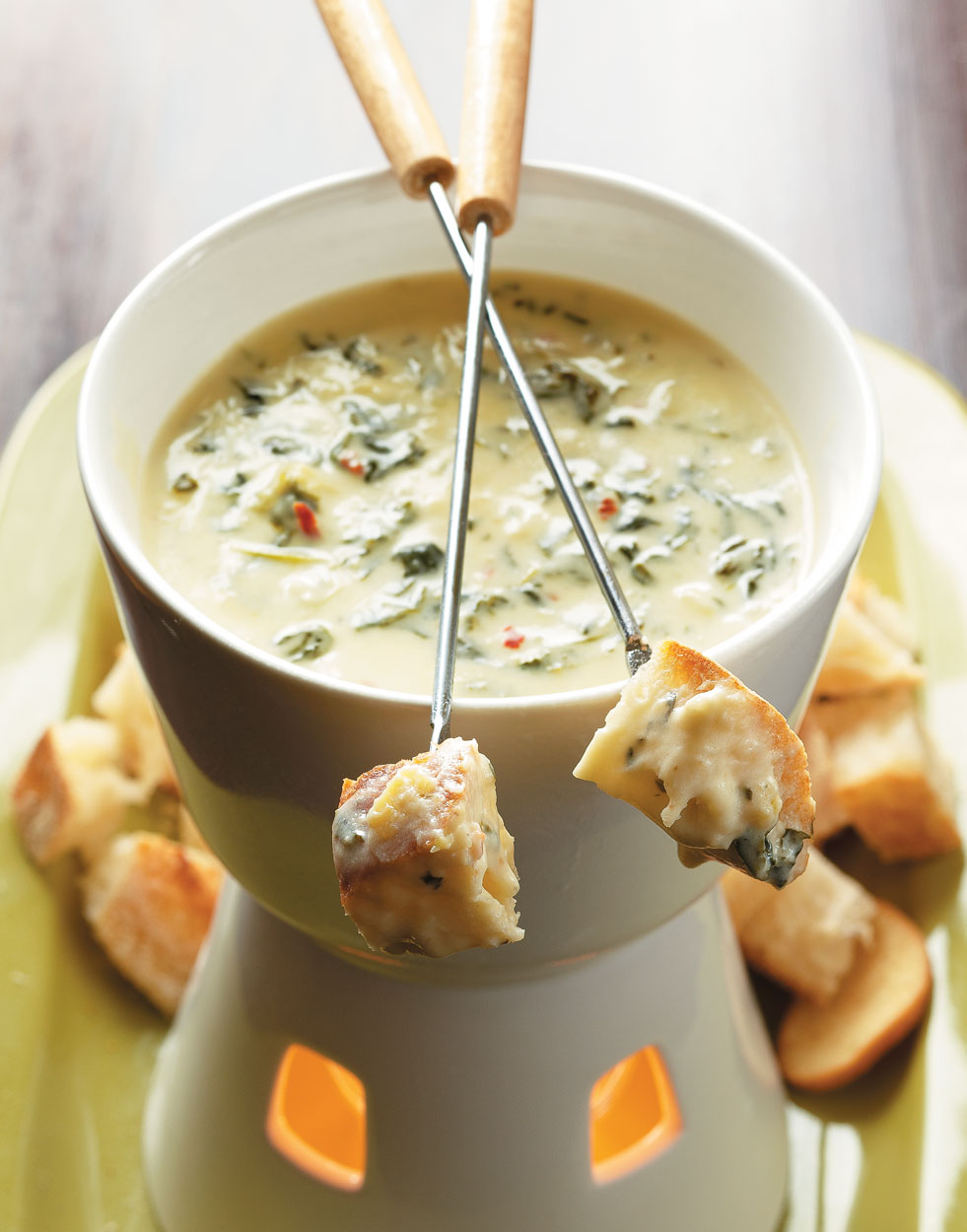
The Ultimate Guide to Spinach and Artichoke Fondue: A Culinary Revelation
Spinach and artichoke fondue transcends the typical appetizer, evolving into a rich, comforting, and remarkably versatile dish that can anchor a dinner party or serve as a star player in a casual gathering. Its creamy texture, balanced flavors, and interactive serving style make it a perennial favorite. This comprehensive guide delves into every facet of this beloved fondue, from its origins and core ingredients to advanced preparation techniques, ingredient variations, perfect pairings, and troubleshooting tips, all designed to empower home cooks and elevate their fondue-making prowess. Understanding the nuances of spinach and artichoke fondue begins with appreciating its fundamental components and the synergistic interplay they create. The earthiness of spinach, wilted to tender perfection, provides a vegetal counterpoint to the slightly tangy and fibrous heart of the artichoke. This duo, enrobed in a luxurious cheese sauce, forms the foundation of its irresistible appeal.
The foundation of any exceptional spinach and artichoke fondue is the cheese blend. While variations exist, a classic rendition typically employs a combination of Gruyère and Parmesan. Gruyère, a firm Swiss cheese, melts beautifully and contributes a nutty, slightly sweet complexity. Its creamy texture, when melted, forms a smooth base that coats the palate. Parmesan, a hard Italian cheese, adds a sharp, salty, and umami-rich dimension that cuts through the richness of the other ingredients. The combination of these two cheeses offers a sophisticated flavor profile that is both satisfying and complex. Beyond these staples, other cheeses can be incorporated to enhance the flavor and texture. Fontina, with its mild, buttery notes and excellent melting properties, can add an extra layer of creaminess. Monterey Jack or a mild cheddar can be used to introduce a touch of familiar comfort and a smoother, more pliable melt. The key is to select cheeses that melt well and complement each other without overpowering the distinct flavors of spinach and artichoke. A good rule of thumb is to aim for a blend that offers both depth of flavor and a lusciously smooth consistency.
Artichokes, the other namesake ingredient, require careful consideration. For the most authentic and flavorful fondue, fresh artichokes are ideal. This involves a bit more prep work, but the reward is a superior taste and texture. The process involves trimming the tough outer leaves, cutting off the top, and paring down the stem. The fuzzy choke, which is inedible, must be meticulously removed. The hearts, once exposed, can then be cooked until tender, usually by steaming, boiling, or roasting, before being chopped or puréed. However, convenience often dictates the use of canned or frozen artichoke hearts. Canned artichoke hearts, while readily available, can sometimes have a slightly metallic taste or a softer texture due to the canning process. Rinsing them thoroughly before use can mitigate some of these issues. Frozen artichoke hearts offer a good compromise between convenience and quality. They are typically blanched before freezing, preserving more of their natural flavor and a firmer texture. Regardless of the form, ensuring the artichokes are well-drained and chopped to a manageable size is crucial for even distribution within the fondue.
Spinach, the vibrant green counterpoint, also presents options. Fresh spinach, when sautéed until wilted, offers a bright, fresh flavor and a slightly chewy texture. It’s important not to overcook fresh spinach, as it can become watery and lose its vibrant color. Frozen spinach, when thawed and thoroughly squeezed to remove excess moisture, is a convenient alternative. This de-watering step is critical to prevent a watery fondue. The quality of frozen spinach can vary, so opting for brands that offer chopped or leaf spinach without added sauces is recommended. Regardless of the type of spinach used, the goal is to achieve a tender, flavorful addition that complements the richness of the cheese and the tang of the artichoke.
The creamy base of the fondue is typically achieved through a béchamel sauce. This classic French white sauce, made from a roux (butter and flour cooked together) and milk, provides a stable and smooth foundation for the melted cheese. The ratio of flour to butter and the cooking time of the roux are important for achieving the desired consistency. A pale roux, cooked for only a minute or two, is sufficient for fondue, as it doesn’t need to impart a nutty flavor and can otherwise overpower the delicate cheese notes. Slowly whisking in warm milk to the roux helps to prevent lumps and ensures a silky smooth sauce. The temperature of the milk is also important; adding cold milk to a hot roux can result in a lumpy sauce. Once the béchamel is thickened, the cheeses are gradually added and stirred until fully melted and incorporated.
Beyond the core ingredients and the béchamel base, flavor enhancers play a vital role in elevating spinach and artichoke fondue. Garlic, minced and sautéed until fragrant, is almost always a welcome addition, providing a pungent depth. A pinch of nutmeg, a classic companion to creamy sauces, adds a subtle warmth and complexity. White pepper, with its less assertive bite than black pepper, allows the other flavors to shine through. A splash of dry white wine, such as Sauvignon Blanc or Pinot Grigio, not only adds a layer of acidity that balances the richness but also helps to deglaze the pan when sautéing aromatics. For a touch of heat, a pinch of cayenne pepper or a dash of hot sauce can be incorporated. Some recipes even call for a hint of Dijon mustard for a subtle tang. The strategic use of these flavorings transforms a good fondue into an exceptional one.
Preparation techniques are crucial for success. The order in which ingredients are added matters. Sautéing garlic and any other aromatics in butter before building the béchamel is a common starting point. Cooking the spinach until wilted and squeezing out excess moisture is essential. For artichokes, ensuring they are finely chopped or puréed to a manageable consistency allows for even distribution throughout the fondue. When melting the cheese, it’s imperative to do so over low heat, stirring constantly, to prevent scorching or the cheese from becoming oily. Gradual addition of cheese is also key, allowing each addition to melt before adding more. For serving, a fondue pot or a slow cooker is ideal for maintaining the ideal serving temperature. The fondue should be kept warm enough to remain fluid but not so hot that it scorches.
Variations on the classic spinach and artichoke fondue abound, catering to diverse palates and dietary needs. For a lighter version, substituting some of the richer cheeses with a good quality cream cheese can achieve a creamy texture with fewer calories. For a dairy-free option, a base made from puréed cashews or silken tofu, combined with nutritional yeast for a cheesy flavor, can be employed. Plant-based milks, such as unsweetened almond or soy milk, can be used in the béchamel. Incorporating other vegetables is another avenue for variation. Sun-dried tomatoes, chopped and added to the mixture, provide a concentrated burst of sweet-tart flavor. Roasted red peppers, puréed or chopped, contribute sweetness and a smoky undertone. Mushrooms, sautéed until golden brown, can add an earthy depth. For those who enjoy a bit of spice, jalapeños, finely diced and sautéed, or a sprinkle of red pepper flakes can add a welcome kick.
Pairing spinach and artichoke fondue with the right dippers is as important as the fondue itself. The traditional accompaniment is crusty bread, such as baguette slices or ciabatta, cut into bite-sized pieces and lightly toasted. Vegetables offer a healthier and visually appealing alternative. Broccoli florets, cauliflower florets, cherry tomatoes, bell pepper strips, and carrot sticks all provide delightful textural and flavor contrasts. For a heartier meal, cooked pasta, such as penne or rotini, can be added to the fondue, transforming it into a pasta bake. Meats, such as cooked chicken pieces or sausage, can also be dipped, adding a savory element. For a more indulgent experience, potato wedges or even crispy fried chicken pieces can be paired. The key is to select dippers that offer a range of textures, from crisp and crunchy to soft and yielding, and flavors that complement the richness of the fondue without being overwhelming.
Troubleshooting common issues is essential for a stress-free fondue experience. If the fondue is too thick, gradually whisk in warm milk or a little of the reserved cooking liquid from the artichokes until the desired consistency is achieved. If the fondue is too thin, it may be due to insufficient roux or overcooked spinach releasing too much water. In such cases, a slurry of cornstarch or a little more cheese can help to thicken it. If the fondue appears oily, it may indicate that the heat was too high when melting the cheese, causing the fat to separate. Gently whisking in a tablespoon of warm milk or a small amount of cornstarch can help to emulsify the sauce. To prevent scorching, always cook the fondue over low heat and stir frequently. If a slight scorching does occur, try to carefully scrape away the burnt bits from the bottom of the pot without incorporating them into the main sauce.
The historical roots of fondue, while not directly linked to spinach and artichoke fondue in its modern form, provide context for its evolution. The concept of melting cheese and dipping bread originated in the Alps, particularly in Switzerland and France, as a way to utilize leftover cheese and bread during the winter months. These early versions were often simpler, relying on a few key cheeses and perhaps a touch of wine. The addition of spinach and artichoke is a more contemporary innovation, likely emerging from the popularity of spinach and artichoke dips in American cuisine during the latter half of the 20th century. The fusion of the classic fondue technique with these popular flavor profiles created a dish that resonated with a wide audience, offering a sophisticated yet approachable appetizer. The enduring appeal of spinach and artichoke fondue lies in its comforting nature, its impressive presentation, and its inherent sociability. It’s a dish that encourages communal dining, fostering conversation and connection around a shared culinary experience. From casual weeknight dinners to elegant celebrations, spinach and artichoke fondue remains a testament to the power of simple ingredients transformed into something truly magical. Its adaptability ensures its continued relevance, making it a recipe that home cooks can revisit and refine for years to come. Mastering this dish offers a rewarding culinary achievement, providing a delightful and memorable experience for both the cook and their guests. The depth of flavor, the luxurious texture, and the interactive nature of spinach and artichoke fondue solidify its place as a cherished classic in the repertoire of modern cuisine, a testament to the enduring appeal of comfort food elevated.

