
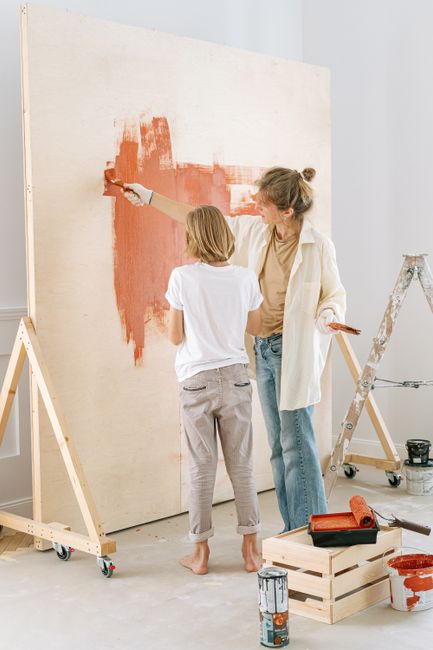
Elsie’s Guide to Painting with Kiddos: Unleashing Creativity and Minimizing Mess
Painting with children is a joyous endeavor, fostering creativity, fine motor skills, and sensory exploration. However, the prospect of glitter glue on the ceiling and watercolor splotches on the carpet can induce a sense of dread in even the most enthusiastic parent. Elsie’s guide demystifies the process, offering practical strategies and product recommendations to ensure a successful and enjoyable painting experience for both artist and adult. This guide focuses on age-appropriateness, material selection, and preparation to transform potential chaos into controlled bursts of artistic expression. Understanding the developmental stages of young children is paramount. For toddlers (ages 1-3), focus on large motor skills and sensory exploration. Chunky brushes, large paper, and washable tempera paints are ideal. Finger painting is also highly recommended, allowing direct sensory engagement. As children transition to preschool (ages 3-5), introduce smaller brushes, a wider range of colors, and more controlled techniques. They can begin to understand simple instructions and follow along with guided projects. School-aged children (ages 5+) can handle more intricate techniques, different paint mediums like watercolors and acrylics, and more complex artistic concepts. This age group benefits from opportunities for self-expression and experimentation.
The cornerstone of a successful painting session with kids is thoughtful material selection. Elsie emphasizes the paramount importance of washable paints. This single factor can dictate the difference between a cherished memory and a laundry nightmare. High-quality washable tempera paints are readily available in vibrant colors and are formulated to easily clean up with soap and water. Brands like Crayola, Tulip, and Faber-Castell offer excellent washable options suitable for various ages. For younger children, finger paints are a fantastic choice. These are often formulated with a thicker consistency, making them easier for small hands to manipulate and less prone to dripping. Explore brands that offer non-toxic, hypoallergenic formulas for sensitive skin. Watercolors offer a different sensory experience, allowing for translucent washes and the blending of colors. Look for beginner watercolor sets with a good range of hues. While generally less messy than tempera, watercolor spills can still stain, so proper protection is still advised. For older children ready for more advanced techniques, acrylic paints can be introduced. However, it is crucial to stress that acrylics are permanent once dry, making them a less forgiving option for the youngest painters. Always opt for non-toxic, artist-grade acrylics when possible, as they tend to be more pigment-rich and less prone to cracking.
Beyond the paints themselves, the tools of the trade require careful consideration. Brushes come in a multitude of shapes and sizes. For toddlers, chunky, oversized brushes with short handles are easier to grip and control. Think mop brushes or large foam brushes. As children grow, introduce round and flat brushes in various sizes. Nylon bristles are generally durable and easy to clean. Paper selection significantly impacts the painting outcome. For young children exploring large motor movements, large sheets of butcher paper or newsprint are cost-effective and provide ample space for energetic strokes. Cardboard also offers a sturdy surface for thicker paints. For watercolor and acrylics, watercolor paper or heavy cardstock will prevent buckling and tearing. Pre-primed canvases are an option for older children seeking a more formal art experience. Consider pre-cut shapes or coloring pages for guided activities. Water containers are essential for rinsing brushes. Two containers are recommended: one for initial rinsing and another for a cleaner rinse before switching colors. Yogurt cups or old plastic containers work perfectly. Palettes can be anything from old plastic plates to dedicated paint palettes. Encourage children to mix colors on their palette before applying them to the paper, fostering an understanding of color theory.
Preparation is not merely about setting out supplies; it’s about creating a paint-friendly environment. The first and most crucial step is protective clothing. Invest in an old t-shirt or a dedicated smock for each child. Long sleeves are highly recommended. Aprons made of waterproof material are also effective. Surface protection is equally vital. Cover your painting area with a plastic tablecloth, old newspapers, or a drop cloth. Extend the protection to chairs and any nearby furniture. Consider taping down the edges of your drop cloth to prevent it from shifting. Designate a specific "painting zone" and communicate this clearly to the children. This helps manage expectations and contains the artistic energy. When using less permanent paints like tempera and watercolors, you can afford to be a little more relaxed about floor coverage, but it’s still wise to have a washable rug or linoleum flooring in your designated area. Ensure good ventilation in your painting space, especially when using certain types of paints or glues. Open a window or use a fan to circulate the air.
The actual painting process with children can be approached in various ways. Free exploration is paramount for developing imagination and self-expression. Allow children to experiment with colors, textures, and techniques without rigid direction. Provide a variety of tools and materials and let their creativity flow. Guided painting offers structure and introduces specific skills or concepts. This could involve tracing shapes, painting a pre-drawn outline, or following a simple step-by-step process. This is particularly beneficial for younger children learning to follow instructions or older children exploring specific artistic techniques. Thematic painting can add an element of fun and engagement. Suggest painting a favorite animal, a scene from a book, or a holiday-themed picture. This provides a focus and can spark imaginative storytelling. Elsie’s philosophy champions embracing the mess as an integral part of the process, but with mindful strategies. The focus is not on achieving a perfect masterpiece, but on the joy of creation and the learning that occurs.
Clean-up strategies are as important as the painting itself. Elsie advocates for a proactive approach. Have your cleaning supplies ready before the painting begins. This includes sponges, paper towels, a spray bottle of water, and a mild soap solution. Encourage children to help with the clean-up. Assign age-appropriate tasks, such as wiping down tables, rinsing brushes, or putting away supplies. Make it a shared responsibility, turning a chore into a collaborative effort. For stubborn paint stains on clothing, pre-treat the area with a stain remover before washing. Promptly wash painted items to prevent stains from setting. For surfaces, a damp cloth is usually sufficient for washable paints. For more persistent marks, a mild all-purpose cleaner can be used, always testing in an inconspicuous area first. Drying brushes thoroughly after cleaning prevents mildew and prolongs their lifespan. Stand them upright with bristles facing upwards or lay them flat.
Beyond the practicalities, Elsie’s guide emphasizes the developmental benefits of painting for children. Painting is a powerful tool for developing fine motor skills. The act of gripping a brush, controlling its movement, and applying paint strengthens the small muscles in their hands and fingers, which are crucial for handwriting and other daily tasks. Hand-eye coordination is significantly enhanced as children learn to translate their visual ideas onto paper. The exploration of colors fosters color recognition and understanding. Children learn to identify different hues, understand primary and secondary colors, and experiment with color mixing. This lays a foundation for early science concepts related to color theory. Painting provides an invaluable avenue for self-expression and emotional release. Children can communicate their feelings, ideas, and experiences through their artwork, even if they lack the vocabulary to express them verbally. This can be particularly beneficial for children who are shy or have difficulty expressing themselves. The process of creating art builds confidence and self-esteem. Completing a painting, regardless of the outcome, gives children a sense of accomplishment and pride in their abilities. The unstructured nature of painting encourages problem-solving and critical thinking. Children must make decisions about color choices, brushstrokes, and composition, fostering their ability to think creatively and independently.
Troubleshooting common painting challenges is part of Elsie’s practical approach. Too much mess: This is a perennial concern. Reiterate the importance of protective gear and surface coverage. For younger children, limit the number of colors available at one time to reduce accidental spills and mixing chaos. Consider using paint sticks or markers for an even less messy alternative for very young artists. Child losing interest: If a child is becoming disengaged, don’t force it. Offer a break or suggest a different artistic activity. Sometimes, simply changing the medium or the subject matter can re-ignite their enthusiasm. Difficulty with brush control: For younger children, focus on broader strokes and encourage them to fill large areas. Introduce more refined control as they develop. Using larger brushes and thicker paint can make it easier for them to achieve desired results. Unwanted color mixing: Explain the concept of cleaning brushes between colors. Demonstrate the rinsing process. For older children, you can introduce the idea of creating muddy colors intentionally, but also emphasize the beauty of clean, vibrant hues.
Creative extensions and variations can keep painting fresh and engaging. Stamping: Use sponges, cut vegetables, or everyday objects dipped in paint to create interesting textures and patterns. Collage and painting: Combine painted elements with glued-on paper, fabric scraps, or natural materials for mixed-media artwork. Painting on different surfaces: Explore painting on rocks, leaves, cardboard boxes, or even fabric for unique projects. Sensory bins with paint: For very young children, a shallow bin with a small amount of washable paint and a few large brushes can provide a contained sensory experience. Shadow painting: Place objects on paper and paint around them to create interesting silhouette effects. Pointillism: Use the tips of brushes or cotton swabs to create art with dots. This is a great activity for developing fine motor control and patience.
Elsie’s guide is not about producing miniature Picassos; it’s about cultivating a lifelong love of art and creativity. It’s about providing children with the tools, knowledge, and confidence to explore their imaginations. By embracing washable materials, implementing smart preparation and clean-up strategies, and understanding the developmental benefits, painting with kiddos can transform from a daunting prospect into a rewarding and joyful experience. The lasting impression is not just the artwork created, but the memories of shared creativity and the fostered sense of artistic exploration.

