
Traditional vs. Evolutionary Winemaking: A Deep Dive into Craft, Science, and the Future of Wine
The spectrum of winemaking is vast, stretching from ancient, almost ritualistic practices passed down through generations to cutting-edge, scientifically driven approaches. Understanding the nuances between traditional and evolutionary winemaking is crucial for appreciating the diversity of wine and the philosophies that shape its creation. While "traditional" often evokes images of rustic cellars and time-honored techniques, and "evolutionary" suggests innovation and technological advancement, the reality is more fluid, with many winemakers occupying a space that blends both. This article will explore these two dominant philosophies, examining their core principles, methodologies, and the impact they have on the final wine, ultimately considering how they are shaping the future of this beloved beverage.
Traditional winemaking, at its heart, is characterized by a deep respect for the vineyard and minimal intervention in the winemaking process. The philosophy prioritizes allowing the natural characteristics of the grape and the terroir – the unique environmental factors of a vineyard, including soil, climate, and topography – to express themselves as fully as possible. This often translates to a hands-off approach, where the winemaker acts more as a guardian of nature’s work than an active manipulator. Key tenets of traditional winemaking include the reliance on indigenous yeasts for fermentation, meaning the wild yeasts present on the grape skins and in the winery environment are encouraged to initiate and complete fermentation. This contrasts sharply with the common practice of inoculation with commercially cultured yeast strains, which offer more predictable fermentation characteristics. Traditionalists believe indigenous yeasts contribute a more complex and nuanced flavor profile, a direct reflection of the vineyard’s microflora.
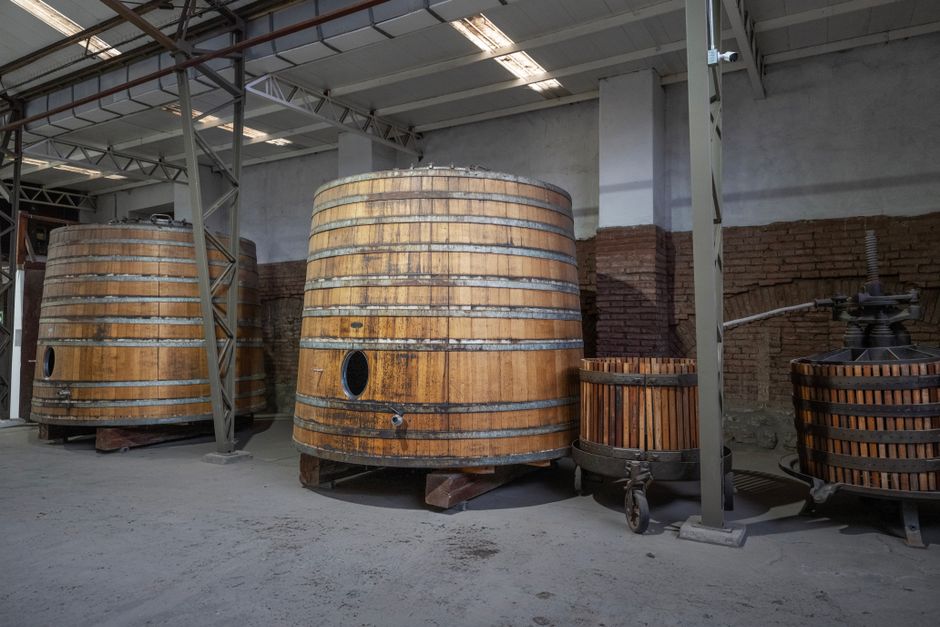
Another hallmark of traditional winemaking is a reluctance to employ artificial additives or processing aids. This means avoiding fining agents (substances used to clarify wine, such as bentonite or egg whites), which can strip certain flavor compounds, and excessive filtering, which can remove yeast lees and other sediment that contribute to mouthfeel and complexity. Sulfur dioxide (SO2), a common preservative and antioxidant in winemaking, is often used in minimal quantities, or even omitted entirely by some practitioners, though this carries a higher risk of spoilage. Fermentation vessels in traditional winemaking are often made from natural materials like oak, concrete, or clay (amphorae), materials that are believed to impart subtle micro-oxygenation and unique textural qualities to the wine. For reds, whole-bunch fermentation, where the grapes are fermented with their stems, is also a common technique, contributing tannin and aromatic complexity. Aging often occurs in large, neutral oak vessels (foudres) or directly in amphorae, allowing the wine to mature slowly and absorb subtle character without overt oak influence. The overarching goal is to produce a wine that is an authentic expression of its origin, a snapshot of a specific vintage and place, with an emphasis on longevity and the development of tertiary aromas and flavors over time.
Evolutionary winemaking, while still valuing the importance of the vineyard and terroir, embraces a more proactive and scientifically informed approach to shaping the wine. This philosophy doesn’t necessarily reject tradition but rather seeks to enhance, refine, and even push the boundaries of what is possible in winemaking. A primary distinction lies in the use of cultured yeast strains. Evolutionary winemakers often inoculate their must (unfermented grape juice) with specific yeast strains chosen for their ability to produce desired aromas, flavors, or to ensure a clean and efficient fermentation. This allows for greater control over the fermentation process, minimizing the risk of stuck fermentations or off-flavors associated with less predictable wild yeasts. While some argue this sacrifices complexity, proponents contend that by controlling fermentation, they can better showcase the primary fruit characteristics of the grape and create a more consistent and polished final product.
The use of processing aids and additives is also more commonplace in evolutionary winemaking. Winemakers may employ fining agents to achieve clarity and stability, filter to ensure microbial stability and remove unwanted sediment, and carefully manage sulfur dioxide levels to protect the wine from oxidation and spoilage. These tools, when used judiciously, are seen as ways to improve the wine’s shelf life, enhance its visual appeal, and ensure it reaches the consumer in its optimal state. Fermentation vessels can range from stainless steel tanks, which offer precise temperature control and neutrality, to smaller, new oak barrels designed to impart specific oak flavors and tannins. Temperature control during fermentation is a critical aspect of evolutionary winemaking, allowing for the extraction of specific compounds and the development of desired aromatic profiles. For example, cooler fermentation temperatures can preserve delicate aromatic compounds in white wines, while precise temperature management during red wine fermentation can optimize tannin extraction and color development. Aging often involves a more nuanced approach, with a variety of oak barrel sizes and toast levels employed, as well as alternative aging vessels like concrete eggs or stainless steel, depending on the desired outcome. The emphasis here is on precision, predictability, and the ability to craft wines that are both expressive of their origin and have broad consumer appeal due to their clarity, balance, and desirable flavor profiles.
The impact of these differing philosophies on the resulting wine is significant. Traditional wines often exhibit a more rustic, earthy character, with a pronounced savory profile and a complex, evolving bouquet of aromas and flavors that develop with age. They can be more challenging to appreciate initially, requiring patience and a willingness to explore deeper, more subtle nuances. Their texture is often described as more primal, with a tangible connection to the vineyard floor. The unpredictable nature of wild yeast fermentation can lead to unique, sometimes even wild, flavor profiles that are highly sought after by connoisseurs. The minimal use of SO2 can also contribute to a more vibrant, slightly spicier profile, though it does demand careful vineyard management and a higher risk of oxidation if not handled with extreme care.
Evolutionary wines, on the other hand, tend to be cleaner, brighter, and more immediately accessible. The fruit character is often more pronounced and defined, with a polished mouthfeel and a more predictable aromatic profile. They are designed for immediate enjoyment and are often characterized by their balance, precision, and consistent quality. The controlled fermentation and careful use of additives ensure a wine that is free from off-flavors and possesses excellent clarity and stability. The judicious use of oak can contribute desirable notes of vanilla, spice, and toast, enhancing the wine’s complexity and perceived quality. The goal is often to create a wine that is technically sound, aesthetically pleasing, and readily enjoyable across a wider audience.
However, the lines between traditional and evolutionary winemaking are increasingly blurred. Many winemakers today identify as practitioners of "natural" winemaking, which often overlaps with traditional principles by prioritizing minimal intervention, indigenous yeasts, and the absence of additives. Yet, even within the natural wine movement, there’s an evolution occurring, with winemakers using scientific understanding to better manage natural processes and mitigate risks. Conversely, many high-end, technically proficient winemakers are increasingly incorporating elements of traditional winemaking, such as longer macerations, whole-bunch fermentation, and aging in large, neutral vessels, to add complexity and textural interest to their wines. The concept of "terroir" is gaining renewed appreciation across the spectrum, with both traditional and evolutionary winemakers striving to capture the essence of their vineyard.
The future of winemaking likely lies in a synthesis of these approaches. The ongoing scientific advancements in viticulture and enology offer unprecedented tools to understand and manage the vineyard and the fermentation process. This knowledge can be applied not to homogenize wine but to enhance its natural expression and ensure its quality and longevity. We will likely see a continued emphasis on sustainable viticulture, minimizing the environmental impact of grape growing, which is a shared concern across both philosophies. The exploration of ancient grape varietals and forgotten winemaking techniques, often championed by traditionalists, will continue to enrich the diversity of wine. Simultaneously, the sophisticated understanding of yeast and bacteria, fermentation kinetics, and sensory analysis will allow for more precise and nuanced winemaking, even when adhering to minimalist principles.
Ultimately, the debate between traditional and evolutionary winemaking is not about a rigid dichotomy but about a spectrum of approaches, each with its own merits and contributions to the world of wine. Both philosophies are driven by a passion for the grape and a desire to create something meaningful and delicious. The evolution of winemaking is a testament to human ingenuity and our enduring fascination with this ancient beverage. By understanding these different approaches, consumers can gain a deeper appreciation for the diverse styles of wine available and the philosophies that guide their creation, enriching their journey through the captivating world of wine.

