
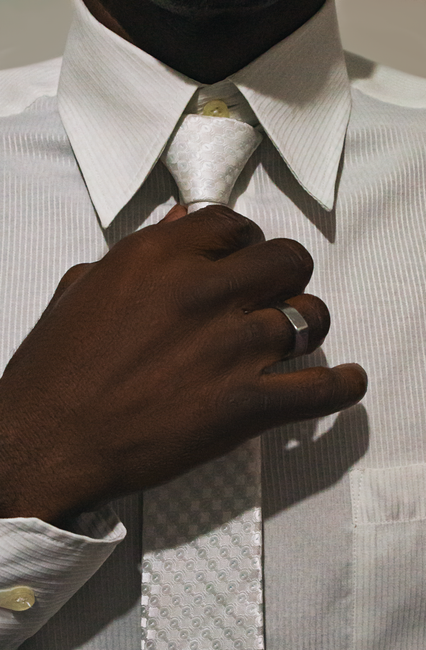
DIY Skinny Ties for Men: A Comprehensive Guide to Crafting Your Own Statement Accessories
The popularity of skinny ties for men has surged, transforming them from a niche accessory to a staple in the modern wardrobe. Their sleek silhouette offers a contemporary edge, effortlessly elevating anything from a sharp suit to a casual button-down. While purchasing a well-crafted skinny tie is certainly an option, crafting your own offers a unique opportunity for personalization, cost savings, and a deeply satisfying sense of accomplishment. This comprehensive guide delves into the intricacies of DIY skinny tie making, covering everything from fabric selection and pattern creation to the sewing techniques that will result in a polished, professional-looking accessory. Whether you’re a seasoned sewer or a curious beginner, this guide will equip you with the knowledge and confidence to create a collection of bespoke skinny ties that perfectly reflect your individual style.
Understanding Skinny Tie Dimensions and Proportions
Before embarking on your DIY journey, it’s crucial to understand the defining characteristics of a skinny tie. Unlike their wider counterparts, skinny ties typically measure between 1.5 to 2.5 inches (approximately 3.8 to 6.3 cm) at their widest point. The length can vary depending on individual height and preference, but a standard length usually falls between 57 and 60 inches (approximately 145 to 152 cm). The tapering of a skinny tie is also more pronounced. The blade, or the wider end, smoothly transitions into a narrower point, creating a streamlined aesthetic. These dimensions are essential for creating a pattern that will yield a proportional and aesthetically pleasing tie. When designing your own pattern, consider the proportions of the wearer and the type of garments it will be paired with. A tie that is too short or too wide can disrupt the overall balance of an outfit. Experiment with your existing ties to gauge your preferred dimensions, or research current trends for inspiration.
Fabric Selection: The Foundation of a Great Tie
The choice of fabric is paramount to the success and longevity of your DIY skinny tie. Consider not only the visual appeal but also the drape, weight, and ease of sewing. For a classic and sophisticated look, silk is an unparalleled choice. Its natural sheen and luxurious feel add an undeniable touch of elegance. However, silk can be slippery and challenging for beginners to work with. Look for silk dupioni for a bit more body and texture, or consider a silk blend for increased durability and easier handling. Wool offers a more textured and autumnal feel, providing excellent warmth and structure. Tweed, herringbone, and flannel are all excellent wool options that lend themselves well to a more casual or rugged aesthetic. Cotton is a versatile and affordable choice, offering a wide range of patterns and textures. Chambray, seersucker, and various cotton prints are popular choices for their breathability and ease of care. For a more modern and casual vibe, consider linen or linen blends. These fabrics offer a relaxed drape and a subtly textured appearance, perfect for summer or informal settings. When selecting fabric, always consider the weight. A tie that is too flimsy will lack structure and hang limply, while a fabric that is too heavy will be bulky and uncomfortable. Aim for a medium-weight fabric that has good drape and can hold its shape. Also, be mindful of the fabric’s weave. Tightly woven fabrics will generally be more durable and easier to press.
Essential Tools and Supplies
Before you begin cutting and sewing, gather all the necessary tools and supplies to ensure a smooth and efficient crafting process. You will need:
- Fabric: As discussed above, choose your desired material. You’ll typically need around 0.5 yards (0.45 meters) of fabric for one tie, depending on the width and length.
- Lining Fabric (Optional but Recommended): A lightweight lining fabric, such as silk habotai or a good quality cotton lawn, will provide structure, prevent the tie from becoming too limp, and hide any raw edges.
- Interfacing (Optional but Recommended): A lightweight to medium-weight fusible interfacing will add further body and crispness to your tie, especially if you’ve chosen a lighter-weight fabric.
- Sewing Machine: While hand-sewing is possible, a sewing machine will significantly expedite the process and produce more consistent stitches.
- Thread: Choose a good quality polyester or cotton thread that matches your fabric color.
- Fabric Scissors: Sharp fabric scissors are essential for clean and precise cuts.
- Rotary Cutter and Mat (Optional): For more precise cutting, especially on straight lines.
- Measuring Tape or Ruler: For accurate measurements.
- Fabric Marker or Chalk: For transferring pattern lines onto the fabric.
- Straight Pins: To hold fabric layers together.
- Iron and Ironing Board: Crucial for pressing seams and shaping the tie.
- Seam Ripper: For correcting any sewing mistakes.
- Paper for Pattern Making: Craft paper, tracing paper, or even large sheets of printer paper taped together.
- Tailor’s Ham or Sleeve Board (Optional): For easier pressing of curved seams.
Drafting Your Skinny Tie Pattern: The Blueprint for Success
Creating your own pattern is a rewarding step that allows for complete customization. You can either deconstruct an existing skinny tie or draft one from scratch based on your desired dimensions.
Method 1: Deconstructing an Existing Tie
- Carefully Unpick: Gently unpick the seams of an existing skinny tie that fits your desired dimensions. Be patient and avoid damaging the fabric.
- Iron Flat: Once unpicked, carefully iron the fabric pieces flat.
- Trace the Pieces: Lay the flattened fabric pieces onto your pattern paper and trace around them accurately. You will typically have three main pieces: the main body of the tie (which is usually cut on the bias for better drape), and two small pieces for the back loop and the keeper.
- Add Seam Allowance: Once you have traced the original shapes, add your desired seam allowance (typically 1/4 to 1/2 inch or 0.6 to 1.2 cm) around all edges of the traced pieces. This allowance is crucial for sewing the tie together.
Method 2: Drafting from Scratch
- Determine Dimensions: Decide on your desired tie length and width at the widest point.
- Draw the Blade: On your pattern paper, draw a long, tapered shape. Start with a rectangle for the widest point and then gradually taper it down to a sharp point at the other end. The length of this shape will be your desired tie length. The width of the top end will be your chosen widest point for the skinny tie.
- Calculate the Taper: The tapering should be gradual and even. You can use a ruler to guide your lines and ensure symmetry. The narrowest point at the tip of the tie can be as narrow as 0.5 to 0.75 inches (1.2 to 1.9 cm).
- Bias Cut Consideration: For optimal drape, ties are often cut on the bias of the fabric (at a 45-degree angle to the selvage). When drafting your pattern, consider how you will orient it on your fabric to achieve this bias cut. This means the longest point of your pattern should align with the diagonal of your fabric.
- Add Seam Allowance: As with deconstruction, add your desired seam allowance around all edges of your drafted pattern pieces.
- Create Small Pieces: Draft small rectangular pieces for the back loop and the keeper. The back loop should be wide enough to accommodate the tie and long enough to fold over and be sewn to the back of the tie. The keeper is a small loop that holds the narrow end of the tie in place.
Cutting Your Fabric: Precision is Key
Once your pattern is finalized, it’s time to cut the fabric.
- Pre-wash Fabric (Highly Recommended): If your fabric is washable, pre-wash and dry it according to the care instructions. This will prevent shrinkage after you’ve sewn your tie.
- Iron Fabric: Ensure your fabric is well-pressed and free of wrinkles.
- Lay Out Pattern: Carefully lay out your pattern pieces on the fabric. If you are cutting on the bias, align the longest edge of your main tie pattern piece with the diagonal of your fabric. Ensure you have enough fabric for all pieces, including the lining and interfacing if you are using them.
- Pin Securely: Pin your pattern pieces to the fabric to prevent any shifting during cutting.
- Cut Accurately: Using sharp fabric scissors or a rotary cutter, carefully cut along the outer edge of your seam allowance. For the main tie piece, you will typically need to cut two identical pieces, which will form the front and back of the tie. If using lining, cut two identical pieces from your lining fabric. If using interfacing, cut two identical pieces from your interfacing material. Cut the small pieces for the back loop and keeper from your main tie fabric.
The Sewing Process: Bringing Your Tie to Life
This is where your DIY skinny tie truly takes shape. Follow these steps for a professional finish:
- Prepare Interfacing (If Used): Fuse the interfacing to the wrong side of one of the main tie fabric pieces according to the manufacturer’s instructions. This piece will become the front of your tie.
- Sew the Main Tie Pieces:
- Place the two main tie fabric pieces right sides together.
- If you’ve cut a lining, place the two lining pieces right sides together.
- Starting at the narrow tip of the tie, sew along the long edge, continuing around the sides and up to the widest point, leaving a gap of about 2-3 inches (5-7.5 cm) open on one of the straight edges (this will be your turning and stitching gap). Use your determined seam allowance.
- Repeat this process for the lining pieces if you are using them.
- Clip Corners and Curves: Clip the seam allowance at the sharp point of the tie diagonally to reduce bulk. Clip small notches along the curved edges (if any) to help them lie flat when turned. Be careful not to clip into your stitching.
- Turn Right Side Out: Carefully turn both the main tie piece and the lining piece right side out through the opening you left.
- Pressing is Crucial: This is a critical step for a professional finish.
- Gently push out the seams with a pointed object (like a chopstick or a point turner) to ensure crisp edges, especially at the tip.
- Press both the main tie and the lining flat, ensuring the seams lie perfectly.
- Press the raw edges of the opening inwards, creating a neat fold that will be stitched closed later.
- Insert Lining (If Used):
- Slide the turned-out lining inside the main tie piece. The right sides of the lining and the main tie will now be facing each other.
- Align the edges of both pieces carefully.
- Press the seams flat.
- Stitch the Opening Closed:
- For a nearly invisible finish, hand-stitch the opening closed using a ladder stitch or slip stitch.
- Alternatively, you can topstitch close to the edge of the opening with your sewing machine.
- Sew the Outer Edges:
- Now, you will sew the outer edges of the main tie to enclose the lining (if used) and create the finished tie shape.
- Carefully align the edges of the main tie and the lining.
- Stitch along the entire outer edge of the tie, from tip to tip, using a 1/8 inch (0.3 cm) or 1/4 inch (0.6 cm) seam allowance. This will enclose all raw edges and give your tie a polished look.
- If you are not using a lining, you will be sewing the two main fabric pieces right sides together, turning, and then topstitching the entire outer edge.
- Create the Back Loop and Keeper:
- Back Loop: Fold the small fabric piece for the back loop in half lengthwise, right sides together. Sew along the long edge, leaving the ends open. Turn right side out and press. Fold the raw ends inwards and press.
- Keeper: Fold the small fabric piece for the keeper in half lengthwise, right sides together. Sew along the long edge, leaving the ends open. Turn right side out and press.
- Attach to Tie: Position the back loop on the back of the wide end of the tie, with the raw edges aligned and the loop extending outwards. Pin in place. Fold the keeper into a small loop and position it below the back loop, with the raw edges aligned. Pin in place. Topstitch around the back loop and the keeper to secure them firmly to the tie. You can also stitch a small "X" in the center of the back loop for extra reinforcement.
Final Touches and Care
After all your sewing is complete, give your tie a final press. Trim any stray threads. Your DIY skinny tie is now ready to wear!
When caring for your handmade ties, always follow the fabric care instructions. Silk and wool ties are often best dry-cleaned. Cotton and linen ties can typically be hand-washed or machine-washed on a gentle cycle, followed by air drying. Always press your ties when slightly damp to achieve the best results. Store your ties by rolling them or hanging them to prevent creases.
Creating your own skinny ties is a fulfilling and creative endeavor that allows you to express your personal style and build a unique accessory collection. By understanding the fundamentals of fabric, pattern making, and sewing techniques, you can produce high-quality, fashionable ties that rival any designer piece. Embrace the process, experiment with different fabrics and patterns, and enjoy the satisfaction of wearing a piece that you’ve crafted yourself.

