Quinoa Brussels Sprout Salad: A Nutrient-Dense, Flavorful Powerhouse for Optimal Health and Culinary Versatility
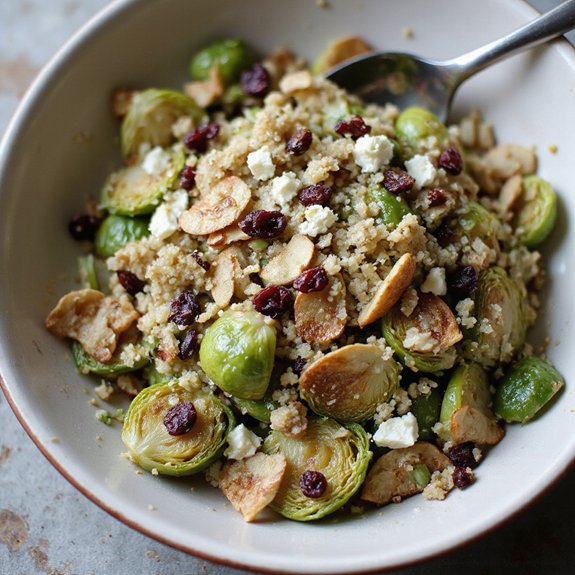
This Quinoa Brussels Sprout Salad transcends the typical side dish, emerging as a complete and utterly satisfying meal in its own right. It is a masterclass in combining wholesome ingredients to create a dish that is both exceptionally nutritious and delightfully flavorful. The foundation of this salad lies in two nutritional titans: quinoa and Brussels sprouts. Quinoa, often hailed as a "superfood," is a complete protein, meaning it contains all nine essential amino acids, making it invaluable for vegetarians, vegans, and anyone seeking to optimize protein intake. Beyond its protein profile, quinoa is rich in fiber, aiding digestion and promoting satiety, as well as a good source of iron, magnesium, and manganese, all crucial for various bodily functions. Its slightly nutty flavor and tender texture provide an excellent base, absorbing the vibrant dressings and complementary ingredients with ease. Brussels sprouts, once maligned for their sometimes bitter reputation, are now celebrated for their impressive health benefits and surprisingly versatile culinary applications. These cruciferous powerhouses are packed with vitamins C and K, essential for immune function and blood clotting respectively, and are a fantastic source of fiber, folate, and antioxidants. When prepared correctly, such as being roasted or blanched, Brussels sprouts lose their bitterness, developing a caramelized sweetness and a pleasingly tender-crisp texture that adds a delightful counterpoint to the soft quinoa. The combination of these two core ingredients creates a salad that is not only satisfying but also deeply nourishing, contributing to overall well-being, energy levels, and a robust immune system. This salad is inherently gluten-free, making it an accessible and safe option for individuals with gluten sensitivities or celiac disease. Its plant-based nature also positions it as an excellent choice for those following vegetarian or vegan diets, offering a substantial and protein-rich alternative to animal-based meals. The strategic pairing of these ingredients addresses key nutritional needs, providing a balanced array of macronutrients and micronutrients that support a healthy lifestyle.
The nutritional prowess of this Quinoa Brussels Sprout Salad extends far beyond its primary components. The inclusion of various complementary ingredients further amplifies its health benefits and sensory appeal. For instance, a common and highly recommended addition is toasted nuts or seeds, such as almonds, walnuts, pecans, or pumpkin seeds. These provide an additional layer of healthy fats, contributing to cardiovascular health and aiding in the absorption of fat-soluble vitamins present in the salad. They also introduce a satisfying crunch, enhancing the textural complexity of the dish. Moreover, nuts and seeds are excellent sources of minerals like zinc, selenium, and copper, which play vital roles in immune function, antioxidant defense, and energy metabolism. Dried fruits, such as cranberries, raisins, or chopped apricots, offer a natural sweetness and a chewy texture, balancing the savory and slightly bitter notes of the Brussels sprouts. While providing a delightful flavor enhancement, these fruits also contribute valuable antioxidants and a small amount of fiber. It is important to note that dried fruits are concentrated sources of sugar, so moderation is key, especially for individuals managing blood sugar levels. Fresh herbs, such as parsley, mint, or cilantro, are indispensable for their vibrant flavor and their array of micronutrients. These herbs are not merely flavor enhancers; they are packed with vitamins, minerals, and phytonutrients that possess anti-inflammatory and antioxidant properties. For example, parsley is a good source of vitamin K and vitamin C, while mint can aid in digestion. The addition of legumes, such as chickpeas or black beans, further boosts the protein and fiber content of the salad, making it even more satiating and nutritionally complete. Chickpeas, for example, are rich in plant-based protein, fiber, and iron, while black beans offer anthocyanins, powerful antioxidants. This synergistic combination of ingredients transforms the Quinoa Brussels Sprout Salad from a simple meal into a comprehensive nutritional package, supporting a wide range of bodily functions and contributing to long-term health.
The versatility of the Quinoa Brussels Sprout Salad is a significant factor in its widespread appeal and culinary adaptability. This salad serves as an exemplary canvas for a multitude of flavor profiles and ingredient variations, allowing for endless customization to suit individual preferences and dietary needs. The inherent neutrality of quinoa and the subtly sweet, earthy notes of well-prepared Brussels sprouts provide a forgiving base that readily accepts a wide array of dressings. A classic vinaigrette, often featuring olive oil, lemon juice or vinegar, and Dijon mustard, provides a bright and tangy counterpoint. However, bolder flavor profiles can be achieved with ingredients like tahini for a creamy, nutty dressing, or a ginger-sesame dressing for an Asian-inspired twist. The addition of spices is another avenue for customization. Smoked paprika can impart a smoky depth, while chili flakes can introduce a welcome kick of heat. Cumin and coriander can add an earthy, aromatic complexity. The choice of vegetables can also be significantly varied. Roasted sweet potatoes or butternut squash offer a delightful sweetness and a creamy texture, complementing the Brussels sprouts and quinoa beautifully. Diced red onion or bell peppers can add a fresh, crisp element and a burst of color. Pomegranate seeds, with their jewel-like appearance and tart burst of flavor, add a festive touch and a dose of antioxidants. For a protein boost beyond legumes, grilled chicken, salmon, or firm tofu can be incorporated, transforming the salad into a complete and hearty main course. The textural interplay is also a key element of its versatility. Alongside nuts and seeds, the addition of crunchy elements like thinly sliced radishes or jicama can elevate the sensory experience. The warm or cold preparation of the salad also offers a degree of flexibility. While often served chilled or at room temperature, a warm version, with freshly cooked quinoa and lightly sautéed Brussels sprouts, can be a comforting and equally satisfying option, particularly during cooler months. This adaptability makes the Quinoa Brussels Sprout Salad a go-to choice for meal prepping, potlucks, or simply as a weeknight dinner that can be quickly assembled with readily available ingredients. Its ability to be adapted to different culinary styles and dietary requirements underscores its position as a truly inclusive and adaptable dish.
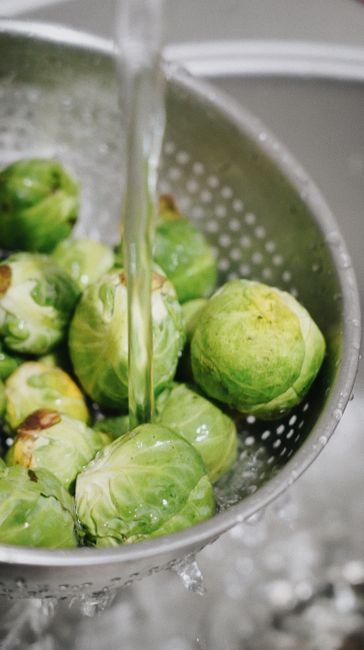
The preparation of an exceptional Quinoa Brussels Sprout Salad hinges on a few key techniques that ensure optimal flavor and texture. Begin with high-quality ingredients. Opt for fresh, vibrant Brussels sprouts and organic quinoa whenever possible. The cooking of the quinoa is a critical first step. Rinse the quinoa thoroughly under cold water to remove saponins, which can impart a bitter taste. Cook it according to package directions, typically a 1:2 ratio of quinoa to liquid (water or vegetable broth for added flavor), bringing it to a boil, then simmering covered until the liquid is absorbed and the quinoa is fluffy. Once cooked, fluff it with a fork and allow it to cool slightly. For the Brussels sprouts, preparation is paramount to avoid the dreaded bitterness. Trimming the woody ends and removing any loose or discolored outer leaves is essential. The most popular and flavor-enhancing method is roasting. Toss the trimmed sprouts with olive oil, salt, and pepper, and spread them in a single layer on a baking sheet. Roast at a high temperature, typically 400-425°F (200-220°C), for 15-25 minutes, or until tender and caramelized with slightly crispy edges. Alternatively, a quick blanching in boiling water followed by an ice bath can yield tender sprouts with a vibrant green color, preserving more of their raw crunch. However, roasting is generally preferred for its ability to develop sweetness and depth of flavor. The assembly of the salad is where creativity truly shines. In a large bowl, combine the cooled quinoa and prepared Brussels sprouts. Add your chosen complementary ingredients, such as toasted nuts, dried fruit, fresh herbs, or diced vegetables. Prepare your dressing separately. Whisk together your base (olive oil, vinegar, tahini) with seasonings, herbs, and any other flavorings. It is often best to dress the salad just before serving to prevent the ingredients from becoming soggy, especially if using delicate greens. However, if meal prepping, you can dress a portion of the salad and keep the remaining ingredients separate, combining them as needed. Taste and adjust seasonings as necessary. The beauty of this salad lies in its ability to be both simple and sophisticated, a testament to the power of well-executed culinary techniques and high-quality ingredients. Attention to detail in each step, from rinsing the quinoa to achieving the perfect roast on the Brussels sprouts, will elevate this dish from good to exceptional, ensuring a delightful and nourishing experience with every bite.
Beyond its immediate culinary appeal, the Quinoa Brussels Sprout Salad offers significant long-term health benefits and contributes to a balanced and preventative approach to wellness. The high fiber content, derived from both quinoa and Brussels sprouts, is crucial for digestive health. It promotes regular bowel movements, prevents constipation, and acts as a prebiotic, feeding beneficial gut bacteria. A healthy gut microbiome is increasingly recognized for its profound impact on overall health, influencing everything from immune function to mental well-being. The antioxidants present in Brussels sprouts, such as sulforaphane, and in other optional additions like berries or leafy greens, play a vital role in combating oxidative stress. Oxidative stress is an imbalance between free radicals and antioxidants in the body, which can damage cells and contribute to chronic diseases like heart disease, cancer, and neurodegenerative disorders. By neutralizing free radicals, these antioxidants help protect the body at a cellular level. The complete protein profile of quinoa makes this salad an excellent choice for muscle repair and growth, satiety, and overall metabolic health. Adequate protein intake is essential for maintaining lean muscle mass, which is crucial for a healthy metabolism and for supporting mobility and strength as we age. The vitamins and minerals, including vitamin K for bone health, vitamin C for immune support, and iron for energy production, contribute to the efficient functioning of numerous bodily systems. Furthermore, the low glycemic index of quinoa and the fiber-rich nature of the salad help to regulate blood sugar levels. This is particularly beneficial for individuals with or at risk of developing type 2 diabetes, as it helps to prevent sharp spikes and crashes in blood glucose, leading to more sustained energy levels throughout the day. The inherent low-fat profile (when dressed judiciously) and the presence of healthy fats from nuts and seeds contribute to cardiovascular health by helping to manage cholesterol levels and reduce inflammation. This salad, therefore, is not merely a meal but a strategic dietary choice that supports a robust immune system, promotes healthy aging, and contributes to a proactive approach to long-term health and disease prevention. Its consistent inclusion in a balanced diet can yield significant positive impacts on an individual’s overall vitality and well-being.

