
Butternut and Red Curry Soup: A Flavorful and Nutrient-Rich Autumn Staple
This butternut and red curry soup recipe offers a vibrant and deeply satisfying culinary experience, showcasing the inherent sweetness of butternut squash perfectly balanced by the aromatic warmth of red curry paste and coconut milk. Beyond its exceptional taste, this soup is a nutritional powerhouse, packed with vitamins, minerals, and antioxidants. Butternut squash, the star ingredient, is an excellent source of Vitamin A, crucial for vision, immune function, and skin health. It also provides Vitamin C, potassium, and dietary fiber, promoting digestive regularity and contributing to a feeling of fullness. Red curry paste, typically a blend of dried red chilies, garlic, shallots, ginger, lemongrass, and spices like cumin and coriander, introduces a complex flavor profile and a dose of antioxidants from the various herbs and spices. Coconut milk, another key component, contributes healthy fats, which aid in the absorption of fat-soluble vitamins found in the squash and spices. The inclusion of ginger and garlic, both known for their anti-inflammatory and immune-boosting properties, further elevates the health benefits of this dish. This soup is naturally gluten-free and can easily be made vegan by ensuring all ingredients are plant-based, making it a versatile option for a wide range of dietary needs and preferences. Its rich texture and warming spices make it an ideal meal for cooler weather, offering comfort and nourishment in every spoonful. The preparation process is straightforward, making it accessible for both novice and experienced cooks looking to create a healthy and delicious meal.
The foundational element of this flavorful soup is, of course, the butternut squash. Selecting a ripe butternut squash is paramount to achieving the desired sweetness and creamy texture. Look for a squash that feels heavy for its size, indicating a good water content and therefore a juicy interior. The skin should be firm and free from blemishes, soft spots, or excessive scarring. A squash with a well-developed neck, tapering to a smaller bulbous end, is generally preferred as it contains fewer seeds and more flesh, simplifying preparation. When cutting into the squash, a sharp, heavy-duty knife is essential. The skin of a butternut squash can be quite tough. To prepare it, first, trim off both ends. Then, carefully slice the squash in half lengthwise. This allows for easier removal of the seeds and stringy pulp from the cavity using a spoon. For those seeking a quicker preparation or a smoother final texture, peeling the squash before cutting is an option, although it can be challenging due to its firm rind. Alternatively, roasting the halved squash, cut-side down, on a baking sheet at 400°F (200°C) for about 45-60 minutes, or until tender when pierced with a fork, will greatly soften the flesh and allow for easy scooping out of the roasted pulp. Roasting also intensifies the squash’s natural sweetness and adds a subtle caramelization that enhances the overall flavor profile. Once the flesh is removed from the skin (either raw or roasted), it should be cut into roughly equal-sized cubes, typically around 1-inch, to ensure even cooking. This meticulous selection and preparation of the butternut squash lay the groundwork for a truly exceptional soup.
The aromatic heart of this butternut and red curry soup is undoubtedly the red curry paste. The quality and type of red curry paste used will significantly impact the final flavor. Red curry pastes vary widely in their heat level and ingredient composition. Some are made with fresh chilies, while others use dried. Common ingredients include shallots, garlic, galangal (a relative of ginger), lemongrass, kaffir lime zest, and various spices like coriander seeds, cumin seeds, and shrimp paste (for non-vegan versions). When purchasing red curry paste, it’s advisable to read the ingredient list to understand its flavor profile. For a milder soup, opt for a paste that lists fewer chilies or specifically indicates a mild heat level. Conversely, for a spicier experience, choose a paste with a more prominent chili presence. If unsure, starting with a smaller amount of paste and adding more to taste is always a prudent approach. The process of blooming the red curry paste in hot oil is a critical step that unlocks its full aromatic potential. Gently sautéing the paste in a pot with a tablespoon or two of neutral cooking oil, such as vegetable or coconut oil, over medium heat for 1-2 minutes, until fragrant, releases its volatile oils and deepens its flavor. This blooming process prevents a raw, medicinal taste and allows the spices to meld beautifully with the other ingredients. This step is non-negotiable for achieving the complex and layered flavors characteristic of authentic Thai-inspired cuisine.
The creamy richness of this soup is primarily derived from coconut milk. Full-fat coconut milk is essential for achieving a luxuriously smooth and decadent texture. Light coconut milk, while lower in fat, will result in a thinner, less satisfying soup. When selecting coconut milk, look for brands that have a high coconut extract content and minimal additives. The can should contain a thick, creamy layer at the top, which is the coconut cream. Shaking the can well before opening ensures that the cream and liquid are fully incorporated, leading to a uniform consistency. In this recipe, the coconut milk serves not only as a thickening agent but also as a carrier for the flavors of the red curry paste and other aromatics. It also imparts a subtle sweetness that complements the butternut squash beautifully. The gentle simmering of the soup in coconut milk allows the flavors to meld and deepen without the risk of curdling, which can occur with dairy-based liquids. For a truly indulgent soup, consider using a combination of full-fat coconut milk and a smaller amount of coconut cream for an extra layer of richness. The interplay between the sweet squash, the spicy curry, and the creamy coconut milk creates a harmonious and balanced flavor profile that is both comforting and exotic.
Aromatics form the flavor backbone of this butternut and red curry soup, providing depth and complexity that elevate it beyond a simple vegetable soup. The standard trinity of onion, garlic, and ginger are indispensable. A medium yellow or white onion, finely diced, is sautéed until softened and translucent, laying a sweet and savory foundation. This process, known as sweating the onions, releases their natural sugars and mellows their pungency. Following the onion, minced garlic and grated fresh ginger are added. Garlic, with its pungent and slightly sweet notes, and ginger, with its zesty and warming qualities, are classic pairings in many Asian cuisines, and their synergy is particularly effective in this soup. It’s crucial to cook the garlic and ginger for just a minute or two until fragrant, taking care not to burn them, as burnt garlic can impart a bitter taste. The vibrant aroma that fills the kitchen at this stage is a testament to the power of these simple yet potent ingredients. Fresh ginger is preferred over ground for its brighter, more invigorating flavor, but ground ginger can be used as a substitute in a pinch, though the quantity may need adjustment. The careful sautéing of these aromatics before introducing the liquid components ensures that their flavors are fully developed and integrated into the soup.
The liquid base for this soup typically includes vegetable broth or chicken broth, depending on dietary preferences. For a vegetarian or vegan version, a good quality vegetable broth is essential. Look for broths that are low in sodium to control the saltiness of the final dish. Vegetable broth adds another layer of savory complexity and helps to thin the soup to the desired consistency. Chicken broth, for non-vegan versions, offers a richer, more umami-forward flavor. The amount of broth will determine the final thickness of the soup. If a thicker soup is desired, start with less broth and add more as needed during the simmering process. The combination of coconut milk and broth creates a balanced liquid base that carries the flavors of the curry paste, squash, and aromatics. The broth also ensures that the soup remains moist and prevents it from becoming too dense or sticky. A well-chosen broth will enhance the overall flavor profile without overpowering the other ingredients.
Beyond the core ingredients, several additions can further enhance the flavor and nutritional profile of this butternut and red curry soup. A touch of sweetness, beyond that of the squash and coconut milk, can be achieved with a drizzle of maple syrup or honey (for non-vegan versions). This subtle sweetness helps to round out the flavors and balance the spice from the curry paste. A squeeze of fresh lime juice added at the end of cooking brightens the soup and cuts through the richness. The acidity of the lime is a crucial element in many Southeast Asian dishes, providing a refreshing counterpoint to the creamy and spicy notes. Fish sauce (for non-vegan versions) or soy sauce/tamari (for vegan versions) can be used to add a layer of umami depth and saltiness. Start with a small amount and adjust to taste, as these condiments can be quite potent. For added texture and visual appeal, consider incorporating finely chopped bell peppers (red or yellow work well for color and sweetness), snow peas, or bamboo shoots during the simmering process. These vegetables will soften but retain a slight bite, adding an interesting textural contrast to the smooth soup.
The cooking process for this butternut and red curry soup is a symphony of simmering and melding flavors. After sautéing the aromatics and blooming the curry paste, the cubed butternut squash is added to the pot. It’s important to stir the squash to coat it evenly with the paste and aromatics, allowing it to absorb some of the initial flavors. Then, the vegetable or chicken broth and coconut milk are poured in. The mixture is brought to a gentle boil, then reduced to a simmer. Covering the pot and allowing the soup to simmer for 20-30 minutes, or until the butternut squash is fork-tender, is essential for developing the flavors and softening the squash. During this simmering period, the squash will release its starches, contributing to the soup’s natural creaminess. Once the squash is tender, the soup is typically puréed. An immersion blender is the most convenient tool for this, allowing for a smooth and creamy texture directly in the pot. Alternatively, the soup can be carefully transferred in batches to a stand-up blender. If using a stand-up blender, it’s crucial to vent the lid and cover it with a towel to prevent steam buildup. After puréeing, the soup is returned to the pot, if necessary, and any additional seasonings, such as lime juice, maple syrup, and fish sauce or soy sauce, are stirred in and adjusted to taste. The final seasoning step is critical for achieving the perfect balance of sweet, savory, spicy, and tangy.
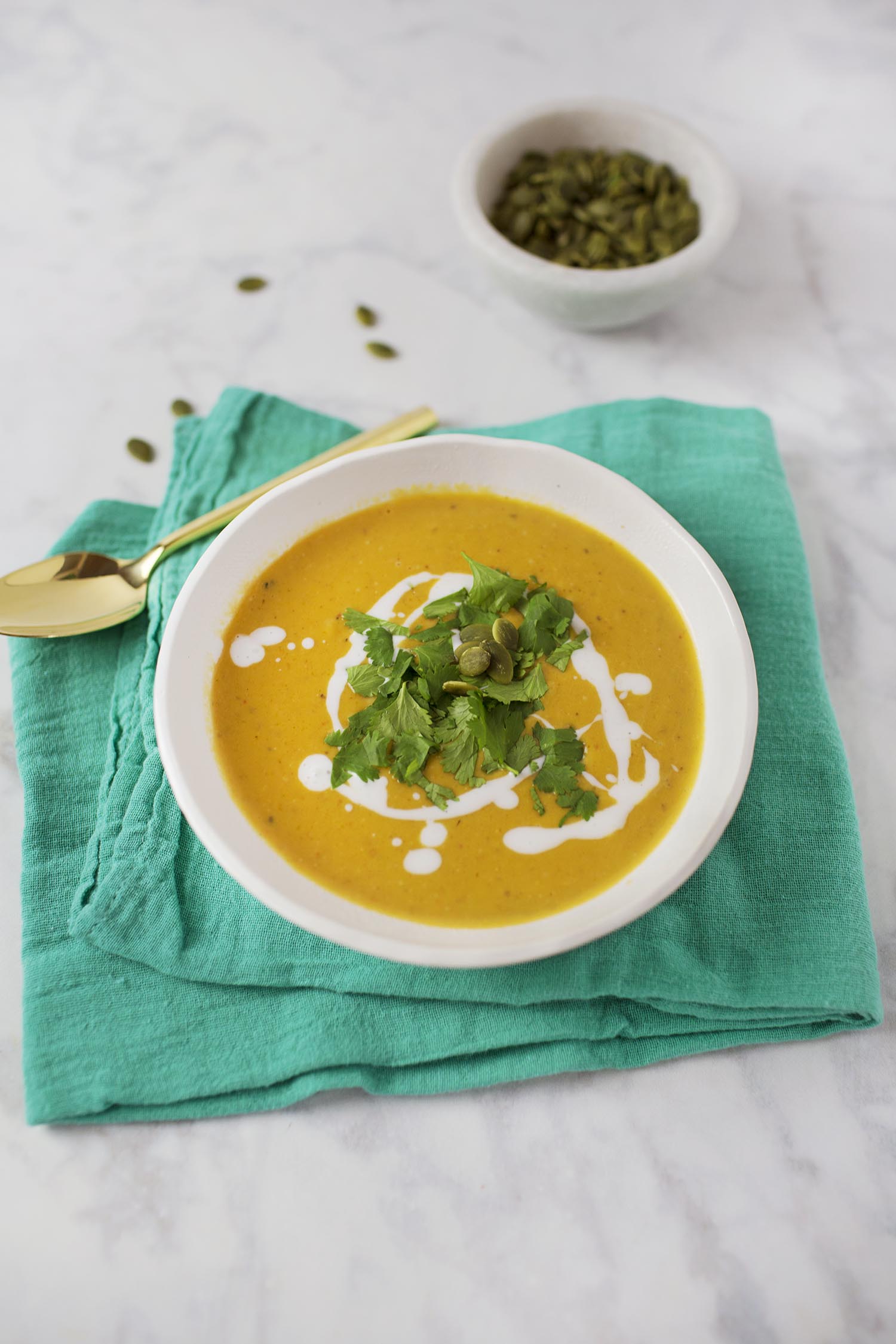
Serving this butternut and red curry soup is an opportunity to elevate its presentation and further enhance its flavor. Garnish is not merely decorative; it contributes to the overall sensory experience. A swirl of coconut cream or a dollop of plain yogurt (dairy or non-dairy) can add a final touch of creaminess and visual appeal. Fresh herbs, such as cilantro or Thai basil, chopped finely, provide a burst of freshness and a vibrant green contrast. A sprinkle of toasted sesame seeds or chopped roasted peanuts can introduce a delightful crunch and nutty flavor. For those who enjoy an extra kick of heat, a few thinly sliced red chilies or a drizzle of chili oil can be offered on the side. Serving the soup with warm naan bread, crusty baguette, or steamed jasmine rice provides a satisfying accompaniment for soaking up every last drop of the flavorful broth. The interplay of textures and flavors created by the soup and its garnishes transforms a simple dish into a multi-dimensional culinary delight. This soup is not only a comforting meal but also a visually appealing one, making it suitable for both casual weeknight dinners and more formal occasions. Its vibrant orange hue, complemented by the fresh green garnishes, makes it a visually arresting dish that reflects the warmth and richness of its ingredients.
The versatility of this butternut and red curry soup extends to its storage and reheating capabilities. Once cooled completely, the soup can be stored in an airtight container in the refrigerator for up to 3-4 days. The flavors often deepen and meld further upon refrigeration, making leftovers even more delicious. When reheating, it’s best to do so gently over low heat on the stovetop, stirring occasionally. If the soup has thickened too much during storage, a splash of additional broth or water can be added to achieve the desired consistency. For larger quantities or for longer storage, this soup freezes exceptionally well. Allow the soup to cool completely before transferring it to freezer-safe containers or heavy-duty freezer bags. Frozen soup can be stored for up to 2-3 months. To reheat frozen soup, thaw it overnight in the refrigerator and then proceed with gentle reheating on the stovetop. While the texture may be slightly altered after freezing and thawing, the flavor remains largely intact. This makes it an excellent option for meal prepping and enjoying a healthy, homemade meal on busy days. The robust flavor profile of butternut and red curry soup is remarkably resilient to freezing and reheating processes, ensuring that its deliciousness endures.
