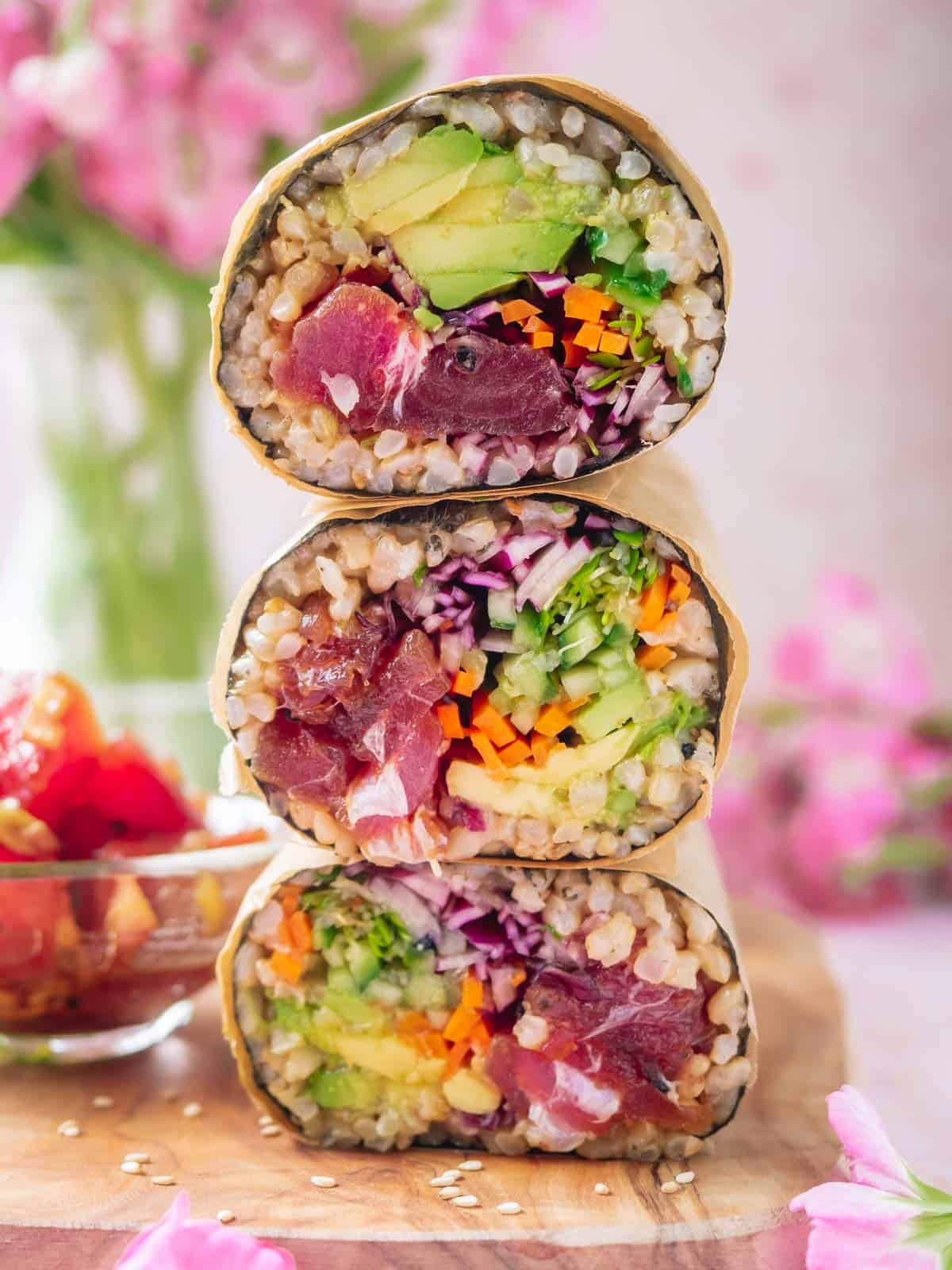

How to Make Sushi Burritos: A Comprehensive Guide to Crafting Your Own Delicious Rolls
The sushi burrito, often dubbed the "sushirrito," has exploded in popularity, transforming the delicate art of sushi into a portable, handheld powerhouse. This fusion dish marries the vibrant flavors and fresh ingredients of sushi with the substantial, satisfying form factor of a burrito. Mastering the sushi burrito involves understanding key components: the rice, the fillings, the nori, and the rolling technique. This comprehensive guide will walk you through every step, from selecting the ideal ingredients to achieving a perfectly sealed and delicious roll.
Choosing the Right Sushi Rice is Paramount
The foundation of any great sushi burrito is the rice. For sushi, short-grain Japanese rice is the undisputed champion. Its high starch content allows it to become sticky and slightly chewy when cooked, providing the necessary cohesion to hold your fillings together. Avoid long-grain, basmati, or jasmine rice, as these varieties will not achieve the desired texture and will likely fall apart. Purchase "sushi rice" specifically, which is typically short-grain Japanese rice.
The preparation process begins with thorough rinsing. Place the rice in a fine-mesh sieve and run cold water through it until the water runs clear. This removes excess surface starch, preventing the rice from becoming gummy. For every cup of uncooked rice, you’ll need approximately 1.1 to 1.2 cups of water. The exact ratio can vary slightly depending on the brand of rice and your cooking equipment, so it’s always wise to consult the package instructions or do a small test batch.
Cooking the rice is best done in a rice cooker for consistent results. If you don’t have a rice cooker, a heavy-bottomed pot with a tight-fitting lid will suffice. Bring the water and rice to a boil, then immediately reduce the heat to the lowest setting, cover tightly, and simmer for about 15-20 minutes, or until all the water is absorbed. Let the rice steam, undisturbed, for another 10-15 minutes after cooking.
The crucial step for sushi rice is seasoning it with a sushi vinegar mixture. While the rice is still hot, transfer it to a large, non-metallic bowl. For every 2 cups of cooked rice, prepare a mixture of 4 tablespoons rice vinegar, 2 tablespoons sugar, and 1 teaspoon salt. Gently heat this mixture in a small saucepan until the sugar and salt dissolve. Do not boil. Pour the seasoned vinegar evenly over the hot rice. Using a rice paddle or a wooden spoon, gently fold the vinegar into the rice using a cutting and folding motion. Avoid stirring or mashing, which can break the rice grains. Fan the rice simultaneously with a handheld fan or a piece of cardboard as you fold. This cools the rice quickly, giving it a glossy sheen and preventing it from becoming mushy. The rice should be slightly warm, not hot, when you begin assembling your sushi burritos.
Selecting and Preparing Your Fillings: The Heart of the Flavor
The beauty of sushi burritos lies in their versatility; you can customize them with almost any ingredient you enjoy. The key is to select ingredients that offer a variety of textures and flavors – crunchy, creamy, savory, and a hint of sweetness.
Protein options are abundant. For a classic sushi experience, consider thinly sliced raw sushi-grade tuna or salmon. Ensure you are purchasing fish specifically labeled "sushi-grade" from a reputable fishmonger to mitigate any food safety concerns. Cooked options are equally delicious and more accessible. Grilled or pan-seared shrimp, thinly sliced cooked chicken or steak, and even baked tofu or tempeh are excellent choices. Crab meat, imitation crab (surimi), or smoked salmon are also popular and easy-to-use fillings.
Vegetable components add freshness, color, and crunch. Avocado is essential for its creamy texture and rich flavor, providing a perfect counterpoint to other ingredients. Thinly sliced cucumber offers a refreshing crispness, while julienned carrots add sweetness and vibrant color. Red bell peppers, thinly sliced, contribute a mild sweetness and a satisfying crunch. Edamame, shelled and cooked, adds a protein boost and a delightful bite. Pickled ginger (gari) is a must-have for its palate-cleansing properties and sweet-spicy kick.
Additional flavor enhancers can elevate your sushi burrito. Thin strips of tamagoyaki (Japanese rolled omelet) offer a slightly sweet and eggy element. Cream cheese, when used judiciously, can add a creamy richness. Sriracha or spicy mayonnaise provides a welcome kick of heat. Toasted sesame seeds, both black and white, offer a nutty aroma and a delicate crunch.
Preparation is crucial. All ingredients should be cut into thin, uniform strips or julienned. This ensures that each bite of your sushi burrito contains a balanced medley of flavors and textures and makes rolling easier. For raw fish, slice it against the grain for tenderness. For vegetables, aim for uniform thickness so they cook evenly if applicable and integrate well into the roll.
The Nori Sheet: Your Edible Wrapper
Nori, the dried seaweed sheets used in sushi, is your edible wrapper for the sushi burrito. You’ll want to use full-sized, high-quality nori sheets, typically referred to as "nori sheets for sushi" or "yaki-nori." These sheets are usually dark green and have a slightly crisp texture. You might find that for a large sushi burrito, you’ll need to overlap two sheets or use a slightly larger sheet if available.
To make the nori pliable and easier to work with, you can lightly toast it. This can be done by briefly passing it over a low flame on a gas stove or placing it in a dry, warm skillet for a few seconds per side. Be careful not to burn it; you just want to enhance its flexibility and flavor. Toasting also helps prevent it from becoming soggy from the rice.
The Rolling Technique: Achieving the Perfect Cylinder
Mastering the rolling technique is arguably the most challenging, yet rewarding, aspect of making sushi burritos. A bamboo sushi mat (makisu) is an indispensable tool. If you don’t have one, a piece of plastic wrap stretched taut over a flat surface can serve as a substitute, though it’s less effective for even pressure.
Lay the toasted nori sheet shiny-side down on the bamboo mat, with the longer side facing you. If you are using two sheets to create a larger wrapper, overlap the edges slightly and press them together. Dip your hands in a bowl of water mixed with a little rice vinegar (this prevents the rice from sticking to your hands). Take a generous portion of the prepared sushi rice – roughly 1.5 to 2 cups, depending on the size of your nori and how packed you want your burrito – and spread it evenly over the nori, leaving about a 1-inch border at the top edge furthest from you. Press the rice down gently, ensuring an even layer.
Now, arrange your fillings in a horizontal line across the rice, about one-third of the way up from the edge closest to you. Don’t overstuff the burrito; this is a common mistake that leads to tears and spills. Layer your ingredients thoughtfully, ensuring a good distribution of protein, vegetables, and any sauces or seasonings.
To begin rolling, lift the edge of the bamboo mat closest to you, bringing it up and over the fillings. Tuck the edge of the nori and rice tightly around the fillings. Use your fingers to hold the fillings in place as you begin this initial tuck. Continue to roll the mat forward, applying gentle but firm pressure to create a compact cylinder. As you roll, lift the edge of the bamboo mat to ensure it doesn’t get rolled into the burrito itself.
Once you have rolled about halfway, gently pull the bamboo mat back slightly to reveal the partially formed burrito. Continue rolling, ensuring the seam of the nori is on the bottom. Apply even pressure to maintain the burrito’s shape. For a very tight and sealed roll, you can moisten the 1-inch nori border with a little water or a dab of rice before completing the roll. This acts as an edible glue. Once rolled, gently squeeze the entire sushi burrito with the bamboo mat to ensure it is firm and well-shaped.
Serving and Enjoying Your Sushi Burrito
Once your sushi burrito is rolled, it’s time to cut it. Use a very sharp, slightly damp knife to slice the burrito in half or into thirds. A dull knife will crush the fillings and tear the nori. Wiping the knife with a damp cloth between cuts will help keep it clean and prevent sticking.
Sushi burritos are best enjoyed immediately after preparation while the nori is still crisp and the rice is at its ideal temperature. They can be served with traditional sushi accompaniments such as soy sauce, pickled ginger, and wasabi. For dipping, consider a blend of soy sauce mixed with a touch of sriracha or sesame oil for an extra flavor dimension.
Storage and Reheating: Considerations
While sushi burritos are designed for immediate consumption, you may have leftovers. Store any uncut or cut sushi burritos tightly wrapped in plastic wrap and then in an airtight container in the refrigerator. They are best consumed within 24 hours. The texture of the rice and nori may degrade over time, becoming softer and less appealing. Reheating is generally not recommended for sushi burritos, as it can make the nori soggy and the fillings mushy. If absolutely necessary, a very brief warming in a dry skillet or a toaster oven at a low temperature might be attempted, but the original texture and flavor will be compromised.
Troubleshooting Common Sushi Burrito Issues
Overstuffing: This is the most frequent culprit for torn nori and messy burritos. Start with fewer fillings than you think you need and adjust in subsequent attempts.
Rice Sticking to Hands: Keep a bowl of vinegared water handy to dip your hands in.
Torn Nori: This can happen from too much pressure during rolling, rough handling, or using old, brittle nori. Ensure your nori is fresh and pliable and use gentle, even pressure.
Messy Seam: Ensure you adequately moisten the nori border to create a good seal.
Uneven Rice Layer: Spreading the rice evenly is key. Work from the center outwards.
Experimentation and Personalization: Make it Your Own
The true joy of sushi burritos lies in their adaptability. Don’t be afraid to experiment with different protein sources, vegetables, and sauces. Consider adding ingredients like mango for a tropical twist, kimchi for a spicy fermented kick, or a drizzle of eel sauce for a sweet and savory finish. For a vegetarian or vegan option, focus on a variety of cooked and raw vegetables, marinated tofu or tempeh, and flavorful sauces like tahini-based dressings or spicy peanut sauces. The possibilities are truly endless, allowing you to craft a personalized culinary creation that perfectly suits your taste preferences. By understanding the fundamental principles of rice preparation, ingredient selection, and rolling technique, you are well-equipped to create delicious and satisfying sushi burritos time and time again.

