Mastering Pool Safety: Essential Tips for a Secure Swimming Environment
Our journey through pool safety has been an evolving process, marked by a deep commitment to preventing accidents and fostering a secure environment for all who enjoy our aquatic facilities. Initially, our approach, like many, was reactive, addressing concerns as they arose. However, through diligent observation, continuous learning, and a proactive mindset, we’ve cultivated a comprehensive set of strategies that prioritize prevention above all else. This article details our experiences with implementing and refining these crucial pool safety tips, aiming to provide a valuable resource for homeowners, facility managers, and anyone involved in creating safe swimming spaces.
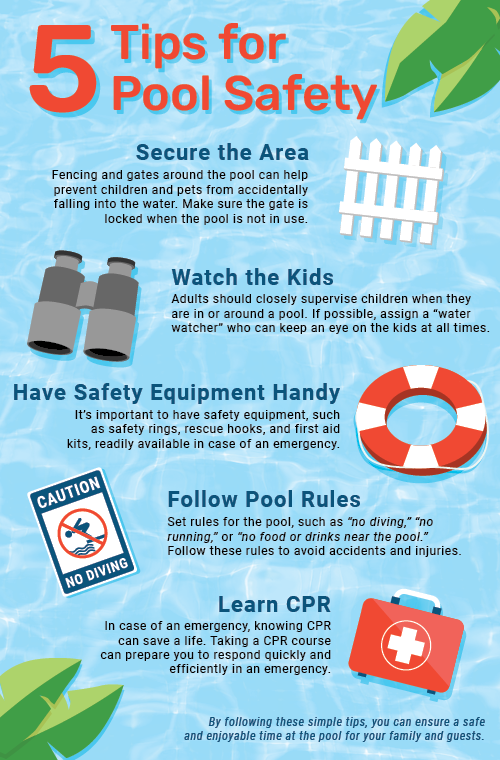
The foundational element of our pool safety strategy revolves around robust physical barriers. We recognized early on that the most effective deterrent is making access to the pool area itself as controlled as possible. This led to the installation of high-quality safety fencing. The selection process was rigorous, focusing on materials that were durable, weather-resistant, and difficult to climb or bypass. We opted for self-closing and self-latching gates, which are not merely recommended but essential. Regular inspections of the fencing are now a non-negotiable part of our routine. We meticulously check for any signs of wear, damage, or potential weaknesses, ensuring that the integrity of the barrier is never compromised. This includes examining the posts for stability, the mesh or pickets for any gaps that a small child could squeeze through, and the latch mechanism for proper functionality. Beyond the physical barrier, we also explored advanced security measures. Pool alarms, for instance, were integrated into our system. These alarms are designed to detect any unauthorized entry or submersion into the water. We’ve experienced the efficacy of these alarms firsthand, where a pet inadvertently falling into the water triggered an immediate alert, allowing for a swift and safe retrieval. The placement of these alarms is strategic, covering all potential points of entry to the pool.
Supervision, the cornerstone of water safety, has been a continuous area of refinement in our experience. We have moved beyond the general notion of "watching" children and have implemented a more structured and vigilant approach. This includes assigning dedicated "water watchers" who are solely responsible for supervising swimmers, especially children, without any distractions. This means no phones, no books, and no conversations that pull attention away from the water. We’ve found that employing a simple visual cue, like a neck lanyard or a specific colored hat for the water watcher, helps to clearly identify their role and reinforce the importance of their task to everyone present. Furthermore, our experience has highlighted the critical need for an immediate rescue plan. This involves having essential safety equipment readily accessible and knowing how to use it. We maintain a well-stocked pool safety kit that includes a reaching pole, a life buoy with a rope, and basic first-aid supplies. Regular drills, even in a family setting, have become routine to ensure that everyone knows their role in an emergency. This includes practicing calling for help, initiating basic CPR (if trained), and using the rescue equipment effectively. The psychological aspect of supervision is also crucial; fostering an environment where children feel comfortable reporting any unsafe behavior or concerns to an adult is paramount.
Understanding and mitigating the risks associated with pool equipment and accessories has been another significant learning curve. We’ve learned that even seemingly innocuous items can pose a hazard if not managed properly. For example, pool toys, while enhancing enjoyment, can become buoyancy aids for untrained swimmers or can be a source of distraction. We implement a strict policy of removing all pool toys from the water once swimming is finished. This not only prevents them from being a temptation for unsupervised access but also avoids potential entanglement or tripping hazards. Similarly, pool covers, while vital for security and maintenance, must be used correctly. We’ve encountered situations where a partially secured cover could present a false sense of security. Therefore, we emphasize the importance of fully and securely engaging pool covers after every use, ensuring they are properly fastened and cannot be easily dislodged. The electrical components of pool equipment are another area requiring constant vigilance. We conduct regular checks of all electrical connections and equipment, ensuring they are in good working order and that no exposed wires or damaged components are present. This is particularly important given the proximity of water to electrical sources.
Emergency preparedness is not an afterthought but a core tenet of our pool safety ethos. Our experience has taught us that a well-defined and practiced emergency action plan is vital for swift and effective response to any incident. This plan includes clearly identifying who to call in various emergency scenarios – such as drowning, injury, or medical emergencies – and ensuring that emergency contact information is readily available and visible. We have memorized local emergency numbers and have them posted near the pool area. Furthermore, we have invested in formal water safety training for all adults who regularly supervise the pool. This includes certifications in CPR and basic water rescue techniques. The knowledge and confidence gained from this training have proven invaluable. We also believe in educating younger individuals about water safety in an age-appropriate manner. This involves discussing pool rules, the dangers of running near the pool, and the importance of listening to supervisors. Our experience indicates that a proactive approach to education, rather than solely relying on restrictions, fosters a greater sense of responsibility and awareness among all users.
The maintenance and upkeep of the pool itself are intrinsically linked to its safety. We’ve observed that a well-maintained pool is a safer pool. This goes beyond aesthetic appeal and encompasses critical safety factors. Water chemistry, for example, is meticulously monitored and balanced. Improperly balanced water can lead to irritation, slippery surfaces, and reduced visibility, all of which contribute to potential accidents. We adhere to a strict schedule for testing and treating the water to ensure optimal clarity and chemical balance. The physical structure of the pool also requires regular inspection and maintenance. Cracks in the pool walls or floor, loose tiles, or damaged coping can present tripping hazards or lead to injuries. We conduct thorough visual inspections of the pool structure on a regular basis, addressing any minor issues before they escalate into significant safety concerns. Similarly, the pool deck area requires attention. Slippery surfaces, especially when wet, are a common cause of falls. We employ non-slip treatments and mats in high-traffic areas and ensure that any spills or water on the deck are promptly dried. Regular cleaning of the pool and its surroundings also plays a role in preventing algae growth and other debris that can make surfaces slick and reduce visibility.
Understanding and respecting the inherent risks associated with swimming pools, especially for children, has been a guiding principle in our evolution of safety practices. Our experience has underscored the importance of constant vigilance and the need to assume that an accident is always a possibility if safety measures are not rigorously implemented. For children, we have established clear and unwavering rules that are consistently enforced. These include no running on the pool deck, no pushing, no diving in shallow areas, and always waiting for permission before entering the water. We believe that consistent enforcement, even for minor infractions, is crucial in instilling respect for pool rules. Furthermore, we emphasize that even strong swimmers are not immune to accidents and should always be supervised. The temptation for children to push boundaries or engage in risky behavior is a reality we’ve learned to manage through a combination of clear communication, supervision, and the establishment of safe routines. Our experience has also highlighted the importance of teaching children to swim at an early age. While swimming lessons are not a substitute for supervision, they provide a crucial layer of self-rescue capability that can be life-saving in an emergency.
The role of technology in enhancing pool safety has been a progressively significant aspect of our strategy. Beyond basic alarms, we have explored and integrated various technological solutions that offer an added layer of security. Smart pool systems that can monitor water temperature, chemical levels, and even detect unusual activity have become increasingly valuable. These systems can provide real-time alerts to our devices, allowing for immediate intervention if any anomalies are detected. For instance, a sudden drop in water level or an unexpected change in water flow could indicate a leak or a breach, prompting a swift inspection. We’ve also found that utilizing pool covers with integrated sensors provides an extra layer of assurance, alerting us if the cover is not properly secured or if there is any disturbance on its surface. The development of advanced pool alarms that can differentiate between pets and humans falling into the water is another area we are continually monitoring and considering for integration. The key with any technological solution is to understand its limitations and to ensure that it complements, rather than replaces, human supervision and robust physical barriers. Regular software updates and maintenance of these systems are critical to ensure their continued efficacy.
Our ongoing commitment to pool safety is driven by the understanding that it is a dynamic and multifaceted endeavor. It’s not a set-it-and-forget-it process, but rather a continuous cycle of assessment, implementation, and refinement. We actively seek out new information, attend workshops, and engage with safety organizations to stay abreast of best practices and emerging trends in water safety. The lessons learned from our experiences have reinforced the belief that a proactive, layered approach is the most effective way to prevent accidents and ensure that our pools remain enjoyable and secure spaces for everyone. This includes fostering a culture of safety where communication is open, concerns are addressed promptly, and everyone feels empowered to contribute to a secure swimming environment. Our journey has been one of constant learning and adaptation, and we remain dedicated to maintaining the highest standards of pool safety.

