Elsie’s Laundry Room: A Detailed Examination of the "Before" State
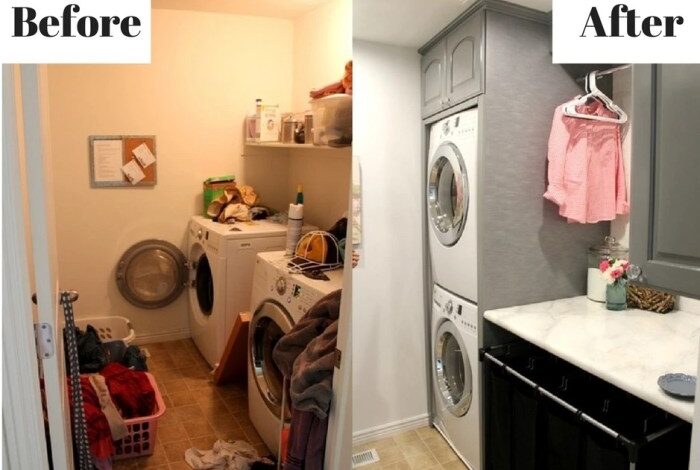
The pre-renovation state of Elsie’s laundry room presented a multifaceted challenge, a confluence of aesthetic neglect, functional limitations, and a pervasive sense of disorganization. This comprehensive analysis delves into the specific elements that defined this "before" scenario, exploring its impact on usability, visual appeal, and overall homeowner satisfaction. Understanding these foundational issues is crucial for appreciating the transformative potential of any subsequent improvements. The room, measuring approximately 8 feet by 10 feet, was characterized by a pale, institutional-grade beige paint that had long since faded and showed signs of water staining around the washing machine and dryer. The existing flooring was a linoleum tile, a checkered pattern of cream and a muted taupe, which was peeling at the edges in several areas, creating tripping hazards and harboring accumulated dust bunnies. Lighting was provided by a single, bare incandescent bulb hanging from the ceiling, offering insufficient illumination and a harsh, unwelcoming glow.
The utilitarian nature of the space was further emphasized by the placement of the appliances. The washing machine, a top-loading model that had seen better days, was positioned against the far wall, directly beneath a small, non-opening window. Its drain hose was visible, secured with a zip tie to a rough-looking PVC pipe. The dryer, a front-loading electric model, sat adjacent to the washing machine, its vent hose snaking awkwardly across the floor before disappearing into a makeshift hole cut in the exterior wall. This arrangement not only looked unsightly but also limited the available floor space for sorting or folding laundry. There was no dedicated counter space for these tasks. Instead, residents resorted to precariously balancing folded clothes on top of the dryer or using portable folding tables that were often stored elsewhere, further contributing to the room’s disarray.
Storage was a significant point of contention in Elsie’s pre-renovation laundry room. The only available storage consisted of a single, narrow linen closet located opposite the appliances. This closet, approximately 2 feet wide and 3 feet deep, was sparsely populated with a few stacks of towels and some stray cleaning supplies. The shelves were fixed, offering no adjustability, and the limited depth meant that larger items like blankets or extra detergent were difficult to store efficiently. The lack of dedicated shelving units, cabinets, or drawers meant that laundry detergents, fabric softeners, stain removers, and other essential cleaning products were often left out on the floor or stacked precariously on top of the washing machine, creating a visually cluttered and potentially hazardous environment. Loose socks, stray hangers, and miscellaneous laundry accessories further contributed to the general untidiness.
The plumbing and electrical infrastructure in the "before" state also presented challenges. The water hookups for the washing machine were exposed copper pipes with standard shut-off valves. While functional, they were aesthetically unappealing and lacked any protective covers. The electrical outlet for the washing machine was a standard two-prong outlet, a safety concern given the appliance’s grounding requirements. The dryer outlet was a 3-prong NEMA 10-30R, but its placement meant the cord often had to stretch uncomfortably. There was no dedicated outlet for an iron or a portable vacuum cleaner, requiring the use of extension cords which added to the visual clutter and potential fire hazards. The ventilation for the dryer was a rigid metal hose, showing signs of rust and potential blockages, raising concerns about lint buildup and fire risk.
Beyond the purely functional and aesthetic shortcomings, the atmosphere of Elsie’s laundry room was decidedly unwelcoming. The lack of any decorative elements, combined with the poor lighting and general disarray, contributed to a feeling of drudgery and a space that homeowners would actively avoid spending time in. The ambient temperature was often inconsistent, tending to be warmer when the dryer was in use and cooler otherwise, with no effective way to regulate it. The air quality could also be affected by lint and detergent fumes, especially without proper ventilation. The overall impression was of a purely utilitarian space, devoid of any comfort or personality, where the chore of laundry felt amplified by its surroundings.
The specific types of items that dominated the space in its "before" state offered further insight into its functional limitations. Beyond the washing machine and dryer, there was a small, rickety metal laundry basket overflowing with clothes. A broom and dustpan leaned against the wall, their bristles splayed. A bottle of bleach and a box of detergent sat directly on the floor near the washing machine, their labels faded. There was no designated spot for sorting lights from darks, leading to clothes being piled haphazardly. A small, portable ironing board was often propped against the wall, taking up valuable floor space when not in use. The non-opening window offered no natural light and no opportunity for ventilation, trapping heat and humidity within the confined space. The baseboards were scuffed and chipped, revealing layers of accumulated grime.
The limited counter space, or lack thereof, meant that tasks such as pre-treating stains or folding were cumbersome. Clothes were often folded on the floor or precariously balanced on the existing appliances, leading to dropped items and an increased likelihood of wrinkles. The absence of a sink meant that hand-washing delicate items or rinsing out a stained garment required a trip to the kitchen or bathroom, further disrupting the workflow and adding to the perceived inconvenience of laundry day. The plumbing for the washing machine was a basic setup, with no provision for a utility sink, which would have significantly enhanced the functionality of the room.
The flooring, the checkered linoleum, was not only peeling but also notoriously difficult to clean thoroughly. The grout lines, where they existed, were dark and stained, harboring dirt and grime that was impossible to remove with regular mopping. This made the room feel inherently unhygienic, a concern given its function as a place for washing clothes. The beige walls, while seemingly neutral, absorbed ambient light and contributed to a dull, uninspired environment. The absence of any artwork, decorative accessories, or even a small plant made the room feel sterile and impersonal.
The placement of the dryer vent was particularly problematic. The hole in the exterior wall was crudely cut, and the vent hose was an older, flexible metal type that was susceptible to kinking, restricting airflow and increasing drying times. This also posed a potential fire hazard due to lint buildup. The lack of a proper dryer vent termination cap allowed for pests and weather to potentially enter the home. The electrical outlet for the dryer, while functional, was positioned in a way that made plugging and unplugging the cord awkward, especially for someone with limited mobility. The entire electrical setup lacked any modern safety features like GFCI outlets in proximity to water.
The inherent limitations of Elsie’s laundry room "before" extended to the overall user experience. The cramped space, coupled with the lack of organization and poor lighting, made even simple tasks feel like a chore. The constant battle against clutter and the absence of dedicated zones for sorting, washing, drying, and folding contributed to a sense of frustration. The aesthetic appeal was non-existent, making it a space that was functional at best, and at worst, an eyesore. This detailed examination of the pre-renovation state highlights the critical need for thoughtful design and strategic improvements to transform such a space into a more efficient, enjoyable, and aesthetically pleasing area of the home. The "before" serves as a stark reminder of how even the most functional spaces can become liabilities when neglected and poorly conceived. The challenges presented by Elsie’s original laundry room underscore the importance of investing in a space that, while often overlooked, plays a vital role in the daily lives of its inhabitants. The pre-renovation state was not merely a collection of aesthetic flaws; it was a testament to missed opportunities for maximizing utility and enhancing the overall living experience.

