
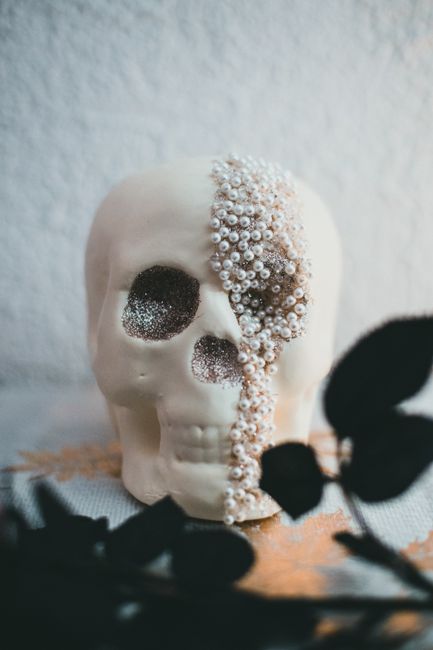
3 Innovative Ways to Decorate Halloween Skulls: A Comprehensive Guide
Halloween skulls are a quintessential decoration, evoking a sense of macabre festivity and timeless spookiness. Beyond their inherent creepy appeal, skulls offer an incredibly versatile canvas for creative embellishment. This guide explores three distinct and impactful ways to transform ordinary Halloween skulls into extraordinary decorative statements, ensuring your seasonal décor is both memorable and highly shareable. From intricate, artistic applications to bold, thematic statements, these techniques will elevate your Halloween ambiance.
1. Gilded Grandeur: The Allure of Metallic Finishes
Embracing metallic finishes transforms humble plastic skulls into objects of dark opulence. This method relies on strategic application of metallic paints and embellishments to create a sophisticated, almost regal, macabre aesthetic. The key is to move beyond a simple metallic spray paint job and to incorporate layering, highlighting, and accentuation to achieve depth and visual interest.
The foundational step involves preparing your skull. Most commercially available Halloween skulls are made of hollow plastic, which can be easily painted. Begin by cleaning the skull thoroughly with soap and water to remove any dust or manufacturing residue. A light sanding with fine-grit sandpaper (220-grit or higher) can help the paint adhere better, particularly if you’re opting for acrylics rather than spray paint. For spray paint applications, ensure you are working in a well-ventilated area and wearing a respirator.
The choice of metallic finish is crucial. Gold, silver, bronze, copper, and even iridescent metallics can be employed. For a classic, luxurious look, a rich antique gold or a tarnished silver works exceptionally well. For a more contemporary and edgy feel, consider a gunmetal grey or a vibrant rose gold.
Application can be achieved through several methods. Spray paint offers broad coverage and is ideal for a uniform base coat. Apply in thin, even coats, allowing each layer to dry completely before applying the next. This prevents drips and ensures a smooth finish. Alternatively, acrylic metallic paints applied with brushes offer greater control for intricate detailing.
Once the base metallic coat is dry, the real artistry begins. Highlighting is paramount to giving the skull dimension. This involves using a slightly lighter or more iridescent shade of the base metallic to pick out raised areas such as the brow ridges, cheekbones, eye sockets, and the teeth. A dry-brushing technique is highly effective here. Dip a stiff-bristled brush into the highlight metallic paint, then wipe off almost all the paint onto a paper towel until the brush is nearly dry. Lightly brush over the raised details, allowing the pigment to catch on the high points. This creates a subtle shimmer that mimics the way light would naturally fall on bone.
Conversely, creating shadows can add further depth. Use a darker metallic shade or even a black or dark grey metallic wash. Dilute acrylic paint with water or a glazing medium to create a translucent wash. Apply this wash into the recessed areas like the eye sockets, nasal cavity, and between the teeth. Immediately wipe away the excess with a soft cloth, leaving the darker pigment in the crevices. This enhances the skull’s contours and makes it appear more aged and realistic.
Beyond paint, consider incorporating metallic embellishments. Small metallic studs, chains, or even glitter can be adhered with strong craft glue or E6000. For an Egyptian-inspired look, tiny faux jewels or cabochons in deep blues, reds, or greens can be strategically placed around the eye sockets or forehead. A delicate filigree appliqué, also available in metallic finishes, can be adhered to the sides or top of the skull for an ornate touch.
Another advanced technique is patina. You can achieve a faux verdigris (greenish patina) by applying a diluted turquoise or teal acrylic paint over a bronze or copper base, followed by a subtle dry-brushing of a darker brown or black to create depth. This gives the skull an antique, unearthed appearance.
The final sealing coat is essential for durability. A clear matte or satin spray sealant will protect your hard work from chipping and wear, while preserving the metallic sheen. Avoid high-gloss sealants unless you’re aiming for a very specific, almost polished look, as they can sometimes mute the metallic effect.
Decorated skulls using this gilded grandeur approach are perfect for mantlepieces, as part of elaborate Halloween tablescapes, or as striking standalone decorative pieces. They lend themselves well to themes of gothic romance, ancient mysteries, or opulent decadence, offering a refined yet undeniably spooky element to any Halloween display. The interplay of light on the metallic surfaces creates a dynamic and eye-catching visual, making these decorated skulls a true focal point.
2. Ethereal Decay: The Art of Moss and Fungal Adornment
This decorative approach focuses on creating a sense of natural decay and the reclaiming power of nature, transforming skulls into elements that appear as if they’ve been unearthed from a forgotten, overgrown corner of the world. The core materials here are artificial moss, lichen, and, for added realism, small artificial fungi.
The initial preparation for this technique is similar to the metallic finish: clean your skull thoroughly. Unlike the metallic approach where a smooth surface is often desired, a slightly rougher texture can actually enhance the adhesion of moss and other organic-looking elements. If you’re using smooth plastic skulls, consider applying a thin coat of a textured spray paint (like a stone or sand effect) as a base. This will provide more surface area for the adhesives to grip.
The primary adhesive for this technique is hot glue. Work in small sections, applying hot glue and immediately pressing the moss or other elements into place. Be mindful of the heat and avoid applying glue directly to your skin. Alternatively, a strong craft glue like E6000 can be used, though it has a longer drying time.
Begin by covering the skull with your chosen moss. Various types of artificial moss are available, offering different textures and colors. Sphagnum moss, Reindeer moss, and sheet moss all have distinct looks. For an aged and overgrown appearance, consider a mix of different moss types and colors. Start by pressing larger pieces of moss into the eye sockets and nasal cavity, creating the impression that nature is growing within the skull. Then, begin covering the larger surfaces of the skull, working your way around. Don’t aim for a perfectly uniform coverage; pockets of bare skull or varying moss thickness will enhance the natural, untamed look.
The key to making this look realistic is to think about how nature would actually grow. Moss tends to flourish in damp, shaded areas. Therefore, concentrate denser moss growth in the recessed areas and in areas that might naturally collect moisture. Allow some of the skull’s underlying material to show through in certain places, suggesting erosion or that the moss hasn’t fully taken hold everywhere.
Next, introduce the element of fungal growth. Small, artificial mushrooms, toadstools, or even lichen can be strategically placed. These can be purchased from craft stores or specialty Halloween suppliers. Select fungi in muted, earthy tones – browns, greys, and deep reds often work best. Glue them onto the mossy surfaces, perhaps growing out of the eye sockets or clinging to the sides of the skull. Again, avoid symmetry. A single, larger mushroom emerging from the forehead or a cluster of smaller fungi near the jawline can be very effective.
For an extra touch of realism, consider incorporating dried natural elements. Small, dried twigs, seed pods, or even bits of bark can be glued into the moss. This further enhances the illusion of a skull that has been lying in a forest or garden for an extended period.
Weathering is crucial for this effect. Once the primary elements are in place, use a very fine spray bottle filled with diluted brown or black acrylic paint. Lightly mist over the moss and fungi. This will subtly darken the colors, creating a more realistic, damp appearance. You can also use a dry-brushing technique with a dark brown or grey paint to pick out the edges of the moss and the texture of the skull, simulating dirt and grime.
Consider adding delicate, thread-like elements to mimic cobwebs, but instead of white, use a dark grey or brown craft yarn. Carefully stretch and adhere small strands of this yarn amongst the moss and around the skull to suggest old, neglected webs that have blended with the natural decay.
The beauty of the "Ethereal Decay" method lies in its organic and imperfect nature. It doesn’t require precision but rather an understanding of natural processes. Skulls decorated in this style are perfect for woodland-themed Halloween displays, haunted garden scenes, or for creating an atmosphere of ancient, forgotten realms. They evoke a sense of melancholy and the passage of time, adding a profound and subtly chilling element to your Halloween décor. The texture and varied natural elements create a rich tactile and visual experience that draws the viewer in.
3. Sci-Fi Synthesis: Circuits, Gears, and Cybernetic Augmentation
This innovative approach departs from traditional spooky motifs and plunges into the realm of science fiction, transforming skulls into futuristic, cybernetic constructs. This method involves integrating electronic components, metallic detailing, and a generally sleek, mechanical aesthetic.
Preparation is key here, as you’ll be working with a variety of materials that need to adhere well. A smooth, clean surface is essential. You might opt for a glossy black or metallic base coat for the skull itself, as this will provide a sleek backdrop for the technological additions.
The core elements of this theme are circuit boards, wires, gears, and other small mechanical components. You can source these from old electronics (responsibly and safely, of course), or purchase them as craft supplies. Look for vintage circuit boards for a more retro-futuristic feel, or sleek, modern PCBs for a cutting-edge look.
Begin by disassembling old circuit boards. Carefully break them into smaller, manageable pieces. The goal isn’t to have intact boards, but rather interesting patterns of chips, resistors, and conductive pathways. Use a strong craft glue or E6000 to adhere these pieces to the skull. Think about strategic placement: perhaps a section of circuit board over the forehead, mimicking a cranial implant, or along the jawline, suggesting enhanced mandible functionality.
Wires are another crucial element. Cut various lengths of thin, colored wires (red, blue, green, and black are common in electronics) and twist or loop them to create intricate networks. These can be glued to the skull, resembling data cables or neural connections. You can create a sense of energy flow by running wires from one component to another, or by making them appear to emerge from the eye sockets or cranial sutures.
Gears, sprockets, and other small metallic mechanical parts can add a steampunk or industrial-cybernetic edge. Glue these onto the skull, particularly around the temples, chin, or as decorative accents. A few strategically placed gears can suggest mechanical augmentation or internal clockwork.
For a truly cybernetic look, consider incorporating LED lights. Small, battery-operated LED lights can be embedded within the skull or attached to wires. You can create glowing eye sockets by placing a small LED behind the plastic eye socket, or have a series of blinking lights running along a circuit board. Be sure to conceal the battery pack discreetly, perhaps within the hollow of the skull if it’s accessible, or behind larger components.
Metallic paints are still relevant here, but used differently. Instead of an all-over metallic finish, use them for accents. Metallic silver or gunmetal grey can be used to paint individual wires, chips on the circuit boards, or the edges of gears. This adds definition and a sense of manufactured precision.
Another advanced technique is to use heat-shrink tubing on wires. This adds a polished, professional look to the wiring and can be used in various colors to create visual interest. You can also use metallic permanent markers to draw intricate circuit patterns or add detailing to the components.
Consider adding a "glitch" effect. This can be achieved by painting small, irregular lines of contrasting colors (like neon green or electric blue) over areas of the skull, simulating digital distortion. Alternatively, you can adhere small pieces of mirrored or holographic material to create fragmented reflections.
The overall aesthetic should be one of intricate complexity and technological integration. Think about the functionality of a cybernetic organism – how would its external components reflect its internal workings? Skulls decorated in this Sci-Fi Synthesis style are ideal for futuristic Halloween parties, science fiction conventions, or for those who appreciate a more avant-garde and intellectual approach to spooky décor. They can also be the centerpiece of a cyberpunk-themed display, sparking conversation and wonder about the boundaries between organic life and artificial intelligence. The meticulous detail and the integration of functional-looking elements create a mesmerizing and thought-provoking decoration.
