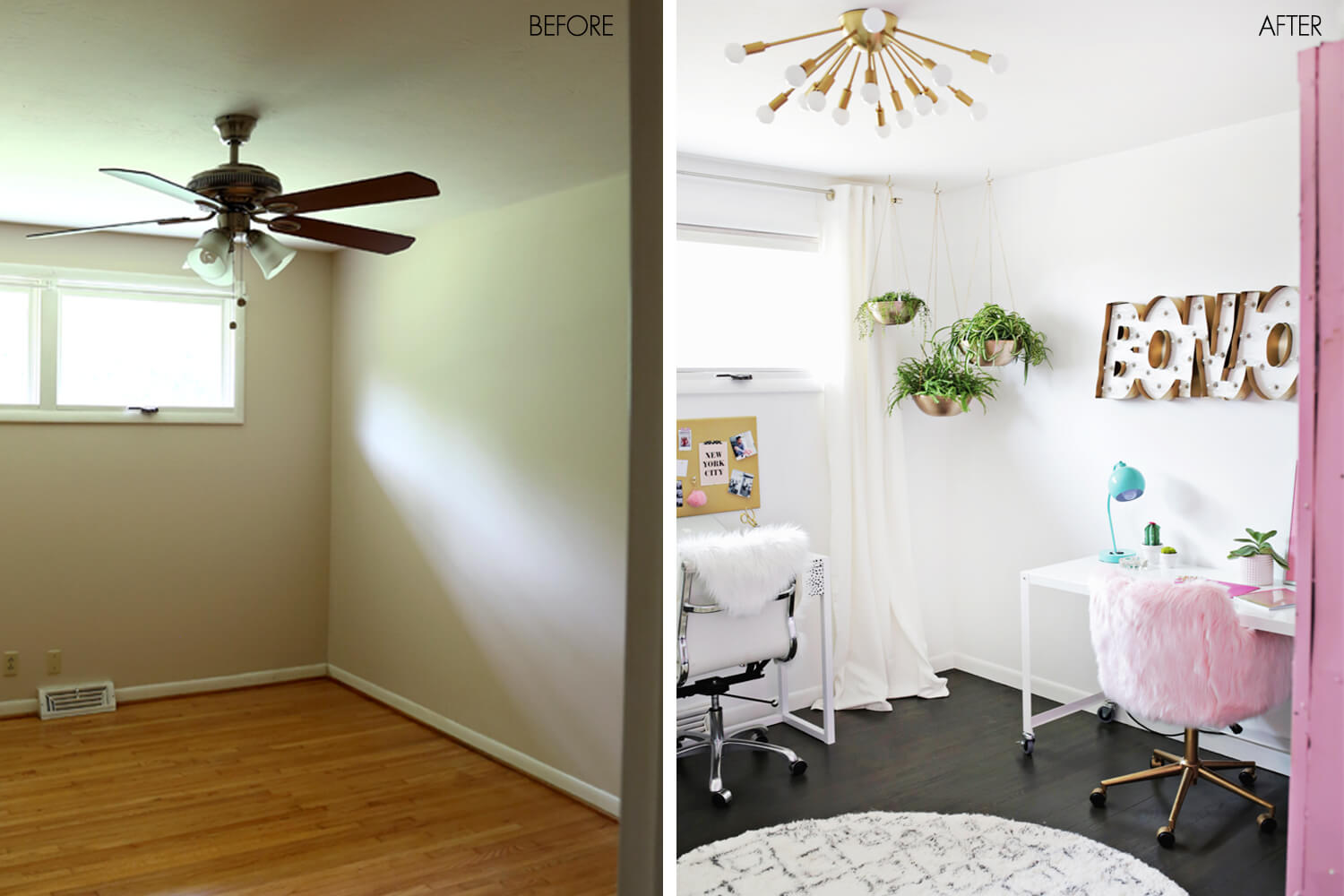

Laura’s Craft Room: A Transformative Before & After Journey for Organization and Inspiration
The evolution of Laura’s craft room from a chaotic jumble of supplies into a highly organized and inspiring sanctuary is a testament to the power of strategic decluttering, smart storage solutions, and a thoughtful design approach. This article delves deep into the specific challenges Laura faced, the meticulous planning involved, and the remarkable transformations achieved, providing actionable insights for anyone looking to optimize their own creative space. The "before" state of Laura’s craft room was characterized by overwhelming disarray. Supplies overflowed from multiple mismatched containers, often stacked precariously on any available surface. Fabrics were crumpled in drawers, paints were crammed into boxes, and tools were scattered, making it a constant struggle to locate specific items. This lack of order not only hindered her creative flow but also created a sense of frustration and demotivation. The sheer volume of materials, accumulated over years of enthusiastic crafting, had become a burden rather than a joy. Finding inspiration in such an environment was nearly impossible; instead, the visual clutter contributed to mental fatigue and a feeling of being overwhelmed by her own passion. The initial steps of Laura’s transformation focused on a brutal, yet necessary, decluttering process. This wasn’t simply about tidying up; it involved a critical evaluation of every single item. Laura adopted a systematic approach, tackling one category of supplies at a time. For instance, she dedicated an entire weekend to her vast collection of yarns. She sorted them by color, weight, and fiber content, discarding any that were damaged, discolored, or no longer served a purpose. This same rigorous process was applied to her fabric stash, her collection of beads, her vast array of crafting tools, and her ever-growing library of craft books and patterns. The principle was simple: if it hadn’t been used in the past year, or if it didn’t spark genuine creative joy, it was either donated, sold, or discarded. This initial purge was crucial, as it significantly reduced the volume of items that needed to be accommodated in the redesigned space.
The "before" state of Laura’s craft room presented significant challenges to efficient workflow and creative inspiration. Supplies were scattered across multiple surfaces, often in a state of disarray. This meant that even simple tasks, like finding the right shade of embroidery floss or a specific crafting tool, could become a time-consuming and frustrating ordeal. The visual clutter was overwhelming, contributing to a sense of chaos and making it difficult for Laura to focus on her projects. Fabrics were crammed into overflowing drawers, paints and brushes were jumbled together in various containers, and notions like buttons, beads, and zippers were often misplaced or lost. This lack of organization meant that when inspiration struck, the effort required to gather the necessary materials often dampened the creative spark before it could fully ignite. Furthermore, the sheer volume of accumulated crafting supplies had outgrown the available space, leading to a constant feeling of being overwhelmed. The "after" state, however, paints a dramatically different picture. The transformation of Laura’s craft room is a masterclass in transforming chaos into an organized, functional, and aesthetically pleasing creative haven. The core of this transformation lies in a systematic approach to storage and organization, meticulously planned and executed.
The first significant step in the "after" phase involved a comprehensive decluttering and purging of Laura’s extensive craft supplies. This was not a superficial tidying but a rigorous process of evaluating each item’s necessity and utility. Laura employed the "one-year rule," discarding anything she hadn’t used in the past twelve months, unless it held significant sentimental value or was a foundational staple for a craft she actively pursued. This involved sorting through mountains of fabric scraps, individual buttons, half-used skeins of yarn, dried-up paints, and countless other bits and bobs. Items that were still in good condition but no longer served Laura’s current creative endeavors were either donated to local schools or craft groups, sold online, or passed on to friends. This initial purge was critical, as it significantly reduced the volume of items that needed to be accommodated in the newly organized space, making subsequent organization efforts far more manageable.
Following the decluttering, the focus shifted to strategic storage solutions. The "before" state was characterized by a haphazard assortment of mismatched containers, often overflowing and inefficient. The "after" design embraced a more uniform and functional approach. For her extensive fabric collection, Laura invested in a modular shelving system with clear, stackable bins. These bins were meticulously labeled by fabric type, color, or project intention, allowing for quick identification and retrieval. This eliminated the need to rummage through piles of crumpled fabric, saving valuable time and preventing creases. Her yarn stash, previously a chaotic tumble, was organized into clear, lidded containers arranged on open shelving. This not only kept the yarn dust-free but also allowed for easy visual access to her entire color palette. Small notions, such as beads, buttons, and embroidery floss, were housed in specialized craft organizers with multiple small drawers and compartments. These organizers were placed within easy reach on her workbench or within the new shelving units, ensuring that even the tiniest embellishments had their designated home.
The transformation also addressed the organizational challenges of paints, brushes, and other art supplies. Laura utilized a pegboard system mounted on the wall, providing a designated space for hanging brushes, scissors, rulers, and other frequently used tools. This kept her primary workspace clear and ensured that essential items were readily accessible. Jars and containers were used to store paints upright, categorized by type (acrylic, watercolor, oil) and color. This vertical storage maximized space and made it easy to see her entire paint collection at a glance. For her growing collection of craft books and patterns, Laura incorporated a dedicated bookshelf. Instead of haphazardly stacking them, she arranged them by craft type, further enhancing the ease of finding inspiration and project instructions.
Beyond mere organization, the "after" state of Laura’s craft room prioritized workflow and ergonomics. The layout was reconfigured to create distinct zones for different crafting activities. A dedicated cutting and sewing area featured a large, sturdy table with ample space for fabric layout and machine work. Adjacent to this, a comfortable crafting chair and a well-lit workstation were established for finer tasks like beading, embroidery, and scrapbooking. The placement of storage units was carefully considered to minimize movement between areas. For example, frequently used tools and supplies were located within arm’s reach of her primary workstation. Lighting was also a key consideration. The "before" state likely suffered from inadequate or poorly placed lighting, leading to eye strain and difficulty discerning colors. The "after" renovation incorporated a combination of overhead ambient lighting and task lighting, such as adjustable desk lamps and spotlights, to illuminate specific work areas.
The aesthetic appeal of the "after" craft room was not an afterthought. While functionality was paramount, Laura also infused the space with elements that fostered creativity and inspiration. The color palette of the room was intentionally chosen to be calming yet stimulating. Neutral tones for the walls and larger furniture pieces provided a serene backdrop, while pops of color were introduced through accessories, storage bins, and even curated displays of her finished projects. The addition of a small bulletin board or corkboard allowed Laura to pin up inspiration images, color swatches, or works-in-progress, serving as a constant source of creative stimulation. Natural light was maximized wherever possible, with windows kept clear of excessive clutter.
The impact of these changes on Laura’s crafting experience cannot be overstated. The ability to quickly find any material or tool significantly reduced wasted time and frustration, allowing her to dedicate more energy to the creative process itself. The organized environment fostered a sense of calm and control, transforming her craft room from a source of stress into a welcoming retreat. The visual order also contributed to enhanced focus and concentration, leading to more productive crafting sessions and a higher quality of work. Furthermore, the intentional design and aesthetic improvements made the space more enjoyable to be in, increasing her motivation and overall passion for her creative pursuits. The "before and after" journey of Laura’s craft room serves as a powerful example of how thoughtful organization, strategic storage, and a focus on workflow can revolutionize a creative space, unlocking new levels of productivity and inspiration. The transformation is not just about tidiness; it’s about creating an environment that actively supports and fuels the creative spirit. The meticulous attention to detail in categorizing supplies, the smart utilization of vertical space with pegboards and shelving, and the deliberate zoning of different crafting activities all contribute to a highly functional and inspiring workspace. This journey underscores the principle that an organized craft room is not merely a luxury but a fundamental necessity for any serious crafter seeking to maximize their potential and find joy in their creative endeavors. The transition from the "before" state of overwhelming disarray to the "after" state of meticulous order and inspiring design is a testament to the transformative power of intentionality in personalizing and optimizing a creative sanctuary. The visual impact of the "after" is striking, with clearly defined areas, easily accessible supplies, and a general sense of calm and order that was entirely absent in the "before." This improved environment directly translates to a more enjoyable and productive crafting experience, allowing Laura to focus on her passion without the constant impediment of disorganization. The strategic implementation of various storage solutions, from modular shelving and clear bins for fabrics and yarns to specialized organizers for small notions, demonstrates a deep understanding of the specific needs of a diverse craft inventory. The use of pegboards for tools not only frees up valuable surface space but also provides an immediate visual reference for readily available items. This thoughtful approach to organization directly minimizes time spent searching for materials, a significant factor in maintaining creative momentum. The emphasis on ergonomics and workflow, by creating distinct zones for different activities and optimizing the placement of storage, further enhances efficiency. This deliberate design minimizes physical effort and cognitive load, allowing Laura to seamlessly transition between tasks. The careful consideration of lighting, with the integration of both ambient and task lighting, addresses a common issue that can hinder detailed work and color accuracy, further improving the functional quality of the "after" space. The aesthetic improvements, while secondary to functionality, play a crucial role in creating an inspiring atmosphere. The chosen color palette, the curated displays of finished projects, and the overall sense of visual harmony contribute to a space that is not only practical but also a pleasure to inhabit. This blend of order and aesthetic appeal fosters a positive mental state conducive to creativity and sustained engagement with her craft. The "before and after" narrative of Laura’s craft room is a compelling case study in how a well-organized and thoughtfully designed creative space can profoundly impact an individual’s crafting journey. It highlights the importance of a systematic approach to decluttering, the strategic selection of storage solutions, and the deliberate consideration of workflow and aesthetics in transforming a potentially chaotic environment into a truly inspiring sanctuary. The lessons learned from Laura’s transformation are universally applicable, offering a roadmap for anyone seeking to cultivate a more organized, functional, and inspiring space for their own creative pursuits. The visual evidence of the "after" state showcases a remarkable achievement, demonstrating that with dedication and a strategic plan, even the most overwhelming craft room can be transformed into a beacon of order and inspiration.
