The Canine Fiber Revolution: Transforming Dog Hair into Sustainable Textiles
Dog hair, often perceived as an inconvenient byproduct of pet ownership, possesses a surprisingly rich and versatile fiber profile that can be transformed into high-quality textiles. This burgeoning field, often referred to as "dog hair spinning" or "canine fiber arts," offers a sustainable and innovative approach to textile production, diverting waste and creating unique, natural materials. Understanding the properties of different dog breeds’ coats, the processes involved in fiber preparation and spinning, and the potential applications of these upcycled textiles is key to unlocking this eco-conscious textile revolution. From the coarse guard hairs of a husky to the luxurious softness of a poodle’s undercoat, each breed offers a distinct textural and aesthetic contribution to the world of fiber. This article will delve into the scientific and artistic intricacies of transforming this abundant, yet often overlooked, resource into functional and desirable textile products.
The inherent properties of dog hair, while varying significantly across breeds, share common characteristics that make them suitable for textile applications. Like wool, dog hair is primarily composed of keratin, a protein that provides strength, elasticity, and insulation. The cuticle scales on the surface of the hair shaft, similar to wool, interlock, contributing to felting and spinning capabilities. However, a critical distinction lies in the typical fineness and length of dog hair compared to commercial sheep wool. Many dog breeds possess a double coat, comprising a coarse outer layer of guard hairs and a softer, finer undercoat (down). The guard hairs are generally longer, thicker, and less crimped than the undercoat. The undercoat, on the other hand, is often finer, softer, and possesses a degree of crimp, making it more amenable to spinning into yarn. The presence of lanolin, a natural oil found in sheep’s wool, is notably absent in dog hair, which simplifies the washing and processing stages as there is no greasy residue to remove. This absence of lanolin can also lead to a lighter-weight yarn with potentially different breathability and moisture-wicking properties. Understanding the specific fiber diameter (measured in microns), staple length (the length of individual fibers), and crimp (the waviness of the fiber) for a given breed is paramount for successful processing and yarn production. Breeds known for their abundant undercoats, such as Huskies, Malamutes, Samoyeds, Bernese Mountain Dogs, and Great Pyrenees, are prime candidates for producing softer, more yarn-like fibers. Breeds with primarily coarse guard hairs, like German Shepherds or Rottweilers, might be better suited for industrial felting or blending with softer fibers to add strength and durability.
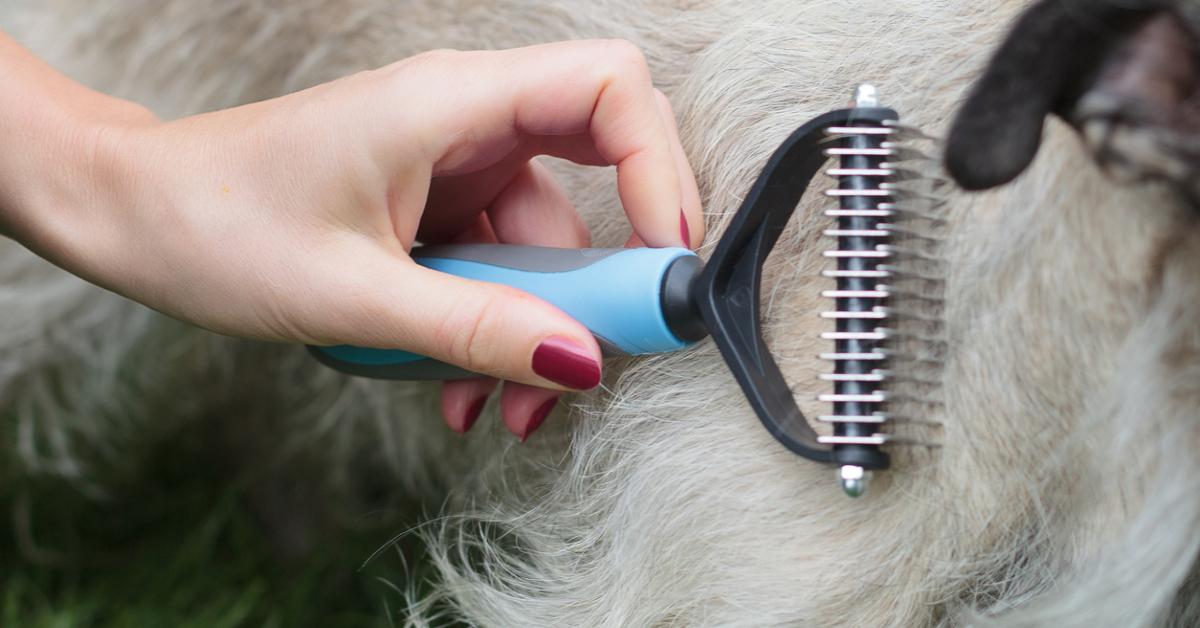
The collection and preparation of dog hair are foundational steps in the textile creation process. Pet owners can actively collect shed hair during grooming sessions. Brushing regularly, particularly during seasonal shedding periods, yields the most usable fiber. It’s crucial to collect clean, dry hair. Avoid collecting hair that has been matted or contaminated with mud, food, or parasites. For breeds with distinct guard hairs and undercoats, careful separation during brushing can be beneficial. Some owners utilize specialized grooming tools designed to collect loose undercoat efficiently. Once collected, the raw hair must undergo a cleaning process to remove dirt, debris, and any residual dander. This typically involves washing the fiber. Gentle washing with a mild, wool-safe detergent is recommended. The water temperature should be lukewarm, and excessive agitation should be avoided to prevent felting of the fibers at this early stage. After washing, the fiber is rinsed thoroughly and then allowed to air dry completely. Proper drying is essential to prevent mildew and ensure the integrity of the fibers. After drying, a process called "carding" or "combing" is often employed. Carding uses bristly tools, such as hand carders or a drum carder, to align the individual fibers into a fluffy, cloud-like mass called a "roving" or "batt." This process disentangles the fibers, removes any remaining vegetable matter, and begins to organize them in a parallel fashion, preparing them for spinning. Combing, a more intensive process, is used for finer fibers and aims to create a more parallel alignment, resulting in a smoother, stronger yarn. For breeds with very coarse guard hairs, the preparation might focus on removing these from the softer undercoat before processing, or accepting their presence for a more rustic yarn.
Spinning is the art of twisting prepared fibers together to create yarn. This can be achieved through various methods, with hand spinning and commercially automated spinning being the primary approaches. Hand spinning, often done on a spinning wheel or with a drop spindle, allows for meticulous control over the yarn’s thickness, twist, and texture. The spinner draws out a small amount of fiber from the roving and introduces twist by turning the wheel or spindle. The amount of twist determines the yarn’s strength and elasticity; more twist creates a stronger, more durable yarn, while less twist results in a softer, more pliable yarn. For dog hair, the spinner must adapt to the specific characteristics of the fiber, adjusting the draw and twist to accommodate variations in fineness and length. Blending dog hair with other fibers, such as sheep wool, alpaca, or even plant-based fibers like cotton, is a common practice to enhance the yarn’s properties, improve its spinability, or achieve desired aesthetic qualities. For instance, blending a finer dog undercoat with a coarser wool can create a more balanced yarn with good loft and drape. Commercially, automated spinning machines can process larger quantities of dog hair, although the machinery may require adjustments to handle the unique properties of canine fibers. These machines can produce more consistent yarns, but may offer less control over artisanal qualities. The resulting yarn can range from a fine, lace-weight yarn to a bulky, Aran-weight yarn, depending on the fiber preparation and spinning technique. The feel of the spun yarn will also vary greatly depending on the breed; a Poodle’s undercoat might yield a surprisingly soft yarn, while a coarser breed’s fiber might create a yarn suitable for durable rugs or outerwear.
Once spun, dog hair yarns can be utilized in a multitude of textile applications, mirroring those of traditional animal fibers. Knitting and crocheting are popular methods for creating garments, accessories, and home decor items. The inherent warmth and insulation of dog hair make it suitable for sweaters, hats, scarves, mittens, and blankets. The unique texture and natural color variations of dog hair yarns can result in truly one-of-a-kind pieces. For instance, the natural grays, blacks, browns, and whites found in many dog coats can be blended or used individually to create subtle or striking color patterns without the need for dyeing. However, dog hair can also be dyed, although it’s important to use dyes suitable for protein fibers and to be aware that the color uptake might differ from sheep’s wool. Felted items are another significant application. Dog hair, particularly the coarser guard hairs, can be felted using wet felting or needle felting techniques. This process involves agitating the fibers with water and soap (wet felting) or using specialized barbed needles (needle felting) to interlock the fibers into a dense, cohesive fabric. Felted dog hair can be used to create durable bags, slippers, coasters, wall hangings, and even artistic sculptures. The natural resilience of dog hair contributes to the longevity of felted products. Weaving is another traditional textile art form where dog hair yarns can be employed. Weavers can create scarves, blankets, upholstery fabrics, and tapestries. The unique drape and texture of dog hair yarns can add a distinctive character to woven pieces. For more industrial applications, dog hair can be blended with other fibers to create yarns for upholstery, carpets, and even insulation materials. The natural insulating properties of dog hair make it an eco-friendly alternative for soundproofing and thermal insulation in buildings. The potential for innovation in this area is significant, moving beyond artisanal crafts to sustainable industrial solutions.
The sustainability aspect of transforming dog hair into textiles is a compelling driving force behind this emerging industry. Millions of pounds of dog hair are shed annually worldwide, much of which ends up in landfills or incinerators. By diverting this material and upcycling it into valuable textiles, the environmental impact associated with traditional textile production can be significantly reduced. Traditional fiber production, particularly for conventional cotton and some synthetic fibers, can be resource-intensive, requiring large amounts of water, land, and energy, and often involving chemical treatments. Dog hair, on the other hand, is a readily available byproduct that requires minimal agricultural input. Furthermore, the processing of dog hair, while requiring energy for washing and spinning, generally involves fewer harsh chemicals than many conventional textile manufacturing processes, particularly if natural dyes are employed. The concept of a circular economy is strongly embodied in dog hair textile production, where waste is transformed into a valuable resource, reducing the need for virgin materials. This aligns with growing consumer demand for ethically sourced, environmentally friendly, and sustainable products. As awareness of the environmental impact of the fashion and textile industries increases, upcycled materials like dog hair offer a tangible and appealing solution. The "slow fashion" movement, which emphasizes quality, longevity, and conscious consumption, finds a natural ally in dog hair textiles.
Challenges and future prospects in the dog hair textile industry are noteworthy. One significant challenge is the variability in fiber quality and quantity between breeds and even individual dogs. Consistent sourcing and processing require meticulous attention to detail and often the development of specialized techniques tailored to different coat types. Scalability is another hurdle; while individual artisans can process small amounts of hair, scaling up to meet commercial demand requires efficient collection networks and processing facilities. Public perception also plays a role. While many pet owners are enthusiastic about the concept, wider consumer acceptance may require education and marketing efforts to highlight the quality and sustainability of dog hair textiles. Nonetheless, the future prospects are bright. Continued research into optimizing fiber preparation and spinning techniques for diverse dog breeds will undoubtedly lead to improved textile properties. The development of specialized equipment for efficient collection and processing could streamline production. As the demand for sustainable and unique products grows, dog hair textiles are poised to gain further traction. Artisanal creators are pushing the boundaries of what’s possible, experimenting with blends, dyes, and innovative product designs. Furthermore, the potential for utilizing dog hair in technical textiles, such as reinforcing composites or creating bio-based materials, remains an underexplored but promising avenue. The growing community of dog hair spinners and textile artists is fostering knowledge sharing and collaboration, driving innovation and promoting the acceptance of this remarkable, underutilized natural resource. The economic potential, both for small businesses and for larger-scale sustainable textile initiatives, is substantial, transforming a perceived nuisance into a valuable, eco-conscious commodity.

