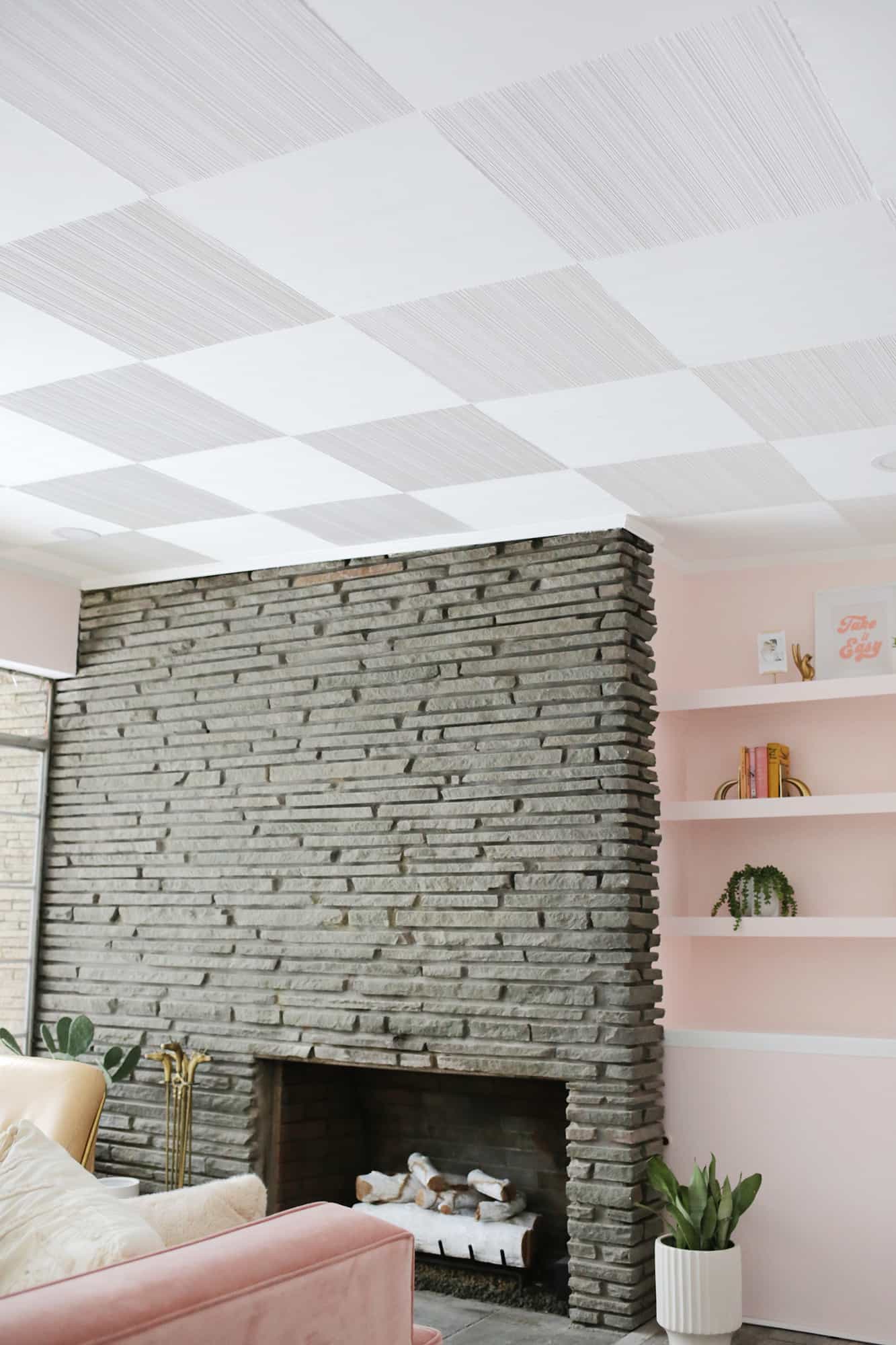

Vintage Weldtex Ceiling Panels: A Nostalgic Journey Through Retro Renovation and Interior Design
The allure of vintage Weldtex ceiling panels transcends mere architectural necessity; it represents a tangible connection to past design eras, a testament to tactile textures, and a rich source of inspiration for contemporary interior renovation. Weldtex, a brand synonymous with a distinctive textured wood fiber ceiling panel, emerged in the mid-20th century, gracing countless homes, offices, and public spaces with its unique aesthetic. These panels, often characterized by their deeply grooved, wood-like appearance achieved through pressing and scoring, offered an affordable yet visually engaging alternative to traditional plaster or exposed beams. Their popularity stemmed from a combination of factors: ease of installation, acoustic dampening properties, and a robust, durable finish that could withstand the passage of time. Today, the resurgence of interest in mid-century modern, retro, and even maximalist design styles has brought Weldtex panels back into the spotlight, transforming them from forgotten relics into sought-after design elements for adventurous renovators and interior designers alike. This article delves into the world of vintage Weldtex ceiling panels, exploring their history, design applications, the challenges and triumphs of working with them, and their enduring appeal in the modern home.
Understanding Weldtex: Material, Manufacturing, and Mid-Century Popularity
The core of vintage Weldtex ceiling panels lies in their construction. Primarily composed of compressed wood fibers, these panels were manufactured using a process that involved scoring and grooving the surface to mimic the grain and texture of natural wood. This was not an attempt at literal wood imitation, but rather an abstraction of its tactile qualities, offering a more uniform and easily maintainable surface. The manufacturing process allowed for various patterns and groove depths, contributing to the diversity found within vintage Weldtex collections. During their heyday, from the 1950s through the 1970s, Weldtex was a go-to solution for builders and homeowners seeking to add visual interest and acoustic comfort to their ceilings without incurring the expense and labor of more complex treatments. They were particularly favored in basements, garages, and utility rooms due to their inherent durability and resistance to moisture and impact, though they also found their way into living rooms and dining areas, contributing to the characteristic warmth and texture of mid-century interiors. The affordability and widespread availability of Weldtex made it a democratic design element, accessible to a broad spectrum of the population and deeply embedding its aesthetic into the collective memory of that era. This widespread adoption means that vintage Weldtex panels can still be found today, often in their original, remarkably preserved state, within older homes undergoing renovation.
The Aesthetic Appeal of Vintage Weldtex in Modern Design
The enduring appeal of vintage Weldtex lies in its ability to impart a unique character and texture to a space. In an era often dominated by smooth, minimalist surfaces, the deeply grooved, tactile nature of Weldtex offers a refreshing departure. Its inherent warmth and subtle dimensionality can soften modern interiors, preventing them from feeling sterile or cold. For fans of mid-century modern design, Weldtex panels are an authentic and invaluable element, instantly evoking the era’s aesthetic sensibilities. They pair exceptionally well with teak furniture, Eames-inspired chairs, and other iconic pieces, creating a cohesive and nostalgic ambiance. However, the versatility of Weldtex extends beyond strict mid-century revivals. In contemporary farmhouse styles, the textured surface can complement exposed wood beams and shiplap walls, adding another layer of rustic charm. For those embracing maximalist design, Weldtex can serve as a dynamic backdrop, its texture providing visual intrigue that can hold its own against bold wallpapers and patterned textiles. Furthermore, the acoustic properties of Weldtex are a significant advantage. In open-plan living spaces, they can help to absorb sound, reducing echo and creating a more comfortable auditory environment. This functional benefit, combined with their strong aesthetic impact, makes them a compelling choice for designers looking to create spaces that are both visually engaging and acoustically balanced. The ability of Weldtex to evoke a sense of history and craftsmanship also appeals to those seeking to imbue their homes with personality and a story, moving away from mass-produced uniformity.
Sourcing and Identifying Authentic Vintage Weldtex Panels
The hunt for authentic vintage Weldtex ceiling panels is an adventure in itself, often leading to unexpected discoveries in architectural salvage yards, online marketplaces specializing in vintage building materials, and even from homeowners undertaking renovations. Identifying genuine Weldtex involves a few key indicators. Firstly, the characteristic grooved texture is paramount. Unlike some later imitations, vintage Weldtex often features a deep, precisely cut pattern that feels substantial and three-dimensional. Secondly, the material itself, a dense wood fiber composite, will have a distinct weight and feel. Some panels may have a slightly rougher, unfinished underside, while others might feature a paper backing or an integrated insulation layer, depending on the manufacturing era and intended application. Color variations can also provide clues; while many were originally left in a natural, light brown or off-white tone, some were pre-finished in a range of muted colors. It’s essential to be aware of potential imitators, such as vinyl or pressed cardboard tiles that mimic the Weldtex look but lack its authentic material quality and acoustic benefits. Thorough inspection for damage, such as significant warping, water stains, or crumbling edges, is crucial when sourcing vintage panels. Some minor imperfections can often be embraced as part of the material’s history, but significant structural issues may render them unsuitable for installation. Documenting the dimensions and any visible manufacturer markings can aid in research and authentication. The satisfaction of uncovering original Weldtex panels, especially in good condition, is immense, offering a direct link to the past for a renovation project.
Installation Considerations and Techniques for Vintage Weldtex
Installing vintage Weldtex ceiling panels requires a blend of modern techniques and an understanding of the material’s unique properties. The most common installation method involves attaching the panels to a suspended grid system, a popular choice for both original installations and contemporary renovations. This method offers flexibility, ease of access for future maintenance of overhead services, and can effectively hide imperfections in the existing ceiling structure. The panels typically interlock or overlap at the edges, creating a seamless appearance. For DIY enthusiasts, careful measurement, precise cutting, and the use of appropriate fasteners (such as specialized clips or staples for grid systems) are essential for a professional finish. Ensuring the grid is level and securely anchored to the joists is the foundational step. Another approach, particularly for smaller areas or for achieving a more direct, architectural look, is to fasten the panels directly to furring strips or the existing ceiling structure. This method demands a very flat and stable underlying surface. When working with vintage panels, it’s crucial to handle them with care to avoid chipping or breaking the edges, especially if the material has become more brittle with age. Some renovators opt to reinforce particularly fragile edges with a thin layer of wood glue or a specialized repair compound before installation. When cutting, a sharp utility knife or a fine-toothed saw, often with a dust collection attachment, is recommended to minimize fiber splintering. The inherent sound-dampening qualities of Weldtex can be further enhanced by installing acoustic insulation batts above the panels during the installation process, especially in residential settings where noise reduction is a priority. Safety precautions, including wearing a dust mask, eye protection, and gloves, are paramount due to the nature of the material and potential age-related dust.
Refurbishing and Preserving Vintage Weldtex
One of the most rewarding aspects of working with vintage Weldtex is the opportunity for refurbishment, breathing new life into existing panels and preserving their historical integrity. The cleaning process is typically straightforward, involving a gentle wipe-down with a damp cloth and a mild detergent. Stubborn marks or discoloration may require more targeted approaches, such as a light sanding with fine-grit sandpaper, but this should be done judiciously to avoid removing too much of the textured surface. For panels that have been painted over time, careful stripping using appropriate paint removers can reveal the original textured finish. It’s important to test any stripping agents on an inconspicuous area first to ensure they don’t damage the wood fiber. Once cleaned and stripped, the panels can be left in their natural state, their aged patina adding to their charm. Alternatively, they can be re-finished. A clear sealant can protect the surface and enhance the natural wood tones, while a light coat of latex or oil-based paint can be applied for a fresh look. When painting, using a roller with a medium nap is often ideal for ensuring the paint settles into the grooves without obscuring the texture. For those seeking a more dramatic transformation, some designers have experimented with applying metallic paints or even specialized textured finishes over Weldtex panels, creating unexpected and contemporary interpretations. Preserving the original fasteners and any manufacturer labels, if present, also contributes to the historical authenticity and value of the panels. Regular dusting and occasional cleaning are key to maintaining their condition for years to come, ensuring these vintage treasures continue to enhance interior spaces.
The Enduring Legacy and Future of Vintage Weldtex
The continued interest in vintage Weldtex ceiling panels signifies more than a fleeting design trend; it reflects a broader cultural shift towards valuing authenticity, craftsmanship, and the tactile qualities of materials. In an age of mass production and digital ubiquity, the tangible presence and historical resonance of elements like Weldtex offer a grounding counterpoint. Their ability to be repurposed, refurbished, and integrated into diverse design schemes demonstrates their inherent adaptability and timeless appeal. As homeowners and designers increasingly seek to create unique, character-filled spaces that tell a story, vintage building materials like Weldtex will undoubtedly continue to play a significant role. The challenges of sourcing and working with these materials are often outweighed by the immense satisfaction of breathing new life into forgotten elements and creating interiors that possess a depth and authenticity rarely found in contemporary builds. The future of vintage Weldtex likely involves continued innovation in how it’s used, with designers pushing the boundaries of its application beyond traditional ceiling treatments. We may see its use in wall paneling, custom furniture elements, or even as textured accents in art installations. Ultimately, vintage Weldtex ceiling panels stand as a testament to the enduring power of well-designed, tactile materials and their ability to transcend generations, offering a tangible connection to the past while inspiring the interiors of the future. Their journey from utilitarian building material to coveted design feature underscores the cyclical nature of design and the timeless appeal of texture, history, and individuality in our built environments.

