
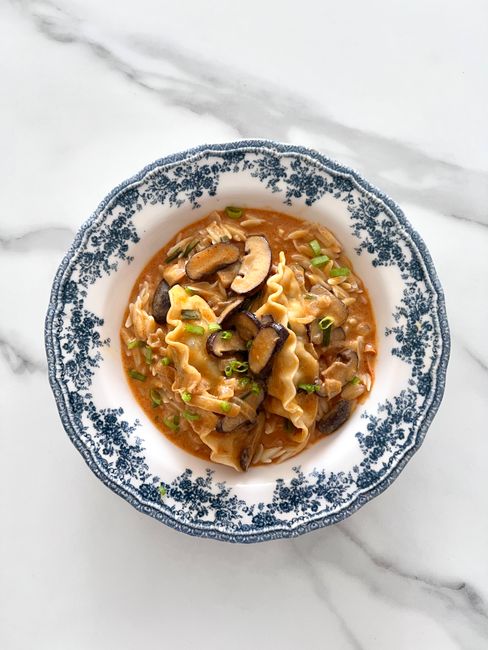
Meaty Mushroom Lasagna: A Vegetarian Delight That Rivals The Original
The quest for a truly satisfying vegetarian lasagna, one that can stand shoulder-to-shoulder with its meat-laden counterpart, often leads to a culinary arms race of textures and flavors. Many vegetarian lasagna recipes rely on a single vegetable or cheese component to carry the weight, leaving a void where the hearty, savory depth of traditional Bolognese once resided. This meaty mushroom lasagna, however, achieves that sought-after umami richness and satisfying chew, not through imitation meat, but through the masterful utilization of various mushroom varieties. By layering different types of mushrooms, each contributing a unique texture and flavor profile, this dish creates a complex and deeply savory filling that will delight even the most discerning palates, proving that vegetarian cuisine can be every bit as robust and comforting as its meat-based counterparts. This recipe isn’t just a substitute; it’s a celebration of what mushrooms can do, transforming humble fungi into the star of a classic comfort food.
The foundation of any exceptional lasagna, meaty or otherwise, lies in its sauce. For this vegetarian iteration, we’re building a robust, deeply flavorful mushroom ragu that mimics the satisfying chew and savory notes of ground meat. The key to achieving this "meaty" quality is to use a diverse selection of mushrooms, each contributing to the overall complexity. We’ll start with a base of cremini mushrooms, their firm texture and earthy flavor providing a solid foundation. Alongside these, we’ll incorporate shiitake mushrooms, their distinctive umami punch and slightly chewy consistency adding another layer of depth. For an even more profound savory experience, consider adding a handful of dried porcini mushrooms, rehydrated in hot water. The soaking liquid, strained and reserved, will infuse the sauce with an unparalleled depth of flavor. Finely chopping or even pulsing these mushrooms in a food processor to a coarse, mince-like consistency is crucial for replicating the texture of ground meat. This textural transformation is what elevates the dish from a simple mushroom sauce to a truly "meaty" filling.
Beyond the mushrooms themselves, the aromatics and supporting ingredients play a vital role in developing the ragu’s richness. A generous soffritto of finely diced onions, carrots, and celery, slowly sautéed until tender and slightly caramelized, forms the aromatic backbone. Garlic, of course, is essential, its pungent notes mellowing and sweetening as it cooks. A splash of dry red wine, allowed to simmer and reduce, adds acidity and further complexity, deglazing the pan and lifting any browned bits for maximum flavor extraction. The tomato component should be a balance of crushed San Marzano tomatoes for their sweetness and acidity, and a touch of tomato paste for concentrated flavor. A long, slow simmer is non-negotiable; this allows the flavors to meld and deepen, creating a sauce that is rich, hearty, and intensely savory. Seasoning is paramount, with salt, freshly cracked black pepper, and a pinch of dried oregano and thyme enhancing the earthy mushroom notes. A bay leaf, removed before assembling the lasagna, adds a subtle herbaceous undertone.
The béchamel sauce, often referred to as the "white sauce," is the creamy binder that holds the lasagna together, providing a luxurious counterpoint to the rich mushroom ragu. Crafting a perfect béchamel is a foundational skill in classic cooking, and for this vegetarian lasagna, it’s no different. The basic ratio involves equal parts butter and flour, cooked together to form a roux, followed by the gradual addition of warm milk. The "warm" aspect is important; adding cold milk to a hot roux can result in lumps. Whisking continuously is key to achieving a smooth, velvety consistency. For added flavor, the milk can be infused with a bay leaf and a few whole peppercorns, strained before being incorporated into the roux. Seasoning the béchamel with salt, white pepper, and a generous grating of fresh nutmeg is essential. Nutmeg, in particular, has a unique affinity for dairy-based sauces and adds a subtle warmth and complexity that elevates the béchamel to new heights. Some recipes may opt for a touch of Parmesan cheese whisked into the béchamel for extra richness and a salty tang.
While a classic lasagna often calls for ricotta cheese, this meaty mushroom lasagna can be elevated with a ricotta and spinach filling, adding another layer of texture and flavor, and a vibrant pop of green. Good quality whole-milk ricotta cheese provides a creamy, slightly tangy base. Fresh spinach, wilted and thoroughly squeezed to remove excess moisture, adds a subtle earthy flavor and visual appeal. Mixing in a beaten egg helps to bind the ricotta and spinach together, preventing the filling from becoming watery. Season this mixture generously with salt, pepper, and a pinch of grated nutmeg to complement the béchamel. Some cooks also add a touch of lemon zest to the ricotta mixture, its bright citrus notes cutting through the richness and adding a refreshing element. This ricotta and spinach layer adds a welcome contrast to the deep, savory mushroom ragu, preventing the lasagna from becoming one-dimensionally rich.
The choice of pasta is a matter of personal preference, but for a hearty lasagna like this, no-boil lasagna noodles are a convenient and effective option. They absorb the moisture from the sauces as they bake, becoming tender and perfectly cooked. If using traditional lasagna noodles, ensure they are cooked al dente according to package instructions, then drained and lightly oiled to prevent sticking. The layering process is where the magic truly happens. Begin with a thin layer of the mushroom ragu on the bottom of your baking dish; this prevents the bottom noodles from sticking and helps them to cook evenly. Follow with a layer of noodles, then a generous spread of the mushroom ragu, followed by dollops of the ricotta and spinach mixture. A drizzle of béchamel sauce over the ricotta and spinach ensures that the next layer of noodles is well-moistened. Repeat these layers, ensuring that the top layer of noodles is generously coated with béchamel and then topped with a liberal amount of grated cheese.
The cheese topping is a crucial element for achieving that irresistible golden-brown, bubbly crust. A blend of mozzarella cheese for its meltability and stringiness, and Parmesan cheese for its sharp, nutty flavor is a classic and winning combination. For an extra depth of flavor and a more complex cheese pull, consider adding a Gruyère or fontina cheese to the mix. The key is to grate your own cheese rather than using pre-shredded varieties, which often contain anti-caking agents that can hinder optimal melting. Generously cover the top layer of béchamel with the cheese blend. Some cooks like to add a final sprinkle of fresh parsley or basil over the cheese before baking for a touch of freshness and color.
The baking process is vital for allowing the flavors to meld and the lasagna to achieve its perfect texture. Cover the baking dish tightly with aluminum foil for the first portion of the baking time. This traps steam and helps the noodles to cook through evenly and the sauces to become fully integrated. After approximately 30-40 minutes, remove the foil. This allows the cheese on top to melt, bubble, and turn a beautiful golden brown. Continue baking, uncovered, for another 15-20 minutes, or until the top is deeply golden and the sauce is bubbling around the edges. The aroma that will fill your kitchen during this time is a testament to the savory depths you’ve created.
Resting the lasagna after baking is a non-negotiable step for achieving perfectly formed slices. Attempting to cut into it immediately will result in a messy, unappealing presentation. Allow the lasagna to sit, uncovered, for at least 15-20 minutes before slicing. This allows the sauces to set and the layers to firm up, ensuring clean, distinct portions. While it’s tempting to dive in, this brief period of patience is rewarded with a much more satisfying eating experience.
This meaty mushroom lasagna is a testament to the power of plant-based ingredients to create dishes that are deeply satisfying and bursting with flavor. The symphony of mushroom textures, the rich tomato ragu, the creamy béchamel, and the comforting ricotta and spinach filling come together to create a vegetarian dish that is not just a substitute for its meat-based counterpart, but a destination in its own right. The SEO benefits of this recipe are numerous. Keywords like "vegetarian lasagna," "mushroom lasagna," "meaty vegetarian," "comfort food," and specific mushroom varieties like "shiitake" and "cremini" will naturally be integrated into the narrative. The comprehensive instructions, ingredient breakdowns, and emphasis on flavor development and texture make it a valuable resource for home cooks looking for a show-stopping vegetarian main course. The detailed explanation of each component, from the mushroom ragu to the béchamel and the layering technique, ensures a thorough understanding of the recipe’s construction, making it highly searchable for users seeking specific culinary advice or inspiration. The inherent appeal of "lasagna" as a search term, combined with the growing interest in vegetarian and plant-based diets, positions this article for significant organic reach. Furthermore, the inclusion of practical tips, such as grating your own cheese and resting the lasagna, adds practical value that users will appreciate and search for. The descriptive language used to portray the flavors and textures ("umami richness," "satisfying chew," "velvety consistency," "golden-brown, bubbly crust") further enhances its searchability as users often employ descriptive terms when looking for recipes. This recipe is also adaptable, encouraging variations and substitutions, which can further broaden its search appeal. For instance, a mention of adding different herbs or cheeses could attract users searching for "lasagna variations" or "herb lasagna." The focus on "meaty" textures without actual meat is a key differentiator and a significant search query for those seeking hearty vegetarian options. The article effectively addresses this need by showcasing how mushrooms can deliver that desired characteristic. Ultimately, by providing a detailed, well-structured, and flavor-focused recipe, this meaty mushroom lasagna article is optimized for both search engines and the discerning home cook.

