The Overly Open Floor Plan: Recognizing the Threshold of Excessive Openness
While open floor plans have revolutionized modern interior design, offering a sense of spaciousness, light, and enhanced social interaction, there exists a critical point where "open" becomes "too open." This excessive openness can manifest in several detrimental ways, compromising privacy, functionality, acoustics, and even the psychological comfort of inhabitants. Recognizing these signs is crucial for homeowners and designers alike to avoid creating spaces that are aesthetically pleasing but practically unlivable. The fundamental issue arises when the absence of defined boundaries leads to a lack of distinct zones for specific activities, a constant bombardment of sensory input, and a feeling of exposure rather than connection.
One of the most immediate and significant drawbacks of an overly open floor plan is the erosion of privacy. In a completely unfettered space, activities occurring in one area are invariably visible and audible from all others. This lack of visual and auditory separation can be particularly problematic for families. Imagine a child attempting to do homework at a kitchen island while a boisterous gathering unfolds in the adjacent living area, or a parent trying to have a confidential phone call while other family members are engaged in loud conversations or watching television. The constant exposure can lead to feelings of being perpetually "on display," hindering relaxation and concentration. Even for individuals living alone, the absence of private sanctuaries can become mentally taxing, preventing true respite from daily life. The psychological impact of not having a dedicated space to retreat to, to close a door and be truly alone with one’s thoughts, cannot be overstated. This is especially relevant in multi-generational households or when hosting guests, where the need for individual privacy becomes even more pronounced.
Beyond privacy concerns, the functional compromises of an overly open layout are substantial. Without distinct walls or even partial divisions, it becomes challenging to designate and optimize specific areas for their intended purposes. A living room might bleed into a dining area, which then spills into a kitchen, creating a chaotic flow where furniture placement becomes a constant negotiation. The kitchen, in particular, can suffer. The constant presence of cooking odors, cleaning activities, and the visual clutter of appliances and cookware can permeate the entire living space, diminishing the appeal of other zones. Furthermore, it can be difficult to maintain a tidy and organized environment when everything is on display. The distinction between "work" and "leisure" blurs, making it harder to mentally transition between different activities. For instance, a home office integrated into a living area can lead to constant distractions, impacting productivity. Similarly, the dining area might feel less formal and more like an extension of the kitchen, losing its distinct sense of occasion.
Acoustic challenges are another pervasive issue in overly open floor plans. Sound travels unimpeded, creating a cacophony of noise that can be incredibly disruptive. The hum of the refrigerator, the clatter of dishes, the sounds of television or music, and conversations all meld into a constant background drone. This lack of sound dampening can lead to increased stress levels, difficulty concentrating, and a general sense of unease. Imagine trying to hold a quiet dinner party while the sounds of cooking and everyday household activities are amplified. The intimacy and focus intended for such an event are completely undermined. This acoustic problem is exacerbated by hard surfaces common in modern open-plan homes, such as hardwood floors and granite countertops, which reflect sound rather than absorbing it. Without strategic acoustic treatments, the space can feel overwhelming and even jarring. The inability to escape ambient noise can lead to a constant state of low-level anxiety and a feeling of never being truly at peace.
The psychological impact of excessive openness can be subtle yet profound. Humans, by nature, often seek a sense of containment and definition. Walls, even in their absence, provide visual cues for separation and purpose. When these cues are entirely removed, a space can feel overwhelming, impersonal, and even disorienting. The constant visual stimulation and lack of visual anchors can lead to a feeling of being adrift. Furthermore, the lack of cozy nooks or intimate corners can make a large, open space feel cavernous and unwelcoming, despite its perceived spaciousness. This is particularly true for individuals who are introverted or who value personal space. The constant interaction, even if passive, can be draining. The absence of clearly defined "rooms" can also make it difficult for inhabitants to mentally map and navigate their living environment, leading to a subtle but persistent feeling of unease.
The decor and furniture placement in an overly open floor plan often become a struggle to create any semblance of definition. Without walls to anchor furniture against, designers are forced to rely on rugs, furniture arrangement, and lighting to delineate zones. While this can be effective to a degree, in an excessively open space, these methods can feel superficial and fail to provide the robust sense of separation that is truly needed. Furniture can end up feeling scattered, and the overall aesthetic can appear haphazard rather than intentionally designed. The challenge of placing large furniture pieces in a way that doesn’t obstruct flow or create awkward dead zones becomes a constant puzzle. The temptation to fill the void with more furniture can lead to a cluttered and uninviting space, defeating the original purpose of openness. Finding the right balance between providing ample seating and maintaining a sense of spaciousness becomes a delicate dance that is often lost in an overly open environment.
Energy efficiency and climate control can also be compromised in overly open floor plans. Heating and cooling a vast, undivided space is inherently more challenging and energy-intensive than conditioning smaller, defined rooms. Cold air can easily migrate from less-used areas to more occupied ones, and warm air can dissipate rapidly. This leads to fluctuating temperatures, increased energy bills, and a reduced level of comfort for inhabitants. The lack of barriers means that drafts can sweep through the entire living area, making it difficult to maintain a consistent and comfortable environment. In colder climates, this can result in perpetually chilly living spaces, while in warmer climates, the air conditioning may struggle to keep up, leading to sticky and uncomfortable conditions. The constant battle against the elements becomes an ongoing expense and a source of frustration.
The cost and complexity of renovations or modifications in an overly open floor plan can be significant if the initial design was, in hindsight, too extreme. Adding walls or partitions later can be a substantial undertaking, involving structural changes, electrical work, and finishing. This can be a costly mistake for homeowners who realize the limitations of their open-concept living space after the fact. The initial allure of "more space" can translate into unforeseen expenses when the need for defined areas arises. This often involves reconfiguring plumbing, HVAC systems, and electrical wiring, turning what might seem like a simple addition into a major construction project. The desire for flexibility can, ironically, lead to a lack of long-term adaptability if the space is fundamentally too open to begin with.
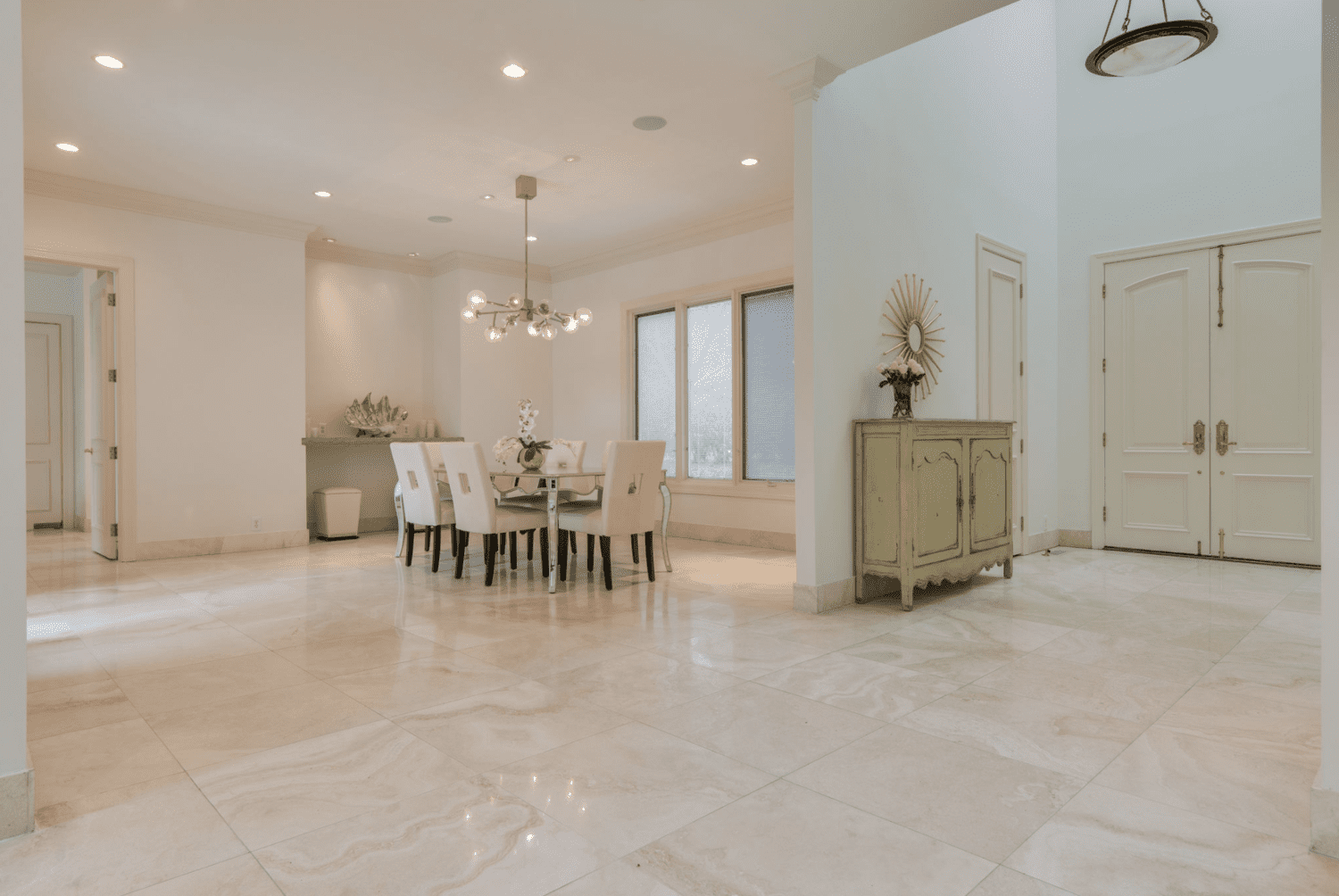
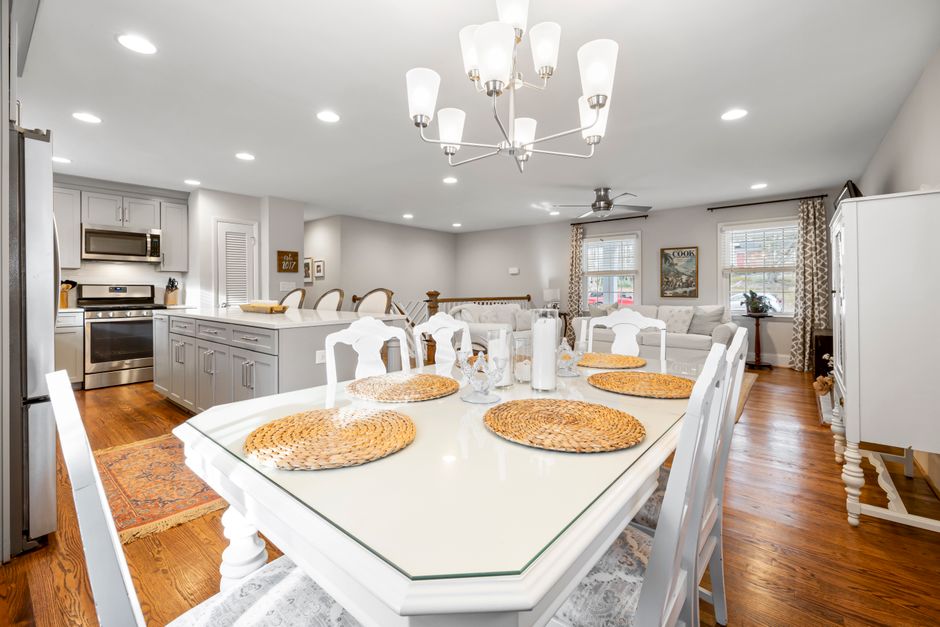
Identifying the signs of an overly open floor plan involves observing several key indicators. A lack of distinct areas for specific activities, such as a dedicated dining space or a quiet reading nook, is a primary red flag. Persistent issues with noise and echoes, even with attempts at mitigation, suggest a problem with sound travel. A feeling of constant exposure or a struggle to find moments of solitude points to a deficit in privacy. If furniture placement feels like a constant puzzle and the overall space feels more like a single large room than a series of interconnected living areas, it’s likely too open. The absence of visual anchors and the feeling of being adrift in a sea of space are also telling signs. It’s about more than just square footage; it’s about how that space is organized and the psychological and practical benefits it provides. The presence of multiple, clearly defined zones, even if subtly separated, indicates a well-balanced approach to open-plan living. Conversely, a homogeneous expanse where every activity jostles for the same undefined territory signals an overreach.
The solution to an overly open floor plan lies in strategic reintroduction of definition. This doesn’t necessarily mean building full walls; rather, it involves creating visual and functional boundaries. Room dividers, freestanding bookshelves, strategically placed furniture groupings, and even changes in flooring or ceiling treatments can effectively delineate zones. Partial walls, half-height walls, or even large-scale art pieces can serve as subtle yet effective dividers. The use of different paint colors or wallpaper in distinct areas can also help to visually separate them. The key is to break down the monolithic space into more manageable and purposeful sections without sacrificing the sense of flow and light entirely. The goal is not to revert to a purely compartmentalized layout, but to find a harmonious balance between openness and definition. This might involve creating a cozy reading corner with a comfortable armchair and a floor lamp, or a more formal dining area defined by a striking chandelier and a well-placed rug.
In conclusion, while the open floor plan offers undeniable advantages, understanding its potential pitfalls is paramount. When "open" transitions into "too open," it compromises privacy, functionality, acoustics, and psychological well-being. By recognizing the warning signs and implementing thoughtful design strategies to reintroduce definition, homeowners can ensure their living spaces are not only aesthetically pleasing but also practical, comfortable, and truly conducive to a fulfilling life. The pursuit of spaciousness should never come at the expense of livability, and recognizing the optimal threshold of openness is key to achieving this crucial balance.

