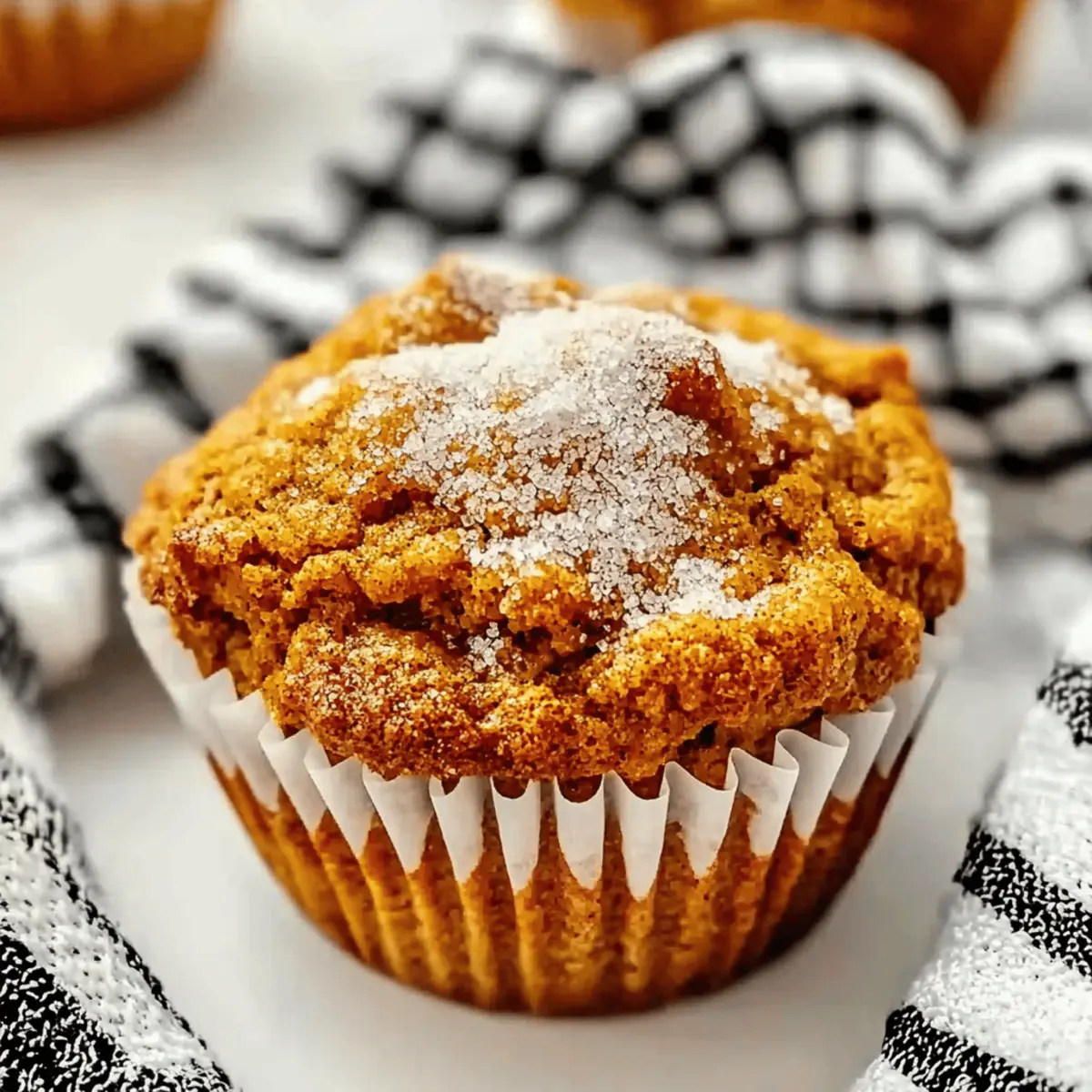

The Ultimate Guide to Delicious Sour Cream Pumpkin Muffins: Flavor, Texture, and Baking Perfection
Sour cream pumpkin muffins represent a harmonious blend of autumnal flavors and a luxuriously tender crumb, a testament to the magic that happens when classic pumpkin spice meets the tangy richness of sour cream. This combination isn’t merely about taste; it’s about achieving a superior muffin texture – moist, dense without being heavy, and delightfully soft. The acidity in sour cream reacts with the leavening agents, creating a lighter, more airy muffin structure, while its fat content contributes to an unparalleled moistness that prevents the common pitfall of dry, crumbly baked goods. This article will delve deep into the science and art of creating the perfect sour cream pumpkin muffin, exploring ingredient functionalities, essential techniques, troubleshooting common issues, and offering variations to cater to every palate. Understanding each component and its role is paramount for consistent success, transforming a simple muffin recipe into a culinary triumph.
The foundation of any great muffin lies in the careful selection and preparation of its ingredients. For sour cream pumpkin muffins, the star players are, predictably, pumpkin puree and sour cream, but their supporting cast is equally vital. Pumpkin puree should be 100% pure pumpkin, not pumpkin pie filling, which is pre-sweetened and spiced. The natural sweetness and earthy flavor of pumpkin provide the quintessential autumnal profile. Its high moisture content, however, can sometimes lead to a gummy texture if not balanced. Sour cream, typically full-fat, is the secret weapon for moisture and tenderness. Its lactic acid acts as a tenderizer, breaking down gluten strands and preventing toughness, while its fat content enriches the muffin, ensuring a moist crumb that lasts. The tang it imparts cuts through the sweetness of the sugar and the earthiness of the pumpkin, creating a more complex flavor profile.
When it comes to flour, all-purpose flour is the standard and most reliable choice for muffin recipes. Its moderate protein content contributes to a tender crumb without being too tough. For those seeking a slightly healthier option or a nuttier flavor, whole wheat flour can be used, but often in combination with all-purpose flour to avoid a dense outcome, as whole wheat flour has a higher gluten content. The sweeteners commonly used are granulated sugar and brown sugar. Granulated sugar provides sweetness and aids in browning, while brown sugar, with its molasses content, adds moisture, a richer flavor, and a chewier texture. A combination often yields the best results. Eggs act as binders, providing structure and richness. They also contribute to the rise of the muffin. The fat in the egg yolks adds to the overall moistness and tenderness.
The leavening agents, baking soda and/or baking powder, are critical for achieving a light and airy muffin. Baking soda, a base, requires an acidic ingredient to react and produce carbon dioxide gas. In this recipe, both the sour cream and brown sugar contribute acidity. Baking powder, a double-acting leavening agent, contains both an acid and a base, reacting once when moistened and again when heated. A combination of both often provides the best lift. Spices are what truly define the pumpkin muffin experience. A classic blend includes cinnamon, nutmeg, cloves, and ginger. The quality and freshness of these spices significantly impact the final flavor. A pinch of salt is essential to enhance all the other flavors and balance the sweetness.
Finally, fat is indispensable for tenderness and moisture. While sour cream contributes fat, additional fat in the form of melted butter or vegetable oil is typically used. Butter offers a richer flavor, while oil contributes to a consistently moist crumb. The choice often comes down to personal preference. Vanilla extract is a flavor enhancer, rounding out the sweet and spiced notes.
The process of creating sour cream pumpkin muffins is as important as the ingredients themselves. The "muffin method" is generally employed, which involves combining dry ingredients in one bowl and wet ingredients in another, then gently folding them together until just combined. Overmixing is the cardinal sin of muffin baking, as it develops the gluten in the flour, resulting in tough, rubbery muffins. A few lumps in the batter are perfectly acceptable and, in fact, desirable.
Preheating the oven is a non-negotiable step for consistent results. A hot oven helps the muffins to rise quickly and develop a beautiful domed top. Preparing the muffin tin is also crucial. Generously greasing the tins or using paper liners prevents sticking and ensures easy removal. For muffins that tend to stick, some bakers advocate for using a pastry brush to coat the inside of each muffin cup with melted butter or oil, then lightly dusting with flour or cocoa powder (depending on the muffin flavor).
When combining the wet and dry ingredients, the key is to be gentle. Once the wet ingredients are added to the dry, use a spatula or a wooden spoon to fold them together until no dry streaks of flour remain. A few lumps are a good indicator that you haven’t overmixed. The batter will be thick and somewhat lumpy.
Portioning the batter evenly into the prepared muffin cups is important for uniform baking. An ice cream scoop or a ¼-cup measuring cup can be helpful for this purpose. Filling the cups about two-thirds to three-quarters full is ideal, allowing for a good rise without overflowing.
Baking time and temperature are critical. The standard temperature for muffins is usually around 375°F (190°C), but this can vary slightly depending on the recipe and oven. Baking time will also vary, typically ranging from 18 to 25 minutes. It’s essential to check for doneness using the toothpick test: insert a toothpick into the center of a muffin, and it should come out clean or with a few moist crumbs attached. Over-baking is a primary cause of dry muffins.
Cooling is the final step that allows the muffins to set properly. Allow them to cool in the muffin tin for a few minutes before transferring them to a wire rack to cool completely. This prevents them from becoming soggy on the bottom.
Troubleshooting common issues in sour cream pumpkin muffin baking can elevate your skills and ensure delicious results every time.
Dry Muffins: This is arguably the most frequent problem. Causes include over-baking, using too much flour, or insufficient fat. Ensure you are measuring flour accurately by spooning it into the measuring cup and leveling it off, rather than scooping directly from the bag. Adjust baking time, checking for doneness earlier. If your recipe consistently produces dry muffins, consider adding a tablespoon or two more sour cream or oil.
Dense or Gummy Muffins: Overmixing is the primary culprit. The gluten in the flour develops too much, resulting in a tough, heavy muffin. Mix only until the dry ingredients are just incorporated. Another cause can be insufficient leavening agents or the use of old baking powder/soda.
Muffins Sticking to the Pan: Inadequate greasing or lining of the muffin tin is the reason. Ensure thorough greasing, especially in the corners, or use high-quality paper liners. Some bakers find that brushing melted butter inside the cups and then lightly flouring them provides extra insurance.
Muffins Not Rising or Collapsed Tops: This can be due to old or inactive leavening agents, opening the oven door too early during baking, or an oven temperature that is too low. Ensure your baking soda and baking powder are fresh. Avoid peeking into the oven for the first 2/3 of the baking time. A properly preheated oven is crucial for initial lift.
Uneven Baking: This can occur if the oven has hot spots. Rotating the muffin tin halfway through the baking time can help ensure more even cooking. If your oven is consistently uneven, consider using an oven thermometer to verify its accuracy.
Flavor Imbalance: Not enough spice, too much spice, or the use of stale spices can all affect the flavor. Use fresh, high-quality spices. Taste your batter (if comfortable doing so before adding eggs) to gauge the spice level, though be mindful of raw egg consumption.
The beauty of sour cream pumpkin muffins lies in their inherent adaptability. Numerous variations can be explored to cater to different tastes and dietary needs.
Chocolate Chip Sour Cream Pumpkin Muffins: Add a generous half to one cup of chocolate chips to the batter along with the dry ingredients. Semi-sweet, milk chocolate, or even dark chocolate chips all work wonderfully. The rich chocolate complements the pumpkin spice perfectly.
Nutty Sour Cream Pumpkin Muffins: Incorporate chopped nuts like walnuts, pecans, or even almonds into the batter. Toasting the nuts beforehand can intensify their flavor and add a pleasant crunch. A sprinkle of nuts on top before baking also adds visual appeal and texture.
Cream Cheese Swirl Sour Cream Pumpkin Muffins: For an extra decadent treat, prepare a simple cream cheese filling (cream cheese, sugar, egg yolk, vanilla). Dollop spoonfuls of the cream cheese mixture onto the muffin batter in the tin and gently swirl with a toothpick.
Glazed Sour Cream Pumpkin Muffins: A simple glaze made from powdered sugar and a liquid (milk, lemon juice, or even a touch of maple syrup) drizzled over cooled muffins adds an extra layer of sweetness and visual appeal. A maple glaze is particularly complementary to pumpkin flavors.
Vegan Sour Cream Pumpkin Muffins: This requires a few substitutions. Use a plant-based sour cream alternative (e.g., soy or coconut-based), a flax egg or commercial egg replacer, and plant-based milk. Ensure your chosen plant-based sour cream has sufficient fat content to maintain moisture.
Gluten-Free Sour Cream Pumpkin Muffins: Utilize a high-quality gluten-free flour blend. These blends often contain a mix of rice flour, tapioca starch, potato starch, and xanthan gum, which helps to mimic the binding properties of gluten. It’s important to follow the specific instructions for gluten-free baking, as these flours can sometimes absorb more liquid.
Spiced Streusel Topping: Elevate your muffins with a crunchy streusel topping. Combine flour, brown sugar, butter, and a dash of cinnamon, then crumble it over the muffin batter before baking.
When it comes to storage, properly cooled sour cream pumpkin muffins can be stored in an airtight container at room temperature for up to 2-3 days. For longer storage, they can be refrigerated for up to a week or frozen for up to 3 months. Ensure they are completely cool before freezing. Thaw frozen muffins at room temperature or gently reheat in a low oven.
The popularity of sour cream pumpkin muffins is not unfounded. They are a testament to how simple ingredients, when combined with thoughtful technique, can create something truly exceptional. The moistness and tenderness imparted by the sour cream, combined with the comforting embrace of pumpkin spice, make these muffins a perennial favorite, especially during the autumn months. Mastering the nuances of this recipe provides a foundational skill that can be applied to a wide array of muffin variations, making it an invaluable addition to any home baker’s repertoire. The satisfying aroma that fills the kitchen as they bake is merely a prelude to the delightful taste and texture that awaits, a perfect balance of sweet, spice, and a wonderfully soft, moist crumb.

