
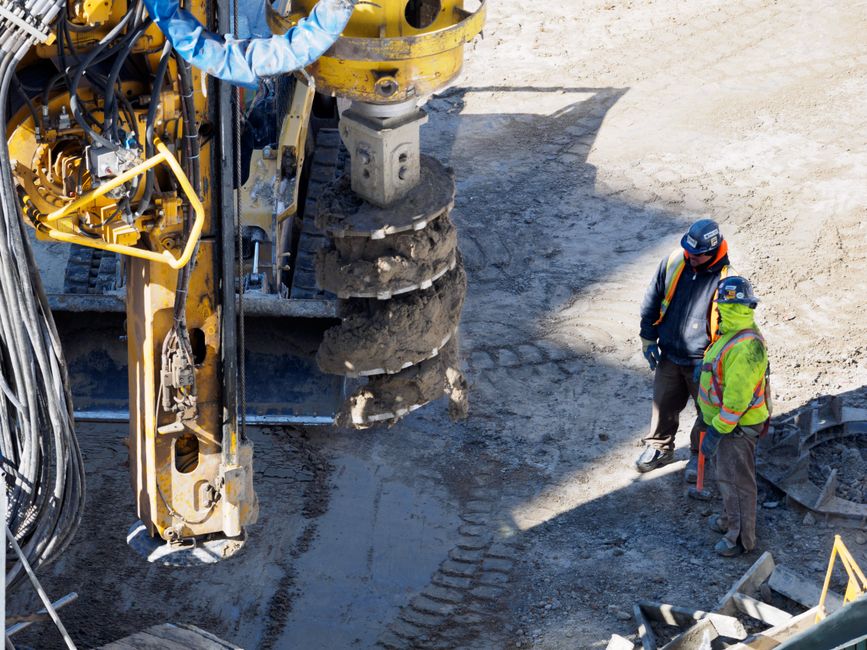
Midland and Wallbridge Commence Drilling on the Casault Property: Unlocking Potential in Québec’s Abitibi Greenstone Belt
Midland Exploration Inc. (TSXV: MD) and Wallbridge Mining Company Ltd. (TSX: WM) have officially commenced drilling operations on the Casault property, a significant joint venture strategically located within the prolific Abitibi Greenstone Belt of Québec. This highly anticipated exploration phase marks a pivotal moment for both companies, focusing on uncovering and delineating gold mineralization within a district known for its rich endowment of precious metal deposits. The Casault property, comprising approximately 214 claims spanning over 11,800 hectares, is situated to the north of the Detour Lake mine in Ontario and the Fennell mine in Québec, placing it within a geologically favorable corridor with proven gold-bearing potential. The joint venture, with Midland holding a 51% interest and acting as the operator, and Wallbridge holding the remaining 49%, signifies a collaborative effort to leverage expertise and capital in advancing this promising project.
The commencement of drilling on the Casault property is driven by a robust geological understanding and a series of successful preliminary exploration activities. These include extensive prospecting, geological mapping, and geophysical surveys, which have identified several promising target zones. The Abitibi Greenstone Belt is renowned globally for its significant gold production, hosting some of the world’s largest and highest-grade gold mines. The geological setting of the Casault property, characterized by Archean-aged volcanic and sedimentary rocks, is highly conducive to hosting hydrothermal gold deposits. Specific geological features, such as structural corridors, felsic to intermediate intrusions, and proximity to known gold occurrences in the broader region, have been instrumental in guiding the current exploration program. The companies are targeting several distinct geological environments, including shear zones, alteration halos, and prospective contact zones between different lithologies, which are classic indicators of potential gold mineralization.
The initial drilling program is designed to systematically test high-priority targets identified through integrated geological and geophysical interpretations. These targets have been defined by anomalies that suggest the presence of favorable host rocks, structural controls, and alteration associated with gold mineralization. The geological team has meticulously analyzed data from previous exploration efforts, including historical diamond drilling where available, and has integrated it with newly acquired geophysical datasets such as magnetics, electromagnetics, and induced polarization (IP). IP surveys, in particular, are crucial for identifying disseminated sulfide mineralization, which is often associated with gold deposits in the Abitibi. The planned drill holes are strategically positioned to intersect these prospective features at depth and along strike, aiming to confirm the presence of gold mineralization and assess its continuity and grade. The program will employ a combination of diamond drilling techniques, allowing for detailed core logging and sample collection for assay analysis.
Midland Exploration, as the operator, brings its extensive experience in gold exploration within the Abitibi Greenstone Belt to the Casault project. The company has a proven track record of discovering and advancing gold prospects in the region, and its technical team has a deep understanding of the geological complexities and exploration strategies required for success. Wallbridge Mining, with its focus on the Detour-Fennell gold belt, complements Midland’s expertise. Wallbridge’s ongoing work at its nearby Fenelon and Detour projects provides valuable context and insights into the regional metallogeny and exploration potential. The synergistic collaboration between the two companies is expected to maximize the effectiveness of the exploration program and accelerate the discovery process.
The Casault property’s strategic location is a significant advantage. It is situated within a prolific gold mining district with established infrastructure, including road access and proximity to skilled labor and mining services. This accessibility reduces logistical challenges and operational costs, allowing for a more efficient and cost-effective exploration program. The proximity to operating mines and advanced exploration projects also provides valuable geological context and an understanding of the regional mineralizing systems. The geological narrative of the Abitibi Greenstone Belt is one of immense gold potential, with numerous large-scale gold deposits having been discovered and mined over many decades. The Casault property lies within a geological setting that mirrors some of the most productive zones within this renowned belt, making it a compelling target for systematic exploration.
The geological model guiding the current exploration efforts on the Casault property is based on the well-established understanding of orogenic gold deposits. These deposits are typically formed through hydrothermal processes associated with deep crustal-scale shear zones. Gold is often deposited in association with quartz veins, stockworks, and disseminated sulfide mineralization within favorably altered host rocks. The Archean volcanic and sedimentary sequences present on the Casault property are known to host such mineralization. Key lithological units and structural features, such as major fault zones and fold hinges, are considered prime targets for gold accumulation. The presence of mafic to ultramafic volcanic rocks, often associated with gold mineralization in other parts of the Abitibi, as well as felsic intrusive rocks that can act as heat engines and fluid sources for hydrothermal systems, contribute to the attractive geological setting.
The exploration program will involve detailed core logging by experienced geologists, focusing on identifying key lithological units, structural features, and alteration assemblages. Geochemical analysis of selected core samples will be conducted by accredited laboratories to determine gold grades and the presence of associated pathfinder elements. High-grade intercepts will trigger immediate follow-up drilling to define the extent and geometry of the mineralized zones. The program is designed to be iterative, with results from each drill hole informing the planning of subsequent holes. This adaptive approach allows for the optimization of drill targeting and maximizes the chances of encountering significant gold mineralization.
The joint venture agreement outlines a clear path for advancing the Casault property. Midland, as the operator, is responsible for the planning and execution of the exploration programs. Wallbridge has the option to maintain its 49% interest by contributing its pro-rata share of exploration expenditures. If Wallbridge does not contribute to a particular expenditure, its interest will be diluted accordingly. This structure allows for efficient progression of the project while providing flexibility for both parties. The current drilling phase represents a significant investment by both companies, underscoring their confidence in the Casault property’s potential.
The Abitibi Greenstone Belt continues to be a global hotbed for gold exploration and discovery. Major gold mining companies and junior explorers alike are actively engaged in the region, driven by the proven success and ongoing discoveries. The Casault property is strategically positioned to benefit from this ongoing exploration activity and the advancements in geological understanding and exploration technologies. The successful discovery of a significant gold deposit on the Casault property would represent a major milestone for both Midland and Wallbridge, potentially leading to the development of a new gold mine and contributing to the economic vitality of the region.
The specific target areas for the initial drilling campaign have been meticulously selected based on a comprehensive review of all available geological and geophysical data. These targets represent zones where the confluence of favorable geological conditions suggests a higher probability of hosting economic gold mineralization. This could include areas of intense shearing, significant alteration, or geophysical anomalies that are indicative of sulfide mineralization associated with gold. The depth and orientation of the planned drill holes are tailored to intersect these targets at optimal angles, maximizing the potential for encountering mineralization and accurately assessing its true width. The ongoing exploration efforts will be guided by a commitment to rigorous scientific methodology and a data-driven approach to target generation and drill program design.
The success of the Casault property exploration program is expected to have a ripple effect within the junior mining sector, reinforcing the perception of the Abitibi Greenstone Belt as a premier jurisdiction for gold exploration. The collaboration between Midland and Wallbridge is a testament to the value of joint ventures in pooling resources and expertise to de-risk exploration projects and accelerate the discovery process. As drilling progresses, the market will be closely watching for updates on assay results and geological interpretations, which will provide crucial insights into the potential of this exciting project. The exploration of the Casault property represents a tangible step towards unlocking new gold resources within one of the world’s most prolific mining regions.
The geological setting of the Casault property is characterized by a complex interplay of volcanic and sedimentary rocks, intruded by various felsic to mafic bodies. The region is cross-cut by a network of fault and shear zones, which are the primary conduits for hydrothermal fluid migration and gold deposition. Understanding the kinematics and history of these structures is paramount to successful gold exploration. The companies are employing advanced geophysical techniques to map these structures and their associated alteration halos in detail. IP surveys, in particular, are sensitive to disseminated sulfide mineralization, which commonly accompanies gold in Archean orogenic gold deposits. Magnetic surveys help in delineating lithological boundaries and identifying mafic intrusions, while electromagnetic surveys can detect conductive bodies, potentially related to graphitic horizons or sulfide-rich zones. The integration of these datasets with detailed geological mapping and prospecting forms the bedrock of the targeting strategy.
The drilling program will be conducted with a strong emphasis on safety and environmental stewardship. Both Midland and Wallbridge are committed to operating in a responsible manner, adhering to best practices and regulatory requirements. Core samples will be meticulously stored and transported to laboratories for analysis, with results to be disseminated to the public in a timely and transparent manner, in accordance with regulatory requirements. The commencement of drilling marks the beginning of a new and exciting chapter for the Casault property, with the potential to contribute significantly to the ongoing gold exploration success story of the Abitibi Greenstone Belt. The focus remains squarely on diligent exploration and the pursuit of discovery, driven by a robust geological framework and a commitment to unlocking the full potential of this strategically located property.
