
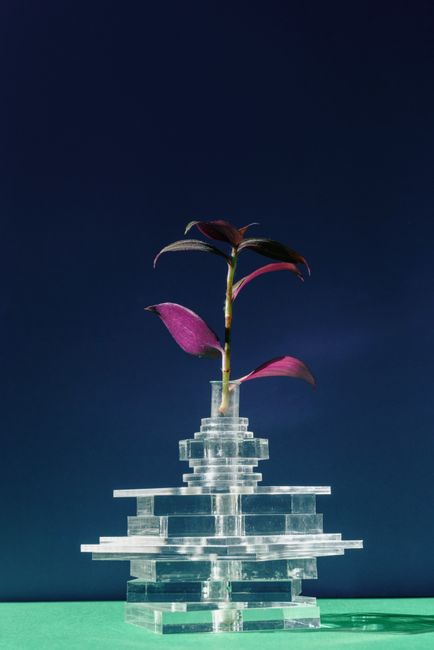
DIY Lucite Plant Stand: Elevate Your Greenery with Modern Elegance
The DIY lucite plant stand is a contemporary design element that brings a touch of minimalist sophistication to any interior. Its transparency allows plants to be the focal point, creating an illusion of floating greenery that enhances the aesthetic of a room without overwhelming it. This guide provides comprehensive instructions for constructing your own durable and stylish lucite plant stand, suitable for various plant sizes and décor styles.
Understanding the Appeal of Lucite for Plant Stands
Lucite, also known as acrylic glass, offers a unique combination of strength, clarity, and versatility. Its transparent nature creates an airy feel, making spaces appear larger and more open. This makes it an ideal material for plant stands, especially in smaller apartments or minimalist interiors where visual clutter is to be avoided. The material is also remarkably durable, resistant to shattering, and relatively easy to clean, ensuring your DIY project will be a long-lasting addition to your home. Unlike traditional materials like wood or metal, lucite doesn’t absorb moisture, which is a significant advantage when housing plants prone to overwatering or humidity. Furthermore, its smooth, polished surface is simple to maintain, requiring only a soft cloth and mild cleaning solution to keep it looking pristine. The modern, almost ethereal quality of lucite seamlessly integrates with a wide range of design aesthetics, from mid-century modern to Scandinavian and even contemporary industrial. It acts as a neutral yet impactful backdrop, allowing the vibrant colors and intricate textures of your plants to truly shine.
Materials and Tools for Your DIY Lucite Plant Stand Project
To embark on this DIY journey, gather the following essential materials and tools:
- Lucite Sheets: The quantity and dimensions will depend on your desired stand design. Opt for acrylic sheets at least 1/4 inch (6mm) thick for structural integrity. Clear or frosted lucite are popular choices. Consider the weight of your plants; heavier specimens will require thicker acrylic for added support.
- Adhesive: A specialized acrylic cement or solvent adhesive is crucial for creating strong, seamless bonds between lucite pieces. Cyanoacrylate (super glue) is generally not suitable for acrylic as it can cause clouding or cracking.
- Measuring Tape/Ruler: For precise measurements and layout.
- Pencil or Marking Tool: To mark cutting lines on the lucite.
- Safety Glasses: Essential for protecting your eyes during cutting and drilling.
- Gloves: To protect your hands from adhesives and sharp edges.
- Cutting Tool: Depending on your lucite thickness and desired precision, this could be:
- Jigsaw with a fine-tooth blade: Suitable for thicker acrylic, ensure slow speeds to prevent melting.
- Circular Saw with an acrylic-specific blade: For straight cuts, requires a steady hand and a guide.
- Acrylic Scoring Tool and Straight Edge: For thinner acrylic, a score-and-snap method can yield clean edges.
- Drill and Drill Bits: For creating pilot holes if needed and for any decorative elements. Use bits designed for plastic or acrylic to prevent chipping.
- Sandpaper (various grits, e.g., 220, 400, 800, 1500): For smoothing rough edges and polishing.
- Polishing Compound (optional): To achieve a high-gloss finish on cut edges.
- Clamps: To hold pieces together securely while the adhesive cures.
- Drop Cloth or Newspaper: To protect your work surface from adhesive spills.
- Rubbing Alcohol and Lint-Free Cloths: For cleaning surfaces before adhesion.
Design Considerations: Planning Your Lucite Plant Stand
Before you begin cutting, meticulous planning is paramount. Consider the following design aspects:
- Size and Shape: Determine the overall dimensions of your stand. Will it be a simple cube, a tiered structure, or a more complex geometric form? Measure the diameter and height of your intended plants to ensure a proper fit and adequate clearance. Think about the desired height to elevate your plants to a more visible level.
- Stability: The design must prioritize stability. Wide bases and well-distributed weight are key. Avoid tall, slender designs that are prone to tipping, especially if you have pets or young children. Consider the weight distribution of the plant, pot, and soil.
- Aesthetic: How will the stand complement your existing décor? Will clear lucite provide an unobstructed view of your plant, or will frosted lucite offer a softer, diffused look? Experiment with different arrangements of acrylic panels to create unique visual effects.
- Functionality: Will the stand have drainage holes or a water catchment system? While lucite is water-resistant, prolonged moisture exposure can potentially affect the adhesive over time if not properly managed. Consider incorporating a small tray or saucer within the design to capture excess water.
- Assembly Method: Decide how the pieces will be joined. Butt joints are common and can be reinforced. Overlapping joints can offer additional strength. The choice will influence the amount of adhesive required and the complexity of the assembly.
Step-by-Step Guide to Building Your DIY Lucite Plant Stand
Let’s break down the construction process into manageable steps:
Step 1: Measure and Mark Your Lucite Sheets
Once you have finalized your design, carefully measure and mark the lucite sheets according to your plan. Double-check all measurements before proceeding to cutting. Use a fine-tip marker or a pencil specifically designed for plastic.
Step 2: Cutting the Lucite
This is a critical step that requires precision and safety.
- For Scoring Tools: Place a straight edge along your marked line. Firmly score the lucite multiple times with the scoring tool. Then, carefully position the score line over the edge of a table or workbench and apply firm, even pressure to snap the acrylic.
- For Power Tools (Jigsaw/Circular Saw): Secure the lucite sheet to your work surface to prevent movement. If using a jigsaw, set it to a slow speed to avoid melting the acrylic. If using a circular saw, ensure you have an appropriate blade and a guide for a straight cut. Always wear safety glasses. Cut slowly and steadily, allowing the blade to do the work. Avoid forcing the material.
Step 3: Sanding and Smoothing Edges
After cutting, the edges of the lucite will be sharp and potentially rough.
- Begin with a coarser grit sandpaper (e.g., 220) to remove any significant imperfections or sharp burrs.
- Progress to finer grits (e.g., 400, 800, 1500) to progressively smooth the edges.
- For a highly polished edge, consider using a specialized acrylic polishing compound with a soft cloth after the final sanding.
Step 4: Preparing for Adhesion
Cleanliness is paramount for a strong bond.
- Wipe down all surfaces that will be glued with rubbing alcohol and a lint-free cloth. This removes any dust, grease, or residue that could interfere with the adhesive.
- Ensure your work area is well-ventilated, especially when working with solvent adhesives, as they can release fumes.
Step 5: Applying Adhesive and Assembling
This is where your careful planning comes to fruition.
- Lay out the pieces as they will be assembled on your protected work surface.
- Apply the acrylic cement or solvent adhesive to one of the surfaces to be joined. Follow the manufacturer’s instructions precisely for application methods and curing times. Many acrylic cements are applied using a fine applicator tip or a brush.
- Carefully align the pieces and press them together firmly.
- Use clamps to hold the pieces in place while the adhesive cures. Be careful not to overtighten the clamps, as this can crack the lucite. Place a piece of scrap lucite or cardboard between the clamp and the acrylic to distribute pressure.
- Wipe away any excess adhesive immediately with a lint-free cloth. Dried excess adhesive can be difficult to remove and can detract from the aesthetic.
- Allow ample time for the adhesive to cure fully according to the manufacturer’s recommendations. This can range from several hours to 24 hours or more. Do not disturb the assembled pieces during this critical curing period.
Step 6: Reinforcement and Finishing Touches (Optional)
Depending on your design and the weight of your plants, you might consider reinforcement.
- For butt joints, you can add small internal corner braces made from scrap lucite, adhered in place.
- Consider adding felt pads to the bottom of the stand to protect your floors.
Advanced Techniques and Design Variations
Once you’ve mastered the basic construction, explore these advanced techniques and design variations:
- Tiered Stands: Create multiple levels by stacking and adhering smaller stands or by incorporating shelves within a larger frame. This is ideal for showcasing a collection of smaller plants.
- Geometric Shapes: Experiment with hexagonal, octagonal, or triangular designs for a more avant-garde look. This requires more precise cutting and joining techniques.
- Colored or Frosted Lucite: Mix and match clear, colored, and frosted lucite panels to create visual interest and depth. Frosted acrylic can provide a softer diffusion of light, while colored acrylic can add a bold pop.
- Integrated Lighting: For a truly dramatic effect, consider integrating small LED strip lights within the stand’s structure. This can highlight your plants and create a captivating ambiance. Ensure proper wiring and ventilation if adding electronics.
- Curved Edges: With specialized tools or by carefully scoring and heating (use extreme caution and proper ventilation if attempting), you can achieve curved edges for a softer, more organic feel.
Maintenance and Care for Your Lucite Plant Stand
Maintaining your DIY lucite plant stand is straightforward:
- Cleaning: Dust regularly with a soft, dry cloth. For tougher grime or fingerprints, use a damp, lint-free cloth with a mild soap solution or a specialized acrylic cleaner. Avoid abrasive cleaners or paper towels, as they can scratch the surface.
- Sunlight: While lucite is relatively UV resistant, prolonged direct sunlight can cause it to yellow over time. Position your stand away from direct, intense sunlight to preserve its clarity.
- Water and Humidity: While lucite is water-resistant, it’s always a good idea to wipe up any spills promptly. Be mindful of overwatering your plants, as excessive moisture pooling around the base of the stand can potentially affect the adhesive over extended periods.
Troubleshooting Common DIY Lucite Issues
- Cloudy or White Edges: This can occur if you use a blade not designed for acrylic or cut too fast, causing melting. Re-sanding and polishing can often fix this.
- Cracked Acrylic: This is usually due to over-tightened clamps, dropping the material, or applying too much force during cutting. Ensure all stress points are reinforced in your design.
- Weak Adhesion: This is typically caused by dirty surfaces, improper adhesive application, or not allowing sufficient curing time. Ensure thorough cleaning and follow adhesive instructions precisely.
- Scratches: Minor scratches can often be buffed out with a plastic polishing compound. Deeper scratches may require professional repair or replacement of the affected piece.
Conclusion: The Enduring Appeal of a DIY Lucite Plant Stand
A DIY lucite plant stand is more than just a functional item; it’s a statement piece that showcases your plants and your creativity. The process of building one is rewarding, offering a tangible result that elevates your living space. By carefully planning, utilizing the right materials and tools, and following these step-by-step instructions, you can create a stunning and durable lucite plant stand that will be admired for years to come. Its modern elegance and transparent design make it a versatile addition to any home, allowing your beloved greenery to truly take center stage. The satisfaction of creating something beautiful and functional with your own hands, coupled with the chic aesthetic of the finished product, makes this DIY project a worthwhile endeavor for any plant enthusiast or design-minded individual.

