Hallway Key Throw Table: Maximizing Entryway Functionality and Style
The hallway key throw table, often a seemingly minor piece of furniture, plays a crucial role in defining the functionality and aesthetic of an entryway. It serves as the designated drop zone for essential items, preventing clutter and promoting an organized home from the moment one steps inside. Beyond its practical purpose, this table is an opportunity to inject personality and style into a often-overlooked transitional space. Understanding the various types, materials, dimensions, and styling considerations for a hallway key throw table is paramount for homeowners seeking to optimize their entryway’s efficiency and visual appeal. From console tables to wall-mounted shelves, each option offers distinct advantages and can be tailored to suit specific spatial constraints and décor preferences. The selection process should prioritize durability, ease of maintenance, and a design that complements the overall interior.
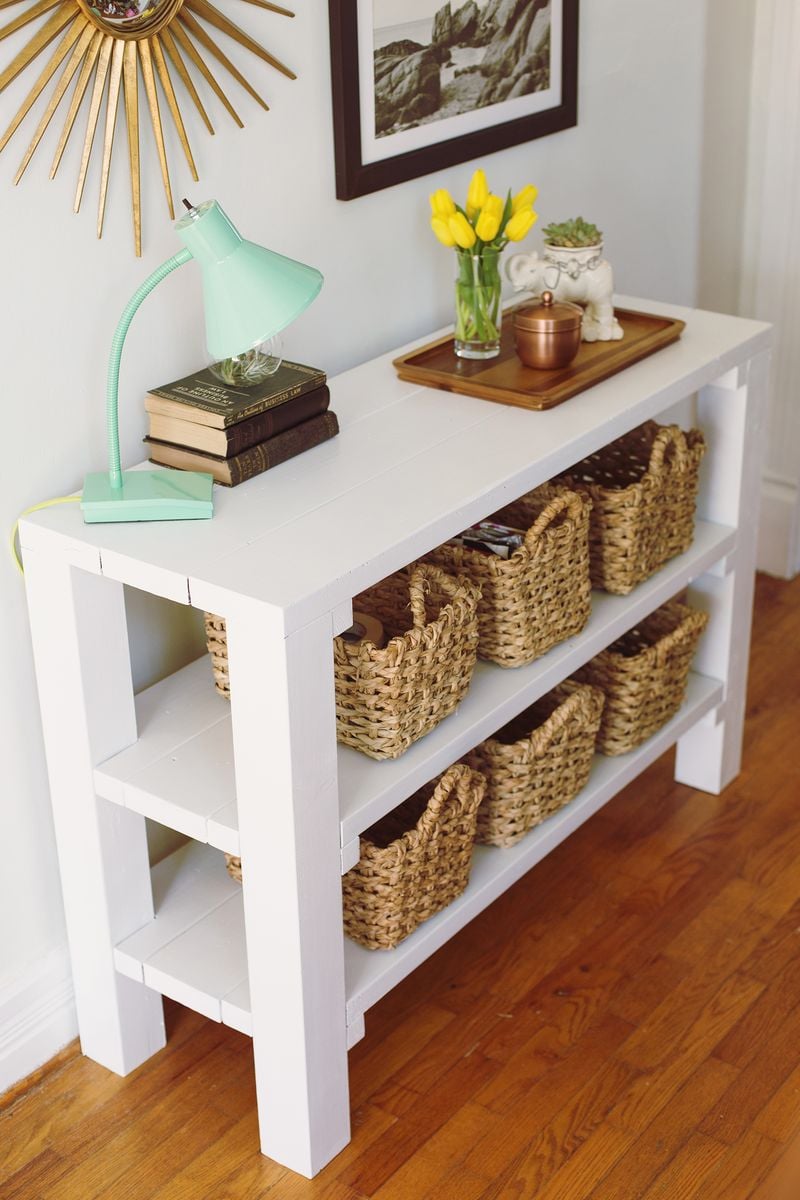
Console tables are perhaps the most traditional and widely recognized form of a hallway key throw table. Characterized by their narrow depth and often elongated shape, console tables are perfectly suited for hallways of varying widths, ensuring they don’t obstruct passage. Their design often features at least one surface, and frequently, a drawer or shelf, providing ample storage for keys, mail, wallets, sunglasses, and other everyday essentials. The height of a console table is also a key consideration. Typically ranging from 28 to 32 inches, this height is ergonomically designed to be comfortable for placing and retrieving items without excessive bending. The width of a console table can vary significantly, from as narrow as 10 inches to as wide as 60 inches or more, allowing for flexibility in fitting various hallway dimensions. Deeper console tables offer more surface area and potentially more storage, but it’s crucial to measure the available space to avoid creating a bottleneck. Materials are another significant factor influencing the look and longevity of a console table. Solid wood options, such as oak, walnut, or maple, exude warmth and durability, offering a timeless appeal. Engineered wood products, like MDF or particleboard with veneers, can provide a more budget-friendly alternative while still offering a wide range of finishes. Metal console tables, often featuring sleek, minimalist designs with glass or wooden tops, can add a contemporary or industrial touch to the entryway. Upholstered console tables, while less common for direct key throwing, can offer a softer, more luxurious feel, though they might be better suited for decorative items rather than high-traffic daily use. The presence of drawers in a console table significantly enhances its organizational capabilities. Small, shallow drawers are ideal for corralling loose change, chapstick, or spare keys. Deeper drawers can accommodate larger items like gloves or scarves. Open shelves beneath the tabletop provide a convenient space for decorative baskets, shoes, or potted plants, further enhancing the table’s multi-functional appeal. The styling of a console table is where its potential for aesthetic impact truly shines. A mirror hung above the table is a classic choice, not only for last-minute grooming checks but also to reflect light and visually expand the hallway. Artwork, photographs, or decorative sculptures can add a personal touch. Lamps, whether a table lamp or a wall-mounted sconce, can provide ambient lighting and create a welcoming atmosphere. Baskets are incredibly versatile for organizing items on shelves or the tabletop, keeping clutter at bay and adding texture.
Wall-mounted shelves and floating shelves offer a minimalist and space-saving solution for a hallway key throw area, particularly in narrower or more compact entryways. These options eschew legs, mounting directly to the wall, thereby creating a streamlined and uncluttered appearance. Floating shelves, in particular, give the illusion of the shelf suspended in mid-air, contributing to a modern and airy feel. The depth of wall-mounted shelves is typically shallower than console tables, often ranging from 6 to 12 inches, making them ideal for hallways where minimizing protrusion is a priority. The length can vary considerably, from short, single shelves to longer, multi-tiered units. Materials for wall-mounted shelves are diverse. Wood, in various finishes from natural to painted, is a popular choice, offering warmth and versatility. Metal shelves, often in black or brushed nickel, can provide an industrial or contemporary aesthetic. Glass shelves can add a touch of elegance and lightness, though they may require more frequent cleaning. The installation of wall-mounted shelves requires careful consideration of wall studs for secure mounting, especially if heavier items will be placed on them. The weight capacity of the shelf and its mounting hardware is a critical safety and functionality factor. Styling a wall-mounted shelf involves a more curated approach due to its typically smaller surface area. A simple tray or bowl is essential for collecting keys and mail. A small plant, a framed photograph, or a decorative candle can add a touch of personality without overwhelming the space. Wall hooks installed below the shelf are excellent for hanging coats, bags, or dog leashes, further maximizing vertical space and keeping the floor clear. Multi-tiered shelves can offer distinct zones for different items, such as a top shelf for keys and mail, and a lower shelf for decorative elements or a small storage basket. The clean lines of wall-mounted shelves make them particularly well-suited for modern, minimalist, or Scandinavian-inspired décor.
Small accent tables, such as petite end tables or side tables, can also serve as effective hallway key throw surfaces, especially in wider entryways or when a more substantial furniture piece is desired. These tables offer more stability and often more surface area than a wall-mounted shelf and can provide a more robust presence than a narrow console table. Their height typically aligns with that of console tables, around 28 to 32 inches, making them convenient for daily use. The depth and width can vary, with some being quite compact and others offering a more generous footprint. Materials mirror those of console tables, with wood, metal, and glass being common. The advantage of an accent table lies in its potential for diverse designs. Some may feature drawers or shelves, while others might have a more open, sculptural base. When choosing an accent table for a hallway, prioritize designs that are not overly bulky or ornate, as they could impede traffic flow. A round accent table can be a good option for softening the lines of a hallway and preventing sharp corners. Styling an accent table can involve a similar approach to a console table, with a mirror, artwork, and lighting being key elements. However, due to their often more compact nature, a focus on a few well-chosen decorative items is usually more effective. A stack of books, a decorative vase, or a small dish for jewelry can add visual interest and practical utility. The inclusion of a small lamp on an accent table can create a warm and inviting glow as one enters the home. For a more eclectic or bohemian style, consider a vintage accent table with unique carvings or an antique finish.
Beyond the primary furniture pieces, a well-equipped hallway key throw area necessitates thoughtful accessories that enhance both organization and aesthetics. Trays are indispensable for corralling keys, coins, and other small items. Materials like wood, metal, ceramic, or even woven seagrass offer different visual textures and styles. A dedicated mail sorter or a small basket for incoming mail prevents papers from accumulating on the table surface. Key hooks, either mounted on the wall above the table or integrated into the table design, are a classic solution for keeping keys visible and accessible, eliminating the frantic search. Wall-mounted key organizers that combine hooks with a small shelf or magnetic strip can be particularly efficient. Baskets, in various sizes and materials, are exceptionally versatile. They can house gloves, scarves, hats, or even dog leashes, keeping these items neatly organized and out of sight. Decorative bowls can serve a dual purpose, holding keys while also acting as a stylish accent piece. Mirrors are more than just functional; they are crucial for amplifying light and creating a sense of space in a hallway. The style of the mirror should complement the overall décor, from ornate framed mirrors to simple, frameless designs. Lighting, whether a table lamp, a wall sconce, or a strategically placed floor lamp, transforms the hallway from a utilitarian passage into a welcoming space. Artwork or photographs add a personal touch and can inject color and personality into the entryway. Plants, even small succulents or air plants, bring life and a touch of nature indoors. The key to successful styling is to strike a balance between functionality and visual appeal, ensuring that the accessories enhance the usability of the space without creating further clutter.
The dimensions of a hallway are often restrictive, making the selection of a key throw table a critical decision. Hallways can range from narrow passages of just three to four feet in width to more expansive entry areas. When measuring for a hallway table, it is essential to consider not only the width of the hallway but also the depth of the table. A table that is too deep can obstruct traffic flow, making it difficult to pass. A general rule of thumb is to ensure at least 30 inches of clear passage space. For very narrow hallways, a depth of 10 to 12 inches for a console table or a wall-mounted shelf is often ideal. In wider hallways, deeper console tables or even small accent tables can be incorporated. The height of the table is also important for ergonomics. As mentioned, 28 to 32 inches is a standard comfortable height for placing and retrieving items. However, if the table will also be used for displaying decorative items or a lamp, a slightly taller table might be considered, provided it doesn’t overpower the space. The length of the table should be proportionate to the length of the hallway. A very long hallway can accommodate a longer console table, while a short hallway might benefit from a more compact, square, or round accent table. Always measure the available wall space and consider the placement of doors, windows, and other architectural features before making a purchase. Consider the overall flow of traffic within the home. The entryway should feel welcoming and organized, not cramped or cluttered. If the hallway leads directly into a living area, the style of the key throw table should harmonize with the adjoining room’s décor.
The choice of materials for a hallway key throw table significantly impacts its durability, maintenance, and aesthetic. Solid wood, such as oak, maple, cherry, or walnut, offers superior durability and a timeless appeal. These woods can be finished in a variety of ways, from natural stains that highlight the grain to painted finishes that complement modern décor. Solid wood is generally more resistant to scratches and dents, though it may require occasional polishing or sealing. Engineered wood products, like medium-density fiberboard (MDF) or particleboard with veneers, are a more budget-friendly option. They offer a wide range of finishes and can mimic the look of solid wood. However, they are generally less durable and more susceptible to damage from moisture or heavy impacts. Metal, in materials like wrought iron, steel, or aluminum, offers a modern, industrial, or minimalist aesthetic. Metal tables are often very durable and easy to clean. They can be powder-coated for added protection and come in various finishes, from matte black to brushed silver. Glass, often used for tabletops, adds a touch of elegance and lightness. However, glass requires regular cleaning to maintain its appearance and can be prone to scratches or breakage if not treated with care. Stone, such as marble or granite, can add a luxurious and substantial feel to a hallway table, but these materials are heavy and can be expensive. Upholstered elements, while less common for direct key throwing, can add a touch of softness and visual interest. The key is to select materials that are not only aesthetically pleasing but also practical for a high-traffic area like an entryway, where items are frequently placed and removed. Ease of cleaning is a paramount consideration, especially for a surface that will be exposed to keys, mail, and potentially dirt from shoes.
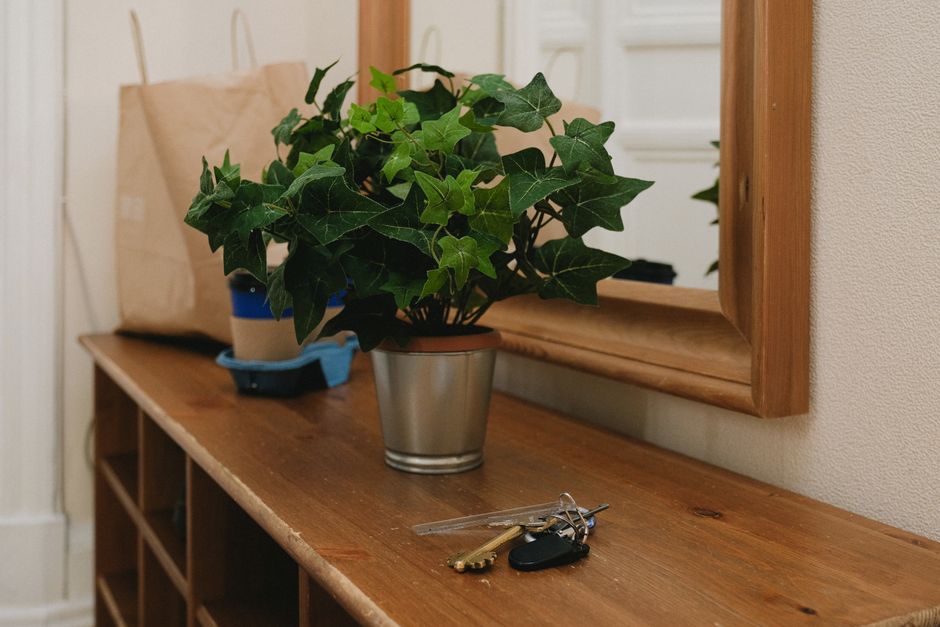
The styling of a hallway key throw table is a crucial element in transforming a functional piece into a statement of personal style. The primary function is organization, so starting with essential organizers is key. A stylish tray, bowl, or small basket is indispensable for corralling keys, loose change, and other small items, preventing them from scattering. Consider the material and color of these organizers to complement the table and the surrounding décor. If the table has drawers, utilize them for items that need to be hidden, such as sunglasses, wallets, or spare keys. Above the table, a mirror is a classic and highly effective choice. It serves a practical purpose for last-minute checks and also visually expands the hallway, reflecting light and making the space feel larger. The style of the mirror frame should be considered to enhance the overall aesthetic – a modern minimalist frame for a contemporary space, or an ornate, vintage frame for a more traditional or eclectic look. Artwork or photographs hung above or near the table can inject personality and color into the hallway. This is an opportunity to showcase personal memories or artistic preferences. A small table lamp or a wall-mounted sconce provides ambient lighting, creating a warm and inviting atmosphere, especially during evening hours. The glow of a lamp can make the entryway feel more welcoming. Decorative elements should be chosen carefully to avoid overwhelming the space. A small potted plant can bring a touch of nature and life to the area. A stack of well-chosen books can add a literary touch. Sculptures, vases, or decorative objects can add visual interest and a sense of curated style. Consider the overall color palette of the hallway and surrounding rooms when selecting decorative items. If the hallway is narrow, opt for fewer, larger decorative pieces rather than many small ones, which can contribute to a cluttered feel. For a minimalist aesthetic, focus on clean lines and a limited color palette. For a more maximalist or bohemian style, don’t be afraid to layer textures and colors. Ultimately, the styling of a hallway key throw table should reflect the homeowner’s personality and create a cohesive and inviting entrance.
In conclusion, the hallway key throw table is far more than just a surface; it’s a pivotal element in creating an organized, functional, and aesthetically pleasing entryway. Whether opting for a classic console table, a space-saving wall-mounted shelf, or a charming accent table, careful consideration of dimensions, materials, and styling is paramount. By prioritizing practical organizational accessories like trays, hooks, and baskets, and enhancing the visual appeal with mirrors, lighting, and decorative elements, homeowners can transform this transitional space into a welcoming and efficient introduction to their home. The strategic selection and styling of a hallway key throw table ultimately contribute significantly to the overall impression and daily flow of a household.
