
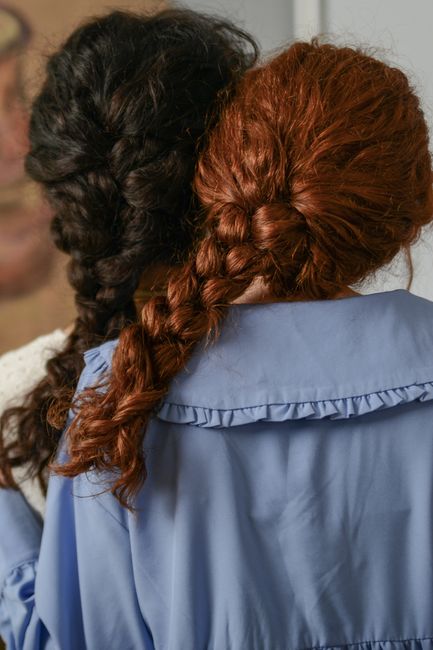
Double Braid Mastery: Two Effortless Styling Techniques for Enhanced Texture and Dimension
Mastering double braids offers a versatile and impactful way to elevate your hairstyles, adding texture, dimension, and a touch of bohemian chic or polished elegance depending on the execution. This comprehensive guide delves into two distinct yet equally stunning methods for creating flawless double braids, focusing on techniques that are both beginner-friendly and offer room for advanced customization. We will explore the foundational elements of each braid type, step-by-step instructions for their creation, and actionable tips for achieving a professional, long-lasting finish. The emphasis will be on achieving visually appealing, structurally sound braids that can transition from casual daytime wear to more formal occasions with minor adjustments. Understanding the nuances of hair sectioning, tension control, and finishing touches is paramount to achieving salon-quality results at home.
The Classic French Double Braid: Structured Elegance and Timeless Appeal
The French double braid, often referred to as a Dutch double braid in some regions, is characterized by its raised, outward appearance, making the braid stand out from the scalp. This technique lends itself to a structured and polished look, offering a visually striking contrast to the smoother, more integrated French braid. The key to a successful French double braid lies in consistently adding hair to the outer strands as you braid, thereby pushing the braid outward and creating that signature three-dimensional effect. This method is exceptionally well-suited for those seeking a hairstyle that is both neat and eye-catching, providing excellent definition and a sense of refined artistry.
Step-by-Step Guide to Crafting the Classic French Double Braid:
-
Preparation is Key: Begin with dry or slightly damp hair. For optimal grip and to minimize flyaways, consider applying a smoothing serum or a light styling cream. Detangle your hair thoroughly with a wide-tooth comb or a brush to ensure an even braiding process. Sectioning is critical for this style. Divide your hair down the middle of your head, from your forehead to the nape of your neck, creating two distinct sections. Use clips to secure the unused section.
-
Initiating the First Braid: Focus on one side of your head. Take a small, triangular section of hair from the front hairline, near your parting. Divide this initial section into three equal strands: a left strand, a middle strand, and a right strand.
-
The French Braiding Motion: This is where the "French" technique comes into play. Instead of crossing strands over each other as in a basic braid, you will be crossing them under.
- Take the rightmost strand and cross it under the middle strand. The original right strand is now the new middle strand.
- Next, take the leftmost strand and cross it under the new middle strand. The original left strand is now the new middle strand.
-
Incorporating New Hair: This is the defining step of the French braid. As you prepare to cross a strand under the middle, you will first add a small section of unbraided hair from the perimeter of your head to that strand.
- Before crossing the rightmost strand under, pick up a small, even section of hair from the right side of your head, adjacent to the braid. Combine this new hair with the existing rightmost strand. Then, cross this combined strand under the middle strand.
- Similarly, before crossing the leftmost strand under, pick up a small, even section of hair from the left side of your head, adjacent to the braid. Combine this new hair with the existing leftmost strand. Then, cross this combined strand under the middle strand.
-
Maintaining Tension and Evenness: Consistent tension is crucial for a neat and secure French braid. Aim for even pressure throughout the braiding process. Avoid pulling too tightly, which can cause discomfort and breakage, but ensure the braid is firm enough to hold its shape. As you move down the head, strive to pick up sections of hair that are roughly equal in size to maintain a consistent braid thickness.
-
Continuing Down the Scalp: Continue this pattern of adding hair from the sides and crossing the strands under the middle. Work your way down the side of your head, following the natural curve of your hairline. Keep the braid close to the scalp for a more polished look, or allow for a slightly looser, more romantic feel.
-
Completing the Braid: Once you reach the nape of your neck and have incorporated all the loose hair on that side of your head, continue with a standard three-strand braid using the remaining hair. Braid this section all the way to the ends.
-
Securing the Braid: Secure the end of the braid with a clear or hair-colored elastic band. For a cleaner finish, you can tuck the elastic band under the braid by using the end of a rat-tail comb.
-
Repeat on the Second Side: Follow the exact same steps for the second section of hair, ensuring symmetry with the first braid. Pay attention to the hairline and the distribution of hair to achieve a balanced look.
-
Finishing Touches for the French Double Braid: Once both braids are complete, you can enhance their appearance. Gently tug on the outer edges of each braid to "pancake" or widen them, creating a fuller and more voluminous effect. This technique adds a bohemian flair and can make thinner hair appear thicker. For a polished finish, mist with a strong-hold hairspray to tame flyaways. If you desire a sleeker look, use a fine-tooth comb to smooth any stray hairs around the face and temples.
The Classic French Double Braid: SEO Optimization Focus
To enhance the SEO visibility of content related to the classic French double braid, keywords such as "French double braids," "Dutch double braids," "how to French braid two pigtails," "easy French braid tutorial," "side French braids," "textured braids," "braided hairstyles," "hair braiding techniques," "DIY braids," "hair styling for long hair," and "quick hairstyles" are highly relevant. Incorporating these terms naturally within the description, headings, and body text will improve search engine rankings. Emphasizing the "structured elegance" and "timeless appeal" also appeals to users seeking specific aesthetic qualities.
The Fishtail Double Braid: Intricate Texture and Effortless Bohemian Charm
The fishtail braid, named for its resemblance to a fish’s tail, is characterized by its intricate, interwoven pattern created by crossing only two strands of hair over each other. This technique results in a delicate, almost rope-like texture that exudes a bohemian and effortlessly chic vibe. While it may appear complex, the fishtail braid is surprisingly simple to master once the core motion is understood. When executed as double braids, it offers a beautiful contrast to the more structured French braid, providing a softer, more undone aesthetic.
Step-by-Step Guide to Crafting the Fishtail Double Braid:
-
Preparation: Similar to the French braid, start with dry or slightly damp, detangled hair. A texturizing spray can be beneficial here to add grip and enhance the braid’s definition. Section your hair down the middle into two equal parts, securing one side with a clip.
-
Initiating the First Fishtail Braid: Take one of the sections. Divide this section into two large, equal strands. Think of these as your "left" and "right" strands for the fishtail.
-
The Fishtail Braiding Motion: The fishtail braid relies on a simple, repetitive movement of taking small pieces from the outside of one strand and crossing them over to the inside of the opposite strand.
- Take a small, thin strand of hair from the outer edge of the right strand.
- Cross this small strand over the top of the right strand and bring it to join the inner edge of the left strand.
- Now, take a small, thin strand of hair from the outer edge of the left strand.
- Cross this small strand over the top of the left strand and bring it to join the inner edge of the right strand.
-
Consistent Section Size is Key: The visual appeal of the fishtail braid lies in the consistent size of the small strands you are crossing over. Aim to pick up pieces that are roughly the same thickness for a uniform look. If you are aiming for a more intricate, delicate fishtail, use very small strands. For a chunkier, more casual fishtail, use slightly larger strands.
-
Maintaining Even Tension: As you braid, maintain a moderate level of tension. Unlike the French braid where tension is crucial for structure, with the fishtail, evenness is more important than tightness. The braid should be firm enough to hold its shape but not so tight that it becomes uncomfortable or loses its textured appearance.
-
Continuing Down the Hair: Continue this process of taking a small strand from the outer edge of one side, crossing it over, and adding it to the inner edge of the opposite side. Work your way down the length of the hair.
-
Completing the Braid: Once you reach the end of the hair section, you will no longer have loose hair to incorporate from the sides. Continue the fishtail braiding motion with the remaining two large strands until you reach the desired length.
-
Securing the Braid: Secure the end of the fishtail braid with a hair elastic. Similar to the French braid, you can tuck the elastic for a cleaner look.
-
Repeat for the Second Braid: Repeat the entire process for the second section of hair, aiming for symmetry in the size of the strands and the overall braid.
-
Finishing Touches for the Fishtail Double Braid: The fishtail braid is inherently textured, but you can further enhance this. Gently pull and loosen the edges of the braid to "pancake" it, making it appear wider and more voluminous. This is particularly effective for adding a bohemian touch. A light mist of hairspray can help keep the style in place and tame any flyaways. For a more "undone" look, you can gently tease out a few small strands from the braid itself.
Fishtail Double Braid: SEO Optimization Focus
For optimal SEO, keywords related to the fishtail double braid should include "fishtail double braids," "how to fishtail braid two pigtails," "easy fishtail braid tutorial," "bohemian braids," "textured hairstyles," "intricate braids," "DIY braiding," "hair braiding for beginners," "two braids hairstyle," and "festival hairstyles." Highlighting the "intricate texture" and "effortless bohemian charm" will attract users searching for specific aesthetic outcomes.
Versatility and Customization: Elevating Your Double Braids
Both the French and fishtail double braid techniques offer a wealth of customization options to suit various hair types, lengths, and occasions. For those with finer hair, incorporating extensions strategically before braiding can add significant volume and length, allowing for fuller, more impactful braids. Similarly, adding decorative elements such as ribbons, scarves, or metallic threads woven into the braid can instantly elevate the style for special events or themed gatherings. Experimenting with braid placement is also a key aspect of customization. While the classic center parting is popular, off-center partings, diagonal partings, or even a zigzag part can create unique visual effects. Furthermore, the tension applied during braiding can be adjusted to achieve different looks. A tighter braid will appear more structured and polished, while a looser braid will exude a more relaxed, bohemian feel. The "pancaking" technique, as mentioned, is a powerful tool for manipulating the visual density of both braid types. For French double braids, ensuring the outer strands are consistently pulled outward can create a more pronounced, architectural look, ideal for statement styles. For fishtail double braids, taking smaller, more frequent sections from the sides will result in a finer, more delicate braid, while larger sections will yield a chunkier, more robust braid. The final styling can also involve leaving face-framing tendrils out, creating a softer effect that complements the braiding. For both styles, finishing with a shine serum can enhance the natural luster of the hair, while a texturizing spray can amplify the braid’s dimension. The longevity of these styles can be significantly improved with the right preparation and finishing products. Anti-frizz serums applied before braiding and a strong-hold hairspray applied afterward are essential for maintaining a polished appearance throughout the day. For active individuals, a volumizing powder applied at the roots before braiding can provide extra grip and hold. Ultimately, the beauty of double braids lies in their adaptability, allowing for endless creative expression and a personalized approach to hairstyling. Understanding these two fundamental techniques provides a strong foundation for exploring a multitude of braided looks.

