
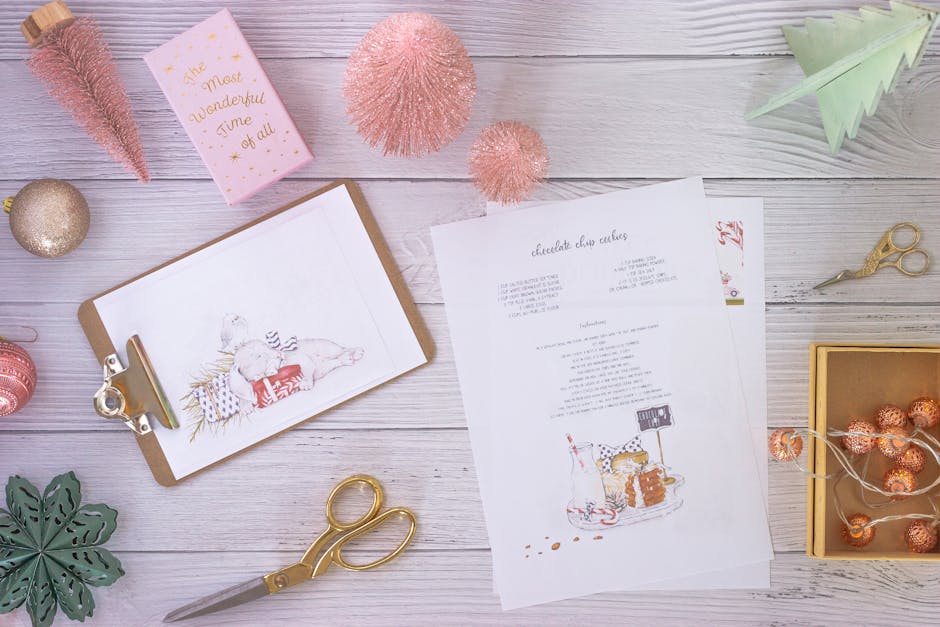
DIY Recipe Card Box Printable Templates: Organize Your Kitchen and Preserve Culinary Traditions
The humble recipe card box, a cornerstone of any organized kitchen, is experiencing a renaissance. Gone are the days of haphazardly scribbled notes on scraps of paper or a chaotic digital mess. A well-curated recipe box, brimming with beautifully formatted, easy-to-read cards, is not only functional but also a treasured heirloom. For the discerning home cook who values both organization and aesthetics, DIY printable recipe card templates offer the perfect solution. This comprehensive guide explores the benefits, design considerations, and practical applications of using printable templates to create a personalized, charming, and highly effective recipe card storage system. We’ll delve into how to find, customize, and utilize these templates to transform your culinary collection into a work of art, ensuring your favorite dishes are always at your fingertips and can be passed down through generations.
The Enduring Appeal of the Physical Recipe Card
In an age dominated by digital information, the physical recipe card holds a unique and enduring appeal. While online recipe databases and apps offer convenience, they often lack the personal touch that makes home cooking so special. A handwritten recipe card, passed down from a grandparent, carries with it memories, stories, and a tangible connection to culinary heritage. Similarly, a beautifully designed, printed recipe card elevates the act of cooking from a chore to a creative endeavor.
The benefits of a physical recipe card system extend beyond sentimentality. For instance, when following a recipe, it’s often easier and less disruptive to refer to a printed card than to navigate a smartphone or tablet screen, which can get greasy or smudged. Furthermore, recipe cards are inherently shareable. You can easily jot down a new creation or a modified classic to gift to a friend or family member. A well-organized recipe box also acts as a culinary compass, guiding you through your repertoire and inspiring new dishes. It’s a central hub for all your culinary knowledge, from everyday weeknight meals to elaborate holiday feasts.
Why Choose DIY Printable Templates?
The world of DIY printable recipe card templates offers a compelling alternative to pre-made boxes or generic cards. Here’s why they stand out:
-
Unparalleled Customization: This is the paramount advantage. Printable templates allow you to tailor every aspect of your recipe cards to your specific needs and aesthetic preferences. You can choose layouts that best suit the amount of space required for ingredients and instructions, select fonts that are legible and visually appealing, and incorporate design elements that reflect your personal style. Whether you prefer a minimalist modern look, a rustic farmhouse feel, or a vintage-inspired charm, printable templates empower you to create exactly what you envision.
-
Cost-Effectiveness: Purchasing pre-designed recipe card sets can be surprisingly expensive, especially if you have a large collection of recipes. DIY printables, on the other hand, are often free or very affordable. Once you have access to a template, you can print as many cards as you need, making it an incredibly economical solution for organizing a growing recipe library. This allows for budget-friendly personalization without compromising on quality or style.
-
Instant Gratification and Accessibility: Need a recipe card now? With printable templates, you can download and print them within minutes. There’s no waiting for shipping or visiting multiple stores. This accessibility is invaluable when you’re feeling inspired to organize your recipes or when you need to quickly create a card for a new dish. The digital nature means your chosen designs are always readily available for reprinting.
-
Preservation of Culinary Legacy: Printable templates can be designed with archival quality in mind. By using acid-free paper and high-quality printing, you can create recipe cards that will last for generations, preserving family recipes and culinary traditions. This is a significant advantage for those who want to pass down their cooking knowledge to their children or grandchildren. The ability to design with longevity in mind ensures your culinary heritage is protected.
-
Unique Gifting Potential: A beautifully organized recipe box filled with personalized cards makes a thoughtful and unique gift. Imagine gifting a set of custom recipe cards to a newlywed couple, a college student, or a friend who loves to cook. The personal touch of a DIY creation adds immense value and sentiment to any present. This is particularly effective for occasions like housewarmings, birthdays, or holidays, where a personalized touch truly shines.
Designing Your Perfect Recipe Card: Key Considerations
The beauty of DIY printable templates lies in their adaptability. When selecting or designing your recipe cards, consider the following crucial elements:
-
Layout and Space Allocation: Think about the typical length of your recipes. Do you have many short, simple dishes, or do you frequently prepare complex, multi-step meals? Choose a template that provides adequate space for both ingredients and instructions without looking cluttered. Some templates offer separate sections for prep time, cook time, serving size, and notes, which can be incredibly helpful for detailed recipes. Consider if you need space for a photo or a small illustration.
-
Font Selection: Legibility is paramount. Choose a font that is easy to read at a glance, especially when your hands might be covered in flour or sauce. Consider pairing a more decorative font for headings or titles with a clean, simple font for the main body of the recipe. Script fonts can be charming but should be used sparingly and only if they are highly readable. Sans-serif fonts often offer superior readability for practical kitchen use.
-
Color Palette and Aesthetics: Do you want your recipe cards to be bright and cheerful, or elegant and sophisticated? The color scheme you choose will significantly impact the overall look and feel of your recipe box. Consider incorporating colors that complement your kitchen décor. Many templates offer customizable color options, allowing you to fine-tune the design to your exact specifications. Think about how the colors will appear when printed and if they offer sufficient contrast for readability.
-
Essential Information Fields: Ensure your template includes all the necessary fields for a complete recipe. This typically includes:
- Recipe Title
- Source (e.g., "Grandma’s," "Cookbook Name," "Online Source")
- Ingredients (with clear measurements)
- Instructions (numbered or bulleted steps)
- Prep Time
- Cook Time
- Servings
- Notes/Tips (for variations, storage, etc.)
- Date Added (useful for tracking new recipes)
-
Card Size: Standard recipe card sizes are typically 3×5 inches or 4×6 inches. Consider which size will fit comfortably in your chosen recipe box and be easy to handle while cooking. Larger cards offer more writing space, while smaller cards can be more compact. Ensure the template you choose is designed for these standard dimensions to maximize compatibility with existing storage solutions.
-
Double-Sided vs. Single-Sided: For longer recipes, a double-sided template can be beneficial, providing ample space for all the details. If you prefer a cleaner look or have mostly shorter recipes, single-sided cards might suffice. However, the ability to utilize both sides often proves more practical for a diverse recipe collection.
Where to Find DIY Printable Recipe Card Templates
The internet is an absolute treasure trove for DIY printable recipe card templates. Here are some of the best places to look:
-
Etsy: This marketplace is a fantastic resource for unique, handcrafted, and often highly stylized printable templates. You’ll find a vast array of designs from independent designers, ranging from whimsical to elegant, and often at very reasonable prices. Many Etsy sellers offer customizable options, allowing you to tweak colors, fonts, or even add personalized elements. This is an excellent platform for finding truly one-of-a-kind designs.
-
Pinterest: A visual search engine like Pinterest is ideal for discovering a wide variety of free printable recipe card templates. Simply search for terms like "free printable recipe cards," "DIY recipe card template," or "editable recipe card template." You’ll find links to countless blogs and websites offering free downloads. Be prepared to sift through a lot of options, but the reward is often high-quality, free resources.
-
Craft Blogs and Websites: Many talented craft bloggers and websites offer free printable templates as part of their content. These are often designed with care and attention to detail. Look for blogs specializing in home organization, cooking, or crafting. Many of these offer exclusive downloads for their subscribers.
-
Graphic Design Software Websites (e.g., Canva, Adobe Express): If you have a bit more design savvy, platforms like Canva and Adobe Express offer user-friendly interfaces and a plethora of templates, including recipe card designs. While many templates are free, premium options often unlock more advanced features and design elements. These platforms provide robust editing tools, allowing for extensive personalization beyond simple text changes.
-
Microsoft Word/Google Docs Templates: While less visually elaborate, you can often find basic recipe card templates within word processing software or through online template libraries. These are excellent for simple, functional cards if elaborate design isn’t your primary concern. They offer a straightforward and accessible starting point for basic recipe organization.
Tips for Printing and Assembling Your Recipe Cards
Once you’ve found or designed your perfect template, the printing and assembly process is straightforward:
-
Choose the Right Paper: For durability and a professional feel, opt for cardstock. Aim for a weight of at least 80 lb (216 gsm) or higher. Acid-free paper is ideal for long-term preservation. Consider the finish as well – matte paper is less prone to glare and fingerprints, while glossy paper can make colors pop.
-
Printer Settings: Ensure you print at the highest quality setting your printer offers. Use the correct paper type setting on your printer to optimize ink distribution and color accuracy. If printing double-sided, carefully align the pages to ensure the content is on opposite sides.
-
Trimming and Cutting: Most printable templates will include crop marks to guide your cutting. Use a paper trimmer or a sharp craft knife and ruler for clean, straight edges. This attention to detail will make your cards look polished and professional.
-
Protection (Optional): For added durability and to make your cards easy to wipe clean, consider laminating them. You can also use page protectors designed for recipe cards or small binders.
-
Organizing Your Box: Once your cards are printed and cut, organize them within your recipe box. Consider categories like "Appetizers," "Main Courses," "Desserts," "Soups," "Salads," etc. You can create custom dividers using cardstock or purchase pre-made ones. Alphabetical order within categories is also a highly effective organizational method.
Beyond Basic Recipes: Enhancing Your Recipe Box
Your DIY printable recipe card journey doesn’t have to stop at simple ingredient lists and instructions. Consider these enhancements:
-
Themed Recipe Cards: Create special sets of cards for holidays, birthdays, or specific cuisines. Think of Halloween-themed cards for spooky treats or elegantly designed cards for formal dinner party recipes.
-
Family History Integration: Dedicate a section to family recipes, including anecdotes about who the recipe belonged to, when it was typically made, and any special memories associated with it. This transforms your recipe box into a rich tapestry of family history.
-
Allergy and Dietary Information: Add dedicated fields or clear notations for common allergens (nuts, dairy, gluten) or dietary preferences (vegetarian, vegan, low-carb). This is crucial for safe and inclusive cooking.
-
Wine and Beverage Pairings: For more advanced cooks, include suggestions for wine or beverage pairings that complement the dish.
-
"Favorites" or "Tried and True" Markers: Design a small icon or space on the card to mark recipes that are personal favorites or have been tested and perfected.
Troubleshooting Common DIY Printable Issues
While generally straightforward, you might encounter a few minor hiccups:
-
Misaligned Printing: Ensure your printer is calibrated correctly and that you’ve selected the correct paper size in your print settings. Some PDF viewers have a "fit to page" or "actual size" option – experiment to see which works best for your template.
-
Faded Colors: This can be due to low ink levels or incorrect printer settings. Check your ink cartridges and ensure you’re printing on the highest quality setting.
-
Blurry Text: This usually indicates a low-resolution template or an issue with your printer’s dpi (dots per inch) settings. Try to find templates that are specifically designed for high-quality printing.
Conclusion
The DIY printable recipe card box template is more than just a method for organizing recipes; it’s an invitation to engage with your culinary passion on a deeper level. It allows for unparalleled personalization, cost-effective creation, and the preservation of precious culinary heritage. By understanding the design principles, sourcing the right templates, and employing smart printing techniques, you can transform a simple collection of recipes into a beautifully curated, functional, and sentimental treasure. Embrace the DIY spirit and create a recipe card system that not only simplifies your cooking but also celebrates the stories and traditions that make your kitchen unique. The ability to customize, archive, and share your culinary knowledge in a tangible format is an invaluable asset for any home cook looking to elevate their kitchen experience.

