Laundry Room Design & Organization: Maximizing Efficiency and Style
Effective laundry room design prioritizes both functionality and aesthetics, transforming a utilitarian space into an organized and efficient hub. This comprehensive guide offers SEO-friendly tips to help you create a laundry room that streamlines chores and enhances your home. We will explore layout considerations, storage solutions, lighting, ventilation, and decorative elements, ensuring every aspect contributes to a well-functioning and visually appealing laundry area.
Optimizing Laundry Room Layout for Peak Efficiency
The foundation of an organized laundry room lies in its layout. A well-planned layout minimizes wasted movement and maximizes workflow. Consider the typical laundry process: collecting dirty clothes, sorting, washing, drying, folding, and storing. The ideal layout facilitates a logical progression through these steps. If space is limited, a linear arrangement along one wall is often the most practical. Place the washer and dryer adjacent to each other, with ample counter space between them for sorting and folding. If space allows, a U-shaped or L-shaped layout can create distinct zones for different tasks, enhancing efficiency. For instance, a U-shaped layout might dedicate one leg to washing and drying, another to sorting and folding with a large countertop, and the third to storage and utility.
Crucially, ensure sufficient clearance around appliances for easy loading, unloading, and maintenance. A minimum of 2-3 feet in front of the washer and dryer is recommended. Access to water hookups, drainage, and electrical outlets should be convenient and unobtrusive. If your laundry room is a shared space or part of a high-traffic area, consider soundproofing or installing vibration-dampening mats beneath the appliances to minimize noise disruption. Furthermore, think about the placement of your hamper(s). Ideally, they should be easily accessible from bedrooms or bathrooms to prevent clothes from accumulating on the floor. Integrating hampers into cabinetry or using decorative baskets can keep them out of sight and maintain a tidy appearance.
Smart Storage Solutions for a Clutter-Free Laundry Room
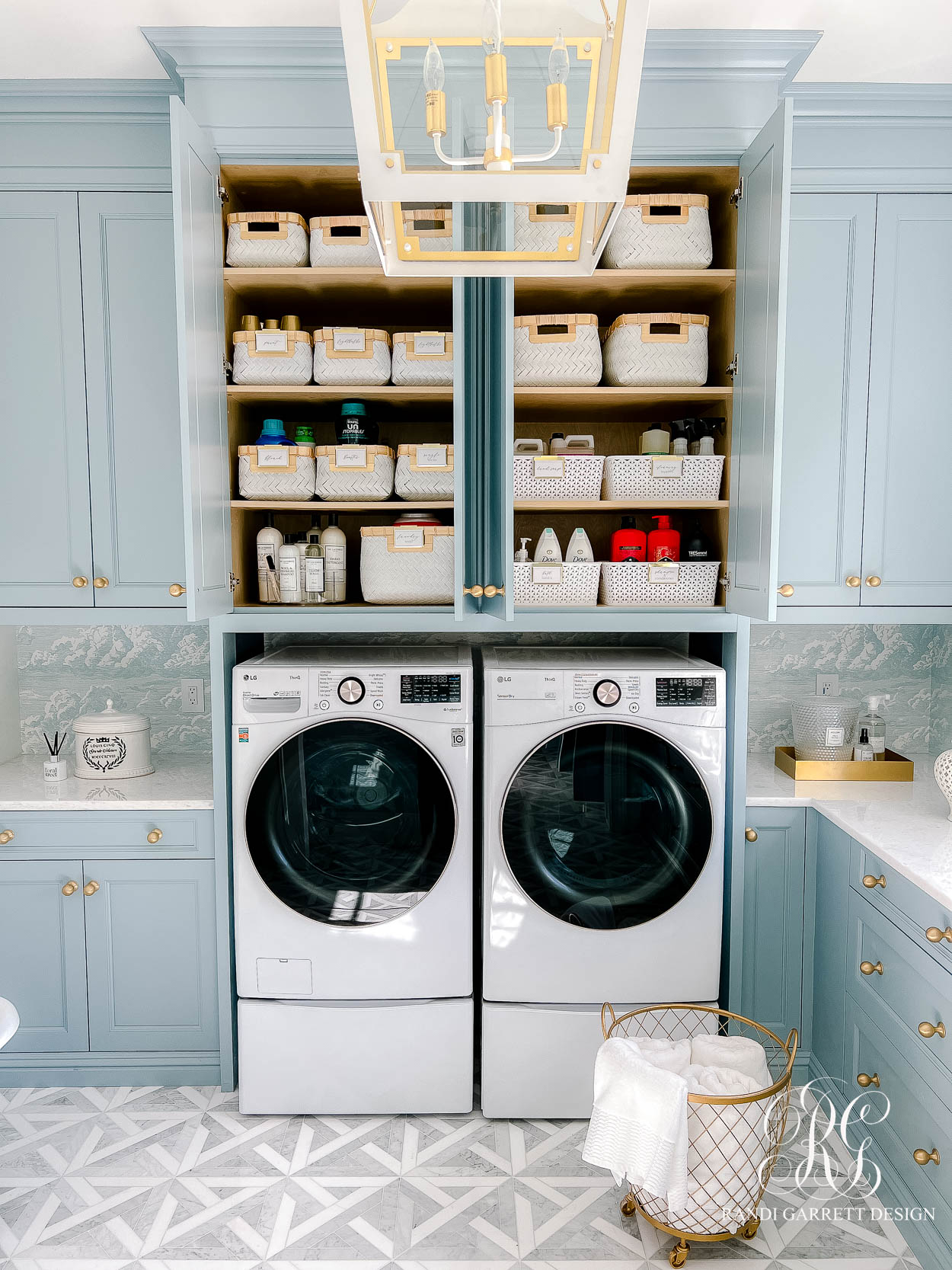
Storage is paramount in any laundry room, especially for keeping detergents, fabric softeners, stain removers, and cleaning supplies organized and accessible. Vertical storage is your best friend, particularly in smaller spaces. Install wall-mounted shelves above the washer and dryer for easy access to frequently used items. Consider deep shelving for larger bottles and shallow shelving for smaller items like lint brushes and dryer sheets. Adjustable shelving offers the flexibility to accommodate items of varying heights.
Cabinetry provides a more concealed storage solution, keeping clutter hidden and maintaining a clean aesthetic. Opt for cabinets with pull-out shelves or drawers for easier access to items at the back. Baskets and bins are excellent for categorizing and corralling smaller items. Use labeled baskets for different types of detergents, cleaning cloths, or even individual family members’ laundry. Lazy Susans in corner cabinets can maximize usability and prevent items from being lost in the depths.
Beyond basic shelving and cabinetry, think about specialized laundry storage. A pull-out ironing board integrated into a cabinet saves space and is readily available when needed. Over-the-door organizers are perfect for smaller items like gloves, mesh laundry bags, or spray bottles. A designated drying rack, whether a retractable wall-mounted unit or a freestanding model, is essential for air-drying delicate items or when the dryer isn’t suitable. Consider a narrow, tall storage cabinet for brooms, mops, and other cleaning tools.
Maximizing Counter Space: The Folding and Sorting Hub
Ample counter space is critical for an efficient laundry room. This surface serves as your primary area for sorting clothes by color and fabric type, pre-treating stains, and, most importantly, folding clean laundry. Aim for a durable, easy-to-clean surface. Laminate, quartz, or solid surface countertops are excellent choices. If you’re on a budget, a sturdy plywood countertop sealed with a water-resistant finish can suffice.
Consider the height of your countertop. It should be comfortable for folding laundry, typically around waist height. If your washer and dryer are pedestal-mounted, the countertop can be integrated directly above them, creating a continuous workspace. If your appliances are not elevated, a freestanding countertop unit or a built-in counter with cabinetry beneath can provide the necessary surface area. Incorporating a built-in sink adjacent to the folding area is a significant advantage. It’s invaluable for hand-washing delicate items, pre-soaking stubborn stains, or even rinsing out small loads.
A well-designed folding area can also incorporate features to enhance organization. Consider installing a few hooks on the wall above the counter for hanging freshly folded items or garments that are ready to be put away. A small, integrated cutting board can be useful for those who iron and want to protect their surfaces. Think about the flow of laundry from the dryer to the folding area. Ideally, there should be minimal distance to traverse.
Illuminating Your Laundry Room: Function and Ambiance
Proper lighting is often an overlooked but vital aspect of laundry room design. Good lighting not only makes the space more pleasant to work in but also ensures you can see stains clearly and sort colors accurately. A combination of ambient, task, and accent lighting will create a well-lit and functional space.
Ambient lighting provides general illumination for the entire room. Overhead fluorescent or LED fixtures are common choices, offering bright, energy-efficient light. Consider flush-mount fixtures for low ceilings or recessed lighting for a sleeker look.
Task lighting is crucial for areas where detailed work occurs, such as the countertop for folding and the area around the washer and dryer for loading and unloading. Under-cabinet lighting is excellent for illuminating the countertop, eliminating shadows cast by upper cabinets. A flexible, adjustable task lamp can be invaluable for specific needs.
Accent lighting can add a touch of style and highlight specific features. Small spotlights on shelves can draw attention to decorative items or storage baskets. Consider incorporating dimmer switches to control the intensity of light, allowing you to create a more relaxed atmosphere when the room isn’t in active use. Natural light is also a significant asset; if your laundry room has a window, maximize its impact. Ensure the window is clean and consider light-filtering blinds if privacy is a concern.
Ventilation: Preventing Moisture and Odors
Adequate ventilation is critical in a laundry room to prevent moisture buildup, mold, mildew, and unpleasant odors. The high humidity generated by washing and drying cycles can damage walls, cabinetry, and appliances.
The most effective ventilation method is an exhaust fan vented directly to the outside. This fan should be integrated into the ceiling and wired to operate automatically with the dryer or on a timer. Ensure the fan is adequately sized for the square footage of your laundry room.
If a direct vent to the outside is not feasible, consider using a high-quality dehumidifier. However, this is a less ideal solution as it requires regular emptying and maintenance.
Beyond mechanical ventilation, good airflow is also important. If your laundry room has a window, opening it when possible can help circulate air. Avoid overcrowding the space with too many items, which can impede airflow. Ensure that dryer vents are clean and unobstructed, as a clogged vent not only reduces efficiency but also poses a fire hazard.
Choosing Durable and Easy-to-Clean Surfaces
The surfaces in your laundry room should be able to withstand constant use, moisture, and potential spills of detergents or bleach. Durability and ease of cleaning are key considerations for flooring, walls, and countertops.
For flooring, consider water-resistant and durable materials like luxury vinyl plank (LVP), ceramic tile, or porcelain tile. These materials are resistant to moisture and stains and can be easily wiped clean. Avoid carpet, as it can trap moisture, odors, and allergens. If you opt for tile, consider grout sealer to prevent staining.
Walls can be painted with a semi-gloss or high-gloss paint, which is more durable and easier to wipe down than matte finishes. These finishes are also more resistant to moisture. Consider a washable wallpaper for an accent wall if you desire a decorative element, ensuring it is specifically designed for high-moisture areas.
Countertops, as discussed earlier, should be non-porous and easy to sanitize. Materials like quartz, solid surface, and even laminate are good options. For stainless steel sinks, regular cleaning with a non-abrasive cleaner will keep them looking their best.
Integrating Technology and Smart Features
Modern laundry rooms can benefit from the integration of technology to enhance efficiency and convenience. Smart appliances offer features like remote monitoring, cycle customization, and energy efficiency. Consider a smart washer and dryer that can send notifications to your phone when a cycle is complete or allow you to pre-set wash cycles remotely.
Smart lighting systems can be programmed for specific times of day or controlled via voice commands. Smart plugs can be used to automate the operation of appliances or fans.
For organization, consider digital labels or smart bins that can track inventory or alert you when supplies are running low. While these may be considered advanced, they can significantly streamline household management for tech-savvy individuals.
Personalizing Your Laundry Room with Style
Beyond functionality, your laundry room can also reflect your personal style. This is an opportunity to make a space that is often viewed as a chore more enjoyable and visually appealing.
Color plays a significant role. Light and airy colors can make a small space feel larger and more inviting. Consider subtle patterns on walls or backsplashes to add visual interest.
Decorative accents can elevate the space. Hang artwork, use stylish storage baskets, or incorporate plants to add a touch of life. Consider a comfortable rug or mat for standing areas.
Hardware for cabinets and drawers can also contribute to the overall aesthetic. Choose hardware that complements your chosen style, whether it’s modern and minimalist, farmhouse chic, or classic and traditional.
Customization and Flexibility: Adapting to Your Needs
Every home and family has unique laundry needs. Therefore, a truly effective laundry room design is adaptable and can be customized to suit your specific requirements.
If you have a large family, you might need more extensive sorting space or multiple hampers. If you frequently wash delicate items, consider dedicating a specific area for hand-washing and air-drying.
Modular storage solutions offer flexibility. Shelving units that can be reconfigured, pull-out drawers that can be added or removed, and adjustable height options allow you to adapt your laundry room as your needs evolve.
Think about future needs as well. If you anticipate having children or elderly family members in the future, consider accessibility and ease of use.
Conclusion
Designing and organizing a laundry room involves a holistic approach, considering layout, storage, lighting, ventilation, materials, and personal style. By implementing these SEO-friendly tips, you can transform your laundry room from a neglected chore space into an efficient, organized, and aesthetically pleasing area that contributes positively to your home management. Prioritizing functionality through smart design choices will ultimately lead to a more streamlined and enjoyable laundry experience.

