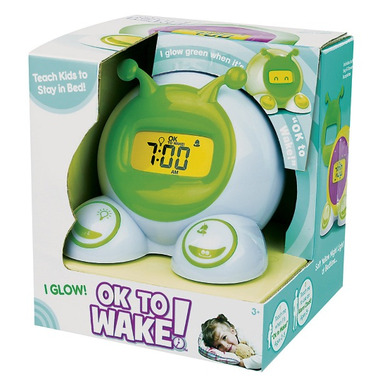

Ok to Wake Alarm Clock: A Comprehensive Guide to Sleep Training and Gentle Wake-Ups
The "ok to wake" alarm clock, often marketed as a sleep training tool for toddlers and young children, represents a significant innovation in managing early morning wake-ups. Far from a simple alarm, these devices are designed to communicate to a child when it’s an appropriate time to get out of bed, fostering independent sleep habits and providing much-needed respite for parents. The core concept revolves around a visual cue – typically a changing color or a graphic display – that signals the transition from sleep time to wake-up time. This article will delve into the intricacies of ok to wake alarm clocks, exploring their functionality, benefits, different types, considerations for choosing one, and their role in broader sleep training strategies.
The fundamental principle behind an ok to wake alarm clock is operant conditioning, specifically positive reinforcement. The clock is set to a specific time when waking is permissible. Until that time, the clock displays a "sleep" or "do not disturb" indicator, often a dim light or a sleeping animal graphic. This visual cue serves as a constant reminder to the child that it’s still time for sleep. When the designated wake-up time arrives, the clock transitions to a "wake up" or "playtime" indicator, usually a brighter color like yellow or green, or a waking animal graphic. This positive reinforcement, combined with parental instruction and consistency, teaches the child to associate the visual cue with the permission to rise. The goal is to eliminate early morning intrusions from children who are technically awake but have not yet been signaled that it’s an acceptable time to start their day.
The benefits of utilizing an ok to wake alarm clock are multifaceted, extending beyond simply preventing premature awakenings. For children, these clocks can empower them with a sense of control and understanding regarding their sleep schedule. They learn to recognize cues, develop an internal sense of time (albeit guided), and can feel a sense of accomplishment when they successfully wait for the signal. This can lead to improved sleep independence and a reduction in night wakings and early morning disturbances. For parents, the advantages are even more pronounced. The most immediate benefit is the reclamation of precious sleep. No longer are parents jolted awake by a child at 5 AM when their own biological clock hasn’t even signaled the start of the day. This can lead to improved parental well-being, reduced stress, and a more positive start to the day for the entire family. Furthermore, ok to wake clocks can contribute to a more predictable family routine, as mealtimes and activities can be planned around a more consistent wake-up time. They also serve as a tangible tool to support parental efforts in sleep training, providing a clear, consistent message that complements verbal instructions.
Several types of ok to wake alarm clocks are available on the market, each with its own set of features and functionalities. The most basic models rely solely on a visual color change. These are often simple, plug-and-play devices with limited customization options. A step up are clocks that incorporate sound features. These may offer gentle alarm sounds that play only when the "wake up" cue is activated, further reinforcing the transition. Some advanced models also include nap timers, allowing parents to set separate visual cues for daytime naps. Another increasingly popular category is smart ok to wake clocks, which connect to Wi-Fi and can be controlled via a smartphone app. These offer a high degree of customization, allowing parents to set multiple wake-up times, choose from various sounds and light colors, and even integrate with other smart home devices. Some smart clocks also offer features like night light functions, mood lighting options, and educational elements, such as showing the time in analog or digital format once the child is old enough. The choice of type often depends on the child’s age, developmental stage, and the parent’s technological preferences and budget.
When selecting an ok to wake alarm clock, several key factors should be taken into consideration to ensure it meets the needs of both the child and the family. Ease of Use is paramount. The clock should be intuitive for parents to set up and operate, especially during the often sleep-deprived early stages of sleep training. Complex programming or frequent malfunctions can quickly lead to frustration. Durability is another crucial aspect, as children, especially toddlers, can be prone to rough handling. The clock should be made of robust materials and be able to withstand occasional drops or bumps. Safety is non-negotiable. Ensure the clock is made from non-toxic materials and has no small, detachable parts that could pose a choking hazard. The light emitted should be gentle and not overly stimulating, particularly the night light function. Customization Options can significantly enhance the effectiveness of the clock. The ability to adjust the brightness of the light, choose different sound levels and types, and set specific wake-up times allows for tailoring the device to the child’s individual sensitivities and preferences. For families with multiple children or those who travel frequently, Portability might also be a consideration. Some clocks are compact and battery-operated, making them easy to move between rooms or pack for trips. Finally, Aesthetics can play a role, especially for older children who might be more engaged by a visually appealing design. Many clocks feature cartoon characters or whimsical designs that can make the sleep training process more engaging for the child.
The implementation of an ok to wake alarm clock is most effective when integrated into a comprehensive sleep training strategy. This strategy should always begin with establishing a consistent bedtime routine. A predictable sequence of calming activities, such as a bath, reading stories, and quiet play, signals to the child that it’s time to wind down and prepare for sleep. Once the routine is established, introduce the ok to wake clock. Clearly explain its function to the child in age-appropriate terms. For younger children, focus on the color change: "When the sun is yellow, it’s time to wake up! When it’s dark, it’s sleep time." For older children, you can explain the time aspect. Crucially, consistency is the bedrock of successful sleep training. Every morning, adhere to the clock’s signal. If the clock is green, it’s time to get out of bed. If it’s still dark, gently guide the child back into bed and remind them to wait for the "wake up" signal. Avoid the temptation to bring the child into your bed for "just a little longer," as this can undermine the learning process. Positive reinforcement should be used when the child successfully waits for the signal. Praise them enthusiastically: "You waited for the green light! That’s wonderful!" Consider small rewards for consistent success, such as extra playtime or a sticker chart.
Beyond the immediate goal of managing early morning wake-ups, ok to wake alarm clocks can also contribute to a child’s overall understanding of time and routine. As children grow, the visual cues can evolve into a more explicit understanding of analog and digital time. Many clocks now offer the option to display the actual time once the "wake up" signal is activated, providing a natural progression in learning. This can be particularly beneficial for children approaching school age who are beginning to grasp temporal concepts. The routine established with the ok to wake clock can also foster a sense of independence and self-reliance. Children learn to self-regulate their waking behavior, reducing their dependence on parental intervention for every wake-up. This empowerment can extend to other areas of their lives, fostering confidence and autonomy.
The transition from using an ok to wake alarm clock to a traditional alarm clock is typically a gradual one. Once a child has consistently demonstrated an understanding of the ok to wake signal and has a more established internal clock, parents can begin to introduce the concept of a traditional alarm. This might involve setting a traditional alarm clock to go off at the same time as the ok to wake clock’s signal, gradually phasing out the visual cue over time. For some children, the ok to wake clock might become a permanent fixture, especially if early morning wake-ups remain a challenge. The key is to adapt the tools and strategies to the evolving needs of the child.
In conclusion, the ok to wake alarm clock is a valuable and increasingly popular tool for parents seeking to establish healthy sleep habits in their children and reclaim their own sleep. By providing a clear, visual communication of acceptable wake-up times, these clocks leverage principles of operant conditioning to foster independence and reduce early morning disruptions. When chosen carefully based on individual needs and implemented within a consistent sleep training strategy, an ok to wake alarm clock can be a game-changer for families, leading to more restful nights, more peaceful mornings, and a greater sense of control for both children and parents. The evolving technology within these devices also offers opportunities for continued learning and adaptation as children grow, solidifying their role as a significant aid in the journey of childhood sleep development.

