
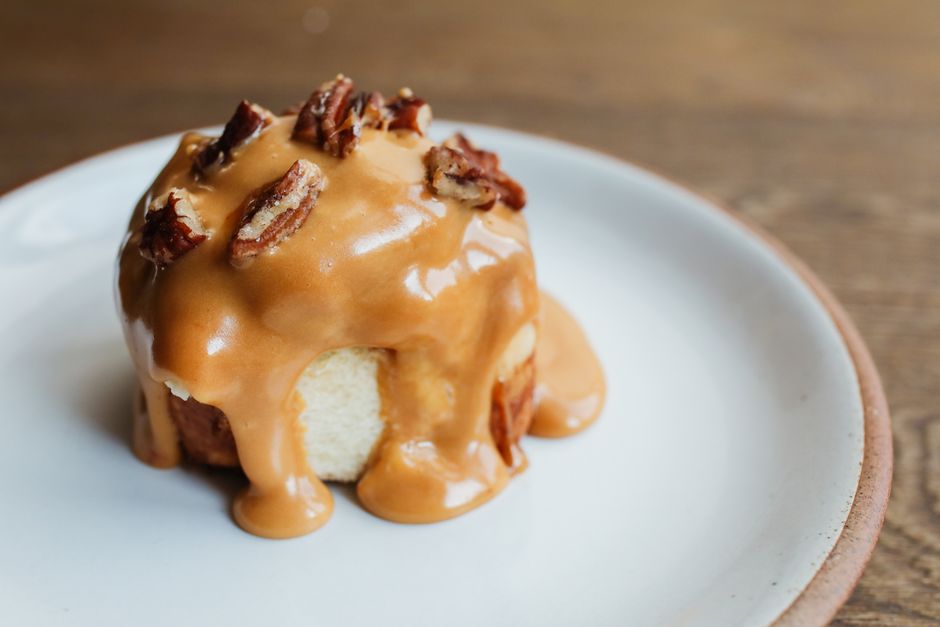
Overnight Pecan Pie Sticky Buns: A Guide to Unrivaled Breakfast Bliss
Overnight pecan pie sticky buns represent the pinnacle of breakfast indulgence, a symphony of tender, yeasted dough, a rich, buttery caramel pecan topping, and the comforting warmth of a slow rise. This article provides a comprehensive, SEO-optimized guide to creating these extraordinary treats, covering every aspect from ingredient selection and detailed preparation to troubleshooting common issues and optimizing for search engines. By understanding the science and art behind these buns, home bakers can consistently achieve perfect results, earning them high praise and repeat requests. The allure of these sticky buns lies in their dual nature: the hands-off overnight rise allows for deep flavor development and a remarkably tender crumb, while the decadent pecan pie-inspired topping provides an irresistible, gooey sweetness that transforms a simple breakfast pastry into a truly memorable experience.
The foundation of exceptional overnight pecan pie sticky buns is undoubtedly the dough. A classic enriched yeast dough is paramount. This typically involves all-purpose flour, granulated sugar, active dry yeast or instant yeast, salt, milk, eggs, and unsalted butter. For optimal results, the flour should be unbleached all-purpose flour, as it provides better structure without being too tough. The sugar, beyond sweetening, plays a crucial role in yeast activation and browning. Using warm milk, around 105-115°F (40-46°C) for active dry yeast or 120-130°F (49-54°C) for instant yeast, is essential for proper yeast blooming. Cold milk will inhibit yeast activity, while milk that is too hot will kill it. Eggs add richness, tenderness, and color to the dough, while salt controls yeast fermentation and enhances flavor. Softened unsalted butter, creamed into the dough at the right stage, contributes significantly to the pastry’s tenderness and a subtle, desirable richness. The quantity of yeast is critical; too much can lead to an overly yeasty flavor and rapid, uncontrolled rise, while too little will result in a dense, underdeveloped crumb. A typical recipe might call for 2 to 2.5 teaspoons of active dry yeast for a batch of 12-16 buns, which strikes a good balance for an overnight rise.
The process of creating the dough for overnight pecan pie sticky buns is as important as the ingredients themselves. Begin by activating the yeast, if using active dry. Combine the warm milk, a pinch of sugar, and the yeast in a small bowl and let it sit for 5-10 minutes until it becomes foamy. This indicates the yeast is alive and ready to work. If using instant yeast, it can be added directly to the dry ingredients. In a large mixing bowl, whisk together the flour, sugar, and salt. If using a stand mixer, attach the dough hook. Add the activated yeast mixture (or milk if using instant yeast) and the eggs to the flour mixture. Mix on low speed until a shaggy dough forms. Gradually add the softened butter, a tablespoon at a time, mixing until it is fully incorporated. This gradual addition prevents the dough from becoming too greasy. Continue to knead the dough on medium-low speed for 8-10 minutes, or by hand on a lightly floured surface for 10-12 minutes, until the dough is smooth, elastic, and passes the windowpane test. The windowpane test is a key indicator of proper gluten development: a small piece of dough should be stretched thin enough to see light through it without tearing.
Once the dough is adequately kneaded, it’s time for its first rise. Lightly grease a large bowl with oil or cooking spray. Place the dough in the bowl, turning to coat all sides. Cover the bowl tightly with plastic wrap or a damp kitchen towel. For overnight sticky buns, the first rise is typically conducted in the refrigerator. Place the covered bowl in the refrigerator for 8-12 hours, or overnight. This slow, cold fermentation allows the yeast to work more slowly, developing complex flavors and a more tender texture than a rapid rise at room temperature. The cold also controls the dough’s expansion, preventing it from over-proofing before you’re ready to assemble the buns. The dough will increase in volume significantly, though perhaps not double in size as it would at room temperature.
The real magic of pecan pie sticky buns lies in their opulent topping. This decadent layer is a crucial element and requires careful preparation. The ingredients typically include unsalted butter, packed light brown sugar, corn syrup, and a generous amount of chopped pecans. The butter should be melted, and then combined with the brown sugar and corn syrup in a saucepan over medium heat. Stirring constantly, bring the mixture to a gentle simmer and cook for 1-2 minutes until the sugar is dissolved and the mixture is smooth and syrupy. This caramelization process is what gives the topping its characteristic rich flavor and glossy texture. Off the heat, stir in the chopped pecans. It’s important to use good quality pecans, preferably fresh, as rancid nuts will negatively impact the overall flavor. Toasting the pecans lightly before adding them can also enhance their flavor and crunch.
Assembly of the overnight pecan pie sticky buns is a relatively straightforward but critical step. Remove the chilled dough from the refrigerator. It will be firm and easy to handle. Lightly flour a clean work surface. Gently punch down the dough to deflate it. Roll the dough into a large rectangle, approximately 12×18 inches, aiming for an even thickness of about 1/4 inch. The exact dimensions can vary slightly, but consistency is key for even rolling and slicing. Prepare the baking pan: a 9×13 inch baking pan is standard. Pour the prepared pecan topping mixture evenly into the bottom of the pan. Spread it out so it coats the entire base. Carefully lift the rolled-out dough and lay it over the topping, gently pressing it down to adhere. Using a sharp knife or bench scraper, cut the dough into 12-16 equal portions. For cleaner cuts, some bakers find it helpful to use a bench scraper or even a piece of unflavored dental floss.
After slicing, the buns need a second rise, this time at room temperature, to achieve their final airy texture before baking. Arrange the sliced buns in the prepared pan, ensuring they are snug but not overly crowded. Cover the pan loosely with plastic wrap or a clean kitchen towel. Let the buns rise at room temperature for 45-90 minutes, or until they have visibly puffed up and are touching each other. The exact time will depend on the ambient temperature of your kitchen. A warmer room will result in a faster rise. Avoid over-proofing, which can lead to the buns collapsing during baking.
Preheating the oven is a crucial step that should not be overlooked. Preheat your oven to 350°F (175°C). This moderate temperature is ideal for baking sticky buns, allowing the dough to cook through and the topping to caramelize without burning. Once the buns have completed their second rise, carefully place the pan in the preheated oven. Bake for 25-35 minutes, or until the buns are golden brown on top and the caramel topping is bubbling. The exact baking time will vary depending on your oven and the size of your buns. Keep a close eye on them during the last 10 minutes of baking to prevent over-browning.
The crucial moment of truth for overnight pecan pie sticky buns is the unmolding process. Once the buns are out of the oven, they need to cool in the pan for a short period, typically 5-10 minutes. This allows the caramel to set slightly but not solidify completely. While the buns are still warm, carefully invert the pan onto a serving platter or baking sheet. You may need to gently loosen any edges with a knife. The warm caramel topping will then cascade over the tops and sides of the buns, creating that signature sticky, gooey finish. If any pecans or caramel remain stuck in the pan, you can scrape them out and place them back onto the buns.
Troubleshooting common issues in sticky bun making is essential for consistent success. One prevalent problem is a tough dough. This is usually a result of over-kneading or using too much flour during the kneading process. Always err on the side of a slightly stickier dough, as it will firm up with chilling and flouring. Another issue is insufficient rising. This can be due to inactive yeast, using milk that is too cold or too hot, or an insufficient rise time. Ensure your yeast is fresh and the milk temperature is accurate. For the overnight rise, allow ample time in the refrigerator. A sunken or collapsed bun often indicates over-proofing during the second rise, or baking at too high a temperature. Monitor the second rise closely and adjust baking time and temperature as needed. If the topping is too runny, it may mean it was not cooked long enough to thicken or that too much liquid was used. Conversely, a topping that is too hard and brittle might have been cooked for too long, allowing too much moisture to evaporate.
For SEO optimization, incorporating relevant keywords naturally throughout the article is paramount. Keywords like "overnight sticky buns," "pecan pie sticky buns," "homemade sticky buns," "breakfast pastries," "caramel pecan rolls," "yeast dough recipe," "best sticky buns," and "easy sticky bun recipe" should be strategically placed. Using descriptive headings and subheadings also aids search engine crawling and user navigation. For instance, headings like "The Science of Perfect Dough," "Crafting the Irresistible Pecan Topping," and "Mastering the Overnight Rise" signal the content to search engines and readers. The article’s structure, moving logically from ingredients to assembly and troubleshooting, creates a comprehensive and user-friendly experience, which search engines favor. Including a clear call to action or a summary of benefits at the end (though not explicitly requested, it’s good SEO practice for driving engagement) can also be beneficial.
The appeal of overnight pecan pie sticky buns extends beyond their taste and texture. The make-ahead nature makes them ideal for busy mornings, special occasions, or holiday brunches. The anticipation built during the overnight rise adds to the overall enjoyment. The rich, complex flavors develop beautifully during the slow fermentation, resulting in a pastry that is significantly more nuanced than a hastily made version. The combination of tender, slightly sweet bread and the intensely flavored, gooey caramel pecan topping is a universally loved flavor profile, reminiscent of classic pecan pie but with the added delight of a soft, pillowy dough. This makes them a crowd-pleasing option for any gathering.
To further enhance the SEO of this article, consider the use of semantically related keywords. Terms such as "breakfast baking," "comfort food," "sweet rolls," "holiday baking," "weekend brunch," and "dessert for breakfast" can broaden the reach. Discussing variations, such as adding a hint of cinnamon to the dough or topping, or using different types of nuts, can also attract a wider audience searching for specific adaptations. Emphasizing the "effortless" aspect of the overnight rise, despite the involved steps, can be a strong selling point for busy individuals. The sensory language used to describe the aroma, texture, and taste also contributes to engagement and can indirectly boost SEO through increased time on page and social shares.
In conclusion, mastering the art of overnight pecan pie sticky buns involves a deep understanding of dough hydration, yeast activity, caramelization, and patient assembly. By following these detailed steps, bakers can consistently produce exceptional sticky buns that are both visually stunning and incredibly delicious. The overnight rise is not just a convenience; it’s a crucial step in flavor development and texture refinement. This comprehensive guide aims to equip bakers with the knowledge and confidence to achieve unparalleled breakfast bliss, making these sticky buns a cherished recipe for years to come. The search engine optimization strategies embedded within this guide will help ensure that this valuable information reaches a wide audience of home bakers seeking the ultimate sticky bun experience.

