
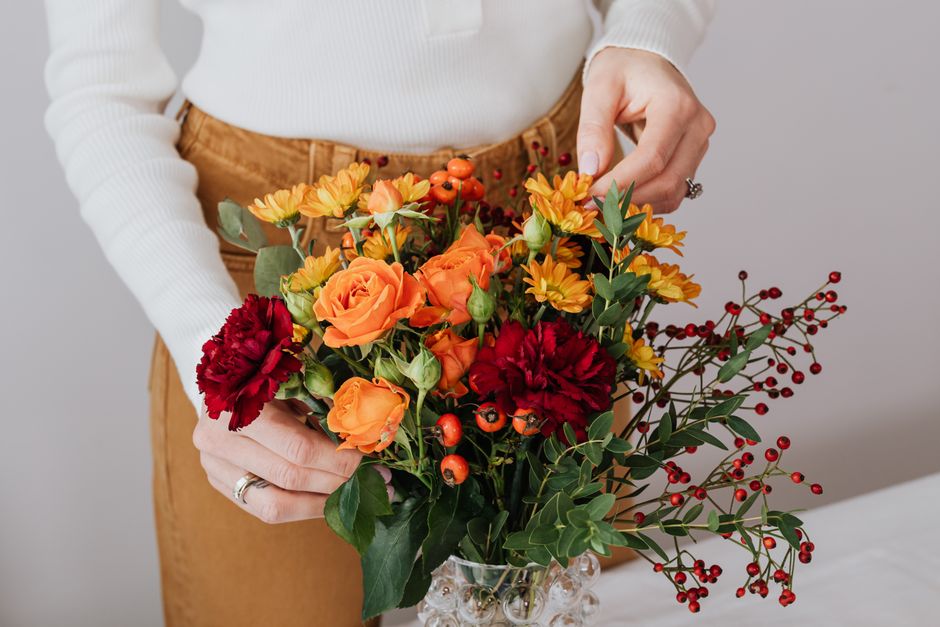
Autumn Floral Arrangements: A Comprehensive Guide to Seasonal Beauty
Autumn floral arrangements offer a unique opportunity to capture the rich tapestry of the season’s colors, textures, and natural elements. Moving beyond the vibrant hues of summer and the delicate pastels of spring, fall invites a palette of warm, earthy tones, reminiscent of turning leaves, harvest bounty, and cozy evenings. Crafting successful autumn arrangements requires an understanding of seasonal flower availability, foliage choices, and the integration of non-floral elements that enhance the autumnal aesthetic. This guide provides comprehensive, SEO-friendly tips to help you create stunning and long-lasting floral displays that embody the spirit of fall.
Harnessing the Autumnal Color Palette
The cornerstone of any impactful autumn floral arrangement is its color scheme. Unlike other seasons, fall offers a distinct and evocative palette. Think deep burgundies, fiery oranges, rich golds, warm browns, and creamy ivories. These colors are directly inspired by the natural world: the changing foliage, the pumpkins and gourds of harvest, and the muted sunlight. When selecting flowers, prioritize those that naturally exhibit these shades. Burgundy dahlias, deep red roses, ochre chrysanthemums, and sunflowers with their golden petals are excellent choices. Don’t shy away from incorporating more muted tones like cream or blush roses, which can provide a softer contrast and prevent an arrangement from becoming too heavy.
Consider the psychology of color. Warm colors like orange and red are known to stimulate energy and create a sense of coziness and warmth, perfectly aligning with autumn’s inviting atmosphere. Earthy browns and deep greens ground the arrangement and connect it to the natural landscape. For a sophisticated look, a monochromatic scheme using varying shades of a single autumn color, such as a deep burgundy arrangement with lighter pinkish-red undertones, can be incredibly effective. Alternatively, a complementary color scheme, like deep orange and navy blue (though less common in traditional fall flowers, can be achieved with accents), can create visual excitement. A triadic color scheme, using three colors equally spaced on the color wheel, such as a combination of yellow, orange, and a deep red-brown, can also yield a vibrant and balanced composition. When building your palette, consider the environment in which the arrangement will be displayed. A rustic farmhouse might welcome brighter, bolder oranges, while a more formal setting could benefit from deeper, more subdued tones.
Key Autumn Flower Choices for Texture and Longevity
Beyond color, texture is paramount in autumn floral design. The season is characterized by a sense of abundance and a slight coarseness, a departure from the smooth petals of many summer blooms. Incorporating flowers with unique textures adds depth and visual interest. Chrysanthemums, with their ruffled and pom-pom-like forms, are quintessential fall flowers and offer a wide range of textures. Garden roses, particularly those with many petals and a slightly looser, more organic shape, bring a soft, romantic texture. Dahlias, available in an astonishing array of forms from delicate cactus to fully double decoratives, are an absolute must-have for their varied and captivating textures.
Beyond these popular choices, consider less conventional but equally impactful options. Statice, with its papery texture and cluster of tiny flowers, adds a delicate, almost airy quality. Celosia, particularly the cockscomb varieties, offers a dramatic, velvety texture that commands attention. Eryngium (sea holly) provides a spiky, almost thistle-like texture that adds a wild, naturalistic element. Even dried flowers, like dried hydrangeas or wheat stalks, can be integrated to introduce rustic textures and extend the lifespan of your arrangement. When selecting flowers, prioritize varieties known for their vase life during cooler weather. Many fall blooms, such as chrysanthemums, asters, and solidago, are naturally long-lasting. Proper conditioning of all floral stems – cutting at an angle, removing submerged foliage, and using floral food – will significantly extend their freshness and beauty, allowing your autumn arrangement to be enjoyed for an extended period. Research the specific needs of each flower you choose to ensure optimal longevity.
The Crucial Role of Autumn Foliage and Greenery
While flowers are often the stars of an arrangement, autumn foliage and greenery play an equally vital role in establishing the season’s distinct character. The vibrant transformation of leaves into shades of red, orange, yellow, and brown is the defining visual of fall. Mimicking this in your arrangements is key. Look for branches with colorful leaves that have begun to turn. Maple leaves, oak leaves, and even simple branches with their remaining foliage can add immense visual appeal. Consider different types of foliage for varied textures and colors. Eucalyptus, with its silvery-green or even reddish hues, can provide a cool contrast to warm tones. Dusty miller, with its soft, velvety, silver-gray leaves, adds a subtle textural element and a touch of elegance. Ferns, especially those with a darker, richer green, can provide a grounding element and a sense of depth.
Beyond the visual appeal, foliage adds structural support and volume to your arrangements. It can be used to create a naturalistic backdrop for the flowers, soften sharp edges, and fill in gaps. Consider using branches with berries, such as hypericum berries or even faux berries if fresh are unavailable, to add pops of color and seasonal interest. The use of dried grasses and seed heads can also contribute to the authentic autumnal feel, offering a rustic and textural dimension that fresh foliage alone cannot provide. When foraging for foliage, ensure it is legally and sustainably sourced. If purchasing, seek out florists who offer a good selection of seasonal greens. Remember to condition fresh foliage just as you would flowers, by trimming stems and removing any submerged leaves to ensure longevity.
Incorporating Harvest Elements and Non-Floral Accents
To truly capture the essence of autumn, consider integrating non-floral elements that evoke the spirit of harvest and abundance. Pumpkins and gourds, in various sizes, shapes, and colors, are iconic symbols of fall and can serve as stunning bases or focal points for arrangements. Small decorative gourds, mini pumpkins, or even intricately carved larger pumpkins can be incorporated directly into the floral design, either by embedding stems or using them as vessels.
Beyond pumpkins, consider other harvest-inspired items. Pinecones, acorns, nuts, and seed pods add natural texture and an earthy feel. Wheat stalks, dried corn husks, or even small bundles of cinnamon sticks can provide a rustic charm and a hint of autumnal scent. For a more whimsical touch, consider incorporating small, artificial autumn-themed ornaments, such as miniature scarecrows or thankful sentiments, strategically placed within the arrangement. These accents can elevate a simple floral display into a complete seasonal tableau. When integrating these elements, ensure they complement the colors and textures of your chosen flowers and foliage. The goal is to create a cohesive and harmonious composition, not a cluttered collection of unrelated items. Think about scale and proportion – a large pumpkin might overwhelm a delicate arrangement, while small acorns could get lost in a grand display.
Vessel Selection for Autumnal Charm
The vessel you choose for your autumn floral arrangement is as important as the blooms themselves. It sets the stage and enhances the overall aesthetic. Opt for containers that reflect the rustic and warm character of the season. Galvanized metal buckets or watering cans offer a farmhouse chic vibe. Ceramic or terracotta pots, especially those in earthy tones like rust, brown, or deep green, provide a natural and grounded feel. Woven baskets, perhaps lined with waterproof material, can introduce a lovely textural element.
For a more refined look, consider antique-inspired pitchers, wooden boxes, or even repurposed vintage containers. The material of the vessel can also contribute to the autumnal feel. Rough textures, like unglazed pottery or natural wood, echo the natural elements of fall. Avoid overly sleek or modern containers that might clash with the desired aesthetic. Consider the size and shape of the vessel in relation to your flowers and foliage. A tall, slender vase might be ideal for showcasing long-stemmed flowers and trailing greenery, while a wide, shallow bowl is perfect for a more compact, abundant arrangement of blooms and harvest accents. Remember to ensure your chosen vessel is watertight or use a liner to prevent leaks. The color of the vessel should also complement, not compete with, your floral palette. A deep burgundy vase might be too overpowering for a similarly colored floral selection, whereas a neutral cream or brown would allow the flowers to take center stage.
Arrangement Styles and Techniques for Fall
Autumnal arrangements lend themselves to a variety of styles, from classic and structured to wild and organic. A traditional, rounded arrangement can be brought to life with a rich mix of fall blooms in varying shades. Focus on creating a balanced shape with flowers at varying heights and depths. For a more contemporary approach, consider an asymmetrical arrangement, where elements are placed off-center, creating visual tension and dynamism. This style allows for more dramatic use of foliage and branches.
The "garden-style" or "meadow" arrangement is particularly well-suited to autumn. This approach emphasizes a natural, unstructured look, mimicking a walk through a field or garden in the fall. It involves looser placement of flowers and foliage, with an emphasis on movement and organic flow. Think of incorporating trailing vines, wispy grasses, and blooms that appear to have been freshly gathered. Monochromatic arrangements, focusing on different shades of a single fall color, can create a sophisticated and impactful statement. For example, an all-burgundy arrangement with deep reds, muted pinks, and hints of purple can be incredibly striking.
When constructing your arrangement, begin with your foliage to establish a base and framework. Then, introduce your focal flowers, placing them strategically to draw the eye. Fill in with secondary blooms and textural elements, working from the center outwards. Don’t be afraid to let some elements spill over the edge of the vessel, creating a more natural and generous appearance. Experiment with different heights and angles to create visual interest. Consider the overall impact you want to achieve – do you want a bold centerpiece, a subtle accent for a mantelpiece, or a dramatic statement for an entryway? The chosen style should align with the intended location and purpose of the arrangement.
Seasonal Care for Long-Lasting Autumn Blooms
Maintaining the beauty of your autumn floral arrangements requires specific care, especially as temperatures begin to cool. Upon receiving or creating your arrangement, recut all stems at a 45-degree angle under cool water. This maximizes water uptake. Remove any leaves that will fall below the waterline in the vase, as these will rot and contaminate the water, promoting bacterial growth. Use a floral preservative, which contains an anti-bacterial agent, a sugar source for energy, and an acidifier to help water uptake.
Change the water every two days, or when it appears cloudy. Each time you change the water, recut the stems if possible. Avoid placing your arrangements in direct sunlight, near heat sources (like radiators or vents), or in drafty areas. These conditions will accelerate dehydration and shorten the lifespan of your flowers. Misting your arrangements occasionally can also help maintain humidity, especially in dry indoor environments. For arrangements incorporating fruits like apples or pears, be aware that these can release ethylene gas, which can accelerate the aging process of flowers. Consider keeping them separate or placing them strategically so their gas emission doesn’t directly affect delicate blooms. If you notice any wilting flowers, remove them promptly to prevent them from affecting healthier blooms. By following these simple yet effective care tips, you can significantly extend the enjoyment of your beautiful autumn floral creations.
SEO Considerations for Autumn Floral Arrangements
To ensure this article reaches a wide audience interested in autumn floral arrangements, incorporating relevant keywords is crucial. Integrate terms such as "fall flower arrangements," "autumn floral design," "seasonal flowers," "harvest arrangements," "DIY fall flowers," "autumn wedding flowers," "centerpieces," "foliage," "gourds," "pumpkins," "vase selection," and "flower care." Utilize these keywords naturally within the headings, subheadings, and body of the text. Creating a compelling title that includes primary keywords like "Autumn Floral Arrangements: Tips for Seasonal Beauty" is essential. Employing descriptive language and providing actionable advice will also contribute to better search engine rankings. The use of bullet points and clear headings makes the content easily scannable for both readers and search engines. Ensuring the article is comprehensive and answers common user queries will further enhance its SEO value. For example, addressing "how to make fall flower arrangements last longer" or "best flowers for autumn bouquets" directly targets user intent. Including internal and external links to relevant resources can also boost SEO.
In conclusion, crafting exceptional autumn floral arrangements is an art form that blends an understanding of seasonal materials with creative design principles. By thoughtfully selecting your color palette, embracing textural elements, incorporating harvest accents, choosing appropriate vessels, and employing effective arrangement techniques, you can create breathtaking displays that embody the warmth, richness, and beauty of fall. Diligent care will ensure these seasonal treasures bring joy and a touch of autumnal magic to your surroundings for an extended period.

