
The Undeniable Benefits of Skin-to-Skin Contact for Babies and Parents: A Comprehensive Guide
Skin-to-skin contact, also known as kangaroo care, involves placing a naked baby directly onto the bare chest of a parent. This practice, rich in physiological and psychological benefits, is a cornerstone of modern infant care and holds profound advantages for both the newborn and the caregiver. Far from being a mere bonding ritual, skin-to-skin contact is a powerful intervention that positively impacts a baby’s development from the very first moments of life and strengthens the parent-infant relationship.
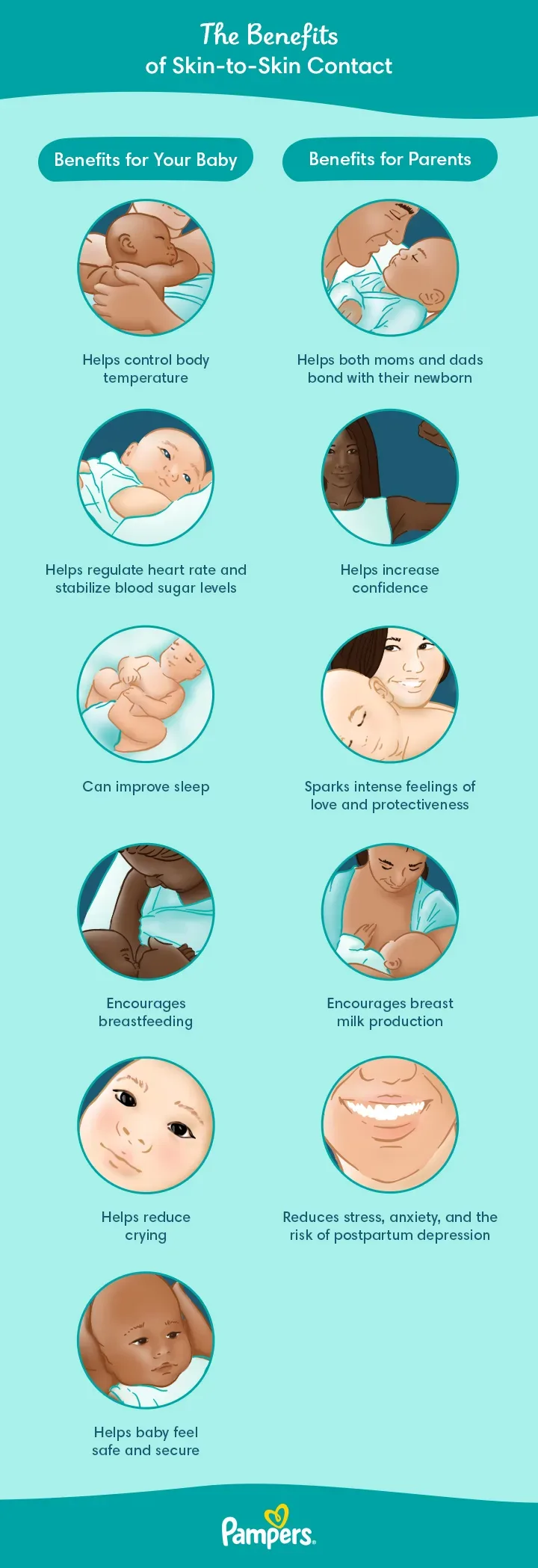
For the newborn, skin-to-skin contact offers immediate stabilization and regulation. The parent’s body acts as a natural incubator, helping the baby maintain a stable body temperature. Babies, especially premature infants, have difficulty regulating their own temperature, and the warmth radiating from the parent’s chest prevents hypothermia. This constant, comforting warmth also helps regulate the baby’s heart rate, breathing, and oxygen saturation levels, leading to a more stable and less stressed physiological state. Studies have consistently shown that babies who experience regular skin-to-skin contact have lower heart rates, more regular breathing patterns, and higher blood oxygen levels compared to those kept in incubators or swaddled in blankets without direct skin contact. This physiological synchrony between parent and child creates an environment of calm and security, crucial for the infant’s well-being.
Beyond physiological regulation, skin-to-skin contact profoundly impacts a baby’s nervous system development. The gentle pressure and constant contact with the parent’s skin stimulate the baby’s tactile senses, a critical pathway for brain development. This sensory input helps to organize the infant’s developing nervous system, promoting better sleep patterns, reducing fussiness, and improving stress resilience. The predictable rhythm of the parent’s heartbeat and breathing also serves as a calming auditory stimulus, further aiding in nervous system maturation. The scent of the parent is another crucial element; babies can recognize their mother’s scent from birth, and this familiar aroma provides a sense of security and comfort, reducing anxiety and promoting a feeling of belonging. This early sensory exposure lays a foundation for healthy emotional and cognitive development.
The benefits of skin-to-skin contact extend to promoting successful breastfeeding. For breastfeeding mothers, skin-to-skin contact immediately after birth facilitates the baby’s natural instincts to root and latch. The baby’s proximity to the mother’s breast, coupled with the smell of colostrum, encourages early and effective breastfeeding. This early establishment of breastfeeding is associated with a longer duration of breastfeeding and improved milk supply for the mother. Even in cases of delayed or difficult breastfeeding, consistent skin-to-skin contact can help stimulate milk production and increase the baby’s interest in feeding. The close proximity also allows for more frequent feeding cues to be recognized and responded to by the mother, fostering a responsive feeding relationship.
Pain management is another significant advantage of skin-to-skin contact for infants. When newborns undergo painful procedures, such as vaccinations, heel pricks for blood tests, or even routine examinations, skin-to-skin contact can act as a powerful non-pharmacological pain reliever. The comfort, warmth, and sensory input provided by the parent’s body can significantly reduce the infant’s pain perception and distress. Studies have demonstrated that infants receiving skin-to-skin care during these procedures exhibit lower levels of crying, reduced heart rate fluctuations, and a quicker return to a calm state. This natural analgesic effect highlights the profound impact of parental presence and touch on infant well-being.
For parents, skin-to-skin contact is equally transformative. It fosters immediate and deep emotional bonding with their baby. The act of holding their naked infant against their skin creates a profound sense of connection and love. For mothers, this contact can help to reduce the risk and severity of postpartum depression and anxiety. The physical closeness stimulates the release of oxytocin, often referred to as the "love hormone" or "bonding hormone," in both the mother and the baby. Oxytocin plays a crucial role in maternal attachment, milk let-down, and feelings of well-being and contentment. This hormonal cascade strengthens the parent-infant bond and promotes a positive postpartum experience.
Fathers and non-birthing partners also benefit immensely from skin-to-skin contact. It allows them to actively participate in nurturing their newborn from the earliest stages, fostering a strong paternal bond. Holding their baby skin-to-skin can empower fathers, reducing feelings of helplessness or being on the periphery of the early infant care experience. This early engagement contributes to increased paternal involvement in childcare throughout the child’s life, creating a more supportive and balanced family dynamic. The scent of the father also becomes familiar to the baby, reinforcing the paternal bond.
Beyond the immediate postpartum period, skin-to-skin contact can be continued as the baby grows. It remains a valuable tool for soothing a fussy baby, promoting sleep, and managing mild illnesses. As babies get older, skin-to-skin contact can be incorporated into everyday routines, providing comfort and security during transitions or when a child is feeling overwhelmed. This continued practice reinforces the parent-child bond and fosters a sense of safety and trust.
The accessibility and simplicity of skin-to-skin contact make it a universally beneficial practice. It requires no special equipment and can be implemented in various settings, from hospital delivery rooms to home environments. Healthcare professionals play a vital role in educating parents about the importance and techniques of skin-to-skin contact, encouraging its widespread adoption. This emphasis on early parental involvement empowers families and promotes positive infant outcomes.
Key benefits of skin-to-skin contact for babies include:
- Temperature Regulation: Prevents hypothermia and helps babies maintain a stable body temperature, especially crucial for premature infants.
- Cardiorespiratory Stability: Regulates heart rate, breathing patterns, and oxygen saturation levels, leading to a more stable physiological state.
- Nervous System Development: Stimulates tactile senses, organizes the developing nervous system, and promotes better sleep and stress resilience.
- Improved Sleep: Calmer, more regulated babies tend to sleep better and for longer periods.
- Reduced Stress and Crying: The comfort and security of parental contact significantly reduce infant distress.
- Pain Management: Acts as a natural analgesic during painful procedures.
- Enhanced Satiety and Digestion: Can promote more effective feeding and better digestion.
- Stimulation of Natural Reflexes: Encourages rooting and sucking reflexes, facilitating breastfeeding.
- Protection Against Infection: Exposure to the parent’s natural microbiome can help colonize the baby’s gut with beneficial bacteria, potentially enhancing immune function.
- Faster Weight Gain: Reduced stress and improved feeding can contribute to healthier weight gain.
Key benefits of skin-to-skin contact for parents include:
- Enhanced Bonding and Attachment: Creates a profound emotional connection between parent and child.
- Reduced Postpartum Depression and Anxiety: Oxytocin release promotes feelings of well-being and contentment.
- Increased Confidence in Parenting: Empowers parents by allowing active participation in infant care.
- Improved Milk Supply (for breastfeeding mothers): Stimulates prolactin and oxytocin, essential for milk production and let-down.
- Reduced Pain Perception (for mothers during labor and birth): The presence and touch of a partner can be comforting.
- Greater Paternal Involvement: Allows fathers and non-birthing partners to build a strong early connection.
- Increased Sense of Security and Calmness: For both parent and baby.
- Improved Sleep Quality for Parents: A calmer baby leads to more restful sleep for the entire family.
Implementing skin-to-skin contact is straightforward. Following birth, as soon as medically stable, the baby is typically placed directly onto the bare chest of the mother or birthing partner. The baby is usually dressed in only a diaper, and a blanket is draped over both of them for warmth. This can be continued for as long as is comfortable for both parent and baby. For mothers who have undergone a Cesarean section, skin-to-skin contact can usually begin once they are out of the operating room and stable, though it may be slightly delayed. Healthcare providers are essential in facilitating this process and providing guidance. The key is to prioritize the baby’s and parent’s well-being and create a calm, unhurried environment for this invaluable interaction. The benefits are cumulative, and regular, consistent skin-to-skin contact throughout the early weeks and months of a baby’s life will continue to foster a healthy and robust parent-child relationship.

