
Little Traditions Wine Cork Memories: Preserving Your Vinous Journey
Wine corks, often discarded as mere byproducts of a celebratory or relaxing evening, hold within them a tangible narrative of moments, milestones, and shared experiences. The humble wine cork, crafted from the bark of the Quercus suber tree, is more than just a stopper; it is a miniature artifact, a silent witness to conversations, laughter, and the unfolding of life’s small, significant traditions. Collecting these corks, a practice often referred to as “wine cork memory keeping,” transforms them from disposable items into cherished keepsakes, weaving a unique tapestry of personal history. This article delves into the multifaceted world of little traditions wine cork memories, exploring the psychology behind this meaningful hobby, practical collection methods, creative display ideas, and the enduring appeal of preserving vinous journeys. Understanding and embracing this tradition offers a profound way to connect with the past, celebrate the present, and build anticipation for future shared experiences.
The intrinsic value of collecting wine corks lies in their ability to act as powerful mnemonic devices. The act of saving a cork, consciously or subconsciously, imbues it with significance. It’s a deliberate pause, a recognition that the moment shared over that bottle of wine was worth remembering. This resonates deeply with the human desire for continuity and meaning. Our brains are wired to associate smells, tastes, and even tactile objects with memories. The subtle aroma of aged wine that might linger on a cork, the unique branding of the vineyard, or the specific texture of its composition can all act as triggers, transporting us back to the specific occasion. This is especially potent for significant life events: a birthday celebration, an anniversary, a proposal, a graduation, or even a quiet night in that felt particularly special. The cork becomes a physical anchor to an otherwise ephemeral experience. Furthermore, the accumulation of these corks creates a visual timeline. Each cork represents a point on this timeline, and as the collection grows, so does the story it tells. This ongoing narrative fosters a sense of accomplishment and reflection, encouraging individuals to appreciate the passage of time and the richness of their experiences. The act of collecting itself can also be a tradition, a shared activity between partners, family members, or friends, adding another layer of communal memory. This shared pursuit strengthens bonds and creates a collective history, making each cork even more precious. The psychological allure is also tied to the concept of "nostalgia marketing" and the inherent human tendency to romanticize the past, making these tangible reminders of personal history incredibly compelling.
Implementing a wine cork memory collection strategy is straightforward yet requires a degree of intentionality. The initial step is to establish a designated space for storing the corks. This could be as simple as a decorative jar or as elaborate as a custom-built shadow box. The key is consistency. Once the storage solution is in place, the decision of which corks to save arises. While some individuals choose to save every single cork, others adopt a more selective approach, curating their collection based on specific criteria. These criteria often include the significance of the occasion, the rarity or uniqueness of the wine, the sentimental value of the wine’s origin, or even the aesthetic appeal of the cork itself. For example, a cork from a bottle shared during a proposal might be automatically designated for saving, as would a cork from a special vintage acquired for a milestone anniversary. Some collectors also enjoy saving corks with particularly interesting branding or intricate designs. The method of marking or documenting each cork is crucial for maximizing its memory-keeping potential. This can range from simple pencil notations directly on the cork to more detailed journaling. Writing the date, the occasion, the names of those present, and even a brief sentiment or anecdote associated with the wine can transform a plain cork into a rich historical document. For those who prefer a digital approach, creating a corresponding entry in a personal journal or a dedicated app, with photographs of the wine and the event, can further enhance the narrative. Some innovative collectors even use small tags or labels attached to the corks, providing a discreet yet informative way to record details. The goal is to ensure that when you revisit your collection, each cork instantly evokes the intended memory without requiring extensive recollection.
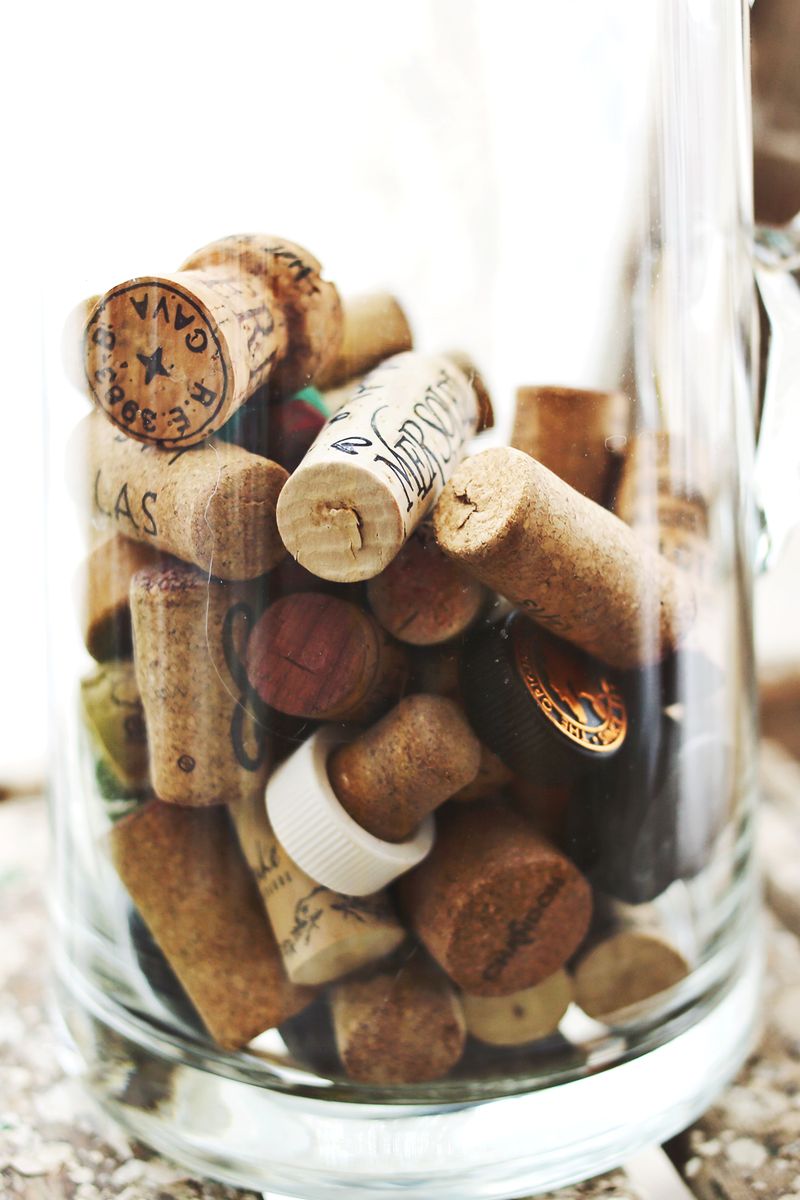
The presentation of wine cork memories elevates the collection from a mere pile of stoppers to a captivating display of personal history. The options for showcasing these treasured artifacts are as diverse as the wines they represent. Decorative jars and vases are perhaps the most accessible and visually appealing method. Clear glass allows the corks to be seen clearly, and the sheer volume can create an impressive visual impact. Different shapes and sizes of jars can be used to suit various aesthetics and spaces. Adding decorative elements like fairy lights, sand, or small shells can further enhance the visual appeal and tie the corks to specific themes or locations. Shadow boxes offer a more structured and curated display. These frames with a deep border can be used to arrange corks meticulously, allowing for the addition of small photographs, ticket stubs, or other mementos from the occasions represented by the corks. This method is ideal for highlighting particularly significant memories. Wine racks themselves can also be incorporated into the display. Many wine racks have built-in compartments or shelves specifically designed to hold wine corks, seamlessly integrating the memory-keeping aspect with the storage of future wine purchases. For the DIY enthusiast, custom-built wooden displays or cork boards provide a blank canvas for creative arrangements. These can be designed to be wall-mounted or freestanding, offering a personalized touch. Engraved wooden plaques or repurposed wine crates can also serve as unique display bases. Some collectors opt for a more artistic approach, incorporating corks into mosaics, wall art, or even functional items like coasters or trivets. The key to effective display is to create a focal point that sparks conversation and invites reflection. Whether it’s a large statement piece or a small, intimate arrangement, the presentation should be a testament to the richness of the experiences being preserved. Regularly revisiting and interacting with the displayed corks reinforces their significance and encourages the continued creation of new memories to add to the collection.
The enduring appeal of little traditions wine cork memories stems from a combination of psychological, emotional, and cultural factors. In an increasingly digital and ephemeral world, tangible objects that represent real-world experiences hold a profound weight. Wine corks offer a unique blend of sensory engagement and historical documentation. The tactile nature of the cork, its texture, and its subtle aroma connect us to the physical act of uncorking and the shared moment. Emotionally, these corks tap into our inherent desire for connection and continuity. They are physical anchors to happy memories, celebrations, and significant life events. The act of saving and displaying them is a form of self-care, a way of honoring the past and appreciating the present. Culturally, wine has long been associated with conviviality, celebration, and the sharing of experiences. The wine cork, as the gateway to this experience, naturally inherits some of that cultural significance. The tradition of collecting corks aligns with broader trends of mindfulness and conscious living, encouraging individuals to slow down, savor moments, and appreciate the simple pleasures. Furthermore, the rise of personalized gifts and experiences has fostered a greater appreciation for unique and meaningful keepsakes. Wine cork memories fit perfectly into this trend, offering a deeply personal and customizable way to preserve one’s life journey. The inherent sustainability aspect also appeals to modern sensibilities, transforming a discarded item into something of enduring value. This tradition is also inherently social, often born from shared experiences with loved ones, strengthening bonds and creating a shared legacy. The collective memory that emerges from a family’s or couple’s wine cork collection can be a powerful source of connection and storytelling for future generations. As technology continues to advance, the desire for authentic, tangible artifacts that ground us in our personal histories is likely to grow, ensuring the continued relevance and appeal of little traditions wine cork memories.
Beyond the personal, the practice of collecting wine corks can foster a deeper appreciation for the wine itself. Understanding the origin of the cork, the vineyard it came from, and the traditions of winemaking can add another dimension to the appreciation of the beverage. Many cork manufacturers also use distinct printing techniques and branding, allowing collectors to identify different regions, grape varietals, and even specific vintages with a trained eye. This can evolve into a more sophisticated understanding of the wine industry and its intricate details. For instance, observing the varying porosity and density of corks from different regions can hint at the humidity levels and aging processes specific to those areas. Some collectors even go so far as to research the specific wineries whose corks they collect, delving into their history, their commitment to sustainability, and their unique winemaking philosophies. This adds an educational layer to the hobby, transforming it from a simple act of collecting into an ongoing pursuit of knowledge. Moreover, the act of uncorking a bottle of wine and carefully preserving the cork can become a mindful ritual in itself. It’s a moment to pause, reflect on the anticipation of the evening ahead, and acknowledge the quality of the product and the effort that went into its creation. This mindful engagement with the entire wine experience, from the cork to the last sip, enriches the enjoyment and creates more profound memories. The cork becomes a tangible representation of that entire sensory and intellectual journey.
The longevity and durability of wine corks make them ideal for long-term preservation. Unlike paper or digital files, corks are resistant to fading and degradation, ensuring that the memories they represent can be passed down through generations. This makes them an excellent medium for creating heirloom pieces. Imagine a grandchild discovering a beautifully displayed collection of their grandparents’ wine corks, each meticulously labeled with dates and occasions. This offers a unique and intimate glimpse into their lives, fostering a deeper connection to their heritage. The stories shared around these corks can come alive, providing a rich tapestry of family history that goes beyond mere dates and names. The tactile nature of the corks further enhances this intergenerational transfer of memories. A child might run their fingers over the rough surface of a cork, imagining the hands that held it decades ago, or the laughter that echoed around the table where it was uncorked. This physical connection to the past is invaluable in an increasingly virtual world. Furthermore, the tradition itself can be a point of connection between generations. Parents can teach their children the art of wine cork memory keeping, sharing the stories behind each cork and instilling in them an appreciation for tradition and remembrance. This shared activity becomes a bonding experience, creating new memories that will, in turn, be preserved by future cork collections. The simplicity of the tradition also makes it accessible to people of all ages and backgrounds, fostering a universal language of memory and shared experience. The wine cork, in its humble yet significant form, becomes a silent storyteller, weaving a narrative that transcends time.
