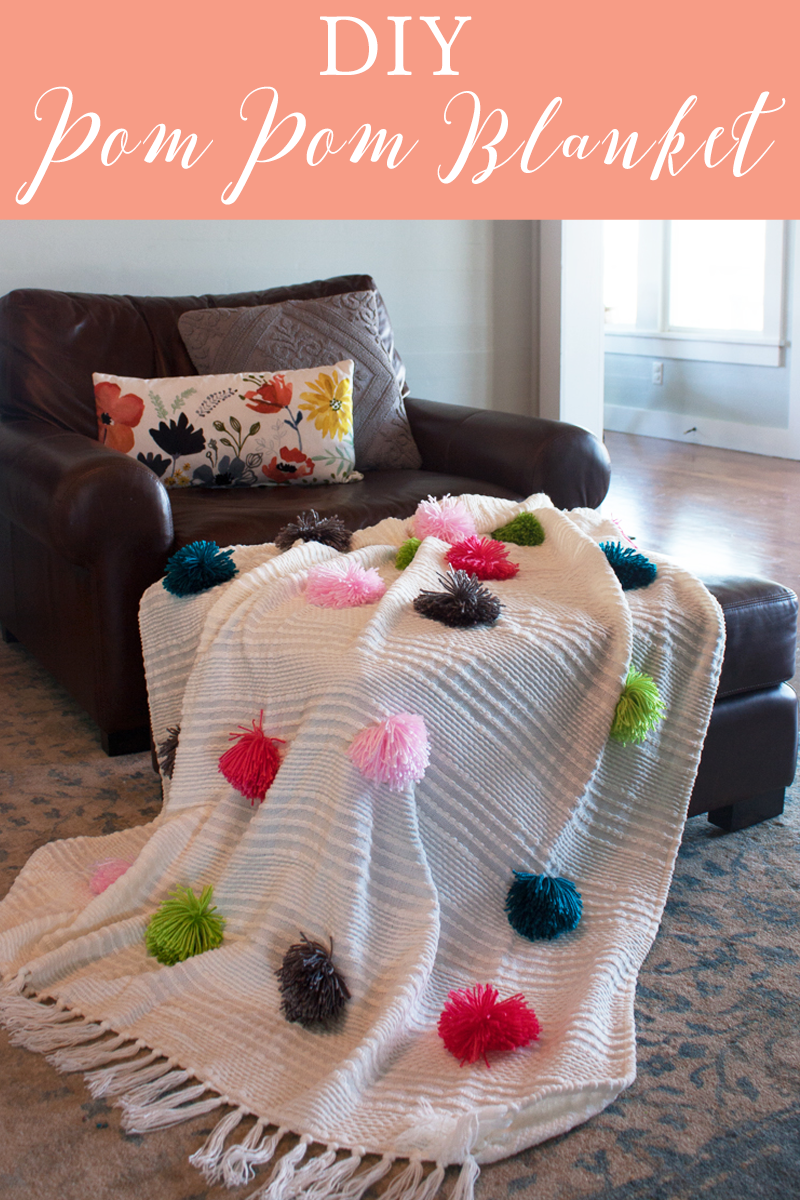
DIY Pom Pom Blanket: A Comprehensive Guide to Creating Your Cozy Masterpiece
Creating a DIY pom pom blanket is a rewarding and surprisingly accessible crafting project. This comprehensive guide will walk you through every step, from material selection and pom pom creation to assembly and finishing touches, ensuring you can craft a beautiful, cozy, and personalized blanket. The allure of a pom pom blanket lies in its tactile appeal and visual charm, adding a touch of whimsical luxury to any living space. Beyond aesthetics, a handmade blanket offers unparalleled warmth and a sense of personal accomplishment. This guide aims to equip you with the knowledge and confidence to tackle this project, regardless of your prior crafting experience. We’ll delve into various techniques, offer tips for success, and highlight the SEO-friendly aspects that will make your DIY pom pom blanket project stand out.
Materials You’ll Need for Your DIY Pom Pom Blanket
Selecting the right materials is crucial for a successful and aesthetically pleasing pom pom blanket. The primary components are yarn and a base fabric.
-
Yarn: The type and weight of yarn will significantly impact the final look, feel, and durability of your blanket.
- Fiber Content:
- Acrylic Yarn: This is a popular choice for DIY pom pom blankets due to its affordability, durability, wide color selection, and ease of care. It’s also hypoallergenic and less prone to snagging. For a plush feel, opt for bulkier acrylic yarns.
- Wool Yarn: Wool offers superior warmth and a luxurious, natural feel. However, it can be more expensive, requires delicate washing, and some individuals may find it itchy. Blended wool yarns can offer a good balance of properties.
- Cotton Yarn: Cotton provides breathability and a softer texture than some acrylics. It’s a good option for lighter blankets or those in warmer climates. However, it can be heavier and may stretch over time.
- Blends: Many yarns are blends of different fibers (e.g., acrylic-wool, cotton-acrylic). These can combine the desirable qualities of each fiber.
- Yarn Weight: This refers to the thickness of the yarn.
- Bulky/Super Bulky (Weight 5-6): These are ideal for pom pom blankets as they create dense, luxurious pom poms and allow for quicker completion. They result in a wonderfully squishy and warm blanket.
- Worsted Weight (Weight 4): This is a common yarn weight and can be used, but you’ll need to make more pom poms, and the blanket might be less voluminous.
- Quantity: Estimating yarn quantity is key. A general rule of thumb for a medium-sized blanket (e.g., a throw) is 8-12 skeins of bulky yarn (around 100-200 yards per skein). It’s always better to overestimate slightly to avoid running out of a specific dye lot. Consider purchasing all your yarn from the same dye lot to ensure color consistency.
- Fiber Content:
-
Base Fabric: The base fabric provides the structure onto which the pom poms are attached.
- Felt: This is a very popular and easy-to-use option. It’s readily available in large sheets, comes in a variety of colors (often white, cream, or gray to be unobtrusive), and is easy to cut. Ensure you choose a good quality, stiff felt for better support.
- Fleece Fabric: Soft, warm, and versatile, fleece is another excellent choice. It’s easy to cut and sew, and its natural stretch can be beneficial. You can use a single large piece or sew multiple pieces together for larger blankets.
- Burlap or Muslin: For a more rustic or bohemian look, burlap or muslin can be used. However, these materials are less soft and may require a more robust attachment method for the pom poms. They also tend to fray, so consider finishing the edges.
- Knitted or Woven Fabric: If you have sewing skills, you could use a pre-existing fabric like a sturdy cotton canvas or even a large knit fabric as your base.
-
Pom Pom Makers: While you can create pom poms with cardboard or your fingers, dedicated pom pom makers make the process much faster, more uniform, and easier. They come in various sizes, allowing you to create different-sized pom poms for a varied look.
-
Scissors: Sharp scissors are essential for clean cuts of yarn and fabric. Invest in a good pair specifically for crafting.
-
Yarn Needle or Large Darning Needle: A large-eyed needle is necessary for threading yarn through the base fabric and for securing the pom poms.
-
Measuring Tape: For accurate sizing of your base fabric and consistent pom pom spacing.
-
Optional:
- Fabric Glue: For added security, especially with lighter fabrics.
- Sewing Machine: If you’re using fabric that can be sewn, a machine will speed up the base construction.
- Rotary Cutter and Cutting Mat: For precise cutting of larger fabric pieces.
Step-by-Step Guide to Making Your DIY Pom Pom Blanket
This section will guide you through the entire process, from creating the individual pom poms to assembling them into a complete blanket.
Part 1: Creating the Pom Poms
The heart of your DIY pom pom blanket lies in its vibrant and fluffy pom poms. Consistency is key for a polished look, but experimentation with size and density can add character.
-
Choose Your Pom Pom Maker: Select the size of pom pom maker you wish to use. Larger makers will create fewer, larger pom poms, while smaller makers will result in more, smaller pom poms. You can mix and match sizes for visual interest.
-
Wrap the Yarn: Open the arms of the pom pom maker and begin wrapping the yarn around one half. Keep the tension firm but not so tight that the yarn stretches. Continue wrapping until the arms are filled, creating a generous amount of yarn. The more yarn you wrap, the denser and fluffier your pom pom will be.
-
Close the Maker: Once one half is sufficiently wrapped, close the arms of the pom pom maker. Then, wrap the other half of the maker with yarn, ensuring it’s also well-filled.
-
Cut the Yarn: Using your sharp scissors, carefully cut the yarn along the groove between the two halves of the pom pom maker. Work your way all the way around, ensuring a clean cut.
-
Tie the Pom Pom: Take a separate piece of yarn (about 12-18 inches long) and thread it through the center groove of the pom pom maker, tying it tightly around the cut yarn. Tie it as securely as possible. This tie will become the stem of your pom pom and is crucial for its structure. Knot it several times.
-
Remove from Maker: Once the yarn is securely tied, open the arms of the pom pom maker and remove the yarn bundle.
-
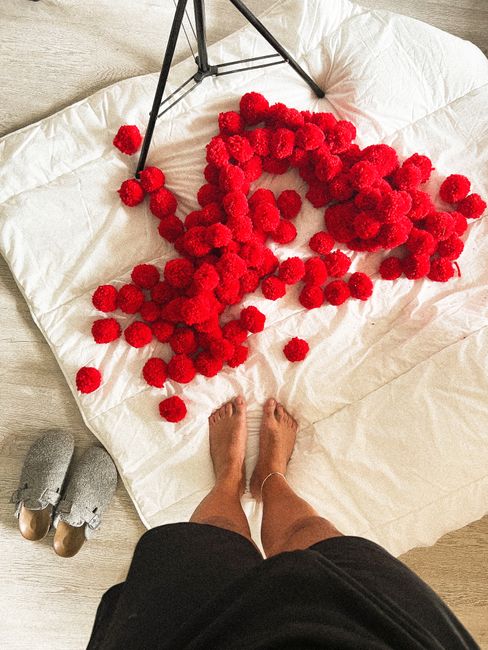
Trim and Fluff: You’ll have a somewhat messy ball of yarn at this point. Use your scissors to trim any uneven strands and shape the pom pom into a neat, round sphere. Fluff the pom pom to make it as full as possible. Repeat this process for all the pom poms you need.
- SEO Tip: Use keywords like "easy pom pom tutorial," "how to make fluffy pom poms," and "pom pom maker guide" within this section.
Part 2: Preparing the Base Fabric
The base fabric is the foundation of your blanket. Its preparation ensures a stable and even surface for attaching your pom poms.
-
Determine Blanket Size: Decide on the desired dimensions for your blanket (e.g., throw, baby blanket, bedspread). Measure and mark your base fabric accordingly. Standard throw blanket sizes range from 50×60 inches to 60×80 inches.
-
Cut the Fabric: Using your scissors or rotary cutter, carefully cut the base fabric to your determined size. If using felt, consider its stiffness. If it feels too limp, you might want to use a double layer or a stiffer interfacing.
-
Finish Edges (Optional but Recommended): To prevent fraying, especially with materials like burlap or muslin, consider finishing the edges. This can be done by:
- Hemming: Folding the raw edge over twice and stitching it down.
- Serging: Using a serger to create a professional, overlocked edge.
- Fray Check: Applying a liquid seam sealant along the raw edge.
-
Mark Pom Pom Placement: This is a critical step for an organized and aesthetically pleasing blanket.
-
Grid System: Using a fabric marker or tailor’s chalk, lightly draw a grid on your base fabric. The spacing between the lines will determine how far apart your pom poms are. Aim for a spacing that allows the pom poms to slightly touch or overlap for a full coverage look. Experiment on a small scrap first.
-
Random Placement: For a more bohemian or organic look, you can skip the grid and attach pom poms more randomly, ensuring good coverage.
-
SEO Tip: Incorporate terms like "base fabric preparation," "felt blanket base," and "fleece fabric for DIY."
-
Part 3: Attaching the Pom Poms
This is where your DIY pom pom blanket truly comes to life. Patience and precision will yield the best results.
-
Thread Your Needle: Thread your yarn needle with a length of yarn (about 2-3 feet). Double the yarn for added strength.
-
Position the Pom Pom: Take one pom pom and place it on the marked spot on your base fabric. You’ll be attaching it through its core.
-
Secure the Pom Pom:
- Method 1 (Through the Base): Bring your needle up from the back of the base fabric, through the center of the pom pom. Then, loop around the pom pom’s tie and go back down through the base fabric near where you came up. Repeat this process several times, ensuring the pom pom is firmly attached. You can make small stitches through the felt or weave the yarn around the pom pom’s central tie, going back and forth through the base fabric.
- Method 2 (Weaving Around): For a more secure hold, especially on looser fabrics, you can weave the yarn around the pom pom’s central tie and then pass the needle through the base fabric. Repeat, creating a criss-cross pattern.
-
Tie Off Securely: On the back of the base fabric, tie off your yarn securely with a strong knot. Trim any excess yarn.
-
Repeat and Fill: Continue attaching pom poms, following your marked grid or desired pattern. Work in sections, ensuring you maintain consistent spacing. You can overlap the pom poms slightly for a denser look.
- Troubleshooting: If a pom pom feels loose, add more stitches. If your yarn is running out, tie on a new piece with a secure knot.
- SEO Tip: Use keywords like "how to attach pom poms to fabric," "securing pom poms for blanket," and "DIY pom pom blanket assembly."
Part 4: Finishing Touches and Care
Once all pom poms are attached, it’s time to admire your work and ensure its longevity.
-
Final Trim and Fluff: Once the entire blanket is covered, give all the pom poms a final trim to ensure uniform shape and size. Fluff them all up for maximum volume.
-
Check for Loose Ends: Inspect the entire blanket for any loose yarn ends from the pom pom creation or attachment. Trim them neatly.
-
Care Instructions:
- Washing: Most DIY pom pom blankets, especially those made with acrylic yarn and felt bases, can be spot cleaned or gently hand-washed in cool water with mild detergent. Avoid machine washing and drying unless the yarn and base fabric specifically allow for it, as it can cause the pom poms to lose their shape and the base to become misshapen. If hand-washing, gently squeeze out excess water and lay flat to dry.
- Drying: Never put a pom pom blanket in a machine dryer on high heat. Air drying flat is the best method. You can also gently reshape the pom poms while the blanket is damp.
- Maintenance: Periodically fluff the pom poms to keep them looking their best.
Variations and Design Ideas for Your DIY Pom Pom Blanket
Beyond the basic construction, there are numerous ways to personalize your DIY pom pom blanket and elevate its design.
-
Color Palettes:
- Monochromatic: Use varying shades of a single color for a sophisticated and modern look.
- Ombre: Transition colors gradually from one end of the blanket to the other.
- Rainbow: A classic and cheerful choice, especially for children’s blankets.
- Geometric Patterns: Create stripes, chevrons, or other patterns using different colored pom poms.
- Neutral Tones: Combine whites, creams, grays, and beiges for a timeless and cozy aesthetic.
-
Pom Pom Size and Density:
- Uniform Size: All pom poms the same size for a neat, consistent appearance.
- Mixed Sizes: Combine small, medium, and large pom poms for a playful and textured look.
- Dense Coverage: Pack pom poms closely together for maximum fluffiness and minimal visible base fabric.
- Sparse Coverage: Space pom poms further apart to showcase the base fabric or create a more airy feel.
-
Base Fabric Color:
- Matching: Choose a base fabric color that complements or matches your yarn for a seamless look.
- Contrasting: A contrasting base color can make the pom poms pop and add visual interest.
- Transparent Effect: Using a very thin or white base fabric can create a slightly more transparent effect, allowing the pom poms to be the main focus.
-
Pom Pom Techniques:
- Multi-Colored Pom Poms: Wrap different colored yarns together before cutting to create multi-hued pom poms.
- Textured Yarn Pom Poms: Experiment with novelty yarns like boucle or chenille for unique textures.
-
Edge Finishes:
- Fringe: Add yarn fringe along the edges for a bohemian touch.
- Border of Smaller Pom Poms: Create a decorative border of tiny pom poms around the main blanket.
SEO Optimization for Your DIY Pom Pom Blanket Project
To ensure your DIY pom pom blanket project is discoverable online, consider these SEO strategies:
-
Keyword Integration: Naturally weave relevant keywords throughout your article. Examples include: "DIY pom pom blanket," "how to make a pom pom blanket," "easy blanket making," "handmade cozy blanket," "yarn craft project," "felt blanket DIY," "fleece pom pom blanket," "craft ideas for home decor," "chunky knit blanket alternative."
-
Descriptive Titles and Headings: Use clear, keyword-rich titles and subheadings (H2, H3) to break up your content and guide readers.
-
Image Alt Text: When you add images of your DIY pom pom blanket, use descriptive alt text that includes relevant keywords (e.g., "DIY fluffy pom pom blanket with white felt base," "close-up of handmade pom pom blanket texture").
-
Internal Linking: If you have other related crafting articles on your blog or website, link to them within this article.
-
External Linking: Link to reputable sources for materials or further tutorials (e.g., yarn manufacturers, pom pom maker reviews).
-
Meta Description: Craft a compelling meta description that summarizes the article and includes primary keywords, enticing users to click.
-
User Engagement: Encourage comments and questions from readers, as this can signal to search engines that your content is valuable and interactive.
Conclusion
The DIY pom pom blanket is more than just a crafting project; it’s an opportunity to create a statement piece for your home, a cherished gift, or a source of personal satisfaction. By carefully selecting your materials, mastering the pom pom creation technique, and meticulously assembling your blanket, you can achieve a professional-looking and incredibly cozy result. This comprehensive guide has provided you with the knowledge to embark on this delightful journey. Remember to experiment with colors, textures, and sizes to make your DIY pom pom blanket truly your own. The tactile warmth and visual charm of a handmade pom pom blanket are unmatched, making it a rewarding endeavor for crafters of all levels. Embrace the process, enjoy the creative freedom, and prepare to be enveloped in the luxurious comfort of your custom-made masterpiece.
