
The Red Carpet and the Reel: Navigating the Cannes Film Festival Screening Schedule
The Cannes Film Festival, a cinematic pilgrimage for filmmakers, actors, and cinephiles alike, is meticulously orchestrated, its schedule a complex ballet of world premieres, exclusive screenings, and the glittering allure of the red carpet. Understanding this schedule is key to experiencing the festival, from catching the most anticipated cinematic offerings to witnessing the sartorial spectacle that defines Cannes. While the full, definitive program is released closer to the festival dates, a comprehensive overview of the typical structure and key components provides an invaluable roadmap. The festival generally unfolds over approximately two weeks, usually in May, with a clear rhythm dictating the flow of films, press events, and the iconic red carpet appearances.
The heart of the Cannes Film Festival lies in its official selection, which is broadly divided into several distinct sections, each with its own screening cadence and emphasis. The Competition section, the most prestigious, features films vying for the coveted Palme d’Or. These premieres are typically held in the Grand Théâtre Lumière, the festival’s largest venue, and are accompanied by the most significant red carpet moments. Screenings for the Competition are often scheduled in the evenings, maximizing the impact of the stars’ arrival and the post-screening buzz. However, there are also daytime screenings for these films, allowing for broader press coverage and industry professionals to attend. The schedule is strategically designed to build anticipation, with key Competition films often spaced out to allow for individual focus and discussion.
Beyond the main Competition, the Un Certain Regard section offers a more curated selection of films that present unique perspectives and styles, often from emerging talents. Screenings for Un Certain Regard films are usually held in the Salle Debussy, a slightly smaller but equally prestigious venue. While still a significant draw, the red carpet for these events might be less star-studded than the Competition premieres, though still attract considerable attention. The scheduling for Un Certain Regard often mirrors that of the Competition, with a mix of afternoon and evening slots, ensuring these films receive ample visibility. The intention is to foster a distinct identity for this section, showcasing films that push boundaries and challenge conventional cinematic norms.
The Out of Competition section showcases films that are too significant to be ignored but don’t necessarily fit the criteria for the main Competition. This often includes highly anticipated blockbusters, major directorial works, or films with significant cultural impact. These screenings, also primarily in the Grand Théâtre Lumière, are major events, frequently serving as opening or closing night features. The red carpet presence for these films can be immense, rivaling that of the Competition, as they often attract A-list talent and considerable public interest. The scheduling here is geared towards creating landmark moments, often marking the beginning and end of the festival with grand cinematic gestures.
The Special Screenings section is a diverse category that can encompass documentaries, short films, retrospectives, and other unique cinematic presentations. These screenings are spread across various venues and times, offering a more flexible viewing experience for attendees. While not always associated with the same level of red carpet fanfare as the main Competition, Special Screenings can still attract notable figures, especially if they are retrospectives of legendary directors or documentaries with high-profile subjects. The scheduling in this section is often more varied, catering to niche interests and providing a platform for a wider range of cinematic expressions.
Midnight Screenings are a unique fixture, dedicated to genre films, horror, or avant-garde works that thrive in a later, more electrifying atmosphere. These screenings, held in the Grand Théâtre Lumière, are a cult favorite, drawing a dedicated audience eager for something different. The red carpet might be less formal, but the energy and excitement are palpable. The scheduling of Midnight Screenings is, by definition, late at night, adding to their distinctive appeal and offering a late-night cinematic adventure.
The Cannes Classics section is dedicated to showcasing restored masterpieces from cinema history, allowing audiences to experience iconic films as they were originally intended. These screenings are often accompanied by discussions with directors, historians, or those involved in the restoration process. While not a red carpet event in the traditional sense, the presence of esteemed figures from the film world makes these screenings significant cultural events. The scheduling here is designed to highlight these cinematic treasures without the immediate pressure of new film premieres.
The Directors’ Fortnight (Quinzaine des Réalisateurs) and Critics’ Week (Semaine de la Critique) are parallel sections, independent of the official festival selection, but highly influential. These sections are known for discovering new talent and presenting groundbreaking independent cinema. Their screening schedules operate in parallel with the official festival, often in different venues around Cannes. While their red carpet moments might be more understated than the main festival, they are crucial for identifying the future of filmmaking and attract discerning industry professionals and critics. Their schedules are meticulously planned to offer a robust program of independent cinematic gems.
Navigating the daily schedule involves a strategic approach. Each day of the festival is packed with multiple screenings across these various sections. The morning often features press screenings, allowing critics and industry professionals to review films before their public or premiere showings. Afternoons are typically filled with a mix of Competition, Un Certain Regard, and Out of Competition film screenings, as well as Special Screenings and Cannes Classics. The evening is when the major premieres, particularly for the Competition and Out of Competition sections, take center stage, accompanied by the full red carpet spectacle.
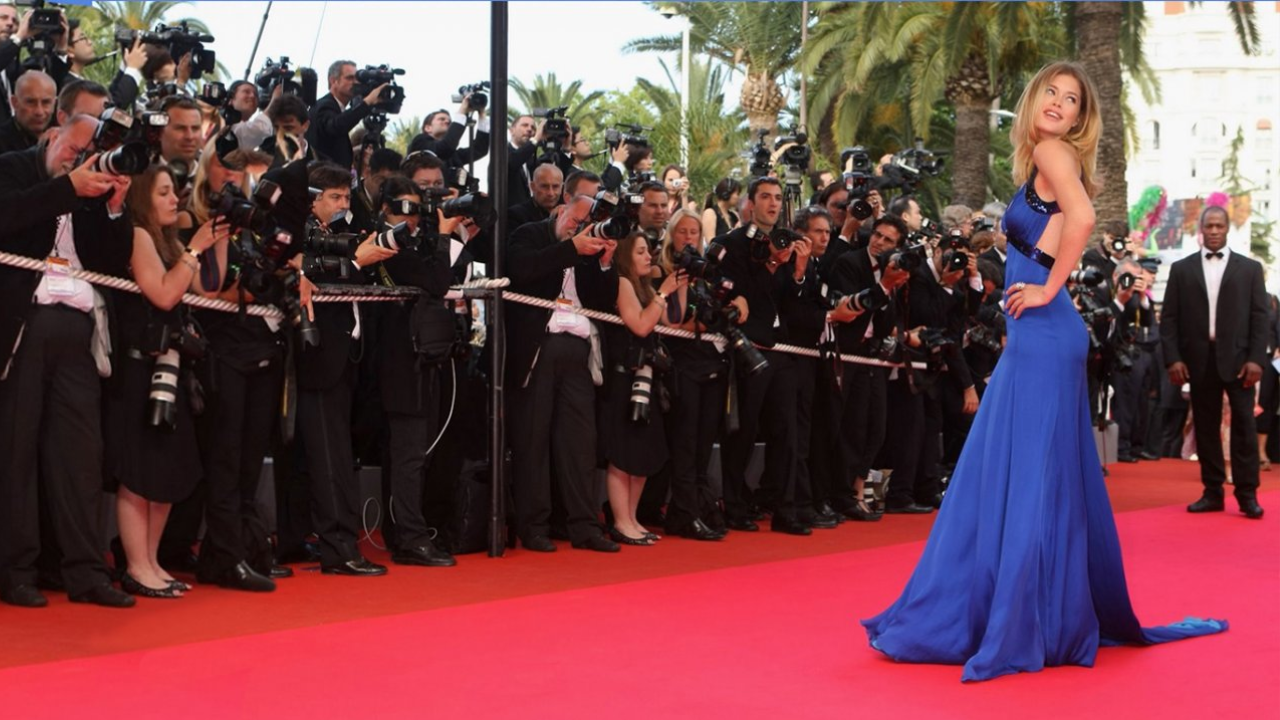
The red carpet itself is not merely a pathway; it’s a carefully timed event. For major premieres, the red carpet arrivals typically begin an hour to an hour and a half before the scheduled screening time. This allows ample opportunity for photographers and fans to catch glimpses of the stars as they ascend the famous steps of the Palais des Festivals. The timing is precise, with security and festival staff ensuring a smooth flow of talent and a controlled environment for media attention. The presence of filmmakers, actors, and sometimes even political figures contributes to the spectacle, turning each premiere into a highly anticipated public event.
The press conferences are another crucial element of the festival’s schedule. Following most major premieres, the cast and crew of the film, along with the director, participate in a press conference. These sessions, held in dedicated rooms within the Palais des Festivals, offer journalists an opportunity to ask questions about the film, its production, and the creative process. The schedule for these conferences is usually announced shortly after the screenings, allowing journalists to plan their attendance.
The market screenings, a vital component for the film industry, run concurrently with the festival. These private or semi-private screenings are where distributors and buyers evaluate films for acquisition. While not a public red carpet event, these screenings are central to the business of cinema and are meticulously scheduled by sales agents and distributors. The market buzz and the success of films in these screenings can significantly influence their future distribution.
For attendees, understanding the booking and ticketing system is paramount. While some screenings are open to the public with purchased tickets, many are prioritized for accredited industry professionals, press, and festival guests. The online platform and the festival app are essential tools for checking screening times, locations, and availability. Popular films, especially Competition premieres, are in high demand, and securing tickets often requires advance planning and sometimes luck.
The opening and closing ceremonies bookend the festival and are significant events on the schedule. The opening ceremony officially inaugurates the festival and typically includes the premiere of an Out of Competition film. The closing ceremony marks the festival’s end, where the Palme d’Or and other awards are presented, followed by the premiere of another highly anticipated film. These events are highly televised and attended by a global audience, featuring elaborate ceremonies and the most glamorous red carpet appearances of the festival.
In conclusion, the Cannes Film Festival’s schedule is a dynamic and multifaceted entity. It’s a carefully curated sequence of cinematic presentations, industry engagements, and unforgettable red carpet moments. From the prestige of the Competition to the discovery of Un Certain Regard, the spectacle of Out of Competition premieres, the cultural significance of Cannes Classics, and the independent spirit of the parallel sections, each part plays a vital role in the festival’s tapestry. Mastering this schedule, through diligent research and strategic planning, unlocks the full Cannes experience, allowing attendees to immerse themselves in the world of cinema in its most vibrant and celebrated form. The red carpet, while a symbol of glamour, is intrinsically linked to the films being showcased, a visual herald for the stories about to unfold on screen.

