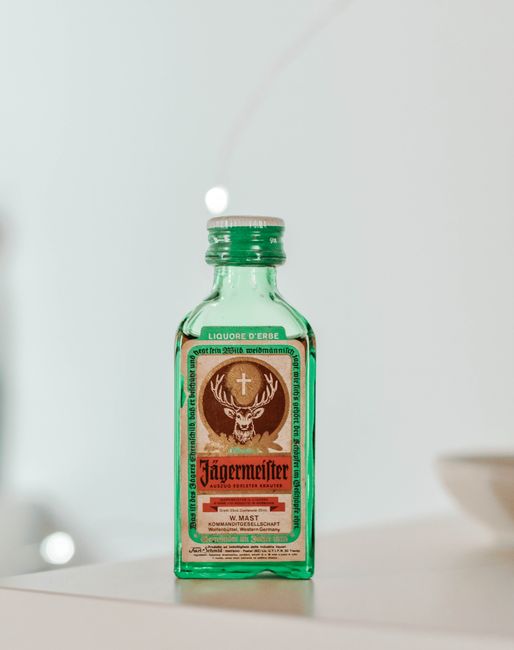
The Ubiquitous Appeal and Practicality of Mini Liquor Bottles: A Comprehensive Guide
Mini liquor bottles, often referred to as "nip" bottles, "airline bottles," or "sample bottles," have carved out a significant niche in the beverage alcohol market. Their diminutive size, typically holding 50ml or 1.75 fluid ounces, belies their immense versatility and enduring popularity across a spectrum of consumers and occasions. From their historical origins to their contemporary applications, mini liquor bottles represent a confluence of convenience, affordability, and controlled indulgence, making them a subject worthy of in-depth exploration for both industry professionals and end-users alike.
The historical roots of miniature liquor bottles are intertwined with the evolution of alcohol distribution and consumption. While precise origins are debated, the concept of smaller, single-serving alcohol portions gained traction in the late 19th and early 20th centuries. This was partly driven by the desire to offer consumers a taste of premium spirits without requiring a full-sized bottle purchase, making luxury more accessible. Furthermore, the advent of air travel played a pivotal role in popularizing the 50ml format. Airlines sought lightweight, non-breakable, and easily manageable beverage options for their passengers. The 50ml bottle, with its standardized size and often plastic construction, perfectly fit these requirements, becoming synonymous with in-flight beverages and solidifying its place in consumer consciousness. This historical trajectory highlights the inherent practicality that has always been at the core of the mini bottle’s appeal.
Beyond their historical significance, the primary driver behind the sustained demand for mini liquor bottles is undoubtedly their inherent convenience. For individuals seeking a single serving of their preferred spirit, whether for a quiet evening at home, a social gathering, or a travel excursion, the mini bottle offers an uncompromised solution. This eliminates the need to open a larger, potentially wasteful bottle, especially for infrequent drinkers or those who prefer variety. Travelers, in particular, benefit immensely. The compact size allows for easy packing in luggage, and they are generally permitted in checked baggage, offering a familiar taste of home or a way to explore local spirits on the go. Furthermore, the single-serving nature inherently promotes responsible consumption. Consumers can precisely control their intake, making mini bottles a responsible choice for moderate drinkers or for those who wish to sample a new spirit without committing to a larger purchase. This controlled portioning is a key differentiator from larger bottles, appealing to a growing segment of the population focused on mindful drinking habits.
The affordability of mini liquor bottles is another critical factor contributing to their widespread appeal. While the price per ounce might be slightly higher than a full-sized bottle, the overall upfront cost of a 50ml bottle is significantly lower. This makes them an attractive option for consumers with budget constraints, allowing them to enjoy a wider range of spirits than they might otherwise be able to afford. For consumers looking to experiment with different brands or types of liquor without a substantial financial outlay, mini bottles provide an accessible entry point. This is particularly relevant in the context of spirit exploration, where consumers might be hesitant to invest in a full bottle of an unfamiliar whiskey, rum, or gin. The low-cost barrier of a mini bottle encourages such experimentation, fostering discovery and potentially leading to future larger purchases. This accessibility democratizes the experience of enjoying premium beverages, making it less exclusive and more inclusive.
The retail landscape for mini liquor bottles is diverse and dynamic. They are readily available in liquor stores, supermarkets, convenience stores, and, as previously mentioned, inflight and on cruise ships. Their placement within retail environments often reflects their convenience-oriented nature, appearing in impulse purchase areas or in dedicated sections for single-serve beverages. Retailers also leverage mini bottles for promotional purposes, offering them as giveaways with larger purchases or as part of curated tasting kits. The visual appeal of these small bottles also contributes to their retail success. Manufacturers invest in attractive packaging and labeling, transforming these miniature containers into desirable collectibles for some consumers. The sheer variety of spirits available in mini bottle format is astounding, ranging from mainstream vodkas and whiskeys to artisanal gins, exotic liqueurs, and flavored spirits. This extensive selection caters to every palate and preference, further solidifying their position in the market.
The hospitality industry has extensively adopted mini liquor bottles, recognizing their operational advantages and guest appeal. Hotels often feature them in mini-bars, providing guests with convenient, on-demand access to a selection of spirits without the need for room service. This enhances guest convenience and can be a profitable revenue stream for hotels. Restaurants, particularly those with a focus on wine and spirits, may offer mini bottles of premium spirits for tasting flights or as an option for individual servings of less commonly ordered beverages. The controlled portioning also aids in inventory management and reduces potential waste from spoilage or unconsumed portions of larger bottles. Furthermore, for catered events and banquets, mini bottles offer a pre-portioned and easily distributed beverage solution, simplifying service and ensuring consistent quality and quantity. The ease of stocking and serving mini bottles makes them an indispensable tool for event planners and hospitality managers looking to streamline operations and enhance guest satisfaction.
In terms of production and packaging, mini liquor bottles present unique challenges and opportunities. Manufacturers must optimize their filling and capping processes for these smaller volumes. The choice of material is also significant, with glass being traditional for premium spirits, offering aesthetic appeal and perceived quality, while plastic is more common for budget-friendly options and travel-friendly applications due to its shatter-resistant nature. Labeling on such small surfaces requires precision and clarity, conveying essential information like brand, spirit type, and alcohol by volume (ABV) within a limited space. The environmental impact of producing and disposing of these smaller bottles is an ongoing consideration, with a growing emphasis on sustainable packaging solutions, including the use of recycled materials and the development of more easily recyclable plastics. The miniaturization of the production line requires specialized equipment and expertise to maintain efficiency and quality control.
The regulatory landscape surrounding mini liquor bottles, like all alcoholic beverages, is stringent and varies by jurisdiction. Regulations often govern their sale, advertising, and taxation. For instance, some regions may have restrictions on the sale of single-serving containers to curb underage drinking or public intoxication. The taxation of mini bottles can also be complex, with some jurisdictions imposing specific excise taxes based on volume. Manufacturers and retailers must navigate these regulations meticulously to ensure compliance. The labeling requirements, including health warnings and responsible drinking messages, are also critical components of the regulatory framework. Understanding and adhering to these diverse legal frameworks is paramount for any business involved in the production, distribution, or sale of mini liquor bottles.
The future of mini liquor bottles appears robust, driven by evolving consumer trends and industry innovations. The continued growth of the craft spirits movement, with its emphasis on exploration and unique flavors, bodes well for mini bottles as a way for consumers to sample these new offerings. The rise of the "ready-to-drink" (RTD) cocktail market also incorporates mini bottle formats for pre-mixed alcoholic beverages, catering to the demand for convenience and simple enjoyment. Furthermore, advancements in sustainable packaging and the potential for personalized mini bottle offerings could further enhance their appeal. The focus on smaller, more controlled consumption is likely to persist, aligning perfectly with the inherent advantages of the mini liquor bottle. As consumer lifestyles continue to prioritize convenience and variety, the mini liquor bottle is poised to remain a relevant and popular fixture in the beverage alcohol market for the foreseeable future. The enduring appeal lies in its ability to adapt to changing consumer habits while retaining its core strengths of convenience, affordability, and controlled indulgence.
