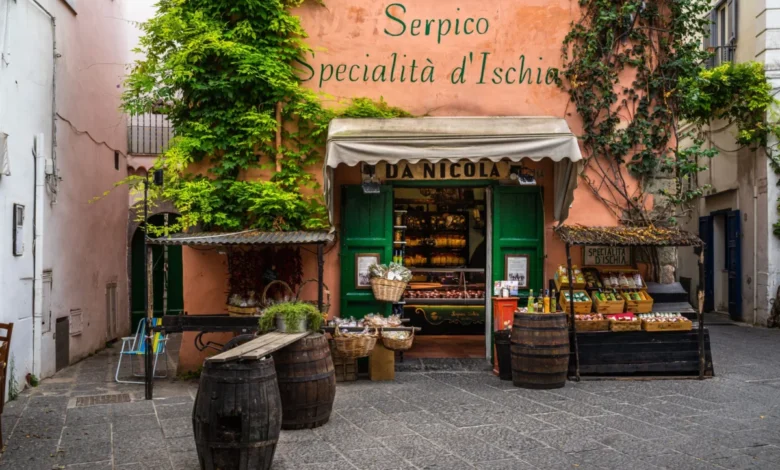
The arrival at the volcanic island of Ischia, situated in the Tyrrhenian Sea at the northern end of the Gulf of Naples, offers an immediate sensory immersion into a landscape defined by its geological fertility. Stepping off the ferry from the mainland, visitors are greeted by an atmosphere permeated with the scents of mineral-rich soil, bloated citrus fruits, and the saline breeze of the Mediterranean. Known historically as the "Isola Verde" or Green Island, Ischia presents a culinary identity that challenges the standard international perception of Italian cuisine. While pizza and pasta remain foundational elements of the local diet, the island’s gastronomic landscape is characterized by a deep-seated reliance on volcanic agriculture and a historical preference for land-based proteins over the expected maritime bounty. This reliance on the land is not merely a matter of taste but a reflection of a complex history involving ancient migrations, volcanic activity, and a rigorous commitment to the preservation of heritage techniques.
The Signature Heritage: Coniglio all’Ischitana and the Da Fossa Method
The cornerstone of Ischian gastronomy is undoubtedly Coniglio all’Ischitana (Ischia-style rabbit). This dish serves as a historical record of the island’s development, dating back to the Ancient Roman era when rabbits were first introduced to the island’s ecosystem. Despite Ischia’s status as a coastal entity, the interior highlands provided a more stable source of sustenance through rabbit breeding than the often-volatile fishing industry. For centuries, wild rabbits roamed the slopes of Mount Epomeo, tunneling through the soft volcanic tuff and subsisting on a diet of wild legumes, fava bean stems, and fallen fruit.
Central to the authenticity of this dish is the "da fossa" method of rearing. This traditional practice involves raising rabbits in deep pits or burrows, mimicking their natural environment. This method is increasingly rare, but it is currently protected by the Slow Food movement, an organization dedicated to preventing the disappearance of local food cultures and traditions. According to local agricultural data, the preservation of the coniglio da fossa is essential for maintaining the genetic diversity of the local livestock and the specific flavor profile that distinguishes Ischian rabbit from commercially farmed alternatives.

The preparation of Coniglio all’Ischitana is a ritualized process. It is traditionally cooked in a tegame, a shallow clay dish that ensures even heat distribution. The recipe requires a whole bulb of garlic, local herbs—most notably wild thyme and marjoram—and an abundance of vine-ripened cherry tomatoes. The rabbit is braised slowly in its own juices, supplemented by a generous deglazing of the island’s indigenous white wine, typically a blend featuring the Biancolella or Forestera grape varieties. This slow-cooking process allows the mineral qualities of the volcanic soil, present in both the herbs and the wine, to permeate the meat, resulting in a dish that is deeply tied to the island’s terroir.
The Agrarian Foundation: Volcanic Soil and the Vegetarian Renaissance
While the rabbit is the island’s most famous export, the volcanic soil of Ischia supports a diverse range of produce that forms the backbone of its vegetarian offerings. The island’s geography is dominated by Mount Epomeo, a volcanic horst rather than a traditional volcano, which has enriched the surrounding land with potassium, phosphorus, and other essential minerals. This nutrient-dense environment produces vegetables with an intensity of flavor that is often absent in mass-produced agriculture.
For the modern traveler, particularly those adhering to meat-free diets, Ischia offers a surprising degree of inclusivity. Unlike some regions of Italy where meat is the non-negotiable center of every meal, Ischia’s culinary tradition is heavily weighted toward antipasti and vegetable-based secondi. The Parmigiana di Melanzane (Aubergine Parmigiana) is a ubiquitous presence on local menus. This classic Southern Italian baked casserole varies from kitchen to kitchen; some chefs utilize smoked provola or mozzarella di bufala, while others emphasize the aromatic herbs harvested from the mountainsides.
Another staple is melanzane alla funghetto, a rustic preparation where aubergines are cubed and pan-fried with garlic, tomatoes, and basil. The quality of the ingredients is paramount; the aubergines possess a delicate, earthy profile, while the local tomatoes provide a natural sweetness that balances the acidity of the dish. This reliance on seasonal, locally sourced produce is a practical application of the "farm-to-table" philosophy that has existed on the island long before it became a global culinary trend.

A Chronological Perspective: From Ancient Rome to the Tucci Effect
The timeline of Ischia’s culinary evolution can be divided into three distinct eras. The first is the Ancient era, characterized by the introduction of Mediterranean staples by the Greeks and Romans. The second era occurred during the 1950s and 60s, when film producer Angelo Rizzoli transformed the island into a playground for the international elite, bringing global attention to Lacco Ameno and the island’s luxury hospitality.
The third and current era is defined by the "Tucci Effect." Following the visit of actor and gourmand Stanley Tucci for his series Searching for Italy, Ischia’s traditional eateries experienced a surge in international interest. Trattoria Il Focolare, a family-run establishment located in the hills of Fiaiano, became a focal point for this renewed attention. Managed by the D’Ambra family, the restaurant serves as a living museum of Ischian food culture. The transition of leadership from Riccardo and Loretta D’Ambra to their children—Agostino, Francesco, and their sisters—represents the island’s broader struggle to balance traditional family values with the demands of modern tourism.
The impact of such media exposure is significant. Local hospitality experts note that while tourism numbers have increased, there is a growing pressure to maintain authenticity. The D’Ambra family, for instance, continues to offer tours of their property and kitchen, reinforcing the idea that a meal in Ischia is not just a transaction but an educational experience in heritage and hospitality.
Regional Deep Dive: Institutional Profiles of Ischian Gastronomy
The gastronomic landscape of Ischia is divided among its main communes: Ischia Porto, Forio, Lacco Ameno, Casamicciola Terme, Serrara Fontana, and Barano. Each region offers a different perspective on the island’s flavors.

Forio: The Intersection of Street Food and Tradition
Forio, located on the western coast, is known for its vibrant street life and historic center. Establishments like Jack all’Epomeo, situated in Piazza Matteotti, cater to both locals and visitors with a focus on classic Neapolitan staples. Here, the emphasis is on simplicity: fresh anchovies, spaghetti aglio e olio Napoletano, and the catch of the day. Meanwhile, Pizzeria Di Meglio represents the more accessible side of the island’s food scene. Despite Ischia’s reputation as a high-end destination, Di Meglio maintains the affordability of the Neapolitan pizza tradition, offering high-quality margherita pizzas for under €8.00, proving that authentic gastronomy remains rooted in the community.
Lacco Ameno: Culinary Innovation and Fine Dining
Lacco Ameno has long been the island’s most glamorous corner, and its restaurants reflect this sophistication. Ristorante O’ Pignattello is a prime example of how traditional ingredients can be reimagined through modern techniques. Their blind tasting menus often feature rabbit transformed into delicate ravioli or perfectly seared mackerel, showcasing the freshness of the local catch.
Similarly, La Veranda at the San Montano Resort & Spa offers a more decadent experience. Overlooking San Montano Bay, the restaurant is notable for its inclusive menu, which includes high-quality vegan options—a rarity in traditional Italian fine dining. Their version of the parmigiana, presented with striking green-and-white stripes, serves as a metaphor for the island’s ability to modernize its aesthetic without losing its soul.
Economic Impact and Future Implications
The culinary sector is a vital component of Ischia’s economy, which is heavily reliant on the approximately 4 to 5 million visitor nights recorded annually. As global travel trends shift toward "experiential tourism," Ischia’s food culture has become its most potent marketing tool. However, this shift brings challenges. The reliance on "da fossa" rabbit farming and small-scale volcanic agriculture is threatened by the labor-intensive nature of these practices and the lure of easier, industrialized alternatives.

The future of Ischian gastronomy depends on the continued support of organizations like Slow Food and the willingness of the younger generation to remain in the family business. There is an ongoing effort among local stakeholders to achieve protected status for more of the island’s products, ensuring that the term "Ischitan" remains a mark of quality and geographical specificity.
In conclusion, the food of Ischia is an intricate tapestry woven from volcanic ash, ancient history, and familial pride. From the rustic hills of Fiaiano to the refined terraces of Lacco Ameno, the island offers a culinary narrative that is as much about the preservation of the land as it is about the pleasure of the palate. For the global traveler, Ischia serves as a reminder that the true heart of Italian cuisine lies not in the ubiquity of its dishes, but in the specific, unrepeatable flavors of its unique territories.